Jet Fuel Price Surge Above $1,800 Per Tonne Forces Airlines Worldwide to Cut Capacity in 2026
Why It MattersThe episode shows hedging coverage, not passenger demand, now separates airlines that can absorb a fuel shock from those forced into immediate capacity and schedule cuts.
What happened
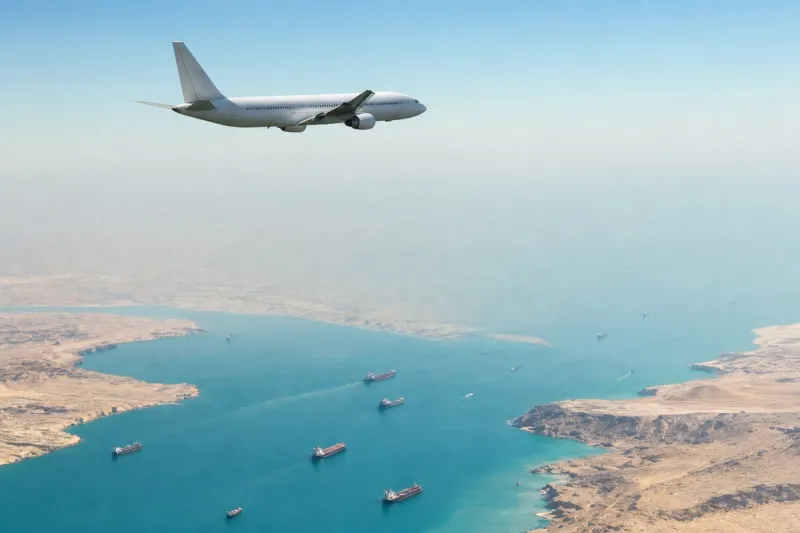
The closure of the Strait of Hormuz on February 28, 2026 removed roughly 10 million barrels of crude oil per day from global markets, about 10% of global consumption, according to IATA. Jet fuel prices rose by more than 120%, reaching $1,838 per tonne in early April before stabilizing above $1,500 per tonne, while refining margins for diesel and jet fuel climbed from roughly $15-$20 per barrel before the disruption to approximately $50-$80. China's restrictions on refined fuel exports have further tightened international supply.
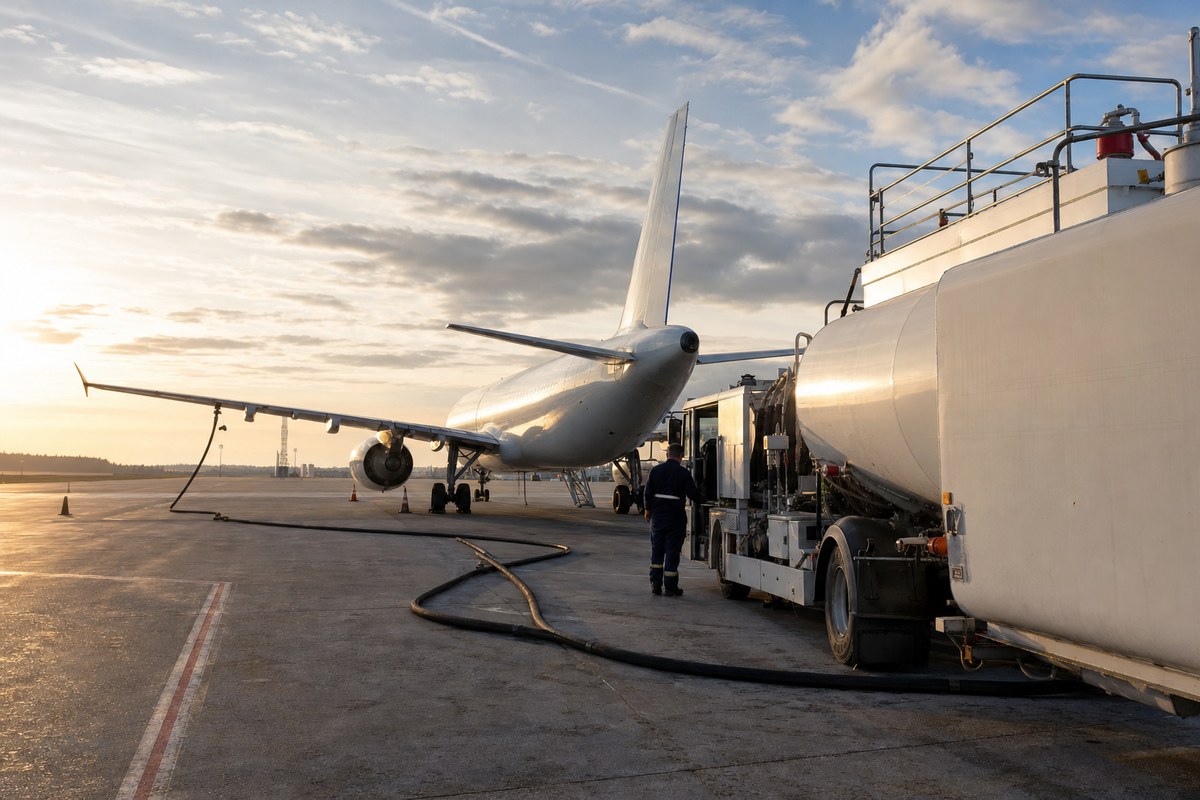
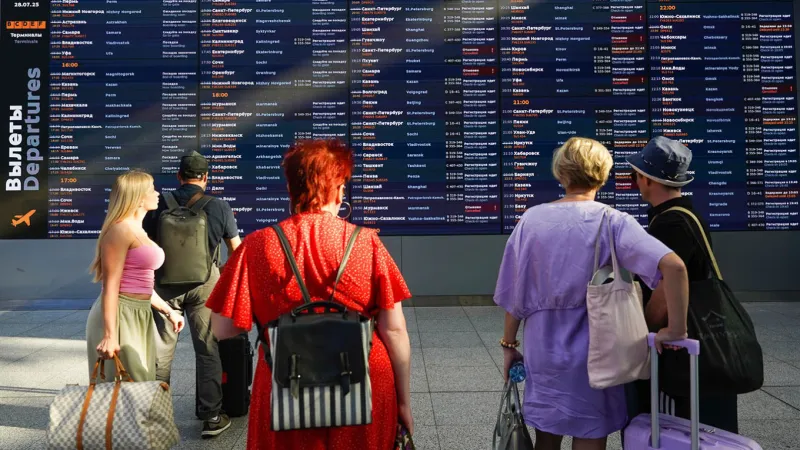
Global air passenger traffic is projected to reach approximately 5.2 billion passengers in 2026, representing year-on-year growth of between 3.9% and 4.4%, yet IATA has warned the crisis could roughly halve global airline profits in 2026. American Airlines CEO Robert Isom warned that persistently high fuel prices could force further capacity adjustments; the carrier's fourth-quarter fuel bill is now expected to be approximately $1 billion higher than previously assumed, and its full-year earnings outlook has been lowered to a range of an adjusted loss of $0.65 per share to a profit of $0.65 per share, from a prior range of a $0.40 loss to a $1.10 profit, based on an assumed average fuel price of $3.75 per gallon. United Airlines reduced capacity by roughly 5%, with CEO Scott Kirby warning that oil prices could remain elevated.
Outside the United States, Air Canada suspended services from Toronto and Montreal to New York JFK citing fuel economics. Asiana removed 22 flights from its schedule and Korean Air entered emergency management mode. Cathay Pacific cut capacity by around 2%, with reductions reaching 6% at HK Express, and Qantas removed roughly five percentage points from its fourth-quarter domestic capacity. Air France-KLM said its 2026 fuel bill was expected to reach $9.3 billion, approximately $2.4 billion higher than previously anticipated, with $1.1 billion of that increase expected in a single quarter, and the group reduced its capacity-growth forecast from 3-5% to 2-4%. Ryanair had hedged around 80% of its fuel requirements through April 2027 at approximately $67 per barrel but still warned that sustained high prices could increase unit costs by around 5%, while easyJet reported an unexpected £25 million fuel-cost hit in March and raised minimum ticket prices by £2-£3.
Who is hedged and who isn't
Air France-KLM had hedged around 67% of its expected 2026 fuel consumption, Lufthansa's coverage stood at 86%, Qantas reported an 85% hedging position for the first half of 2027, and Cathay Pacific said hedging and fuel surcharges covered about half of its second-quarter fuel-cost increase. US airlines have largely moved away from fuel hedging, leaving them more directly exposed to spot prices. Analysts note that persistently high fuel costs could accelerate fleet renewal, strengthening the economics of replacing older aircraft with more fuel-efficient types such as the A320neo, 737 MAX, A350 and 787.
Industry impact & what to watch
This event shows how a single supply shock in the oil market can override an otherwise growing demand base: 5.2 billion projected passengers and 3.9%-4.4% growth were not enough to keep schedules intact once jet fuel roughly doubled from pre-disruption refining margins. Airline scheduling is being driven by fuel-cost exposure rather than by seat demand, and the two are visibly decoupled in this cycle.
Hedging coverage is emerging as the clearest divider between carriers that absorbed the shock and those that had to cut immediately. Lufthansa at 86% and Qantas at 85% coverage sit far from US carriers with minimal hedging, and that gap shows up directly in who trimmed capacity by single-digit percentages versus who suspended entire routes, like Air Canada's Toronto and Montreal to New York JFK services.
What comes into view next is how long refining margins stay elevated at $50-$80 per barrel and whether China's export restrictions ease, since both feed directly into whether carriers extend current capacity cuts into further quarters. American Airlines' revised earnings range and Air France-KLM's lowered growth forecast give concrete markers to check against as the quarter progresses.