Trump Rejects Iran's Seven-Day Hormuz Roadmap as Regional Flight Restrictions Intensify Pressure on Tehran
Why It MattersAviation sanctions are being used alongside broader diplomatic and maritime leverage, showing how airspace and flight access can become bargaining tools tied to unresolved regional security disputes.
What happened
Iran proposed a seven-day roadmap intended to reopen the Strait of Hormuz and end regional hostilities, with the plan including negotiations over Iran's nuclear program. President Donald Trump rejected the proposal, telling reporters that the deal Iran put forward would not be acceptable. Iran said it is waiting for a more formal U.S. response through mediators before deciding its next move.
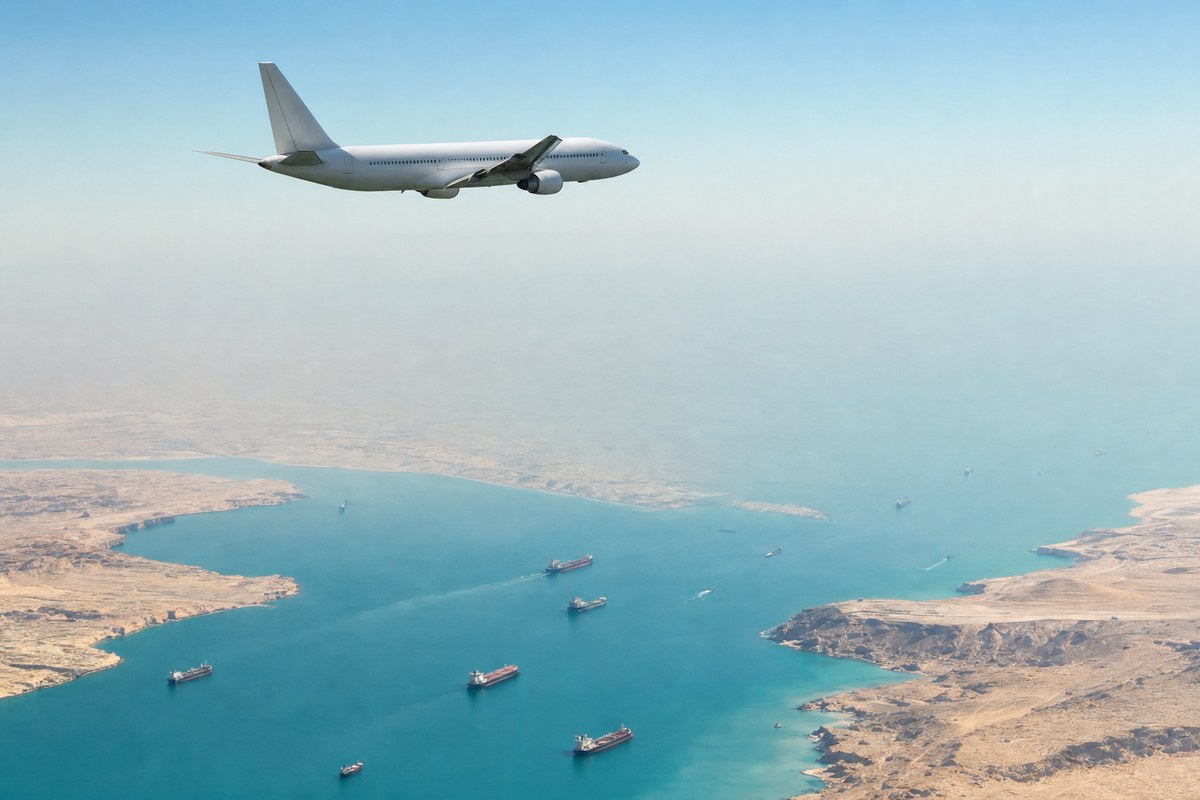
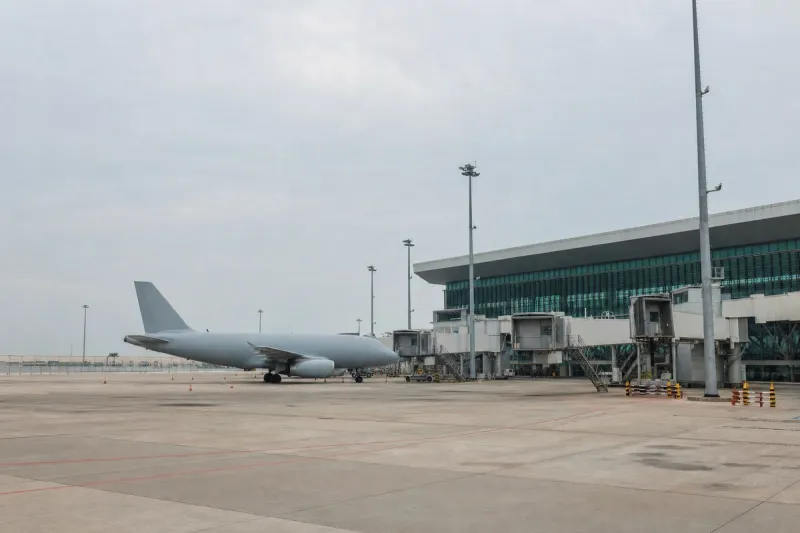
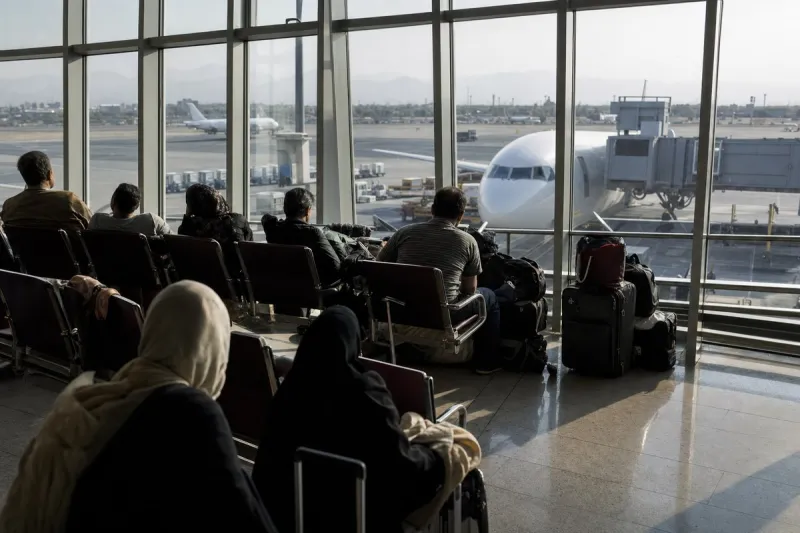
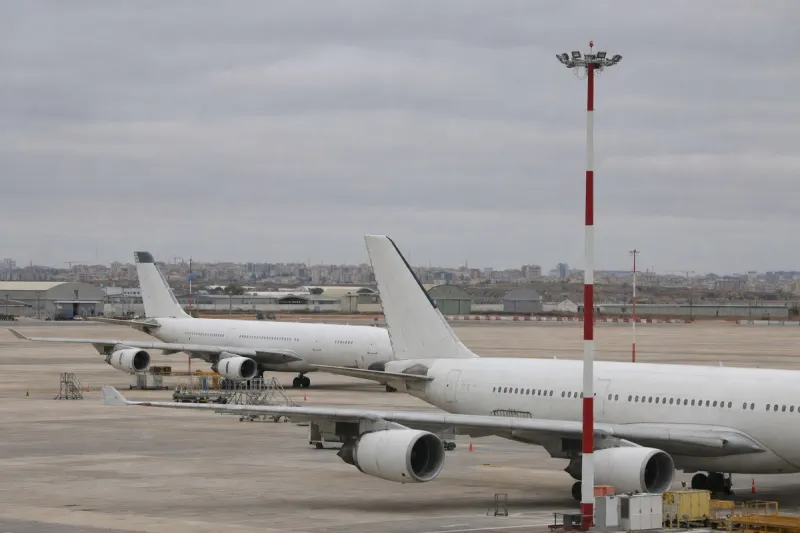
On the aviation front, U.S. sanctions on Iran's aviation industry have been expanded, and multiple countries have introduced additional restrictions on Iranian aviation flights and services. Iraq separately requested that the United States exempt certain airports from sanctions to allow Iranian flights to resume for humanitarian purposes, including medical treatment, education, and religious travel.
Iran had suspended use of the strategic waterway as diplomatic leverage, signaling it could reopen it as part of a broader deal to end the conflict.
Industry impact & what to watch
This case shows how aviation sanctions are being layered onto a broader security standoff rather than applied as an isolated regulatory measure. When a waterway used for leverage and an aviation sanctions regime move in tandem, flight access becomes one more pressure point in a wider negotiation rather than a purely technical compliance matter.
For humanitarian-carve-out requests like Iraq's, this segment typically works through case-by-case exemption processes tied to specific airports and purposes rather than blanket relief, meaning any resumption of Iranian flights would likely stay narrow even if granted.
The next signal to watch is whether the United States issues the more formal response Iran says it is waiting for through mediators, and whether Iraq's exemption request for specific airports receives any answer.