Oneglobal's Gary Moran joins illegal charter panel at Corporate Jet Investor Asia 2026 in Singapore
Why It MattersThe discussion underscores that private-use insurance can leave insurers, operators and brokers exposed when an aircraft is flown commercially outside its policy terms.
What happened
Gary Moran, Head of Aviation at Oneglobal, took part in a panel titled "Dealing with an illegal charter gone wrong" at Corporate Jet Investor Asia 2026, held on 15 and 16 September at the Raffles City Convention Centre in Singapore. The conference drew more than 260 decision-makers from across the business aviation industry.
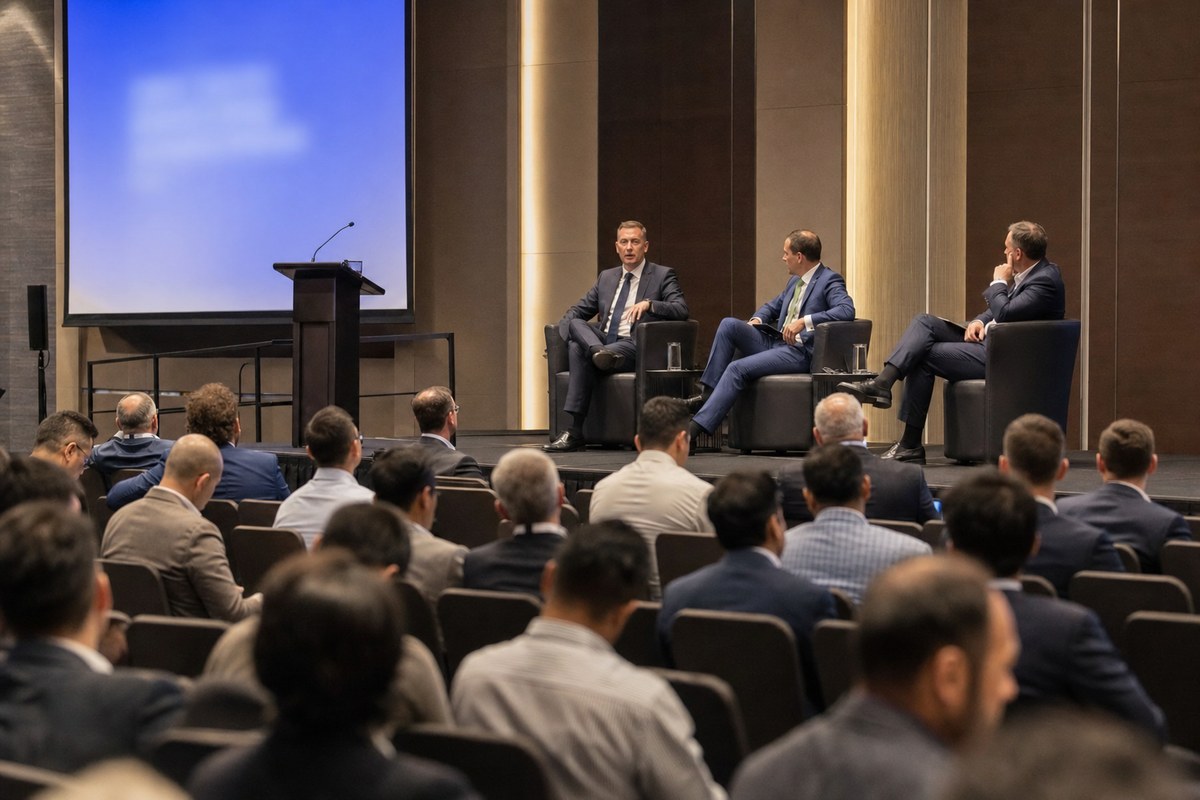
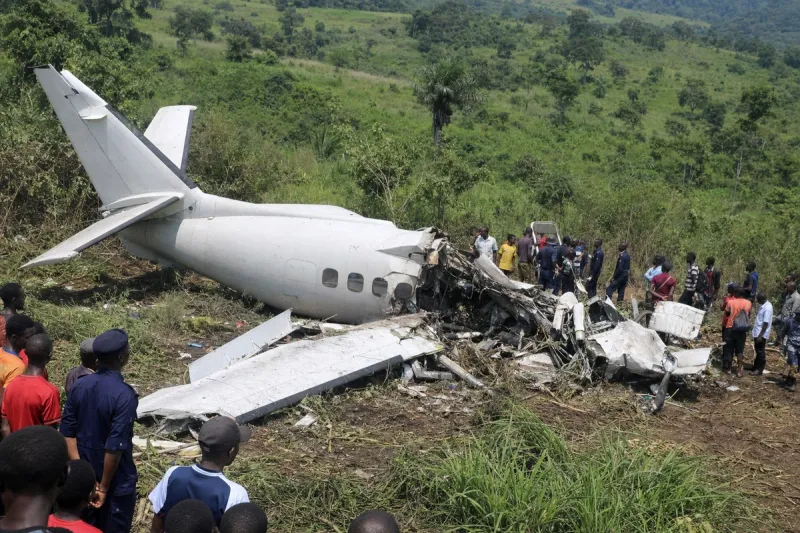
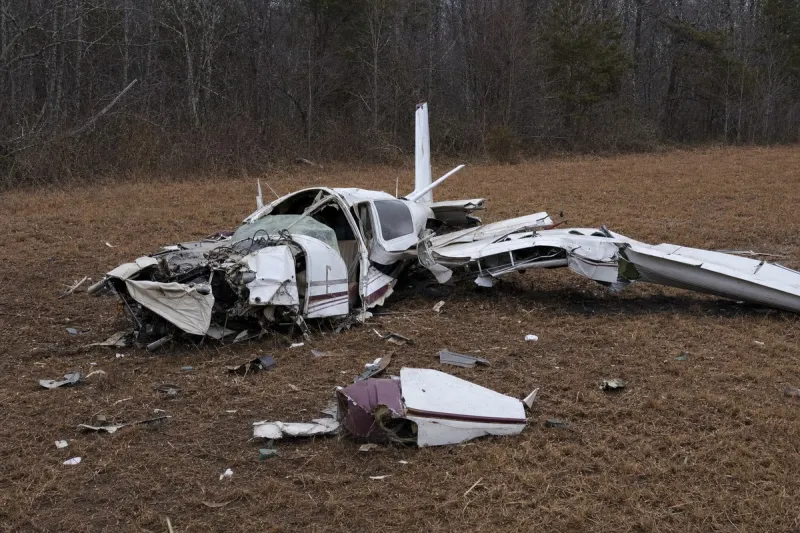
The panel was moderated by Alasdair Whyte of Corporate Jet Investor and also included David Hernandez of Vedder Price. Panellists distinguished illegal charter — flights sold for hire without the operator holding the required commercial approvals — from grey charter, described as arrangements falling in the uncertain space between private and commercial use. They traced the consequences of an incident step by step, addressing liability and exposure for insurers, operators and charter brokers, and raised the point that insurance cover arranged for private use may not respond when an aircraft has been operated commercially outside the terms of the policy.
Oneglobal is an international specialty insurance and reinsurance broker founded in 2018 through the merger of Lloyd's brokers SSL and Endeavour. The firm operates across 14 countries and has placed more than $1.2 billion in premium over the three years from 2023 to 2026, with aerospace and aviation among its core specialty lines.
Industry impact & what to watch
The panel's core point — that a private-use policy may not respond once an aircraft is flown commercially outside its terms — describes a coverage gap that sits at the boundary between insurance underwriting and operational compliance in business aviation. Grey charter exists precisely because that boundary is not always clean: an arrangement can look private on paper while functioning commercially in practice, leaving brokers, operators and insurers to work out after the fact whether a policy actually attached.
In this segment, liability tends to cascade rather than settle on one party: a broker who placed a flight, an operator who accepted it, and an insurer who wrote the underlying policy can each face exposure once a claim reveals the true nature of the arrangement. That is why specialty aviation brokers use forums like this one to walk through incidents step by step, mapping where cover holds and where it breaks down before a real claim forces the question.
What happens next depends on whether operators and brokers tighten how they verify commercial approvals before a flight is sold, rather than after an incident exposes the gap.