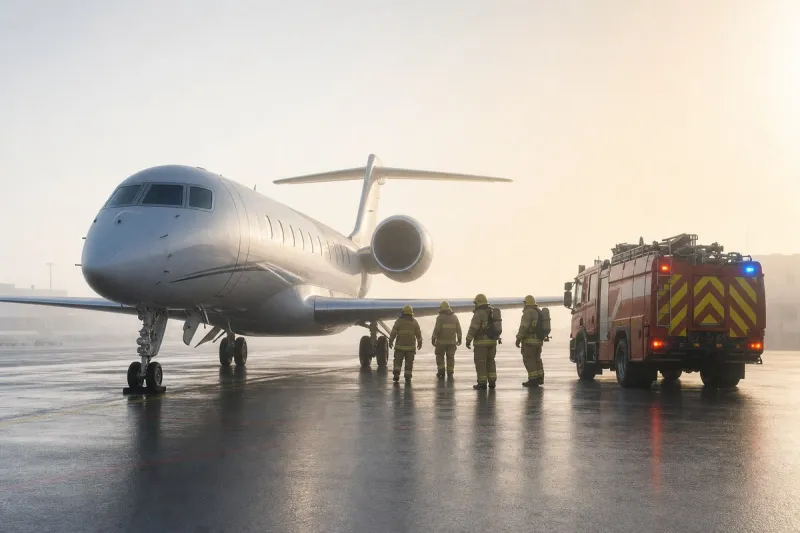
FAA Equipment Outage at Philadelphia Control Facility Cancels 1,000-Plus Flights, Delays 6,000 Across Northeast on September 21
Why It MattersThe episode shows how a single-point failure in aging air traffic communications infrastructure can cascade into nationwide disruption when backup systems share physical vulnerabilities.
What happened
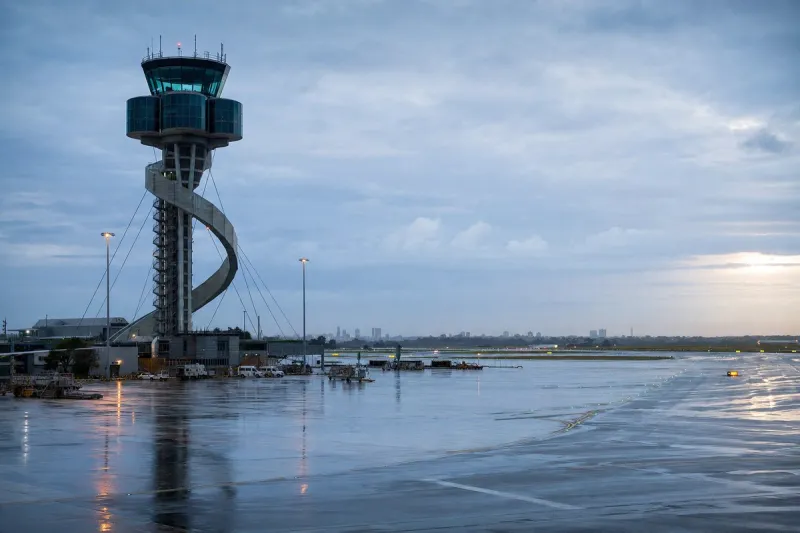
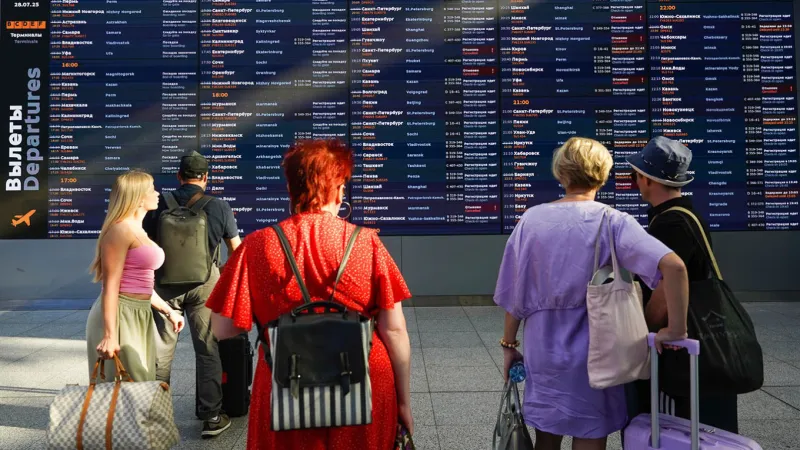
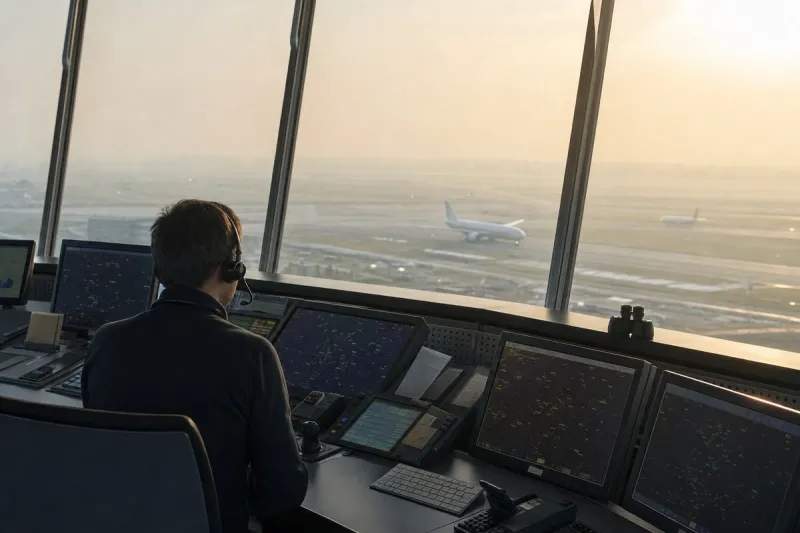
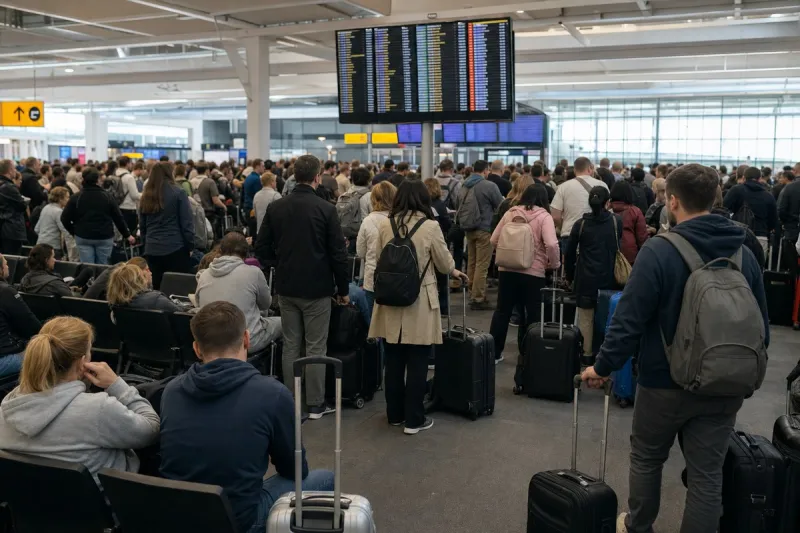
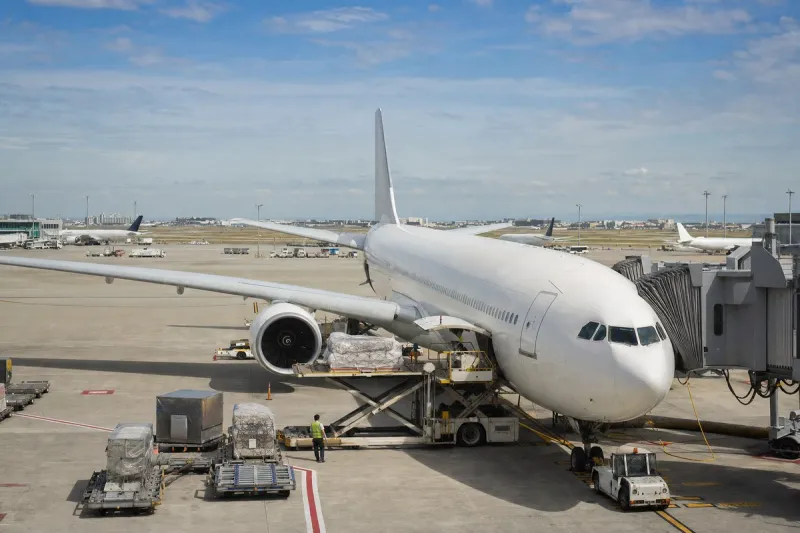
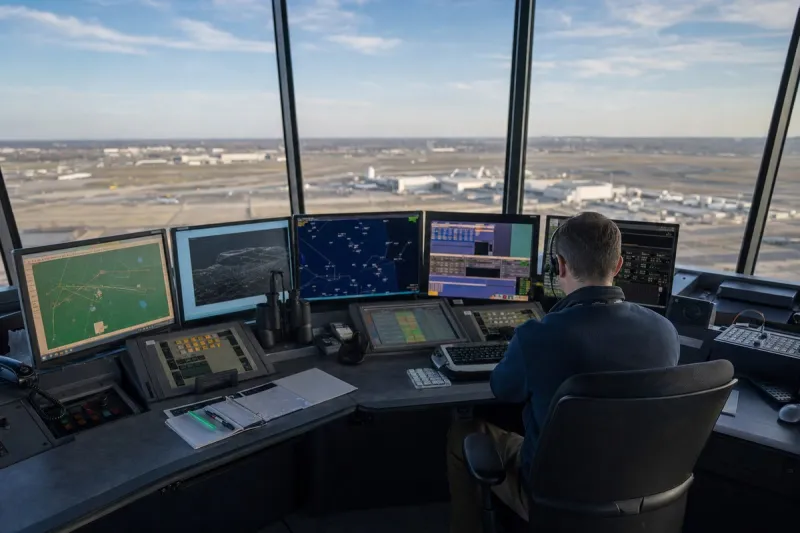
A failure at a Federal Aviation Administration air traffic control facility in Philadelphia triggered a major air travel disruption across the northeastern United States on September 21, canceling more than 1,000 flights nationwide and delaying more than 6,000. The disruption began when a primary communications circuit failed at the Philadelphia facility; when the FAA attempted to switch to a backup system, officials discovered that a separate fiber-optic line in New Jersey had also been severed, cut accidentally by a construction crew working on an NJ Transit project between New Brunswick and North Brunswick.
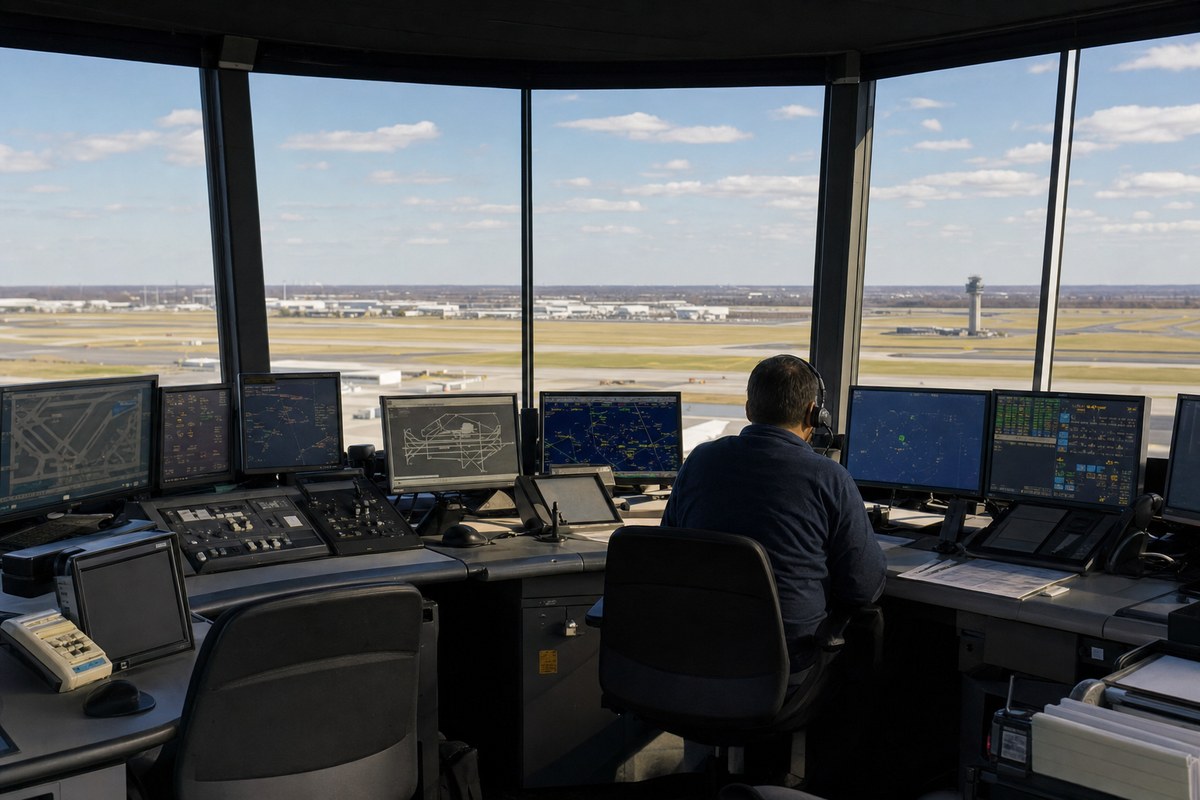
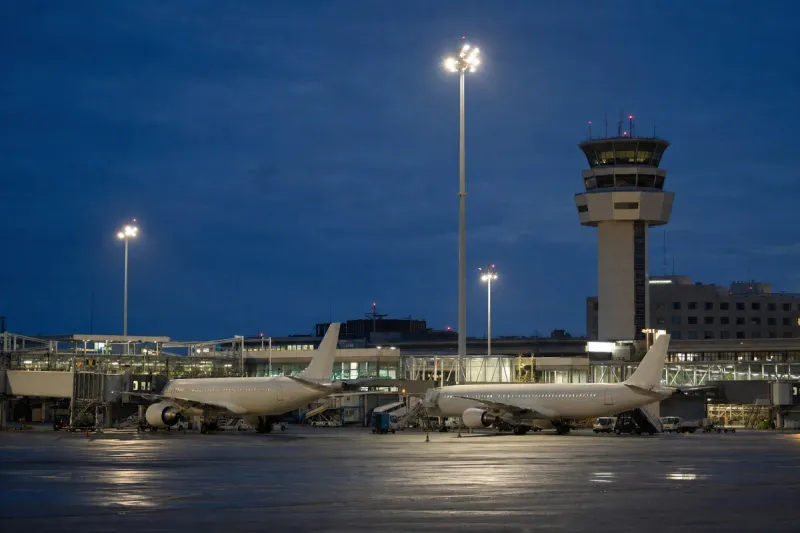
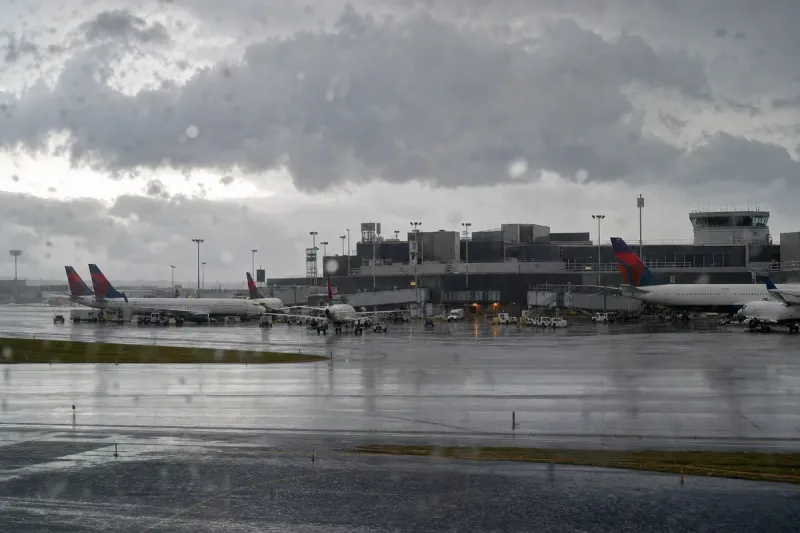
The FAA responded by restricting traffic and temporarily closing portions of Northeast airspace while technicians worked to restore communications. Ground stops and other traffic restrictions affected Newark Liberty International Airport, Philadelphia International Airport, John F. Kennedy International Airport and LaGuardia Airport. FAA Administrator Bryan Bedford confirmed the sequence of failures: after the primary circuit failed, the agency attempted to switch to a backup connection, only to find that the backup fiber line in New Jersey had been cut.
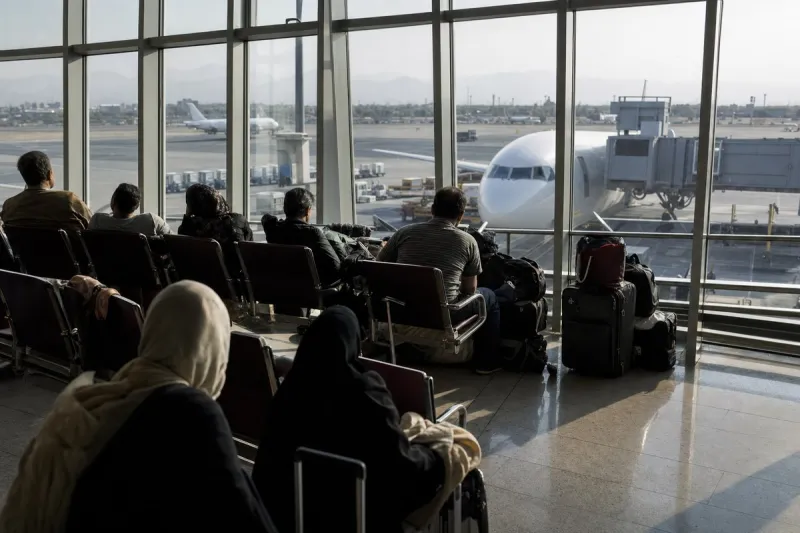
Transportation Secretary Sean Duffy announced Monday evening that the damaged telecommunications lines had been repaired and that airport operations across the Northeast were resuming, though officials warned passengers would continue to experience delays as airlines worked to clear the accumulated backlog. United Airlines, which operates a major hub at Newark, said Monday evening it was no longer canceling domestic flights from the airport for the remainder of the day and issued a travel waiver for affected customers.
Industry impact & what to watch
This incident belongs to a category of failures where a primary system and its designated backup turn out to share a physical point of vulnerability, so a single external event — here, construction work severing a fiber line — can take down both at once. Air traffic communications for some of the busiest airspace in the country depend on circuits and fiber routes that controllers themselves cannot see or reroute around in real time, which is why the loss cascaded into ground stops at Newark, Philadelphia, JFK and LaGuardia rather than staying contained to one facility.
Secretary Duffy and Administrator Bedford have pointed to the event as further evidence for additional funding and modernization of aging communications systems, a call that has followed a series of earlier aviation infrastructure disruptions. Whether that translates into redundant, physically separated backup routing for facilities like Philadelphia's is the concrete step to watch, since the same construction-related failure mode could recur wherever backup lines run alongside primary ones rather than on an independent path.