Australia's Airlines Warn Against Plan to Remove Sydney Airport Controllers During Overnight Curfew Hours
Why It MattersChronic controller shortages force air navigation providers to weigh reduced overnight coverage against overtime-driven fatigue risk, leaving airlines to absorb disruption while staffing solutions are negotiated.
What happened
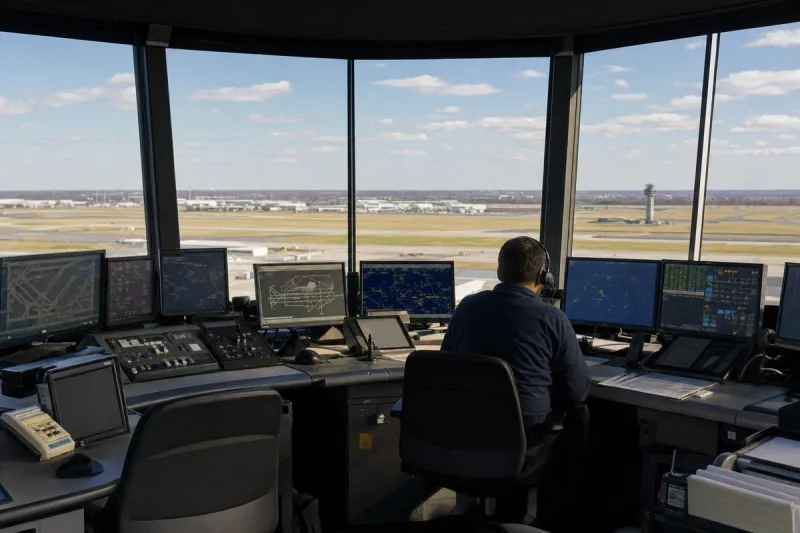
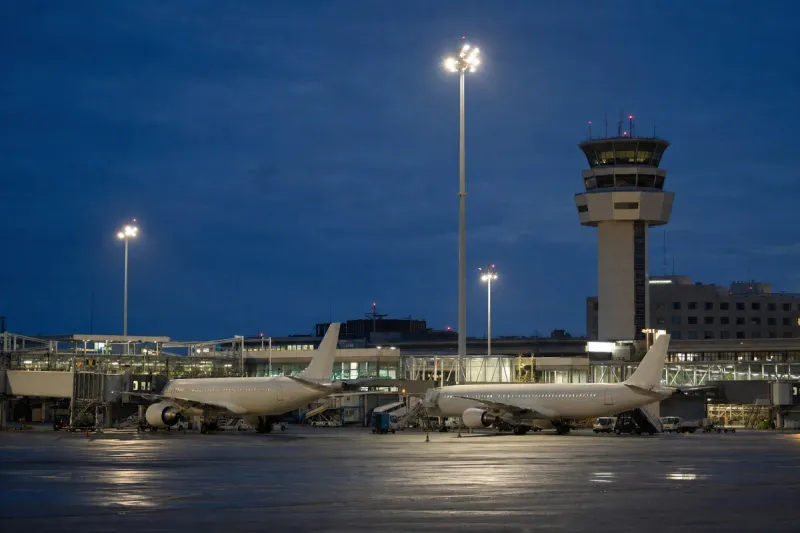
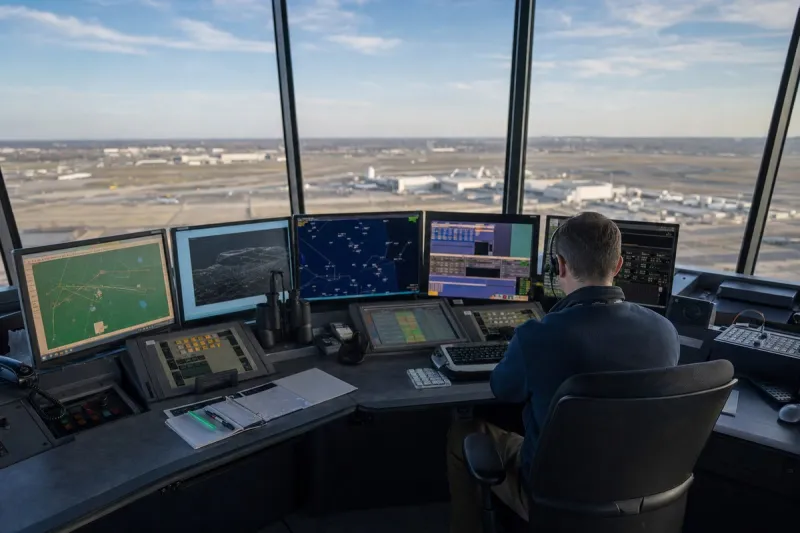
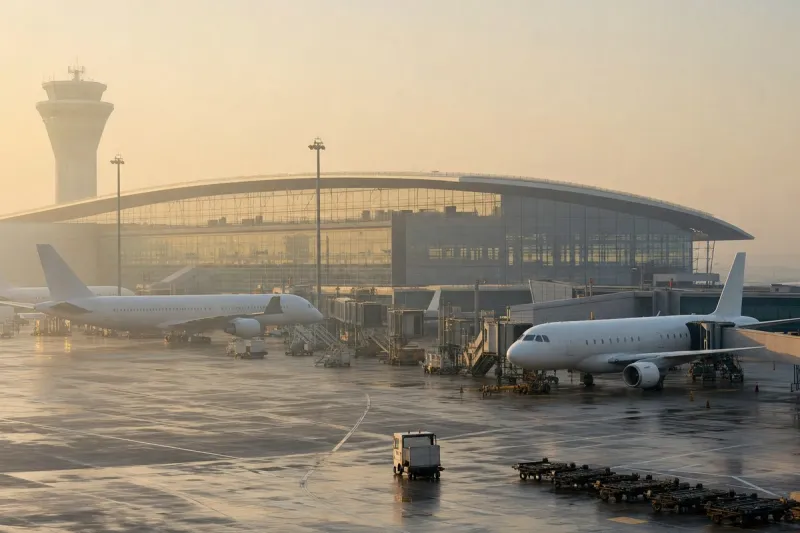
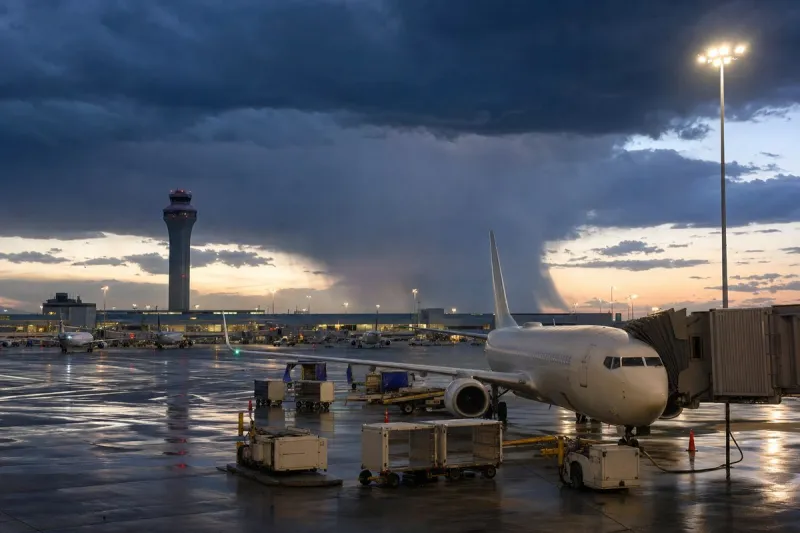
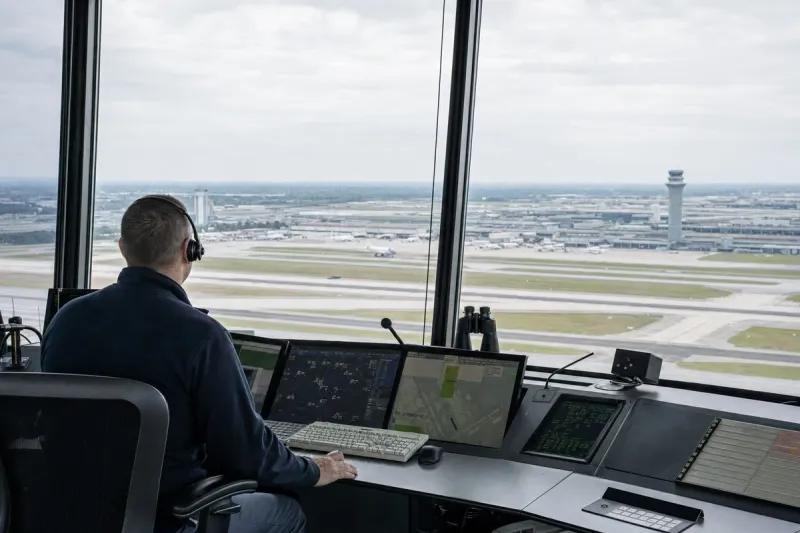
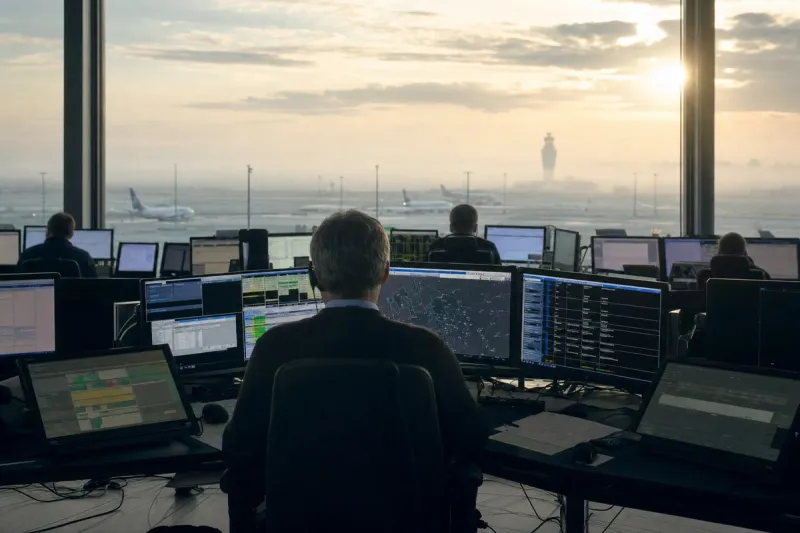
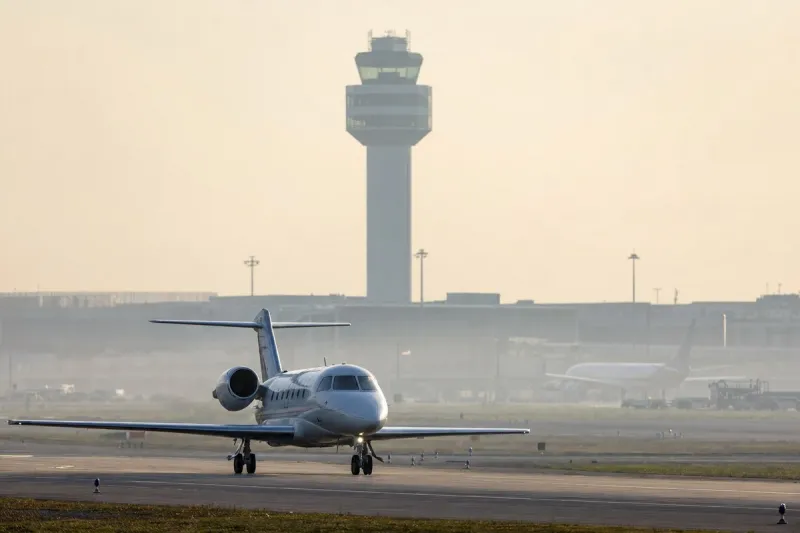
Airlines for Australia and New Zealand chief executive Stephen Beckett has raised safety concerns over a proposal by Airservices Australia to leave Sydney Airport's control tower unstaffed between 11pm and 5am, the period covered by the airport's overnight curfew. The measure is part of an air services resilience plan intended to address a chronic shortage of air traffic controllers, and would let controllers currently assigned to overnight shifts be redeployed to other shifts to fill persistent roster gaps.
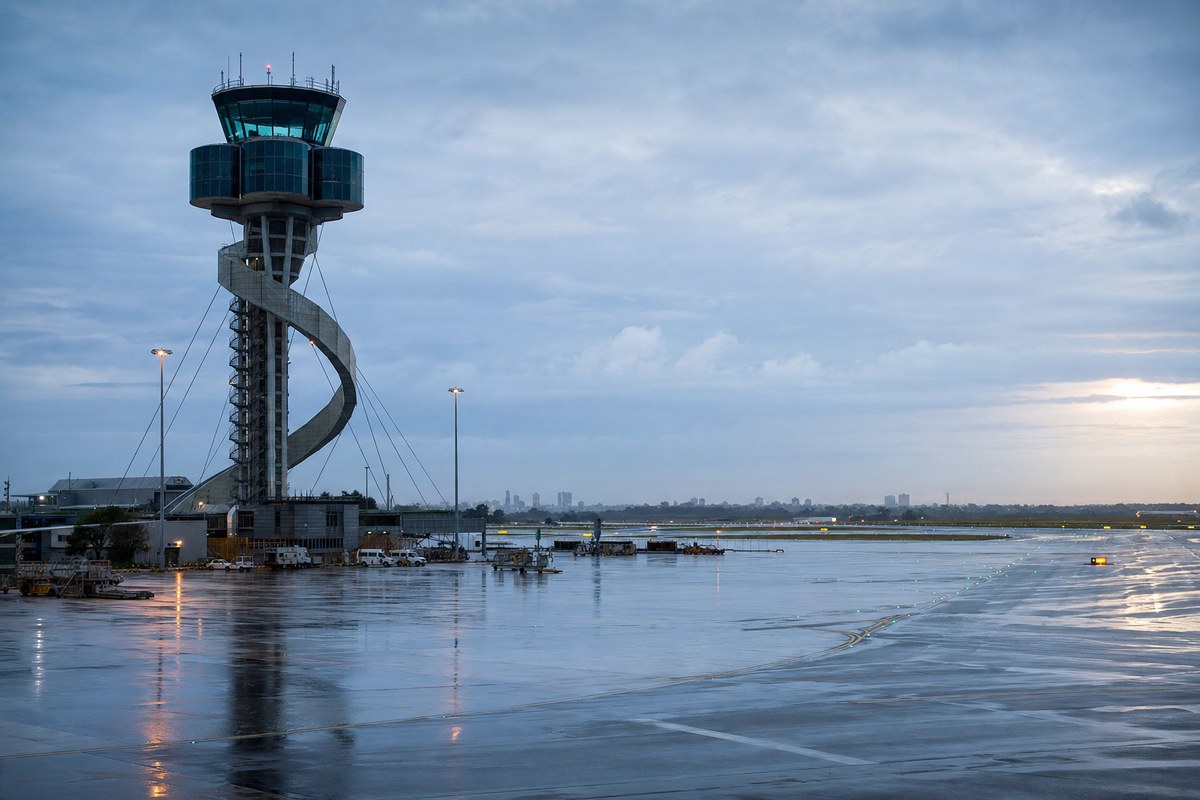
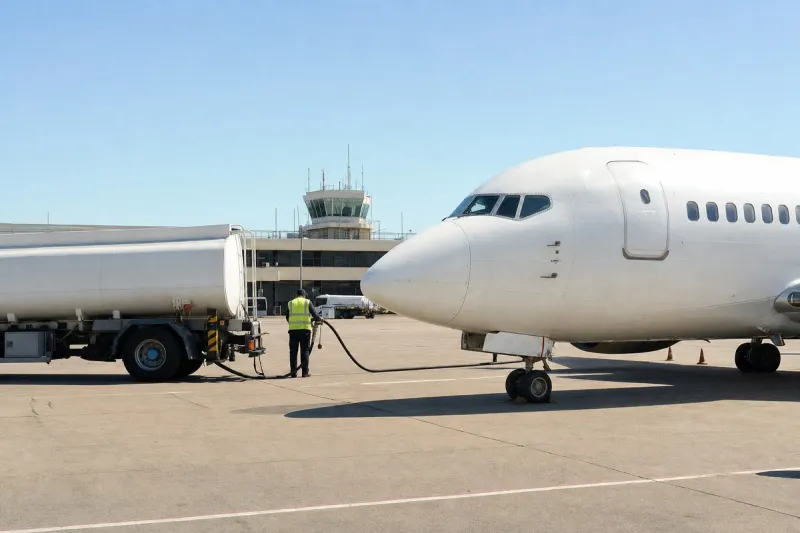
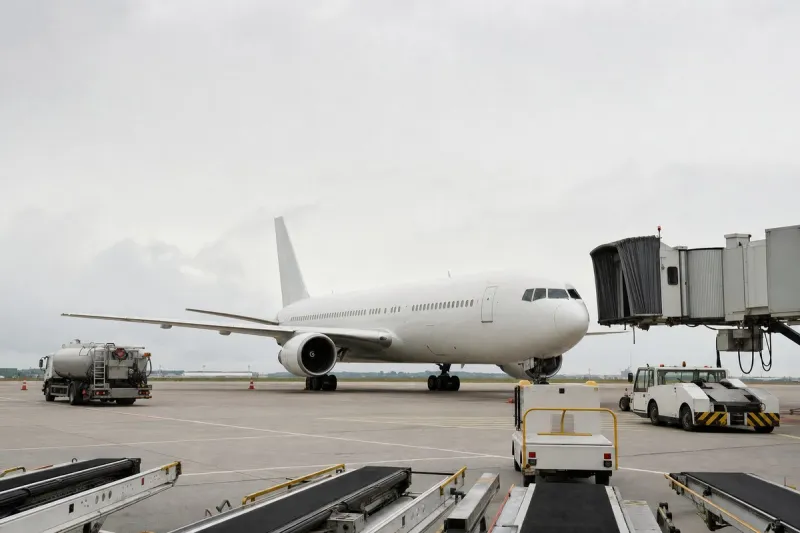
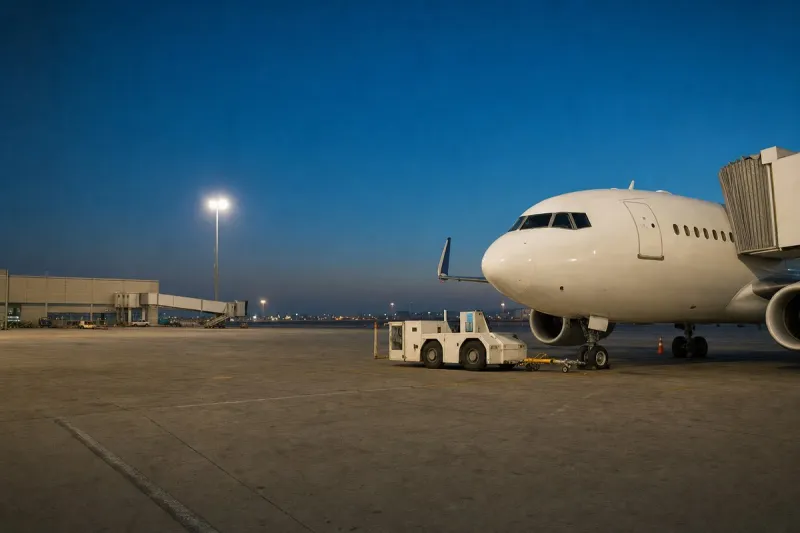
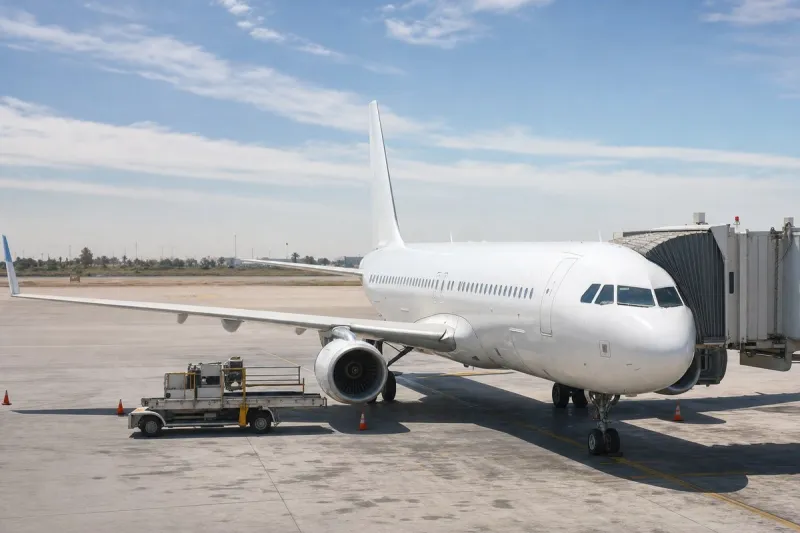
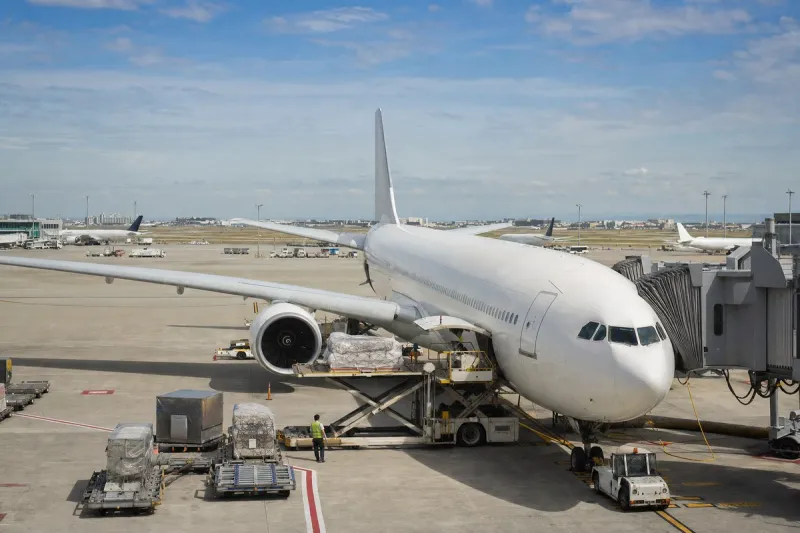
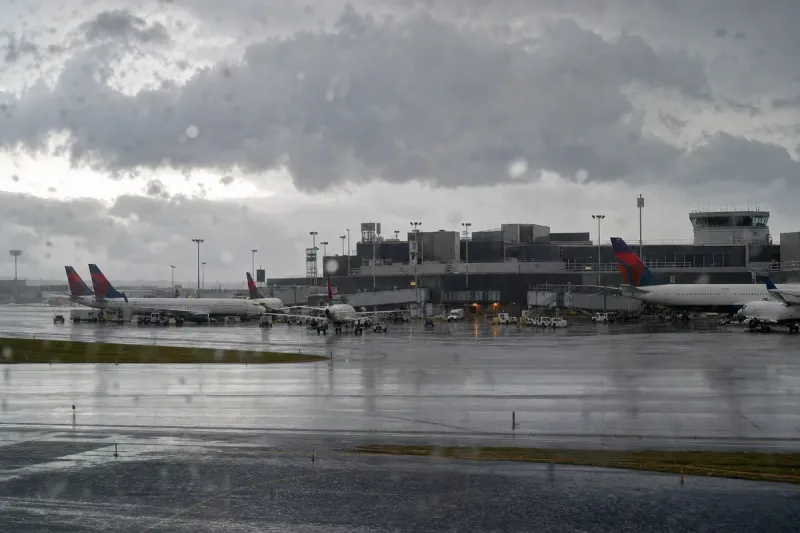
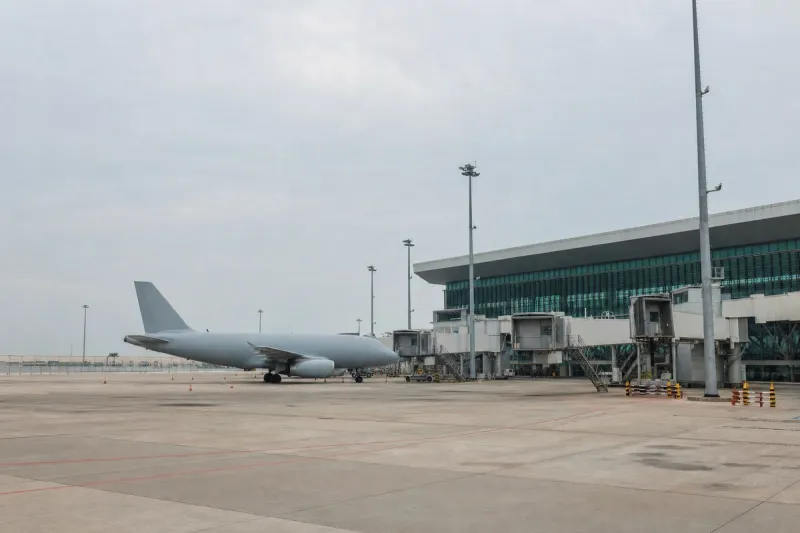
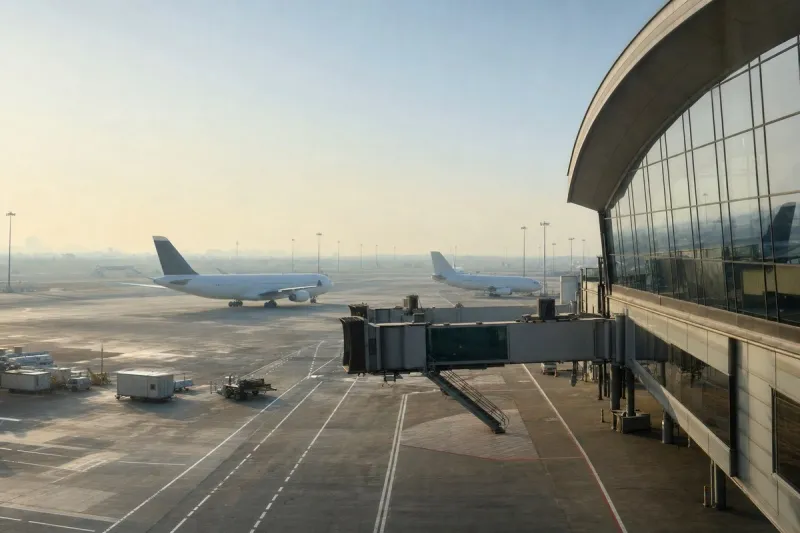
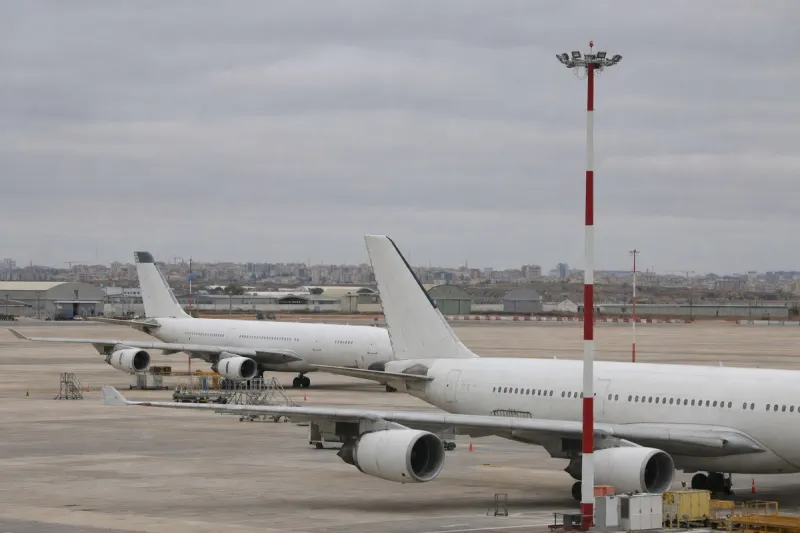
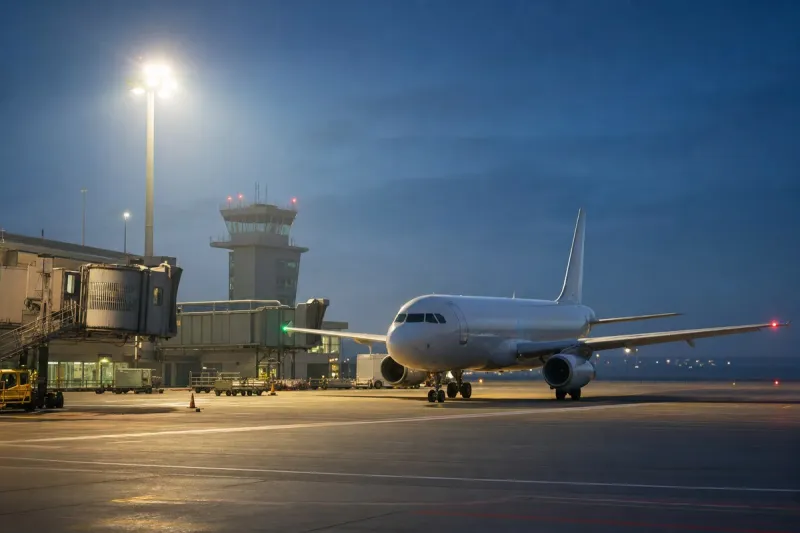
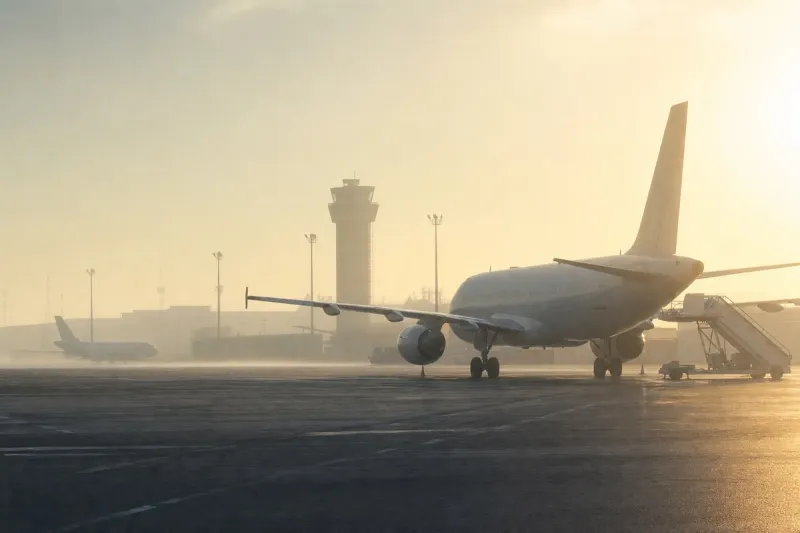
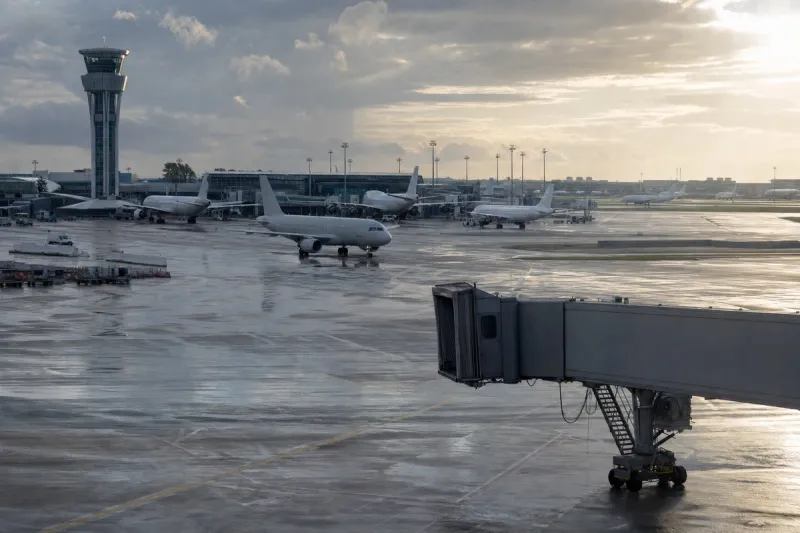
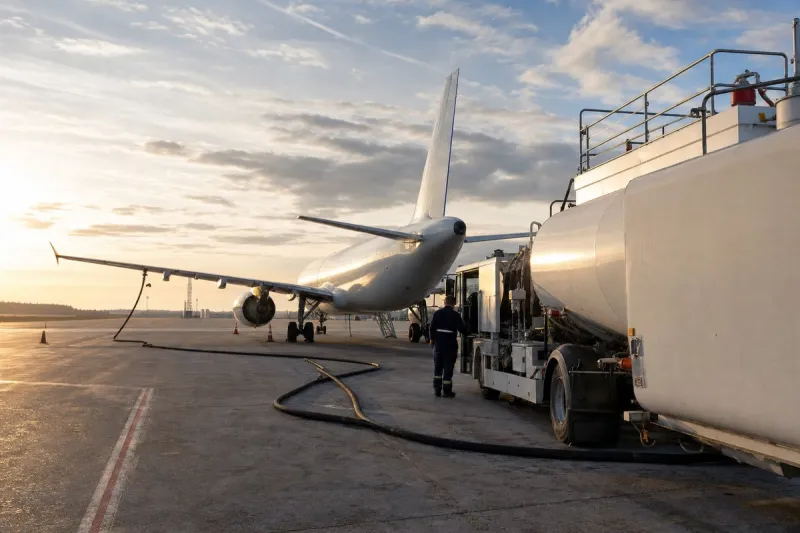
Beckett told radio station 2GB that significant aircraft activity continues during those hours even though scheduled passenger flights are prohibited by the curfew: aircraft are repositioned between terminals, maintenance work is carried out, and planes cross runways preparing for morning departures. "One of the concerns we have is that even though planes aren't scheduled to land between those curfewed hours, there's lots of aircraft being moved around," he said. "There is a lot of maintenance that happens after hours."
Beckett said the root cause was an insufficient number of controllers rather than how existing staff were rostered. Records reported last month showed one Sydney-based controller had logged more than 900 hours of overtime over a 12-month period, while eight of 17 controllers in the records had logged more than 200 overtime hours each, with some working stretches of ten days on with only one day off. "Every month when Airservices Australia publishes its roster, it's often not a full roster, so they're relying on people to do overtime well and above their normal hours," Beckett said. "They simply don't have enough people to keep the rosters filled."
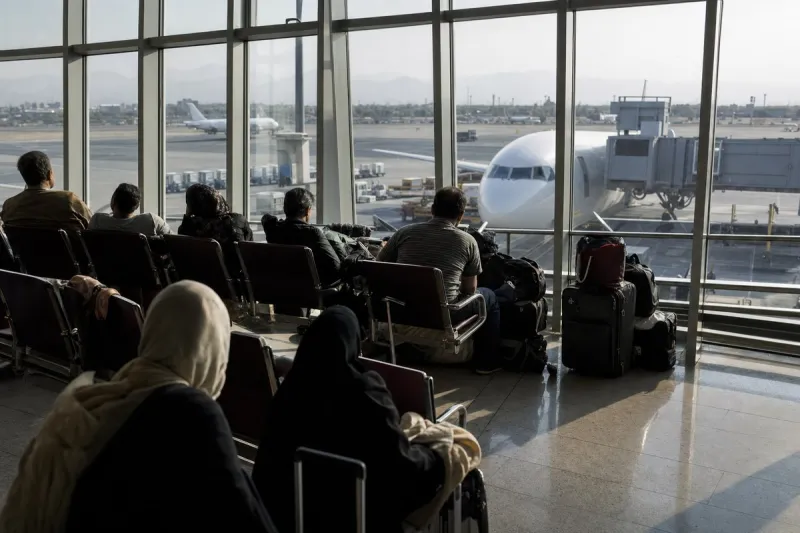
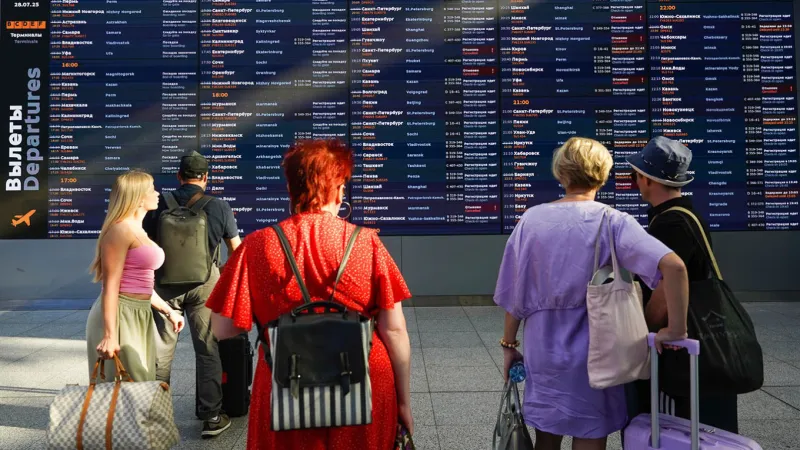
Beckett said more than 100,000 passengers had their flights disrupted in August alone because Airservices did not have sufficient staff on duty. Representatives from Airservices Australia, aviation authorities and the federal government were expected to meet on Monday to discuss the measures, of which the tower staffing change is one option among several under consideration.
Recent incidents under review
The staffing debate coincides with Australian Transport Safety Bureau investigations into a series of recent incidents at Sydney Airport involving aircraft movements. One involved a Virgin Australia Boeing 737 and a Qantas Boeing 737; another involved a Jetstar Airbus A320 being pushed back while a Bombardier Dash 8 taxied behind it. The ATSB said there was no immediate risk of collision in either case and that crews responded appropriately, and the causes remain under investigation.
Beckett said airlines had been raising the staffing issue for years, attributing part of the shortage to staff reductions made during the COVID-19 pandemic that have not since been reversed.
Industry impact & what to watch
The dispute illustrates a broader tension in air navigation services: when controller numbers run short, providers can either keep positions staffed through overtime, accepting fatigue risk, or reduce coverage during lower-traffic windows, accepting that non-scheduled movements still occur without a controller in the tower. Airlines argue the second option ignores that curfew hours are not traffic-free — repositioning, maintenance taxiing and runway crossings continue regardless of whether passenger flights are permitted to land.
How air navigation providers staff towers against actual movement volume, rather than scheduled flight counts alone, is the underlying question this proposal exposes. Overtime records already show individual controllers working far beyond normal hours, which is itself a safety variable independent of any tower-hours change.
The Monday meeting between Airservices Australia, aviation authorities and the federal government is the next point where the proposal's fate will be decided, alongside whatever other resilience options are on the table. The ATSB's findings on the recent Sydney Airport incidents, once released, will also weigh on how much scrutiny any reduction in overnight coverage receives.