Yemen Military Warns Houthi-Modified Iranian Missiles Threaten Civilian Aircraft Over Southern Red Sea
Why It MattersWhen heat-seeking weapons cannot distinguish military from civilian targets near active air corridors, airlines and regulators must treat entire regions as unsafe rather than relying on precise routing to manage risk.
What happened
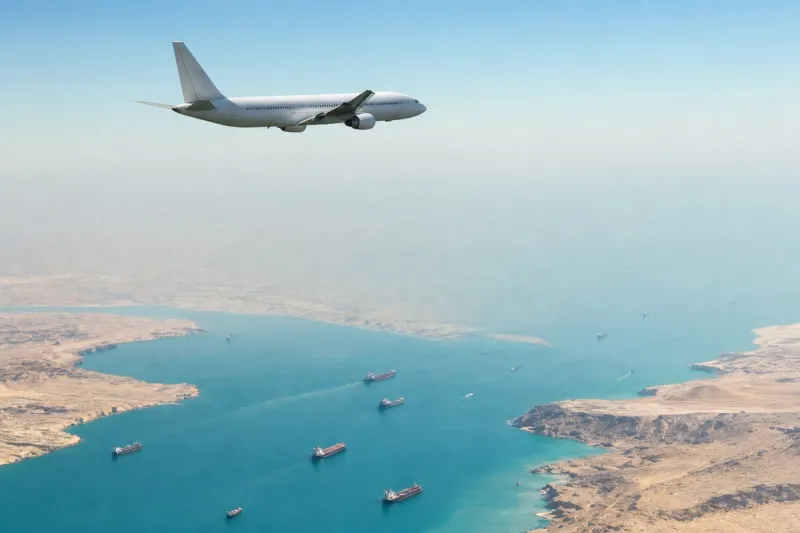
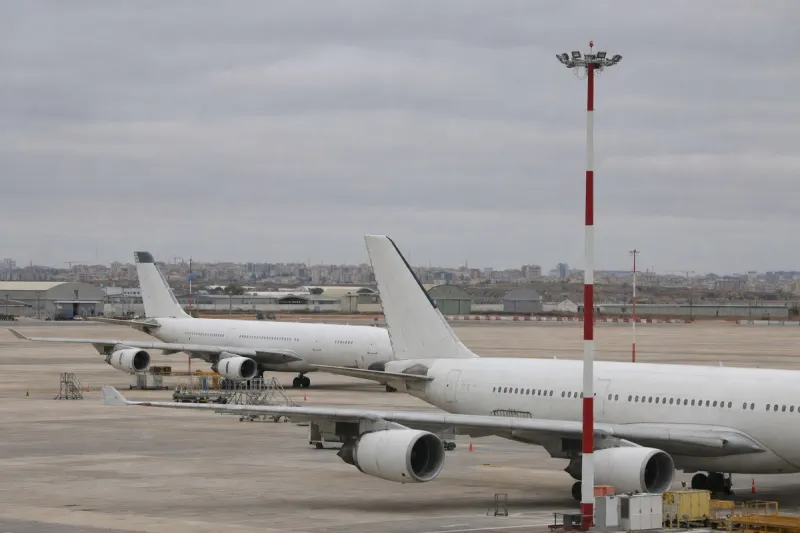
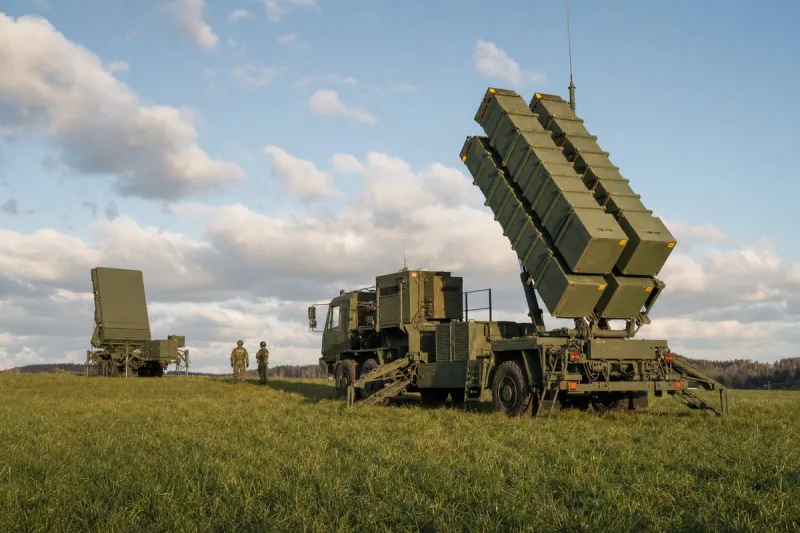
Yemen's military said on Saturday that weapons used by Houthi forces directly threaten civilian aircraft and international flight routes over the southern Red Sea. Military spokesman Majid al-Nazili said the Houthis had converted Iranian air-defense weapons into heat-seeking cruise missiles and were launching them from the western Hodeidah province toward international air corridors.
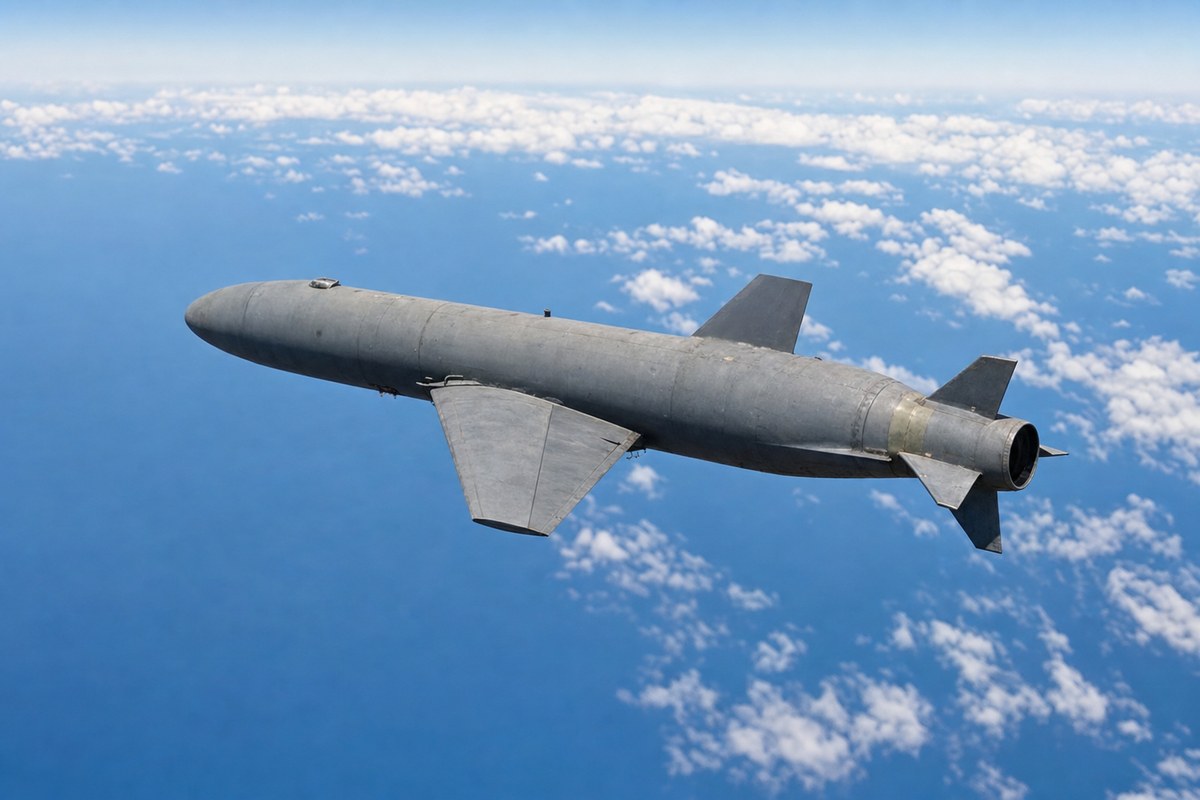
Al-Nazili said the missiles can remain airborne for up to 25 minutes and, because they use heat-seeking guidance, cannot distinguish between military and civilian targets. He said the weapons could endanger commercial aircraft as well as UN and humanitarian flights operating in Yemen and the broader region, calling their use a serious escalation that extends beyond Yemeni airspace. He linked the development to recent statements by senior Iranian officials threatening to disrupt aviation services in the region following sanctions on Iranian airlines. Neither the Houthis nor Iran commented on the claims.
Yemen has been in conflict since Houthi forces seized the capital Sanaa and several provinces in 2014, prompting a Saudi-led Arab coalition to intervene in 2015 in support of the internationally recognized government. Renewed fighting broke out in July after the Houthis declared a maritime blockade on Riyadh. The group has also claimed advances along the Red Sea coast and the Bab el-Mandab Strait and has targeted Saudi oil infrastructure.
Industry impact & what to watch
This warning fits into a wider pattern in the region of ground-based weapons systems creating overflight risk for civil aviation, where the threat is not aimed at aircraft specifically but cannot be filtered from them once launched. Airlines and regulators dealing with this kind of exposure typically respond by widening avoidance zones or raising cruising altitudes over the affected corridor rather than attempting to verify each threat in real time, because a heat-seeking weapon with no target discrimination leaves no margin for a case-by-case judgment.
What happens next will depend on whether the Houthis or Iran respond to these claims, and on whether the referenced Iranian threats to disrupt aviation services following sanctions on Iranian airlines translate into further statements or aviation notices. Any formal guidance from Yemen's aviation authorities, the UN, or international carriers on southern Red Sea corridors would be the clearest signal of how seriously the claim is being treated.