Gulf Corridor Constraints, Expanded Sanctions Exposure, Asian Monsoon Disruption and US Regulatory Changes Shape Charter Aviation Risk
Why It MattersWhen multiple regional disruptions stack simultaneously, charter and fractional planners must build in verification steps and buffer time rather than relying on single-route contingency plans alone.
What happened
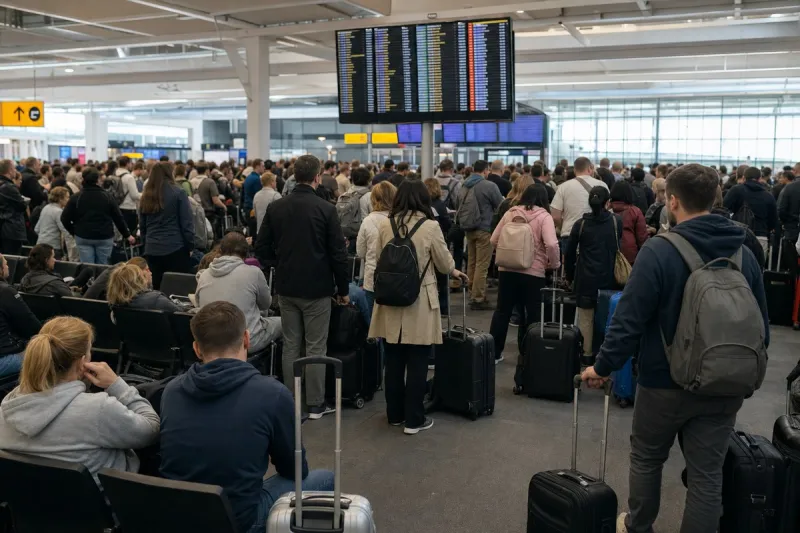
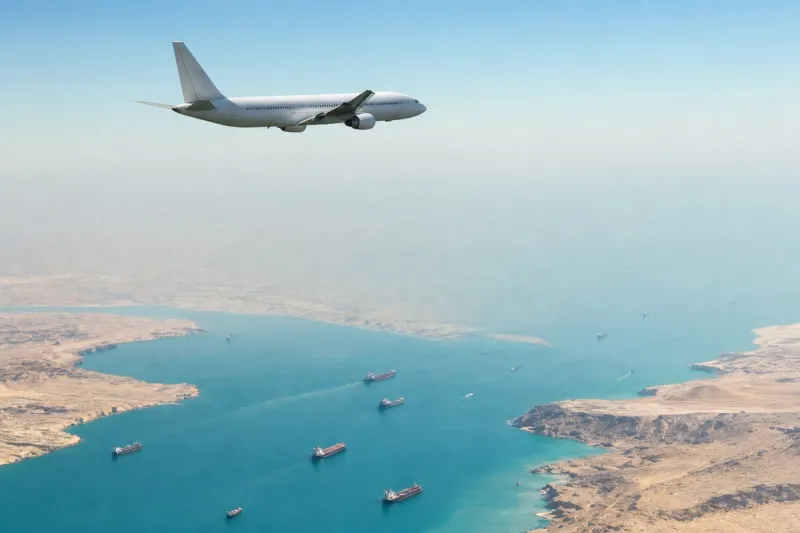
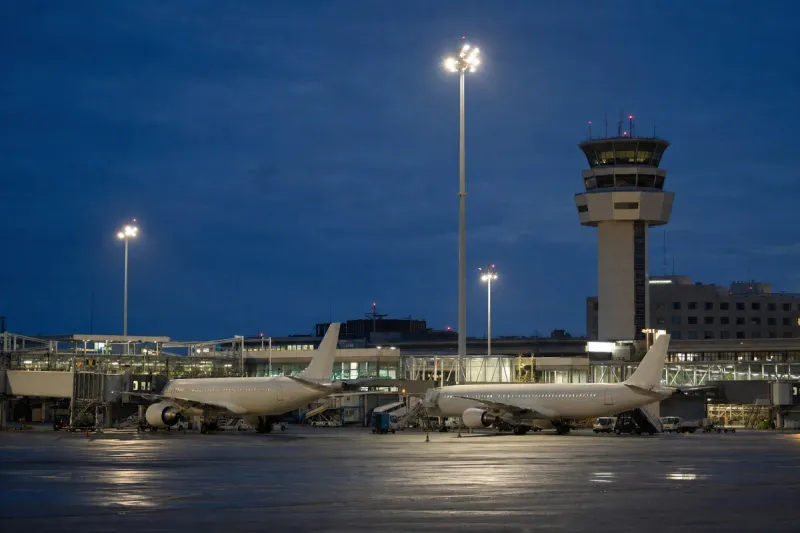
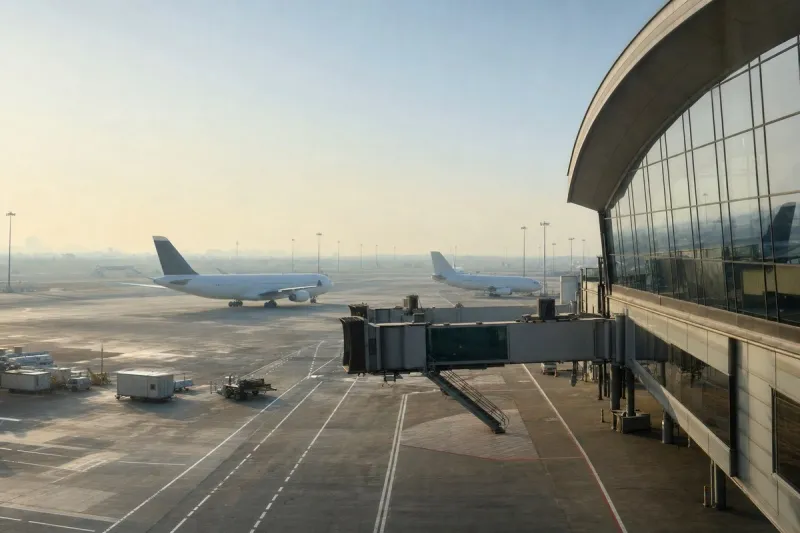
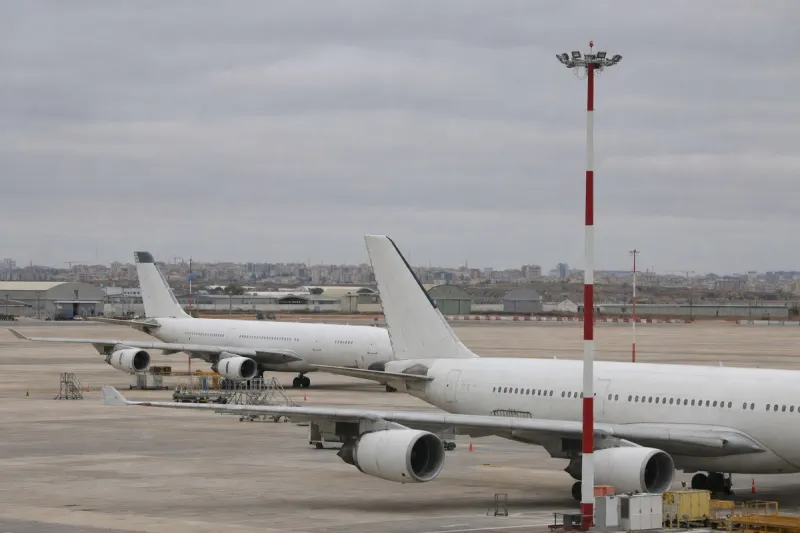
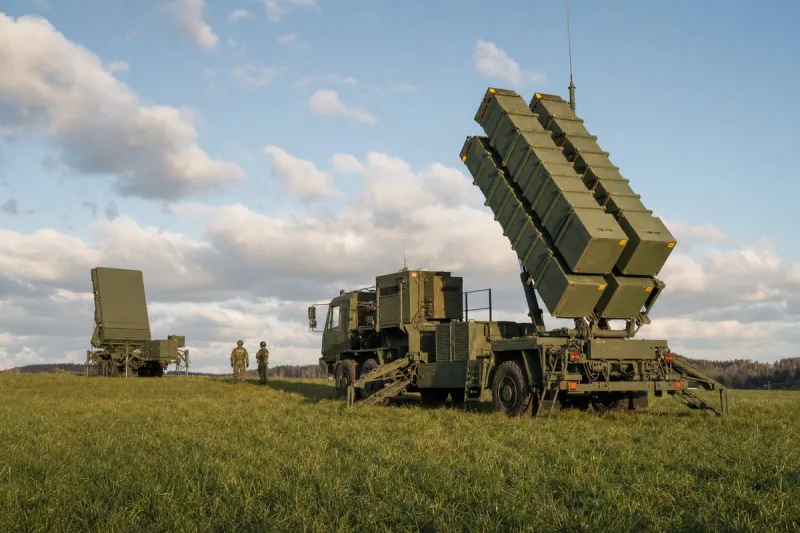
Conflict involving the United States, Israel and Iran continues to compress capacity across the Gulf corridor without producing a blanket airspace closure. Dubai and Abu Dhabi continue handling international services, but carriers report rerouting and short-notice flight-time changes as routine. The Incheon–Dubai route has been suspended until further notice, and Air France, Wizz Air and British Airways have extended existing suspensions. A Doha-related travel alert runs from late February 2026 through early January 2027, with rebooking permitted into mid-January.

Iran presents a more severe problem. Emirates is no longer operating to Tehran. Lufthansa and Austrian Airlines have suspended flights to and from Iran until at least 24 October 2026 and have said they cannot guarantee resumption after that date. Turkish Airlines has suspended flights to Iran until at least March 2027. The UAE suspended Iranian carriers from operating to and from the country effective 24 September, following a US ban, with no end date announced; Iraqi government sources indicated Baghdad would follow suit. The US Treasury has stated that entities providing fuel, landing services or ticketing to affected Iranian carriers risk exclusion from the dollar system, an exposure that reaches FBOs, handling agents and fuel suppliers, not just airlines. An oil facility at Abqaiq in eastern Saudi Arabia was struck in late July, and tensions rose again on 27 September as Iran awaited a formal US response on the Strait of Hormuz and Israel announced diplomatic expulsions.
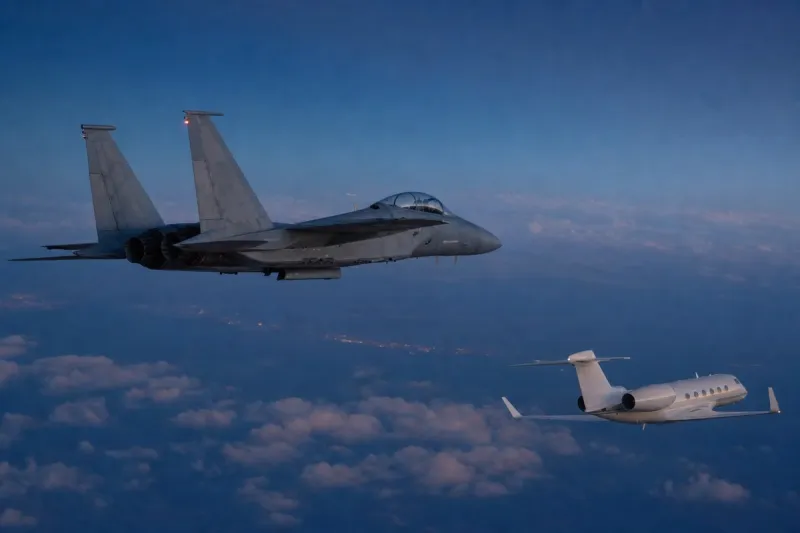
In US airspace, NORAD fighters intercepted five general aviation aircraft that violated the temporary flight restriction over Chicago on 28 August. More than ten general aviation aircraft entered restricted airspace during presidential movements over Bedminster and East Rutherford, New Jersey in July; three were intercepted and at least two were flared. On 27 September, at least ten intercepts were conducted, with flares used in at least two cases involving a Cessna and a Robinson R-22. NORAD has specifically highlighted repeated violations in Texas.
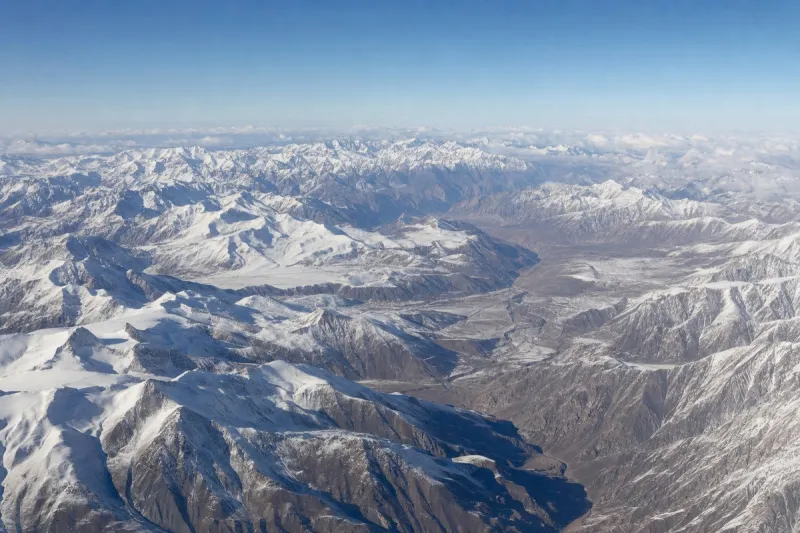
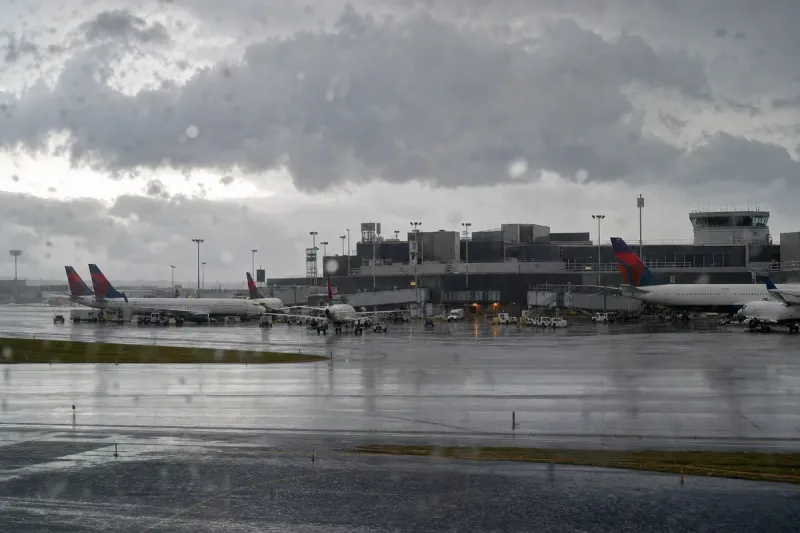
Bangkok recorded more than 12 inches of rain over a single weekend, flooding roads and homes and prompting the government to close public offices in the capital and surrounding provinces on Monday and Tuesday. One account cites more than 84,000 people affected across 21 provinces; another puts the national figure at 41 flooded provinces since 16 September, at least eight deaths, more than 580,000 homes disrupted and damages estimated at 320 million US dollars. In Nepal and northern India, avalanches, floods and landslides have trapped dozens of travellers in the mountain village of Samagaun, with casualty figures varying between at least 70 and at least 19 deaths, and earlier flooding on the Nepal–China border reported to have killed at least 1,400 people. In Japan, Typhoon Dujuan killed at least six people, left six missing and damaged more than 470 buildings in the east of the country.
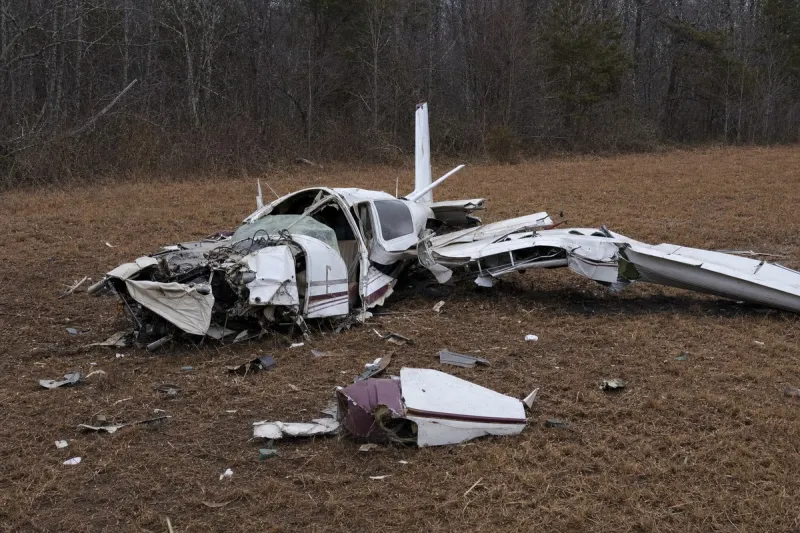
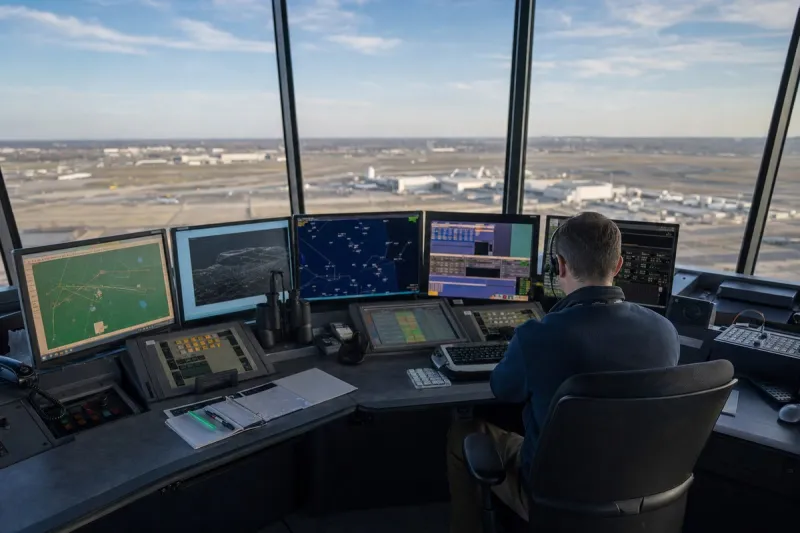
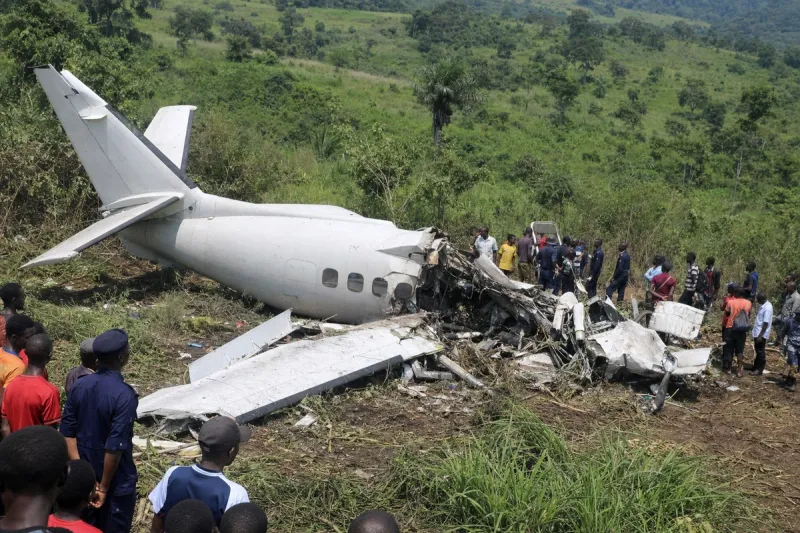
The FAA has rescinded its long-standing single-pilot exemption for larger Citation jets certificated under Part 25, citing accident rates and oversight weaknesses. In the United Kingdom, the regulator's inquiry into the recent NATS air traffic management outage is due to report initially to government by the end of January. In Myanmar, the military is using motorised paragliders and gyrocopters almost daily to attack towns in central Myanmar, including the Sagaing Region, in a civil war reported to have killed more than 100,000 people and displaced 3.7 million.
Sanctions exposure beyond the airlines
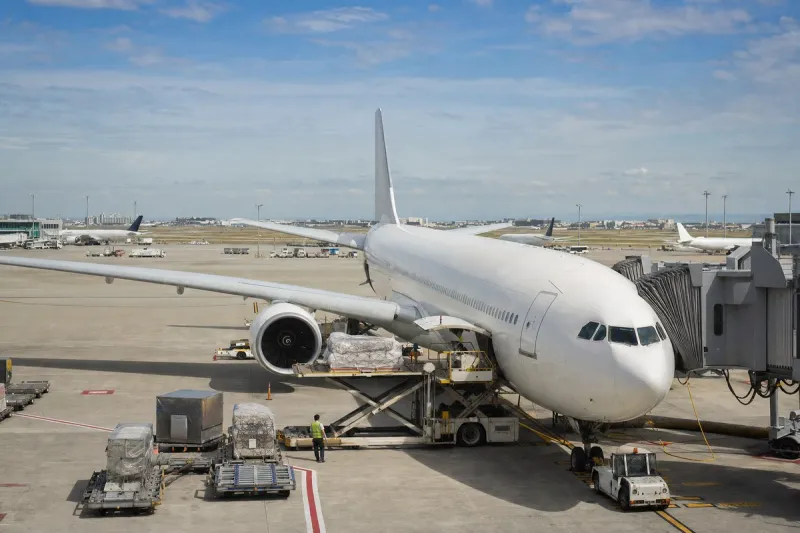
The Treasury guidance on Iranian-linked carriers does not stop at the airline level. Fuel suppliers, ground handlers and ticketing agents touching affected traffic face the same dollar-system exclusion risk as the carriers themselves, which is why brokers are advised to verify the sanctions posture of every handler and into-plane fuel supplier on any itinerary that touches Iranian-linked traffic. That verification step now sits alongside routine flight planning rather than as an occasional compliance check.
Industry impact & what to watch
None of these four pressures is new individually, but their overlap is what changes planning behavior. A Gulf reroute, a sanctions check on a handler, a landslide-closed strip in Nepal and a crew-pairing change on a Citation each look manageable alone; stacked together within the same quarter, they compress the margin operators have to absorb any single surprise without a schedule change reaching the customer.
Charter and fractional scheduling depends on redundancy — alternate routings, backup handlers, spare crew pairings — and each of these developments removes a layer of that redundancy at once. Sanctions exposure narrows the pool of usable fuel suppliers and handlers on Iranian-linked routings; the FAA's single-pilot exemption rescission changes crew cost and rest-scheduling assumptions for affected Citation operators industry-wide; and monsoon flooding in Thailand, Nepal and India turns remote-strip and helicopter access into a case-by-case judgment rather than a standing capability.
The dated markers worth tracking are the 24 October deadline by which Lufthansa and Austrian Airlines say they cannot guarantee resumption to Iran, the UAE's open-ended suspension of Iranian carriers, and the UK regulator's NATS outage report due to government by the end of January. Whether Baghdad follows the UAE's suspension of Iranian carriers, and whether river levels in Nepal fall below danger thresholds, will determine how much of the current rerouting and access restriction becomes semi-permanent rather than transitory.