US Sanctions Force Iranians onto 2,400km Overland Journey as Airlines Halt Flights to Tehran
Why It MattersSanctioning ground handlers and financial intermediaries rather than only airlines shows regulators can sever aviation links across a network without a single carrier-specific rule.
What happened
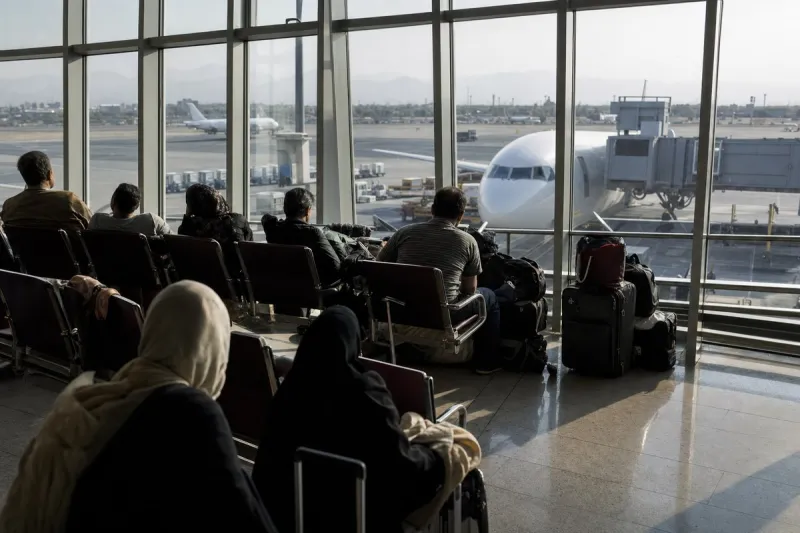
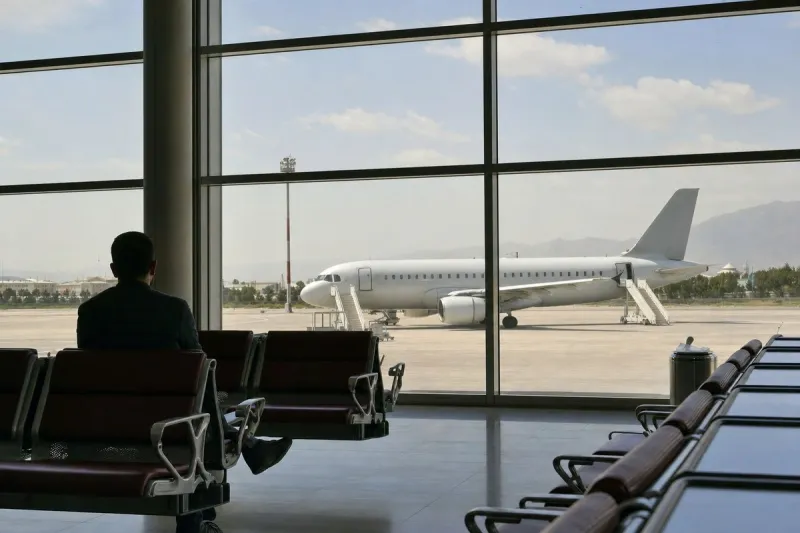
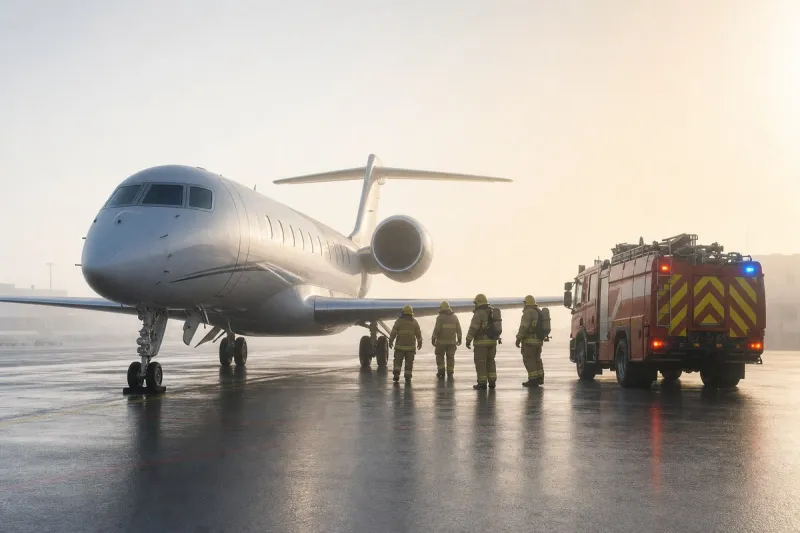
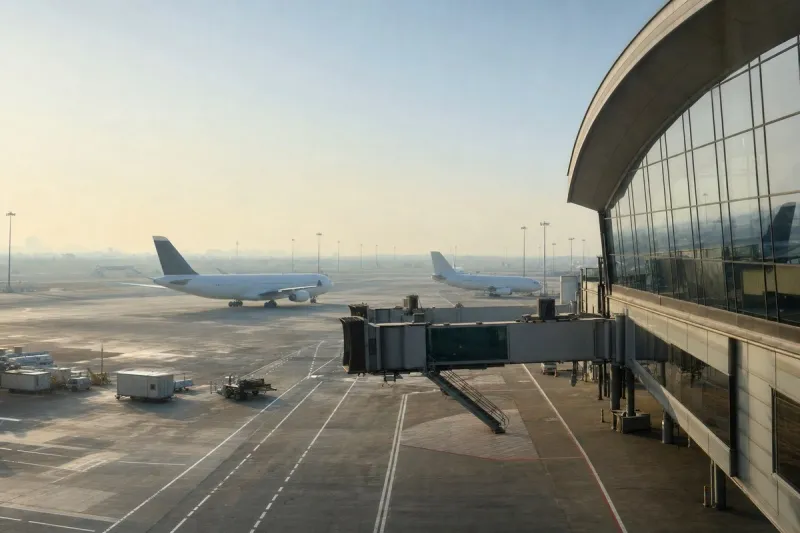
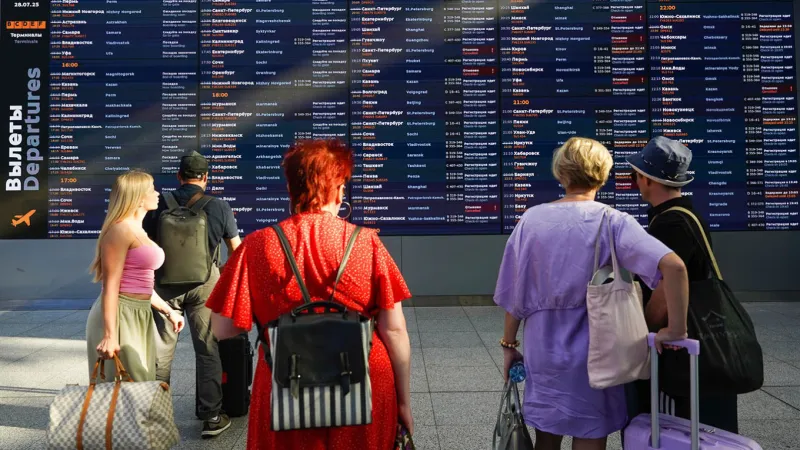
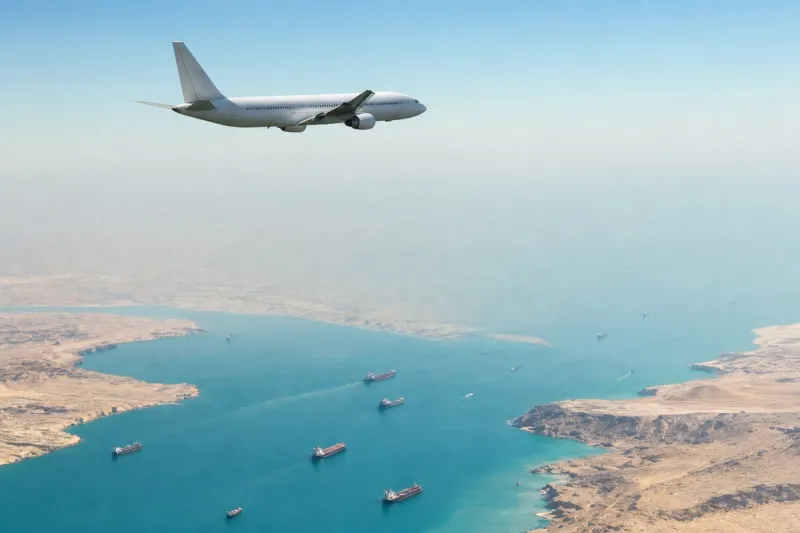
US sanctions targeting Iran's aviation sector, announced earlier this month under an initiative called Operation Economic Outcast, have pushed travellers onto exhausting 2,400-kilometre overland coach journeys between Tehran and Istanbul as major carriers suspend flights. Mahan Air, Pegasus and Turkish Airlines have all stopped flying to Iran, and countries including the UAE, Azerbaijan and Oman have halted services entirely. Footage circulating on Iranian social media showed a pilot telling passengers on a Tehran-to-Dushanbe flight that the service had been cancelled after Turkmenistan refused overflight permission.
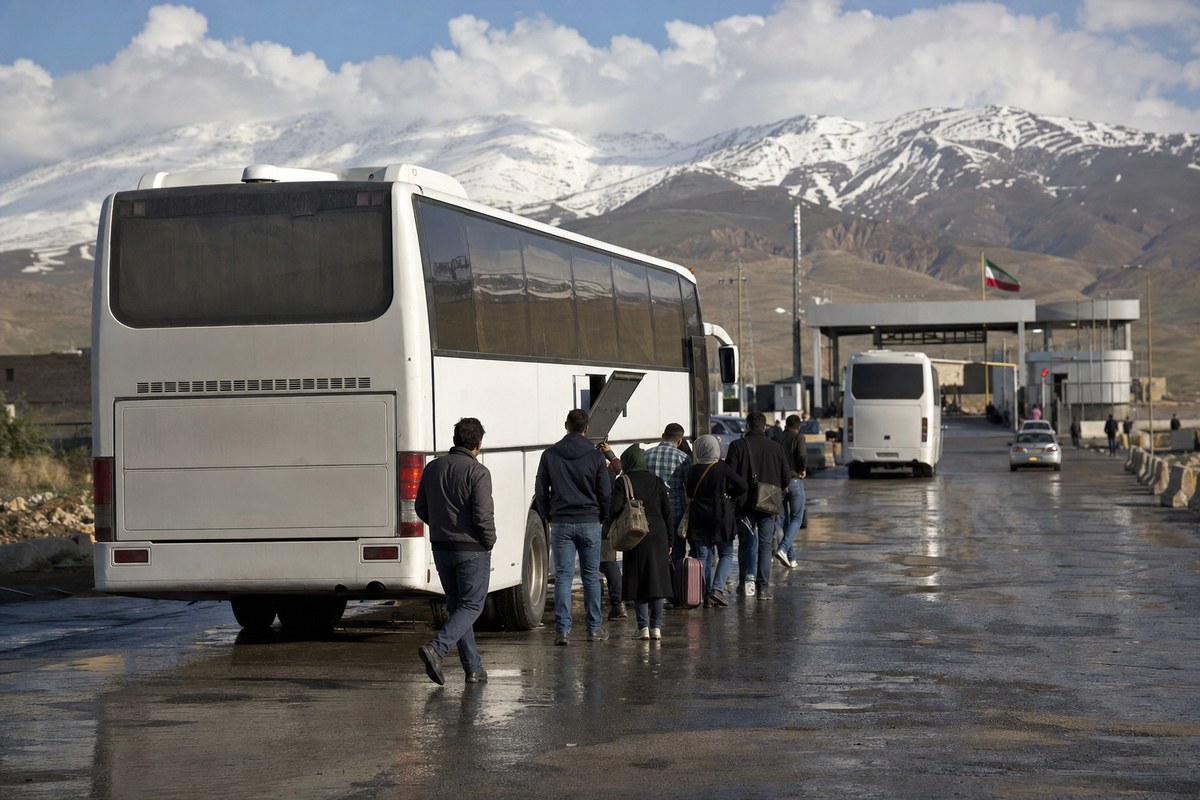
Coach ticket prices on the Tehran–Istanbul route have risen by a third, from 1,500 Turkish lira ($31) to 2,000 lira ($41), which Arqavan, an Iranian employee at the Alborz Turizm ticketing agency in Istanbul, attributed to higher demand following flight cancellations and increased fuel costs. Iran's monthly minimum wage stands at approximately 16.6 million tomans, or around $71. In Istanbul's Fatih district, travellers arriving by coach with Iranian number plates described journeys lasting three days door to door; one couple from Tehran had made the trip to sit the IELTS English-language proficiency exam, which had also been cancelled in Iran due to sanctions. A Tehran-based frequent traveller who regularly visited Muscat for work said Iran had "become totally isolated" and that planned trips to Oman had been abandoned indefinitely.
The flight cancellations were partly triggered by US Treasury sanctions on ground handling agents: Washington sanctioned Istanbul-based S Sistem Logistics Services and MES Cargo over alleged links to Mahan Air, allegations S Sistem denied. In the banking sector, Turkey's BDDK regulator revoked the operating licence of Bank Mellat's Istanbul branch, which had operated since 1982, though Turkish authorities did not cite US sanctions as the reason. The US also sanctioned Istanbul's Golden Globe Investment Bank and two subsidiaries over allegedly facilitating transfers of Iranian oil revenue from China, allegations Golden Globe denied. Separately, the UAE Central Bank barred Bank Melli Iran from conducting financial transactions between its UAE branches and Iran after finding the Tehran entity had failed to comply with anti-money laundering requirements. Tehran-based political economy observer Danial Rahmat said Washington appeared to be sanctioning aviation to increase pressure on ordinary Iranians, saying "millions of Iranians living abroad will lose their access to their families, properties and homeland." An anonymous Tehran-based businessman involved in raw materials imports said US financial sanctions had been only partially effective at curbing Iran's ability to route money through third countries, given the large number of small and medium-sized currency traders involved.
Industry impact & what to watch
This case shows how aviation sanctions can achieve a network-wide shutdown without grounding a single aircraft by rule: targeting ground handling agents and financial intermediaries tied to a flag carrier is enough to make counterpart states and neighbouring countries withdraw overflight permission and route access on their own. Once Turkmenistan refused overflight for a Dushanbe-bound flight and the UAE, Azerbaijan and Oman halted services, the effect compounded across a wider set of routes than the sanctioned entities themselves cover.
Overland substitution absorbs some of that lost capacity, but coach routes cannot replicate air links between distant capitals, and the same pressure that removed flights also cancelled the IELTS exam sittings passengers were travelling for. Fare increases on the Tehran–Istanbul coach route, from 1,500 to 2,000 lira, reflect demand shifting onto a single overland corridor once multiple airlines exit simultaneously.
Whether the pressure holds depends on enforcement consistency: S Sistem and Golden Globe have denied the allegations against them, Turkish authorities have not linked the Bank Mellat licence revocation to US sanctions, and a Tehran-based businessman described financial sanctions as only partially effective given the number of small currency traders still routing payments through third countries.