Dubai-bound flights face continued delays on Monday after over 40 disruptions on Sunday
Why It MattersRecurring regional airspace disruption shows how carriers serving conflict-adjacent routes must absorb rolling schedule shocks while keeping unaffected hubs and departures running close to normal.
What happened
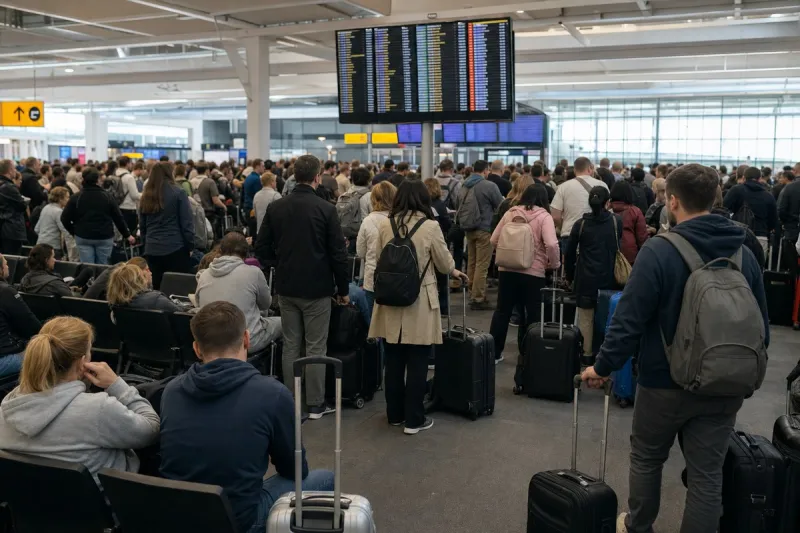
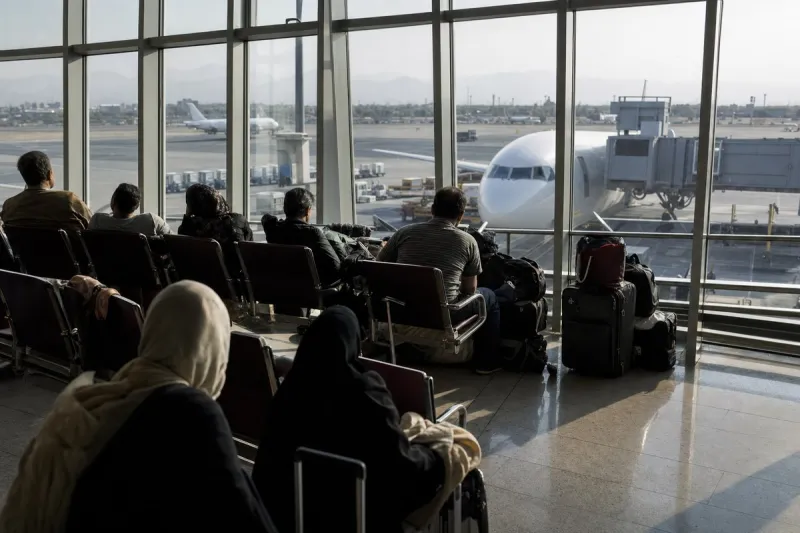
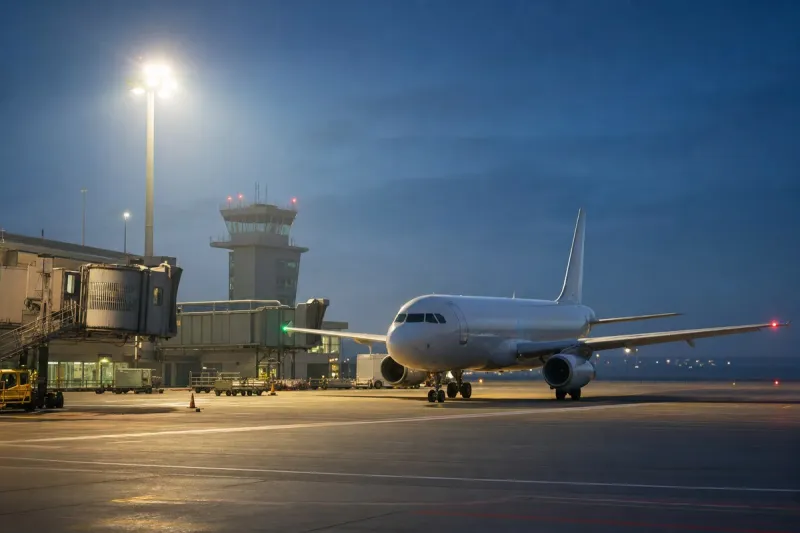
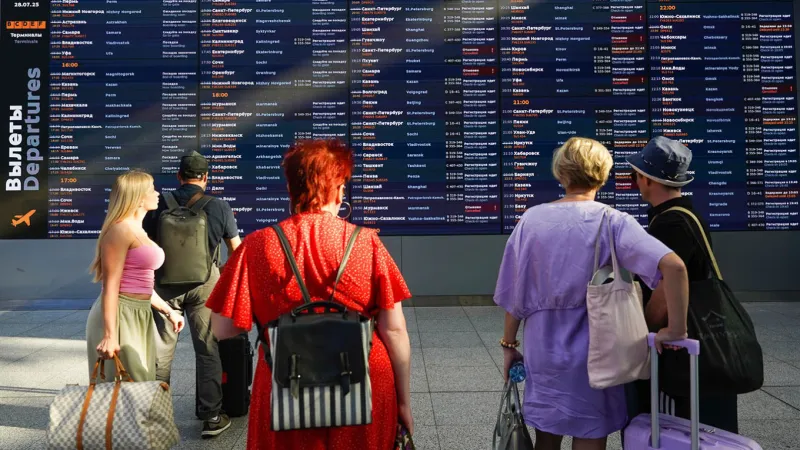
Flights arriving at Dubai International Airport faced further delays on Monday morning, September 28, 2026, after more than 40 inbound flights were delayed on Sunday, many by over two hours, with some cancelled.
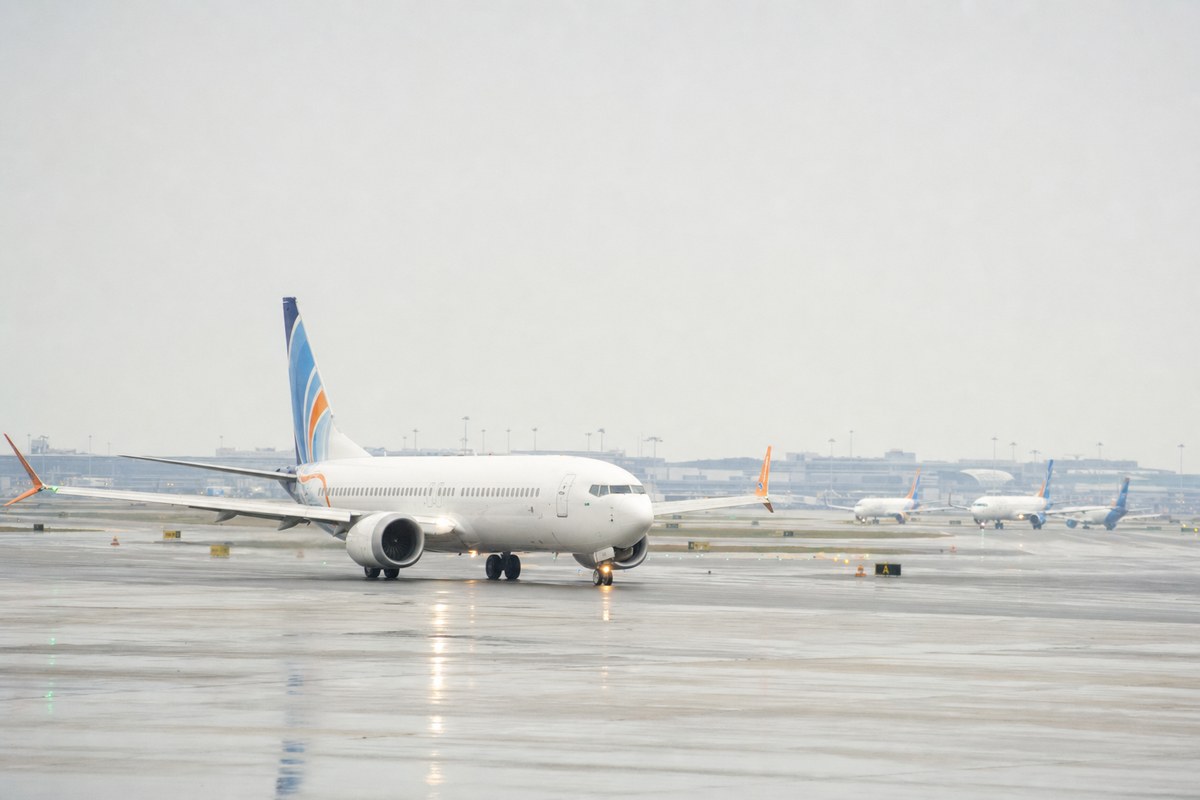
The airport's flight status website showed several flydubai aircraft running late on Monday. A flight from Almaty, Kazakhstan, due at 7.30am, was delayed 52 minutes, while a service from Tashkent expected at 7.20am was delayed 64 minutes. A flydubai flight from Dushanbe, Tajikistan, was pushed back from 7.50am to 9.07am, and additional flydubai services from Moscow, Yekaterinburg, and Bishkek, Kyrgyzstan, were also running late. An Emirates flight from London Heathrow, originally scheduled to arrive at 6.40am, was rescheduled to 8.30am.
Authorities noted that not all delays stem from the ongoing conflict affecting the Middle East. Hundreds of flights from Russia have been disrupted in recent weeks by the war with Ukraine, and Ukrainian drone attacks on Moscow on September 19 alone delayed more than 400 flights and caused a number of diversions. Flights to and from Abu Dhabi's Zayed International Airport were operating largely on schedule as of 8.00am Monday, departing flights from Dubai International Airport were also reported as largely normal, and UAE airlines were described as operating close to full capacity after scaling back services during the height of the Iran conflict.
Industry impact & what to watch
This case illustrates how a hub airport's inbound schedule can absorb disruption from two separate sources at once — regional conflict effects and the separate, longer-running disruption to Russian airspace from the war with Ukraine — while its departures and a nearby hub stay largely unaffected. That asymmetry between arrivals and departures, and between one airport and its neighbor, is a feature of how connecting hubs manage disruption: delay gets concentrated on inbound long-haul and regional feeder routes first, while local departures and less exposed airports keep operating close to normal.
For airlines routing through contested or adjacent airspace, the operating pattern is to keep aircraft utilization near capacity while building schedule buffer into inbound legs from the most exposed origins — in this case Moscow, Yekaterinburg, Almaty, Tashkent, Dushanbe, and Bishkek. Whether Monday's delays ease or recur will depend on how the underlying airspace situation in Russia and the wider Middle East develops in the coming days, and on whether flydubai and Emirates need to keep adjusting inbound schedules from those specific origins.