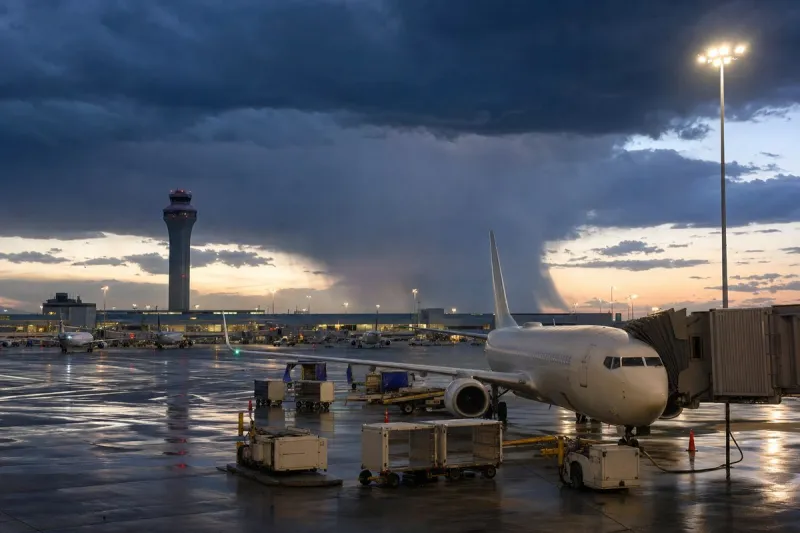
US Transportation Secretary Duffy Requests $30 Billion from Congress to Modernize Aging Aviation Infrastructure
Why It MattersThe episode underscores how single points of failure in decades-old air traffic communications infrastructure can cascade into region-wide disruption across multiple major airports simultaneously.
What happened
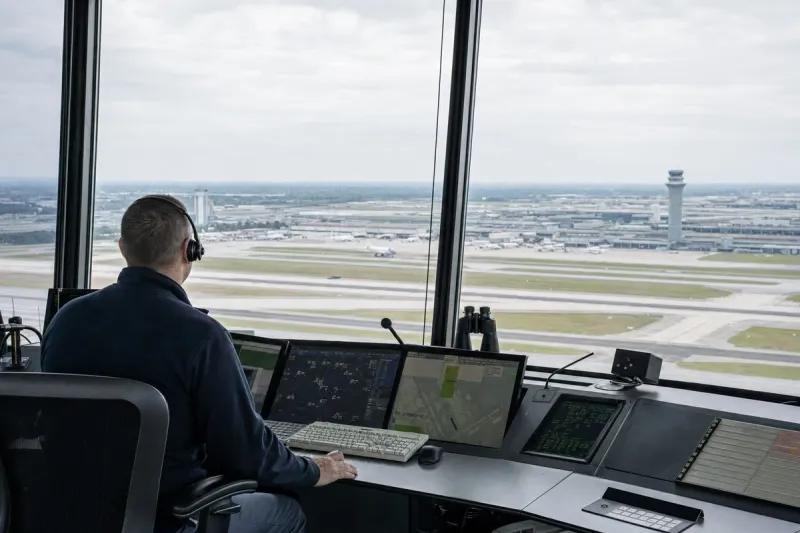
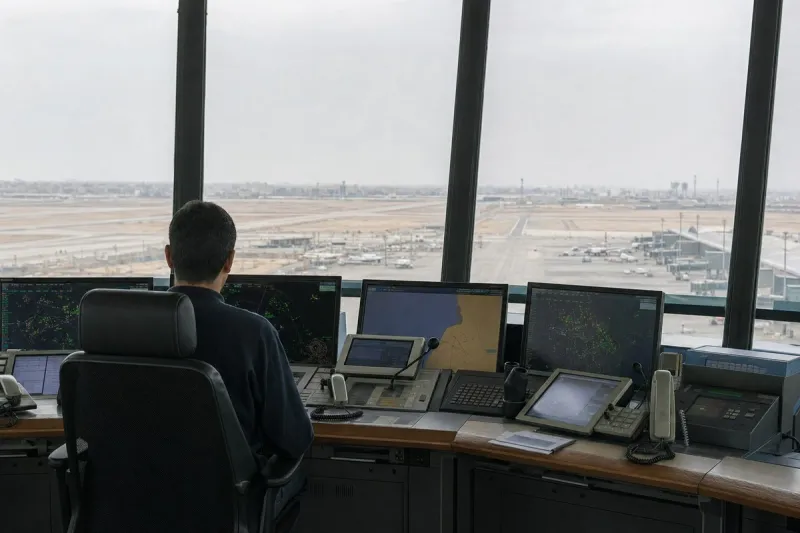
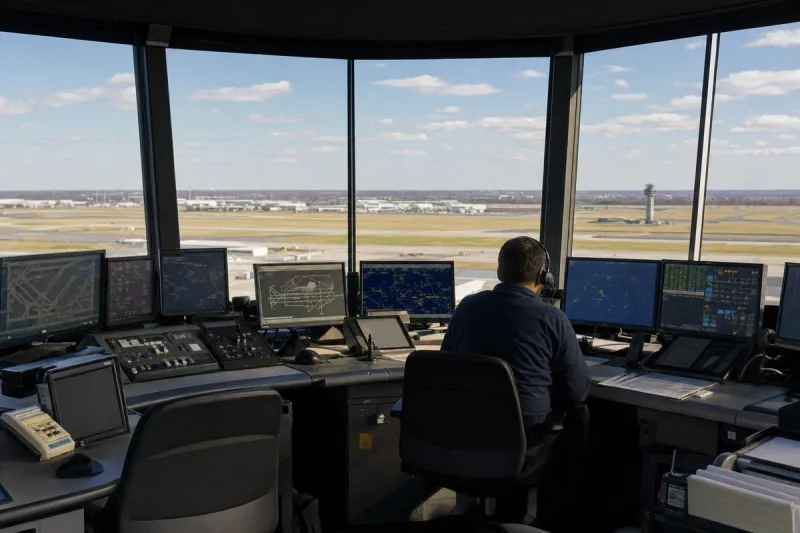
U.S. Transportation Secretary Sean Duffy has asked Congress for an additional $30 billion to overhaul aging aviation infrastructure, following a communications failure at a regional air traffic control facility in Philadelphia that disrupted air travel across the Northeast.
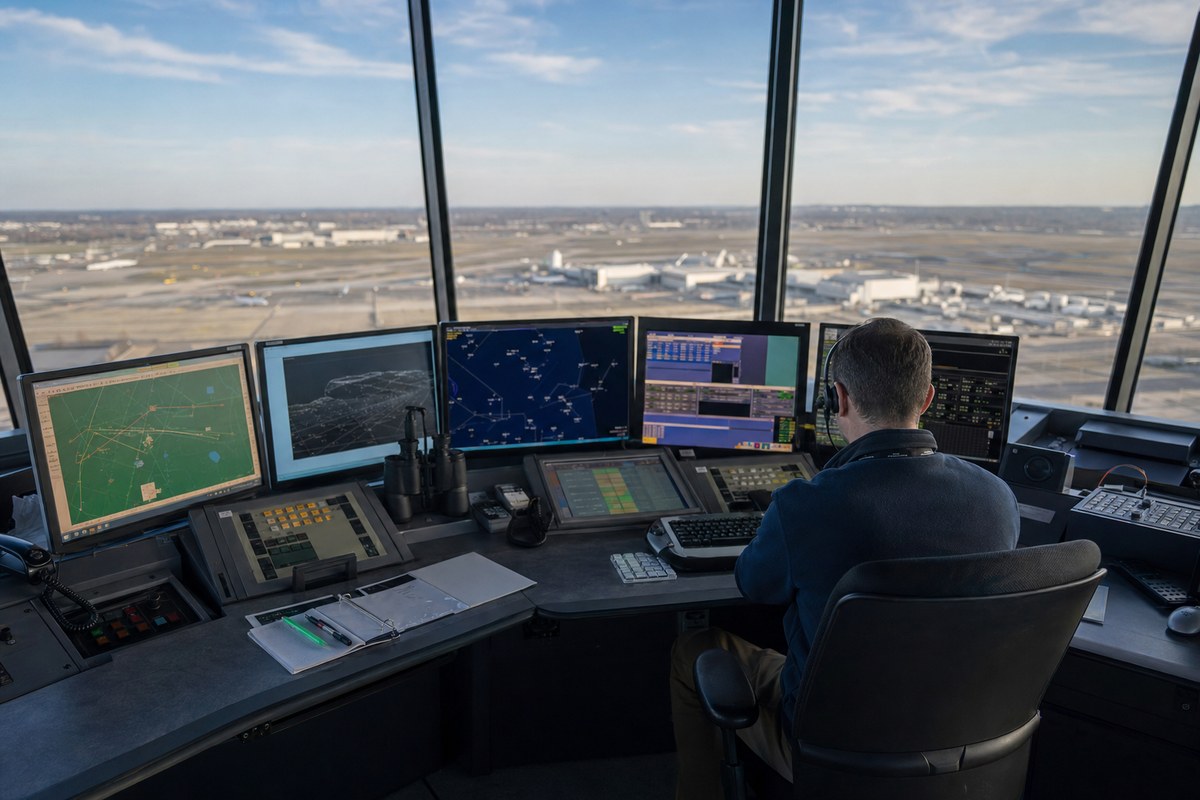
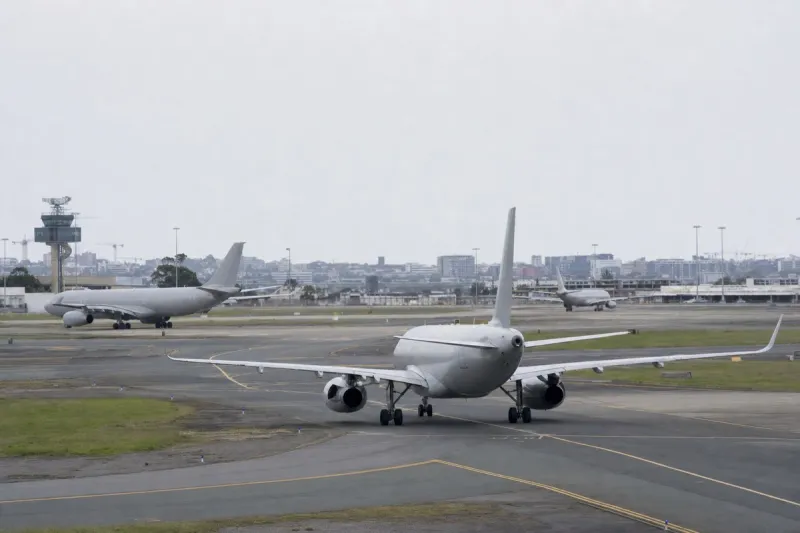
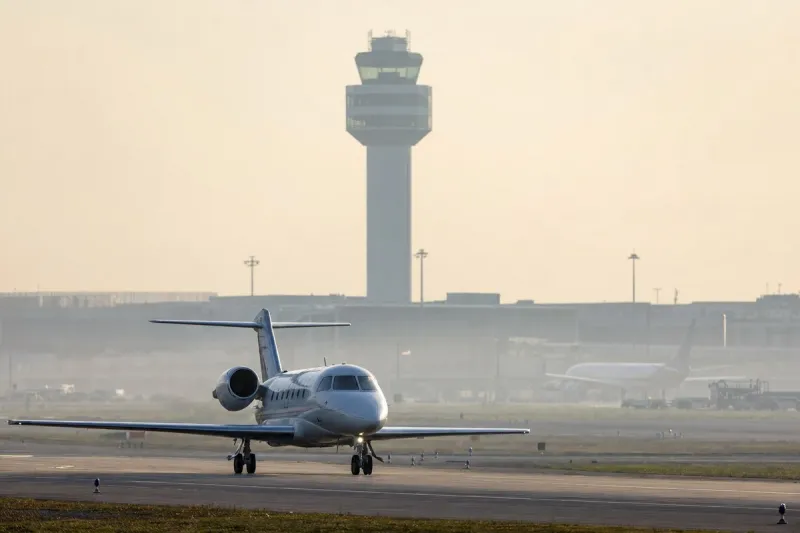
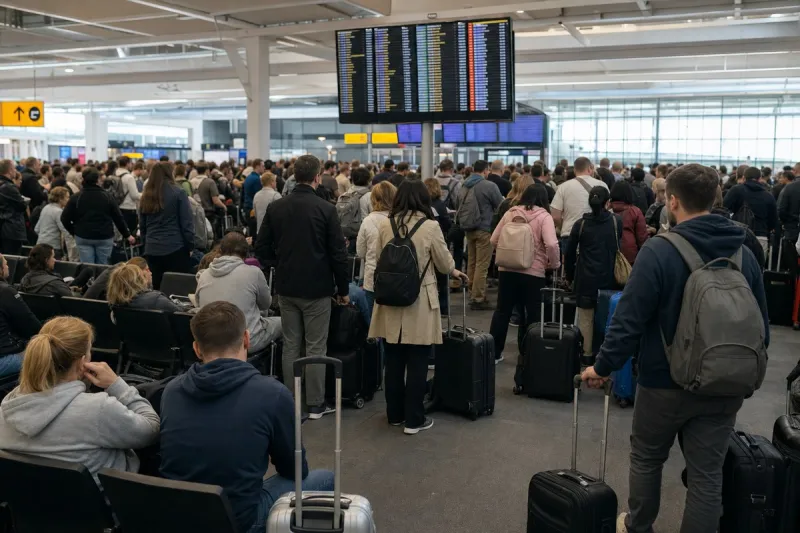
Both primary and backup communications lines failed at the Philadelphia-area facility, leaving controllers without radar or radio contact. Commercial air traffic at Newark was halted for most of the day, and more than 200 flights into and out of Philadelphia International Airport were cancelled.
Duffy attributed the vulnerability to decades-old systems. "The problem is this is a 40-year-old architecture or design," he said. "I need new money to do a whole new design — a new architecture of telecom so it will never go down." Of the $30 billion requested, approximately one-third would be directed toward airport improvements, while the remainder would fund replacement of outdated communications and radar systems technology.
Industry impact & what to watch
This incident belongs to a familiar category in air traffic control: legacy telecom and radar systems that lack the redundancy modern air travel volumes require, where a single facility's failure ripples outward to airports it does not directly serve. Newark's shutdown despite the fault sitting in a Philadelphia-area facility illustrates how tightly interconnected the Northeast corridor's control infrastructure has become.
The sector's underlying economics make this kind of exposure persistent: communications and radar backbones built decades ago are costly to replace wholesale, so upgrades tend to arrive piecemeal until a failure like this one forces a lump-sum request such as Duffy's $30 billion ask. Congress's response — full funding, partial funding, or none — will determine whether the one-third earmarked for airports and the remainder for communications and radar replacement moves from proposal to appropriation.
What happens next depends on how Congress acts on the request and whether further facility-level failures occur in the interim, since each additional outage strengthens the case for the funding Duffy is seeking.