20 Israelis Stranded in Ethiopia's Lalibela as Airport Closures and Fighting Block Escape Routes
Why It MattersRegional conflict can sever both air and ground evacuation routes at once, forcing governments to negotiate ad hoc corridors with armed groups rather than rely on scheduled airline recovery.
What happened
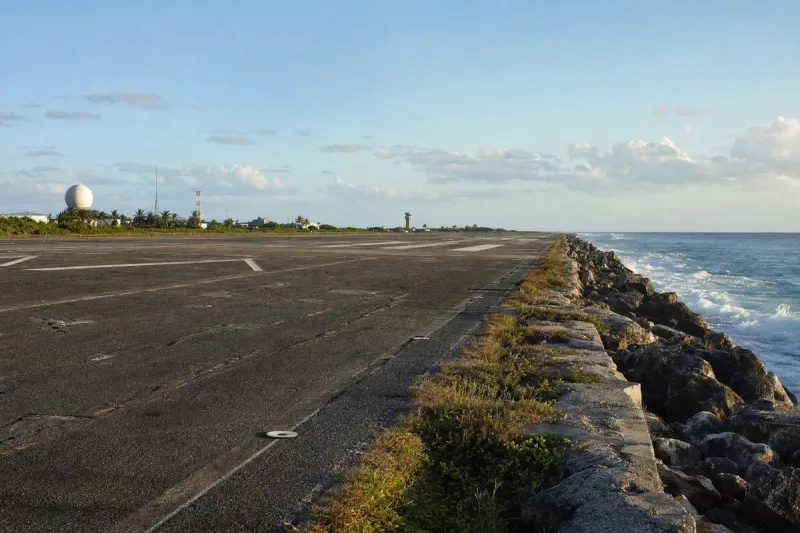
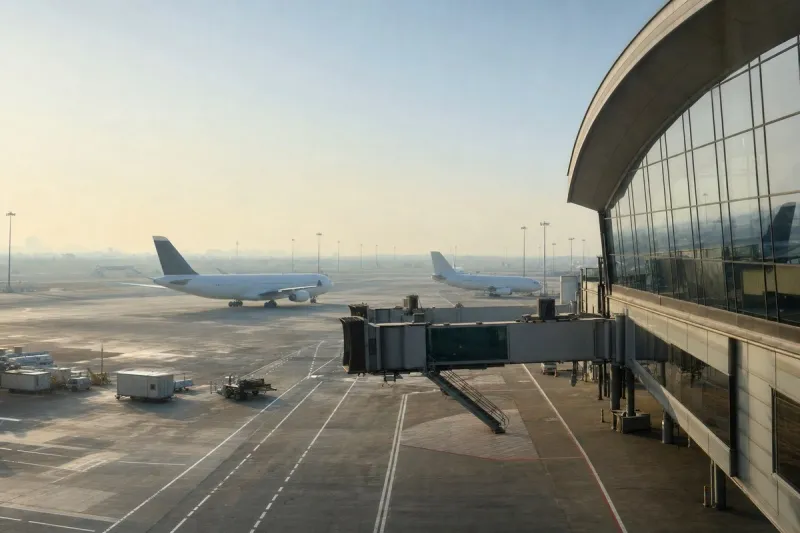
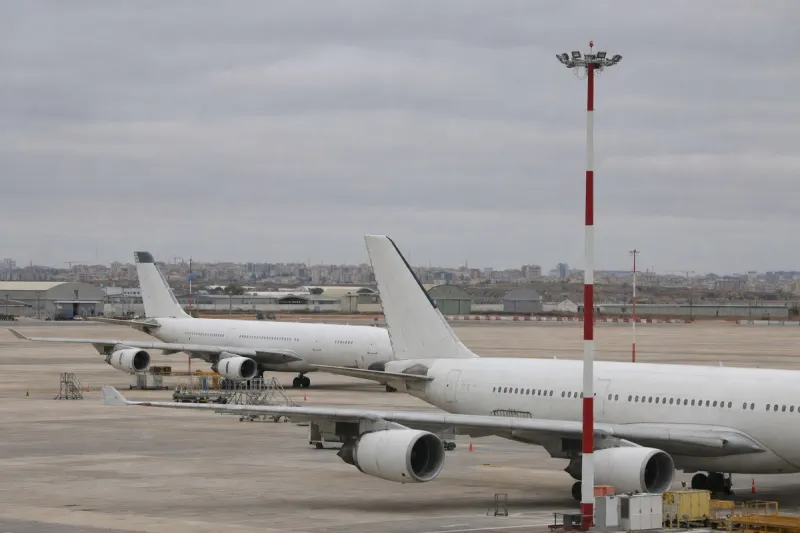
Israel's Foreign Ministry is working to assist 20 Israelis stranded in Lalibela, in northern Ethiopia, after fighting between federal government forces and rebel groups shut airports and made road travel dangerous. About 30 tourists from other countries are also trapped in the city alongside the Israeli group.
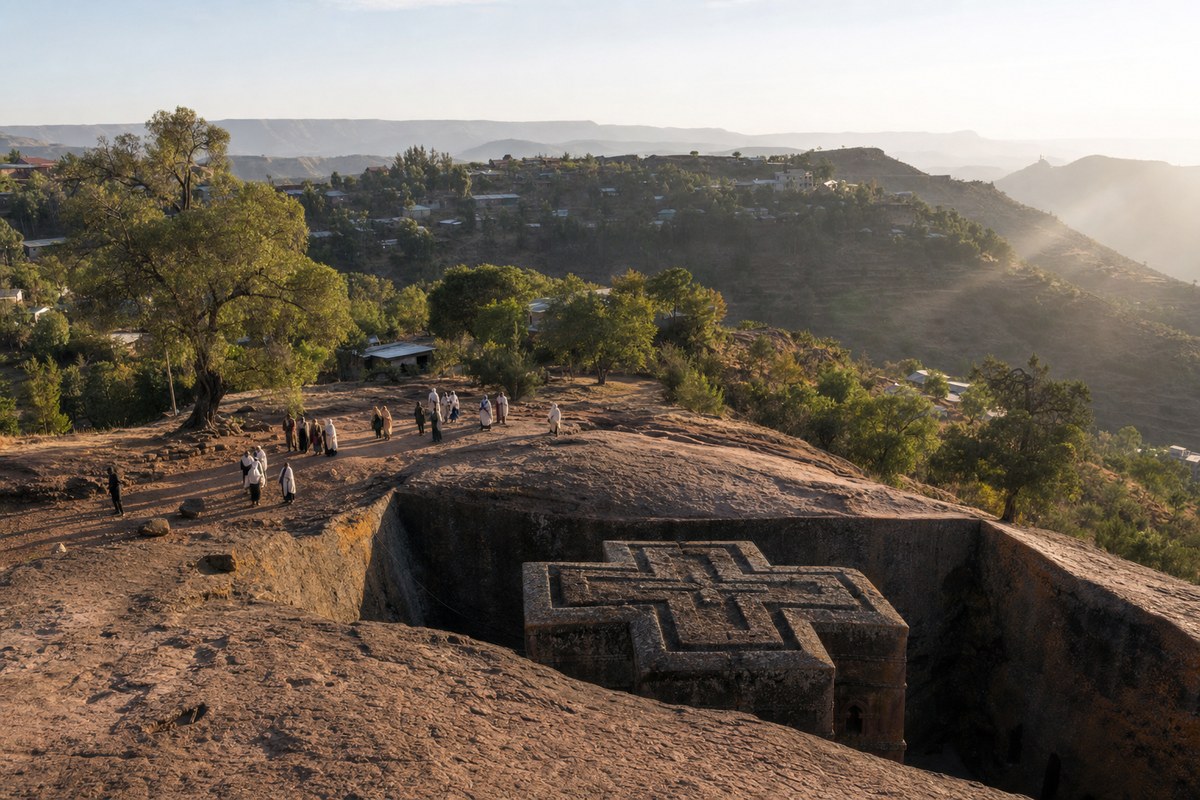
In a letter to the ministry, the Israelis described deteriorating conditions including shortages of food, fuel, electricity and communications, along with concerns about the health of elderly travelers and those with conditions such as asthma. "Flights have been canceled indefinitely, and this is no longer a delay of just a few days," the group wrote, warning of a possible complete communications blackout similar to one that had already occurred in the nearby Tigray region.
The situation grew more acute after the group's guide decided on Saturday to begin driving toward the capital, Addis Ababa, a move some members opposed. Shortly after setting out, shells began falling nearby, and the travelers took shelter at another hotel, where a mortar round exploded close by, killing a rebel fighter. "We hear lots of explosions, and we can smell gunpowder," group members said.
The Israelis urged their government to communicate directly with Ethiopian authorities, Ethiopian Airlines, and local armed groups to identify and coordinate a safe evacuation route, citing prior Israeli evacuation operations in Ethiopia, including efforts in the Gondar and Amhara areas in August 2023. Israel's Foreign Ministry confirmed it was conducting intensive efforts through its Department for Israelis Abroad, its situation room, and the Israeli Embassy in Addis Ababa, and said it was continuously examining possible exit routes in coordination with local parties and in line with conditions on the ground.
Industry impact & what to watch
This case belongs to a recurring category of crisis-response operations in which a foreign ministry must improvise passenger recovery once commercial air service and road transport both fail simultaneously in a conflict zone. When scheduled carriers like Ethiopian Airlines cannot serve an airport, evacuation depends on direct coordination between government agencies, the airline, and whichever armed groups control the ground routes in question.
The stranded group's own request lays out how that coordination actually works: contact with Ethiopian authorities, the national carrier, and local armed factions all have to align before a route can be declared safe, as happened in the Gondar and Amhara operations of August 2023. Communications infrastructure is itself part of the risk, since a full blackout — already seen in Tigray — would cut off the situation room's ability to track conditions on the ground in real time.
What happens next hinges on whether the Israeli Embassy in Addis Ababa can secure agreement from all three parties — federal authorities, the airline, and rebel groups — on a specific evacuation corridor before conditions in Lalibela deteriorate further.