Brussels Airport drone incident highlights airport vulnerability as flights suspended for 30 minutes
Why It MattersThe episode shows how thinly resourced most airports remain against low-cost drones, since even a brief unauthorised sighting forces a full halt while detection systems confirm the airspace is clear.
What happened
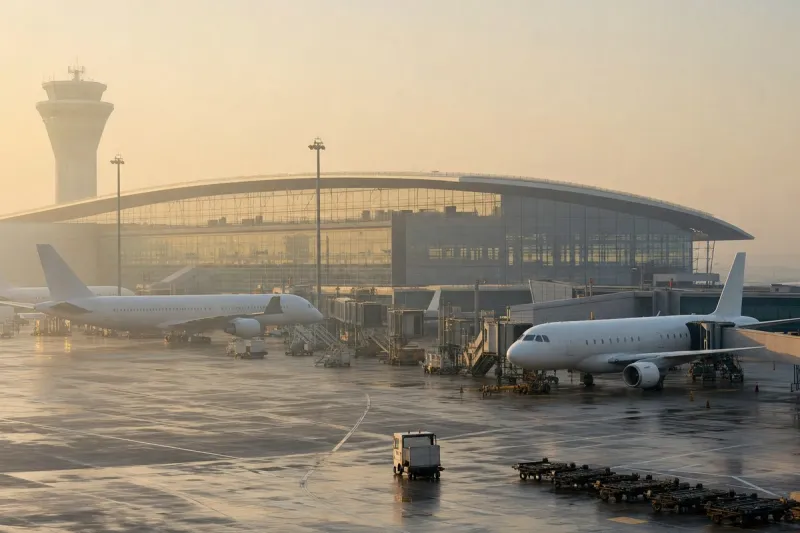
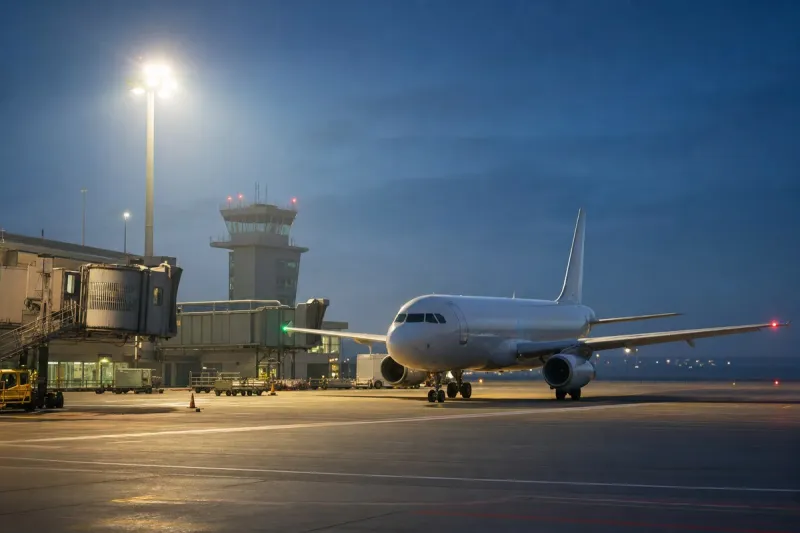
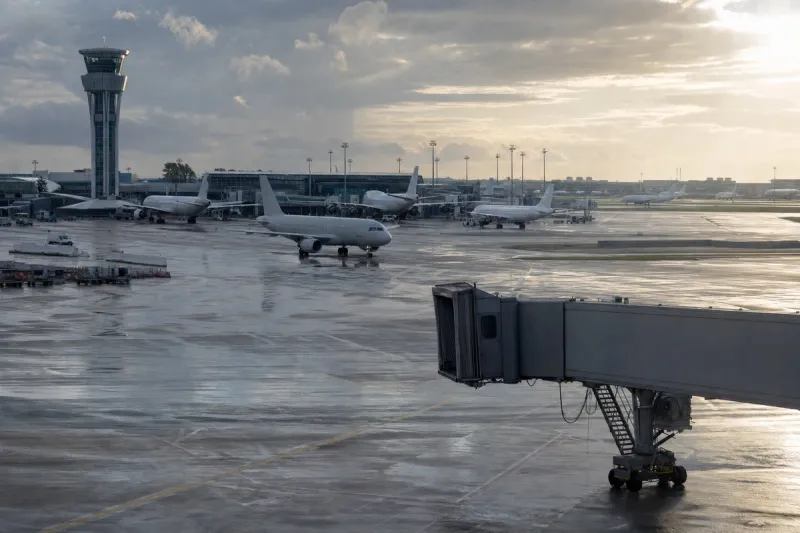
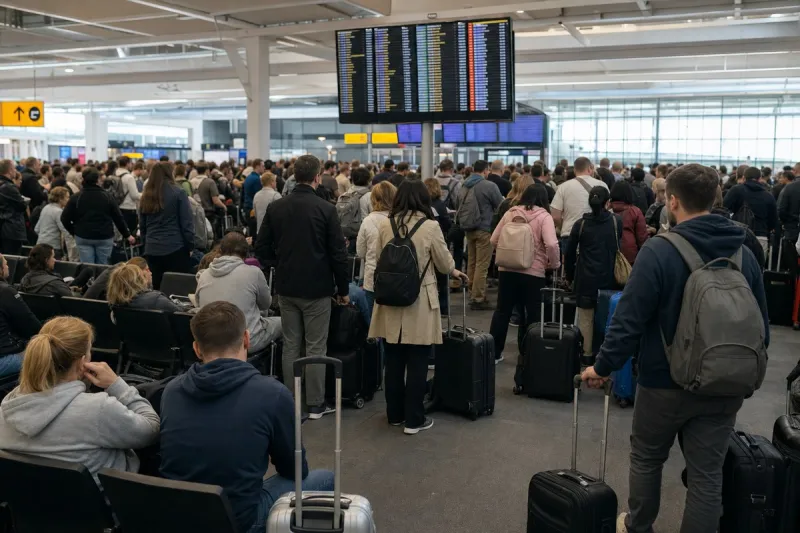
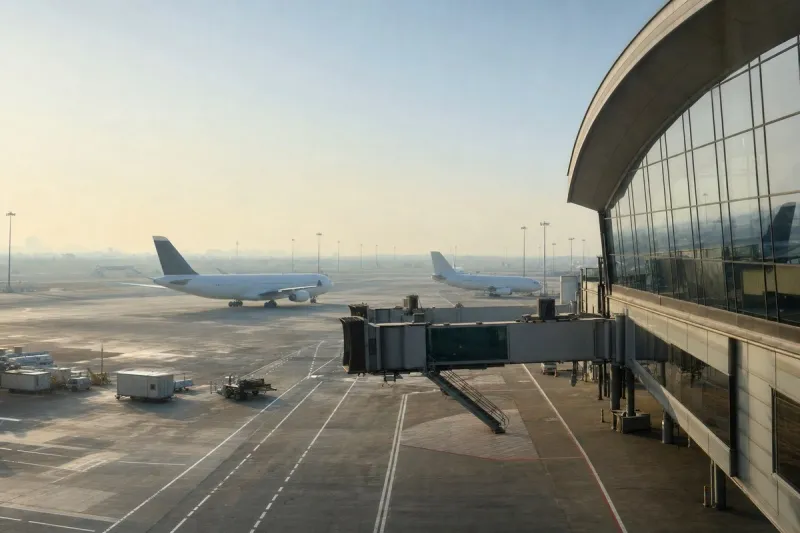
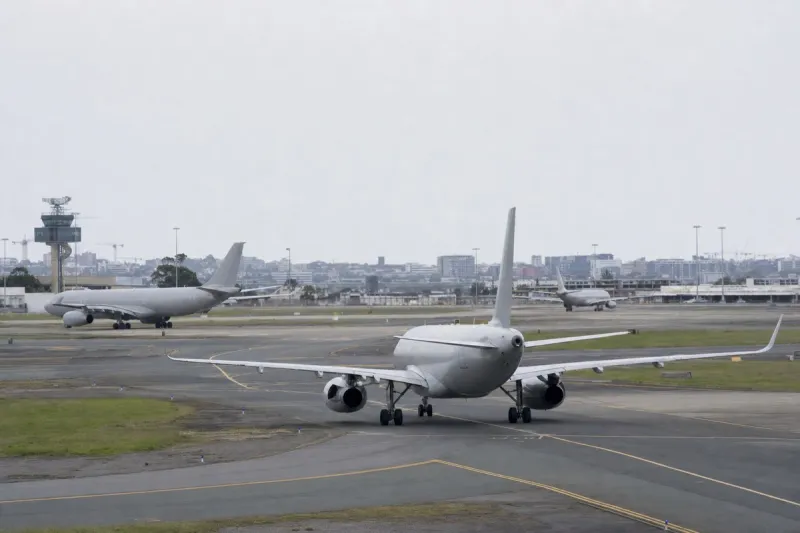
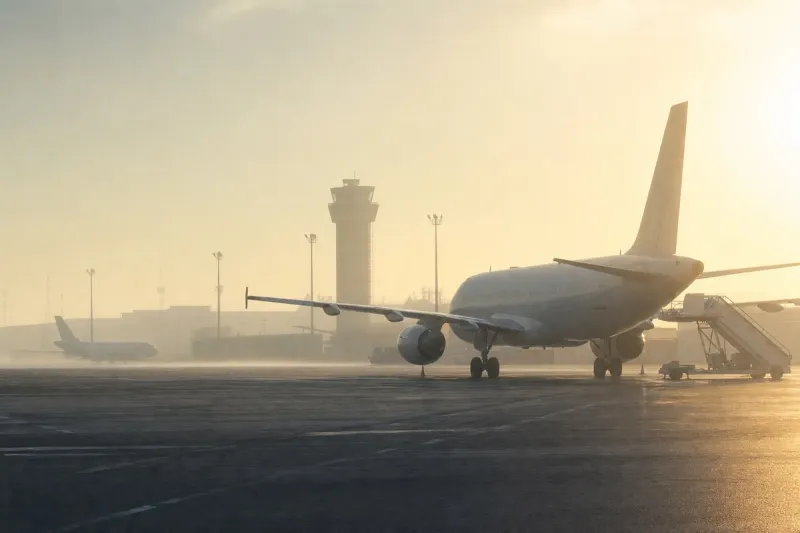
A drone was sighted near Brussels Airport on 11 September, prompting Belgian air navigation service provider Skeyes to activate its drone procedures. Runway operations were halted for 30 minutes following the last sighting, and no collision was reported.
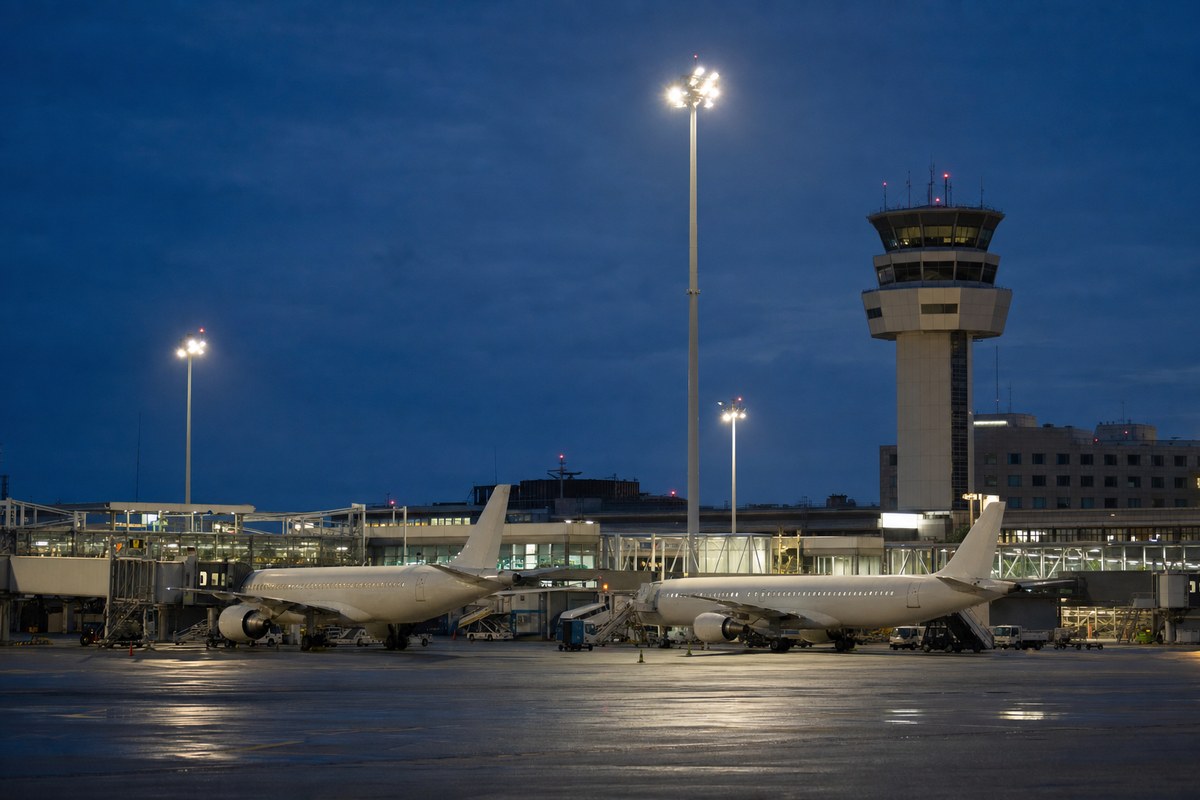
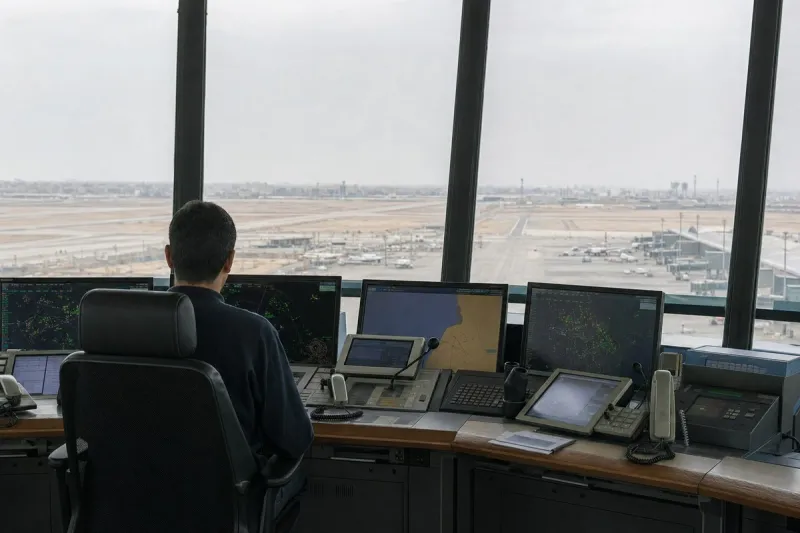
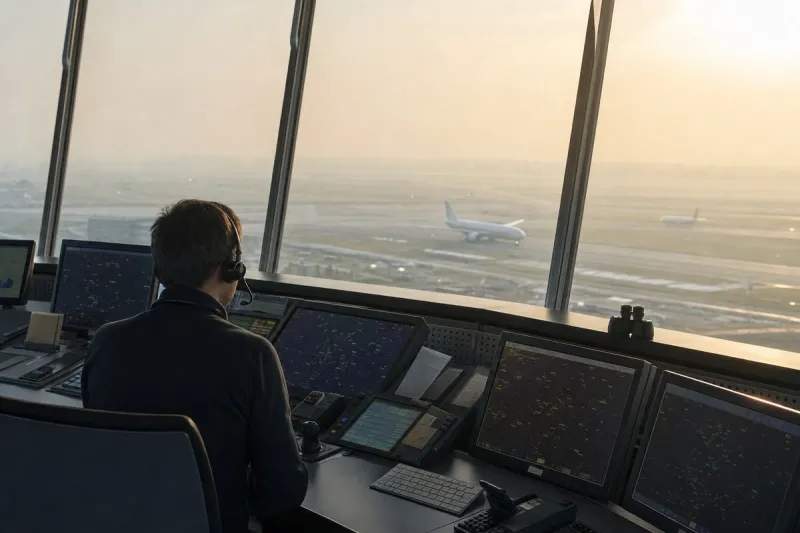
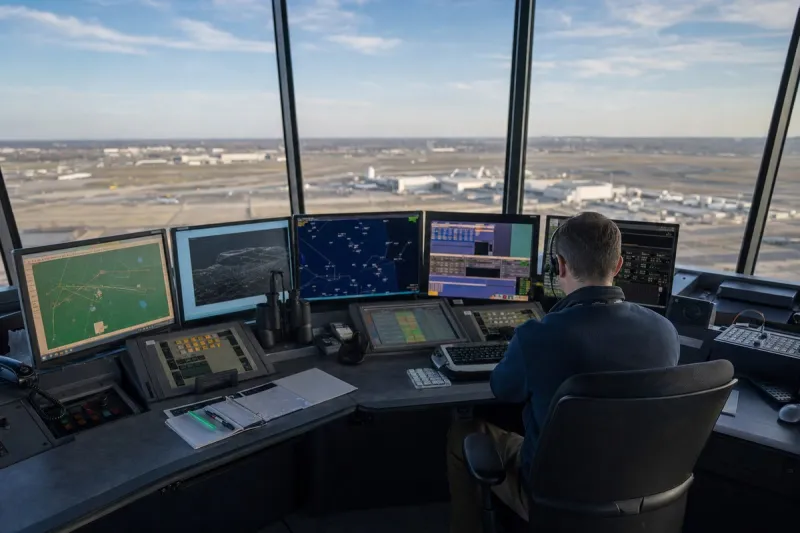
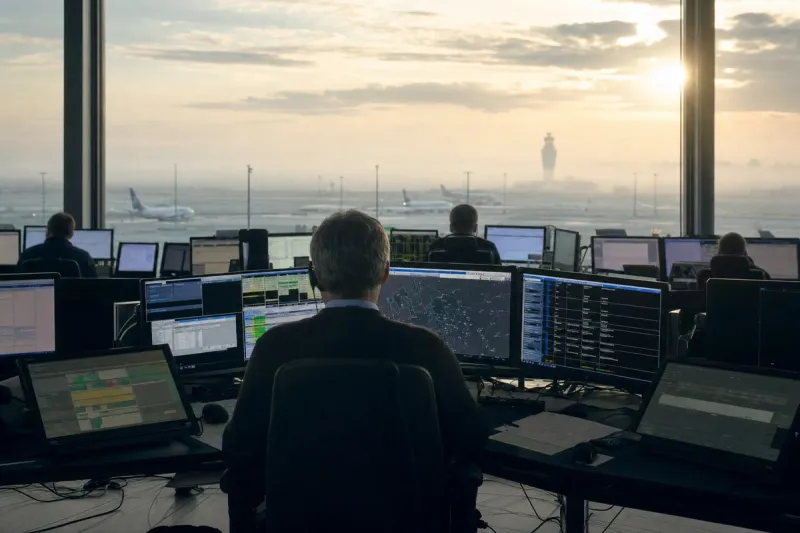
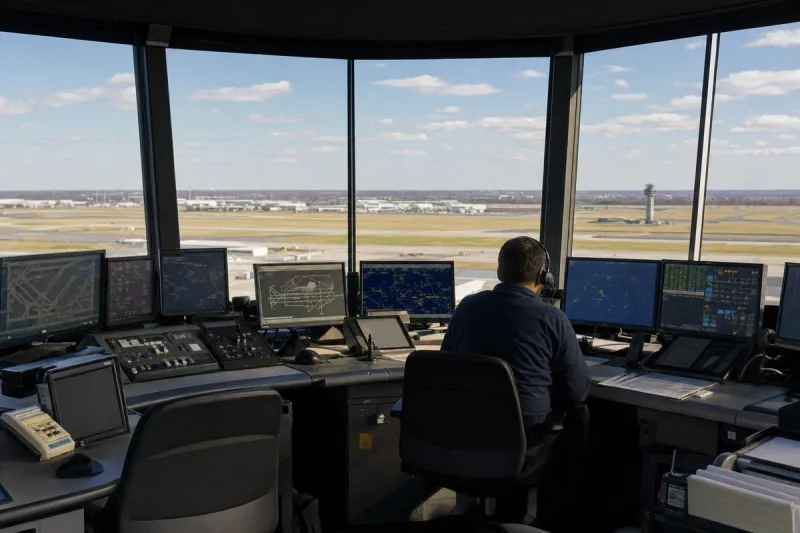
When a drone is reported at an airport, the first step is to establish its location and nature, with reports coming from pilots, air traffic controllers, airport staff or members of the public. Depending on where the drone is spotted, aircraft may be held, departures delayed or runway operations stopped while controllers determine whether it is safe to resume flights. Airports use a combination of radar, radio-frequency sensors and cameras to detect and track drones.
In the United Kingdom, most airports have a Flight Restriction Zone that typically extends several kilometres around the airport, with additional protection around runways stretching up to 5 km from runway ends and reaching 2,000 ft above ground level. Breaching these restrictions can result in fines, suspension of a drone operator's registration or certificate, or imprisonment. UK Airprox Board records show at least seven drone encounters involving aircraft around London Heathrow Airport in 2025 reports, with several pilots reporting drones passing within 100 ft of their aircraft.
Countering a detected drone
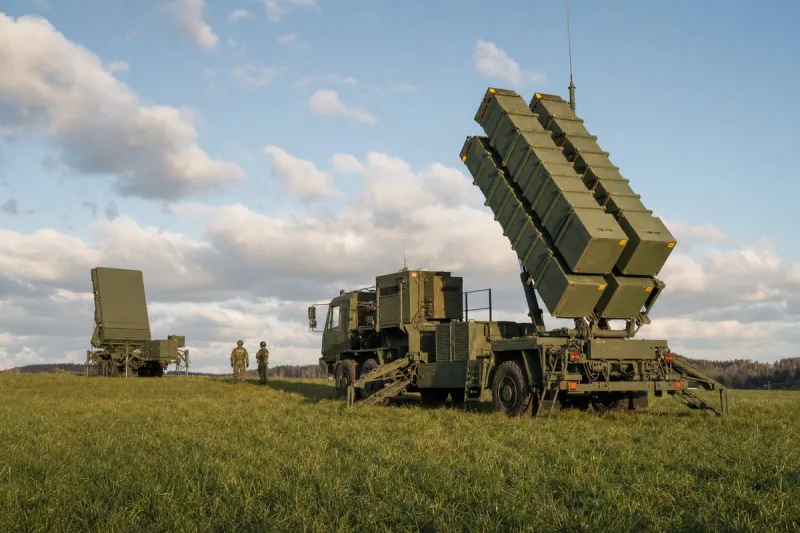
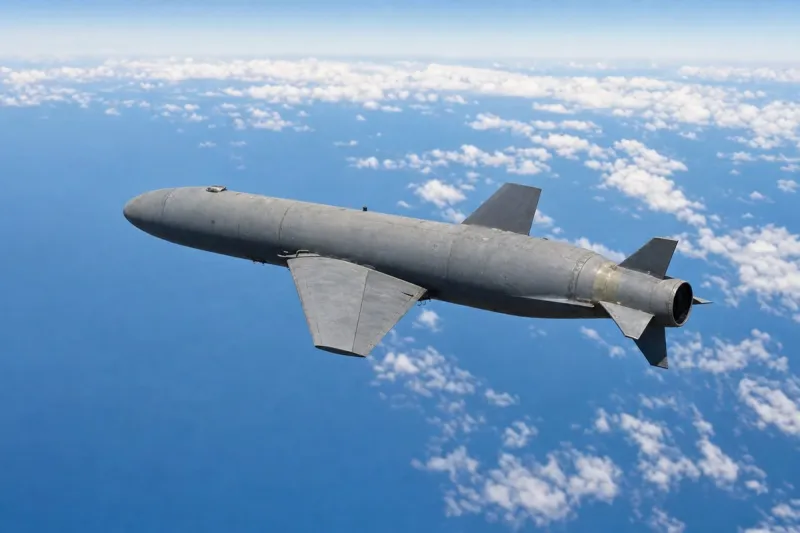
Disabling a detected drone is not straightforward. Any counter-drone action must account for the risk of a falling drone landing on a runway, an aircraft or a populated area, and some counter-drone systems can also interfere with other airport equipment, limiting their use.
Authorities note that not every drone sighting represents a deliberate threat, since some operators may inadvertently enter restricted airspace. Regardless of intent, the immediate operational response stays the same: ensuring the safety of aircraft and passengers.
Industry impact & what to watch
The Brussels incident is one entry in a wider run of drone encounters that has already produced measurable data elsewhere: at least seven recorded events around a single airport, Heathrow, in 2025 reports, some within 100 ft of aircraft. That volume, at just one hub, suggests the exposure Skeyes managed on 11 September is a recurring operational condition rather than an isolated event.
The way airports actually work today is reactive rather than preventive: detection through radar, radio-frequency sensors and cameras triggers a hold on departures or a full runway stop until controllers can confirm the airspace is clear, as happened for 30 minutes at Brussels. Neutralising a drone once spotted carries its own risk, since a disabled unit can fall onto a runway, an aircraft or a populated area, and jamming or similar countermeasures can disrupt other airport systems — which is why suspension of operations, not interception, remains the default response.
What determines whether this stays a manageable nuisance or becomes a bigger constraint is how fast detection and response capabilities improve as drones grow cheaper and more capable. Regulatory data such as the UK's Airprox Board reports and enforcement outcomes under Flight Restriction Zone rules will be the clearest signal of whether incident counts are rising faster than airports' ability to clear them quickly.