Mount Etna Eruption Forces Catania Airport Closure for Third Consecutive Day with Red Aviation Warning
Why It MattersVolcanic ash events show how airspace safety systems favor closure and rerouting over risk-taking, since ash is invisible to radar and jet engines have no tolerance for ingesting abrasive particles.
What happened
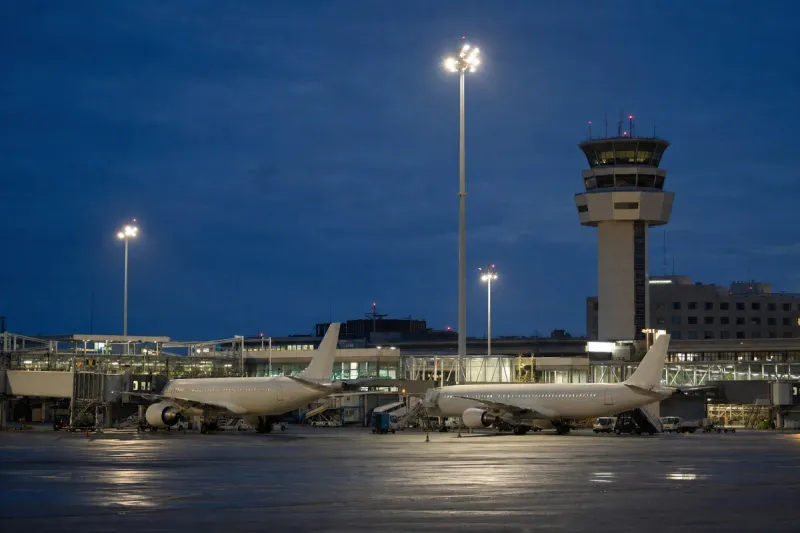
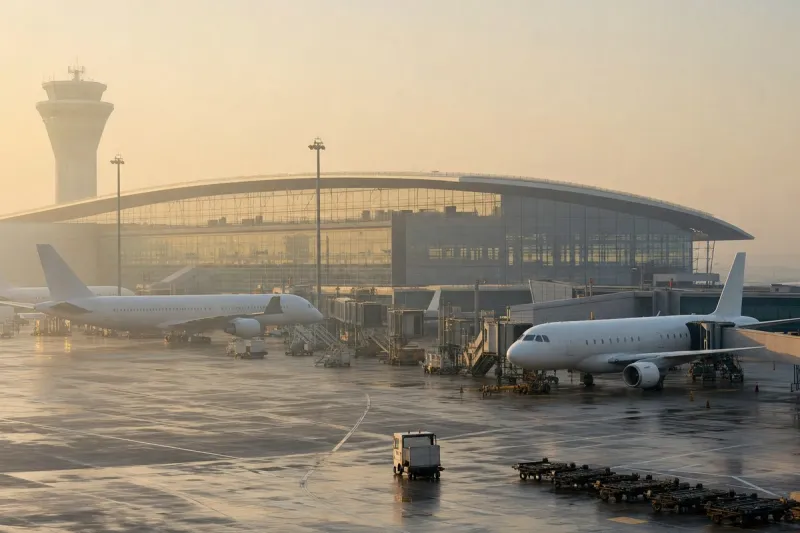
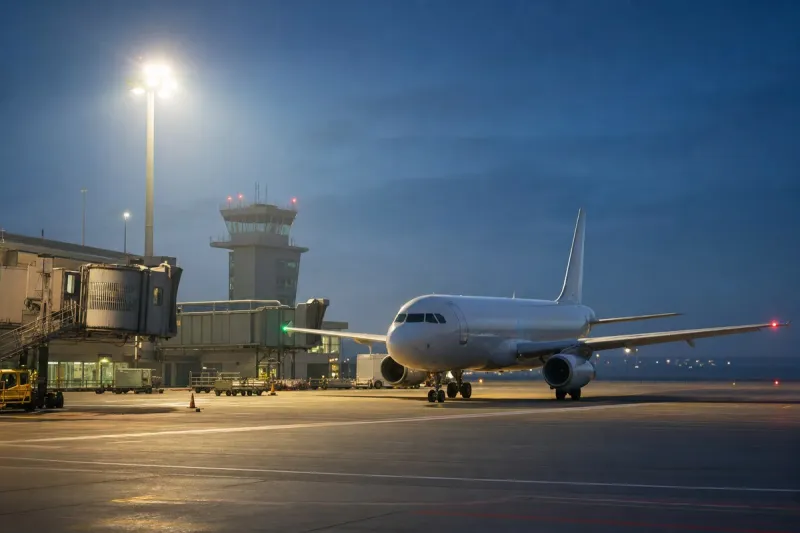
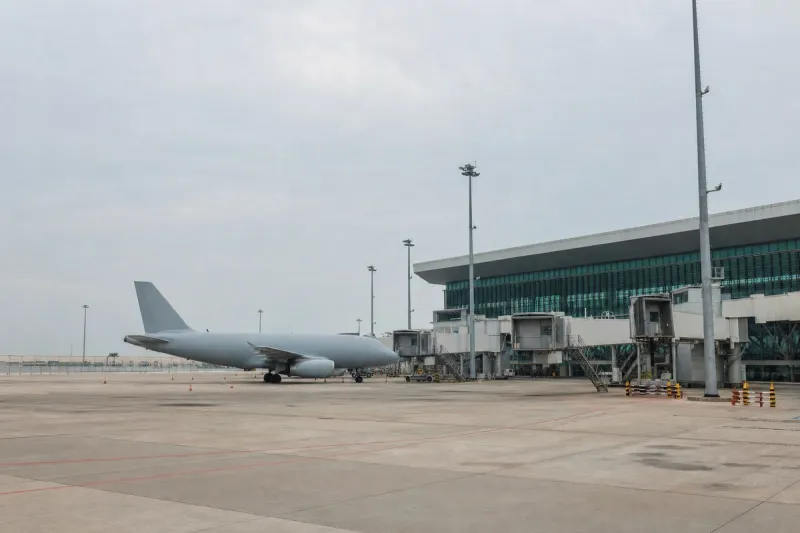
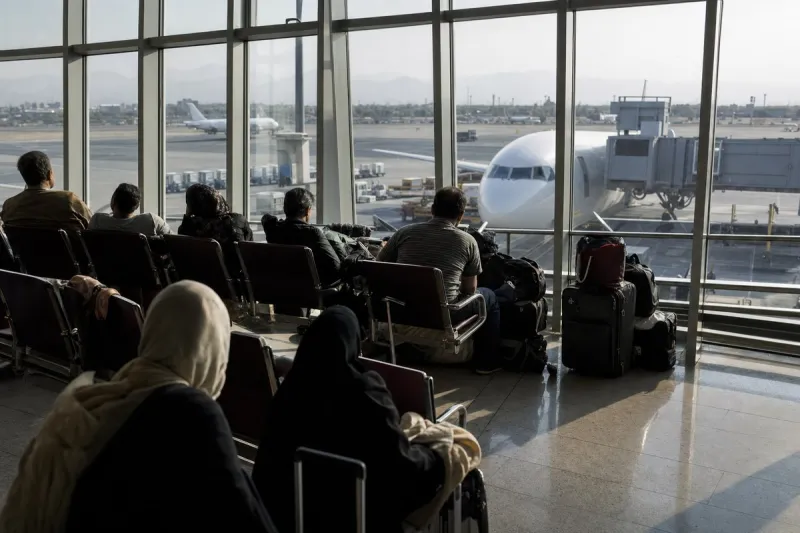
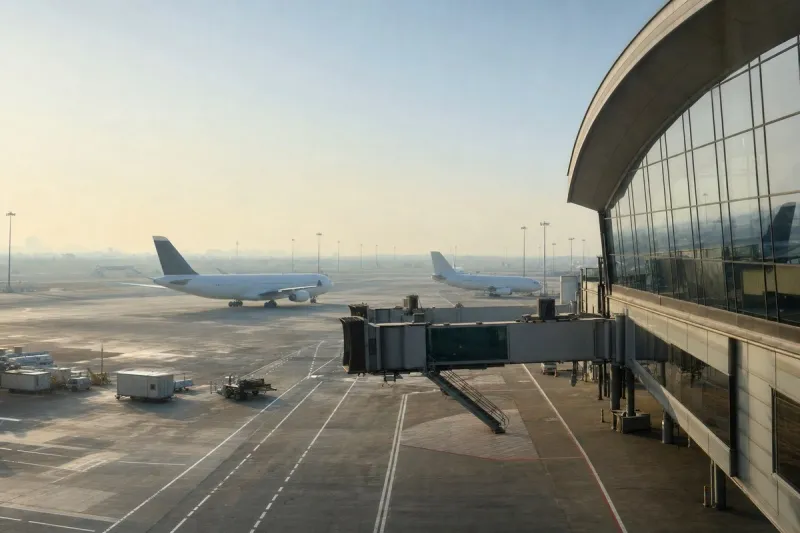
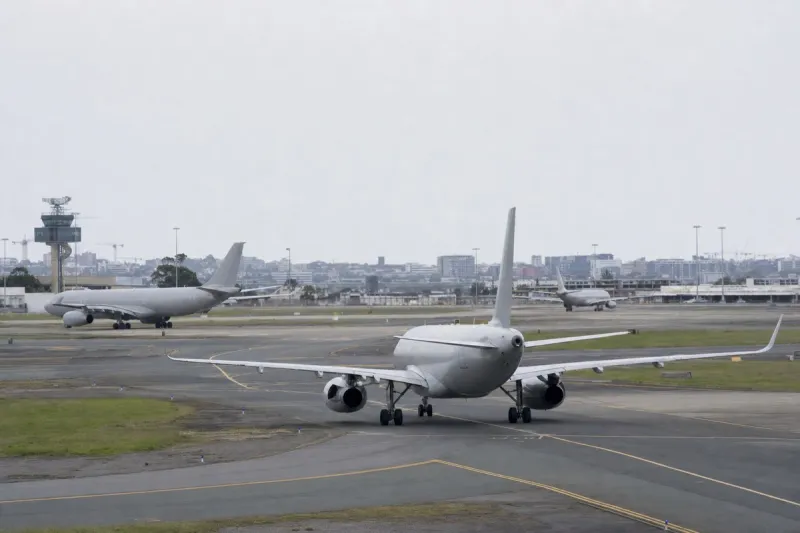
Catania Airport in Sicily has been closed for three consecutive days after Mount Etna erupted over the weekend, producing a 4-kilometre ash cloud that drifted toward the airport. The closure has been extended until 11:59 pm on September 28, with flights to and from the airport cancelled or delayed.
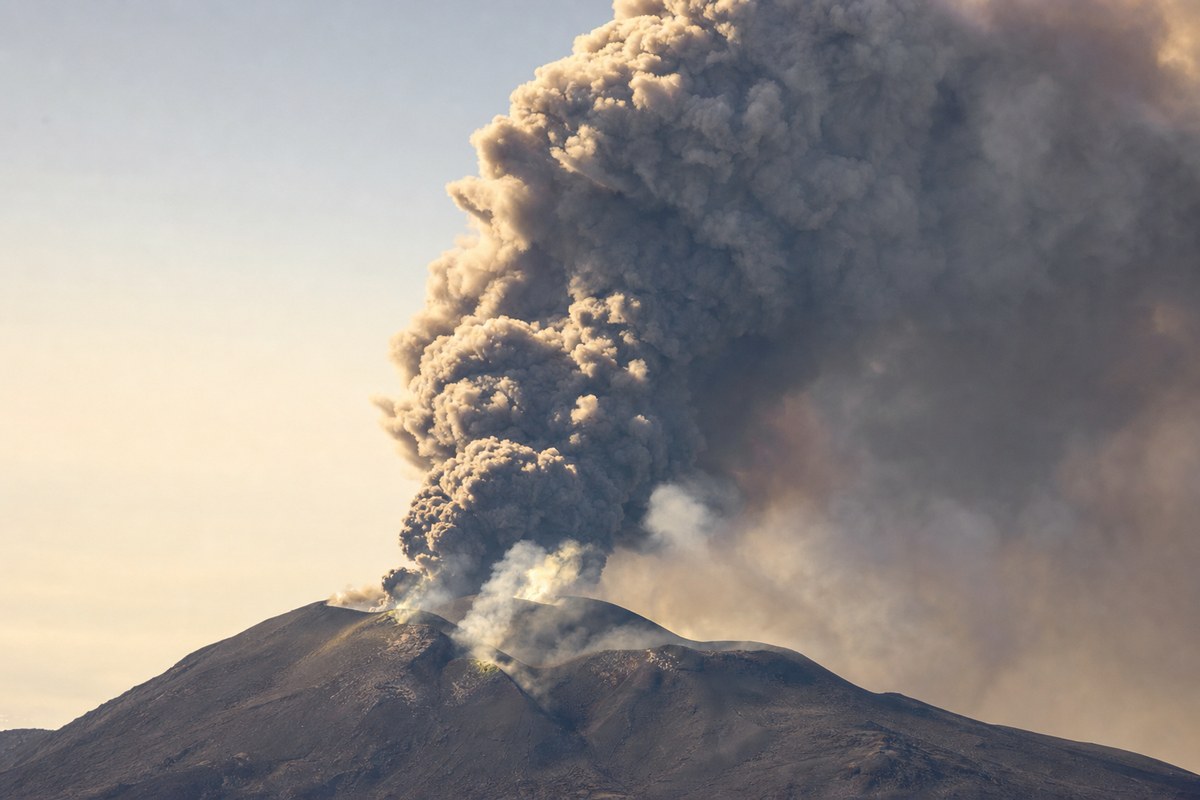
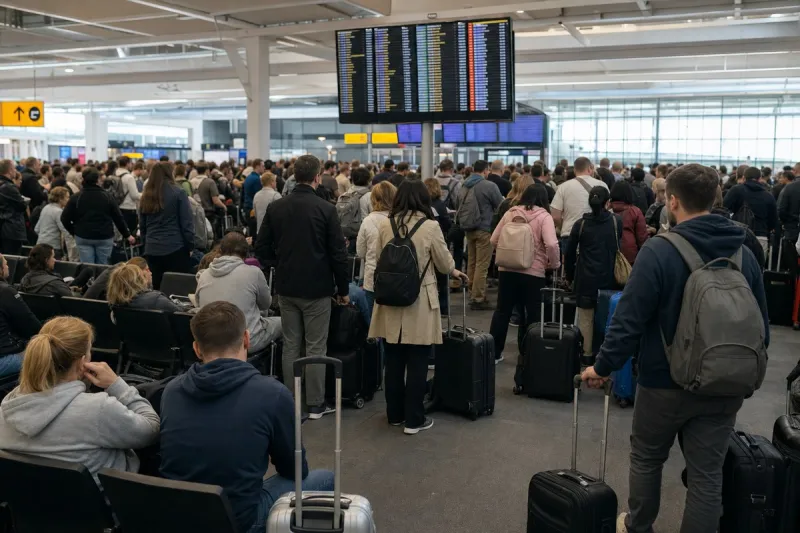
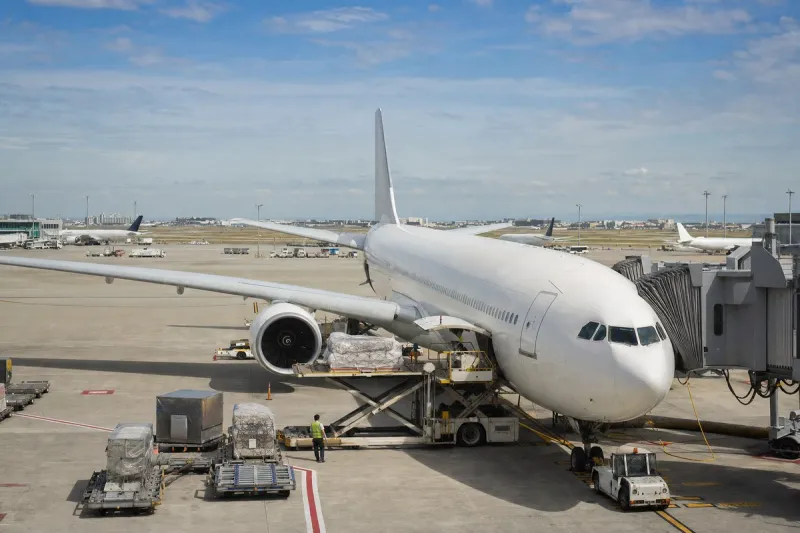
The ash cloud originated from Etna's north-east crater and moved toward Catania, prompting the closure of two airspace sectors. A red flight warning — the highest level on a four-tier alert scale — remains in force. Passengers have been advised to check their flight status before travelling to the airport, and among the affected services are flights to and from destinations in the United Kingdom.
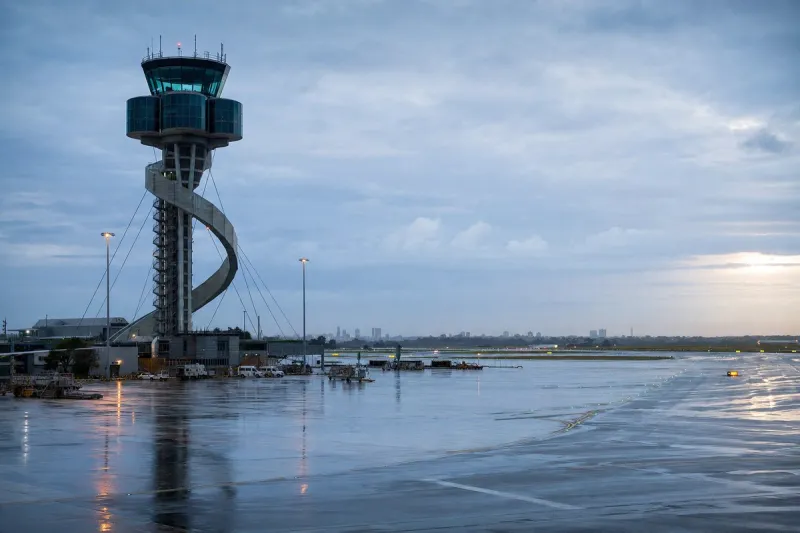
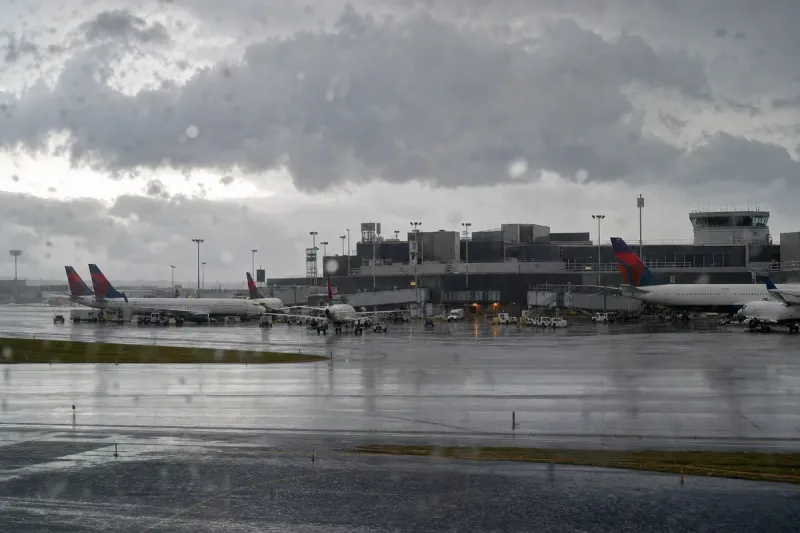
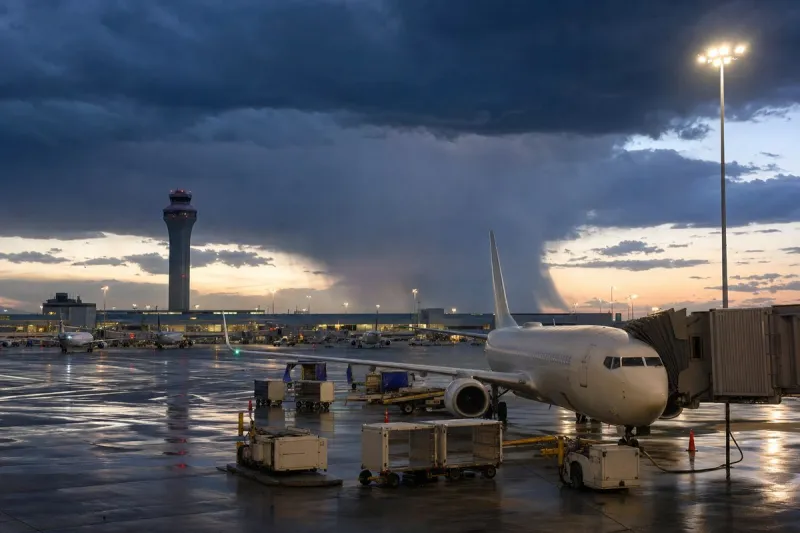
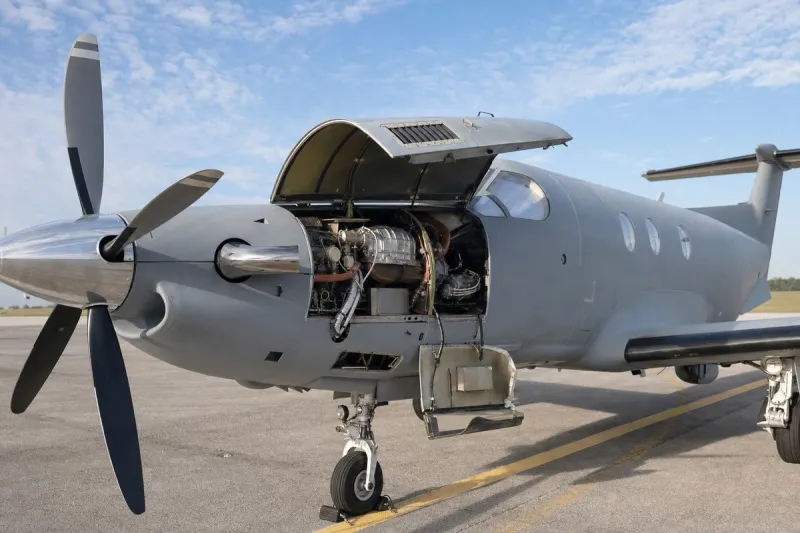
Volcanic ash poses a serious hazard to aircraft: the fine abrasive particles can be ingested by jet engines, damaging components and potentially causing power loss. Ash can also impair cockpit instruments, reduce visibility, and make runways slippery, particularly when wet. The US Federal Aviation Administration has warned that flying into a volcanic ash cloud is "exceedingly dangerous" and that avoidance is the most critical precaution, noting that ash clouds are typically not detected by airborne radar or air traffic control radar.
Industry impact & what to watch
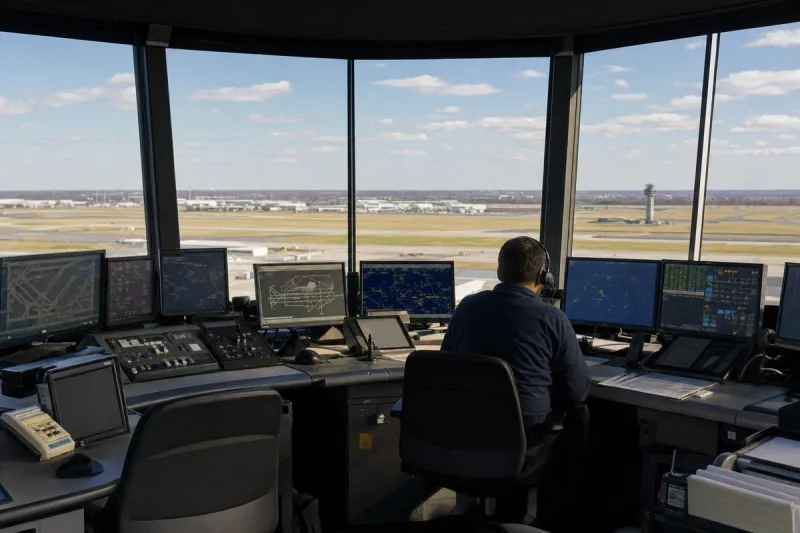
Volcanic eruptions near active airports put a rare, physical constraint on aviation that traffic management tools cannot resolve: engines and instruments have no safe tolerance for ash, so the only workable response is closure and airspace sector avoidance until conditions clear. The four-tier alert scale exists precisely because ash concentration and drift direction can change quickly, and a red warning means authorities judge the risk as immediate rather than precautionary.
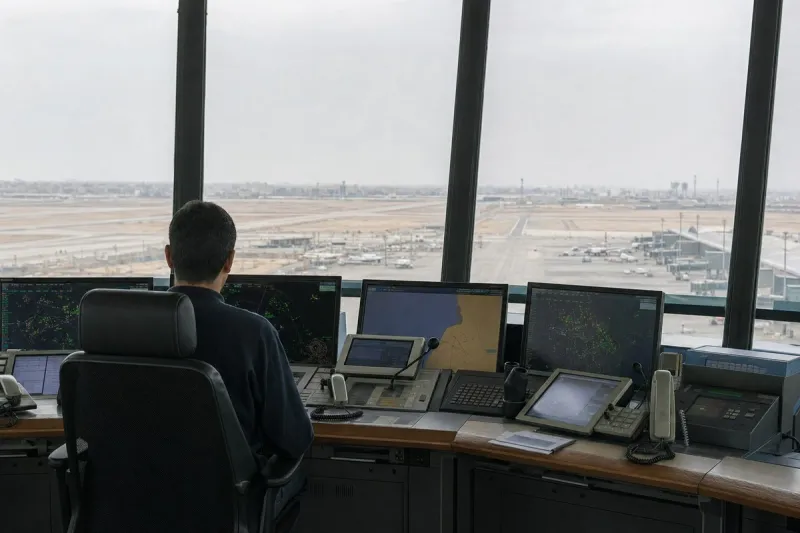
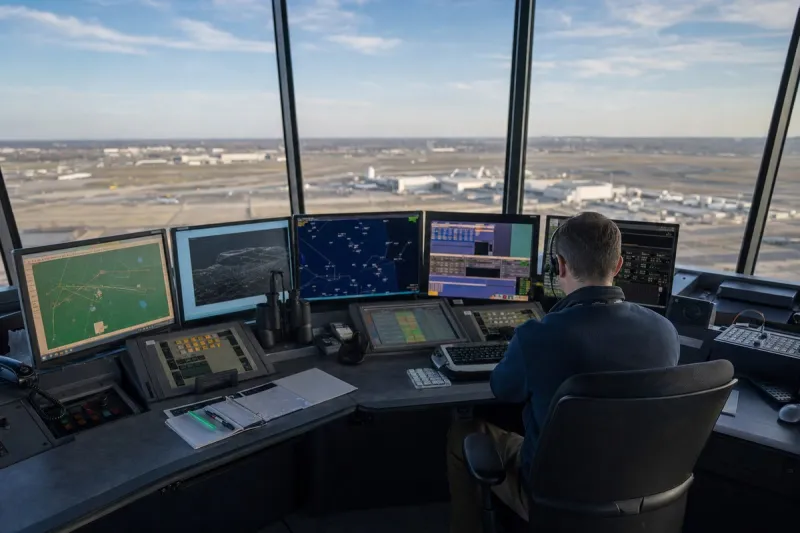
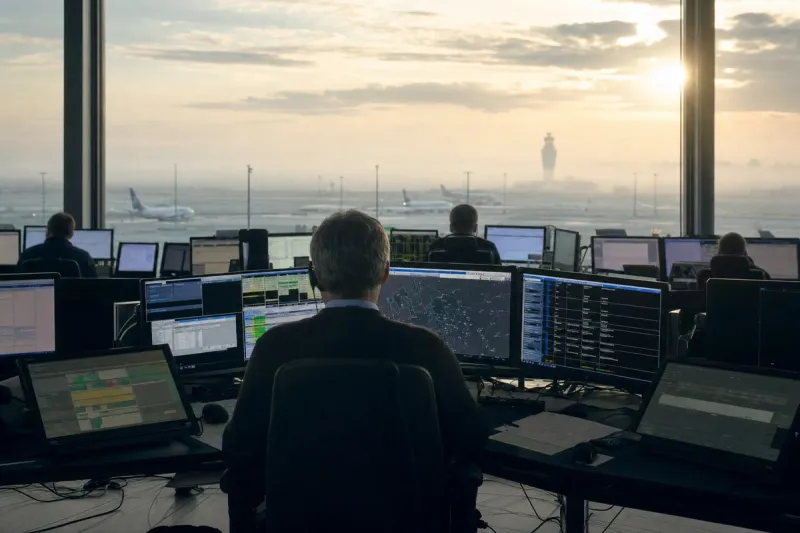
This is why airlines route around, rather than through, active ash zones, and why the FAA frames avoidance as the central defense — radar cannot reliably detect ash, so operators depend on ground-based volcanic activity reporting and airspace sector closures instead of onboard detection. Passengers on affected routes, including UK-bound and UK-origin flights, face cancellations or delays until the sectors reopen.
What happens next depends on Etna's continuing activity: whether the north-east crater keeps producing ash, whether the plume shifts away from Catania's approach paths, and whether authorities downgrade the red warning once airspace sectors are judged clear.