Joby Aviation Completes Autonomous J208 Flight in Utah as Part of Coast-to-Coast Electric Skies Tour
Why It MattersThe demonstration shows advanced air mobility advancing through state-level data gathering and multi-state coalitions as much as through aircraft certification, shaping infrastructure and operating rules before commercial service begins.
What happened
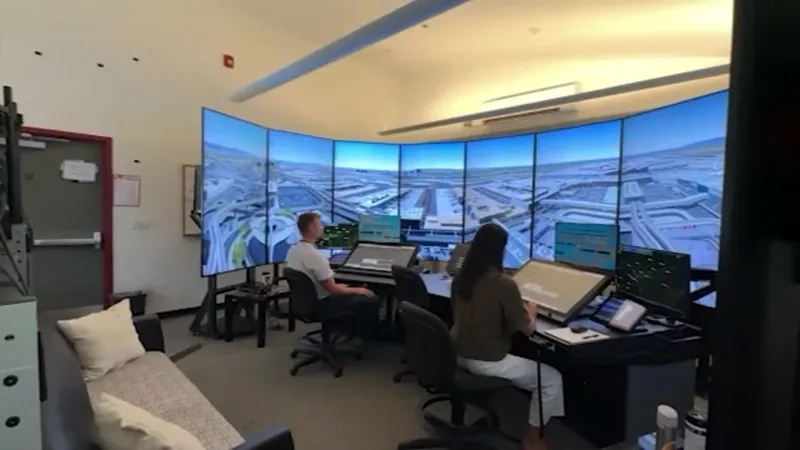
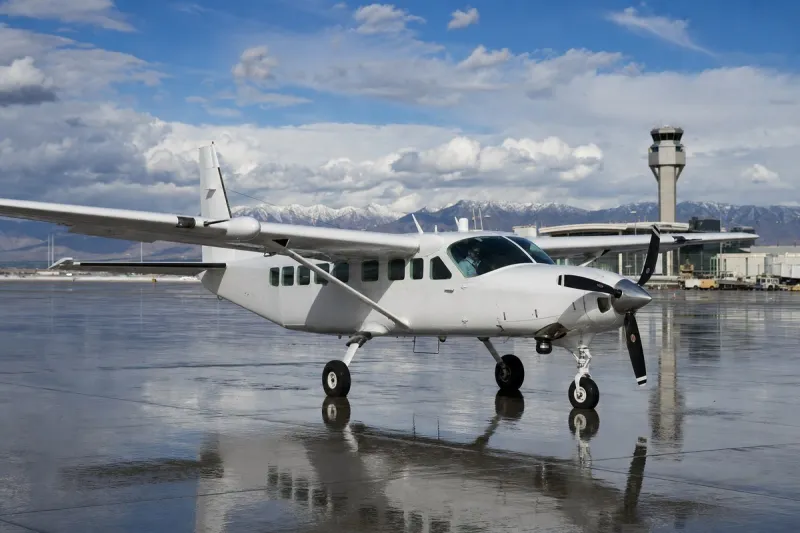
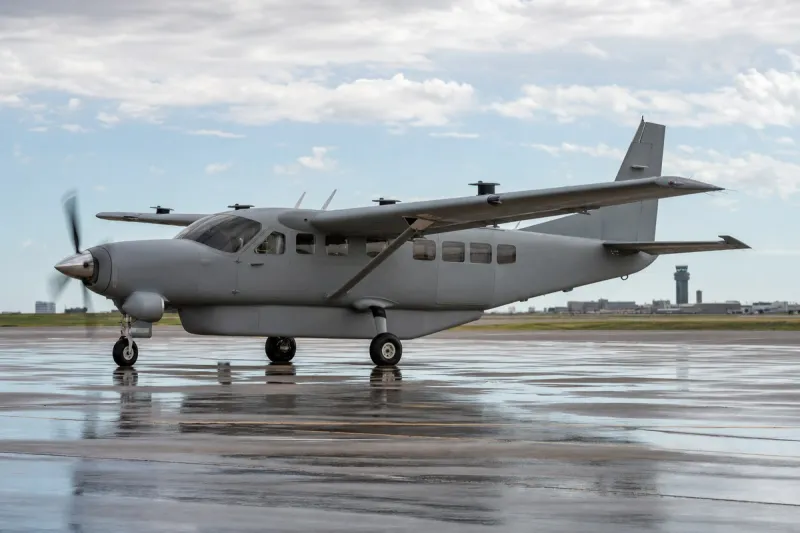
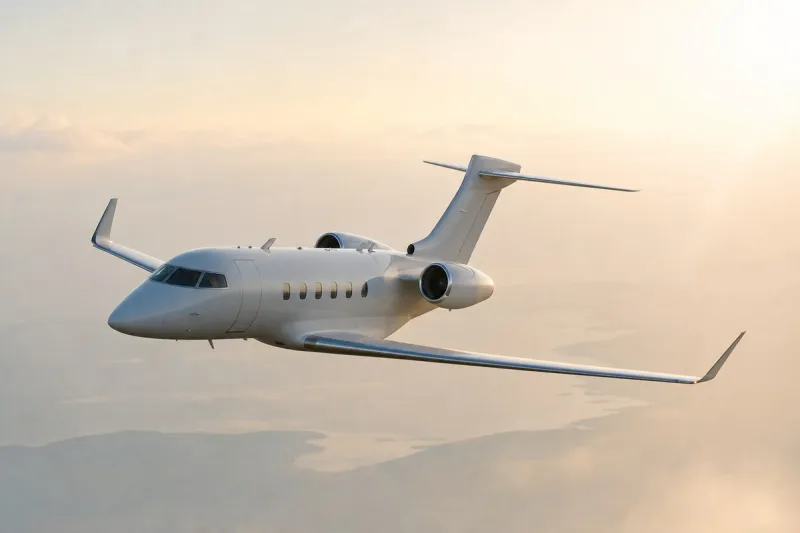
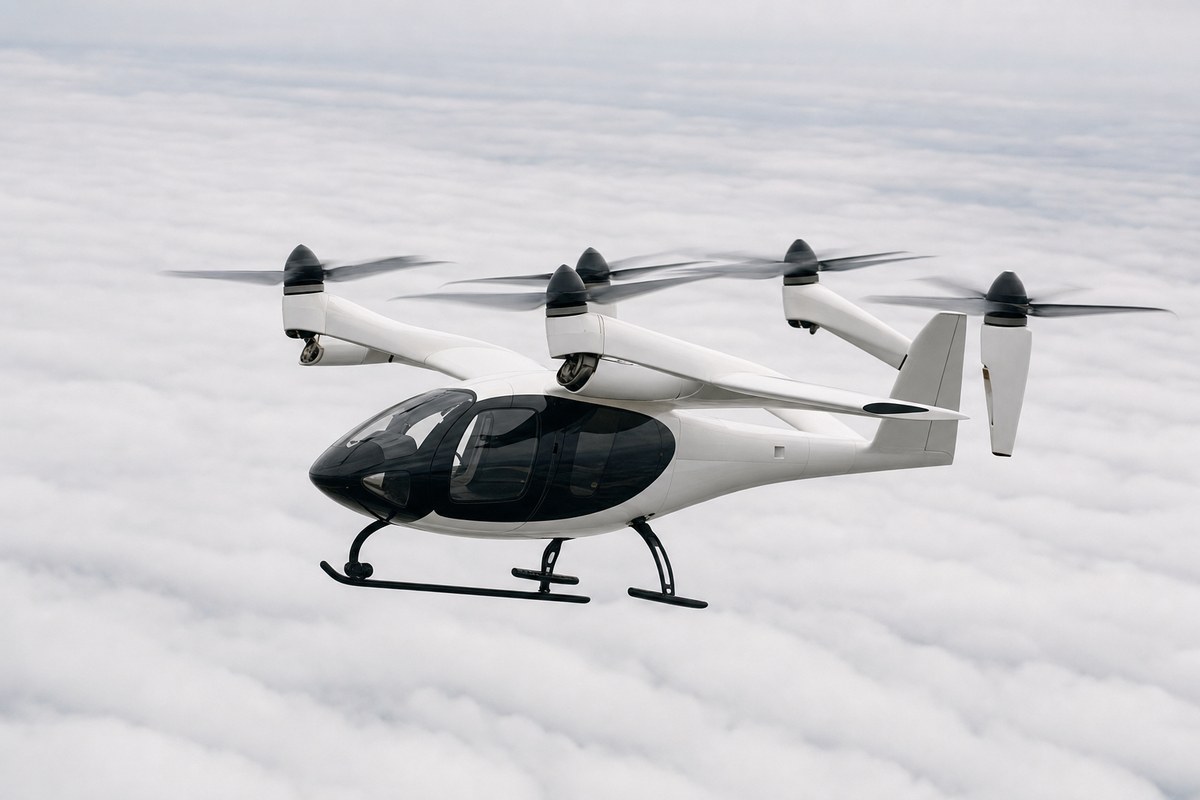
The Utah Department of Transportation hosted Joby Aviation on September 30, 2026, as the company remotely operated its supervised autonomous J208 aircraft, equipped with Superpilot™ autonomous flight technology, within the state. The flight formed part of Joby Aviation's Electric Skies tour, a coast-to-coast demonstration covering a dozen cities across 5,541 nautical miles, with Utah serving as the second-to-last stop on the route.
UDOT Aeronautics Director Matt Maass said the demonstration is generating data to inform safety standards, infrastructure decisions, and operating best practices for Advanced Air Mobility deployment across Utah. Bonny Simi, President of Operations at Joby Aviation, said "As the lead state of the uFLY coalition, Utah is actively designing the future of flight," adding that "multi-state collaboration is the key to scaling advanced air mobility." Aaron Starks, president and CEO of 47G, said autonomous aviation represents a significant economic opportunity for Utah businesses, attracting investment and high-skilled jobs while strengthening the state's aerospace and defense sector.
State officials pointed to Hill Air Force Base, the Utah Test and Training Range, an aerospace and defense supply chain, and research institutions as assets supporting Utah's position in autonomous aviation development. Officials also noted that 90% of Utah residents live within 30 minutes of a regional airport, and envision autonomous aircraft as part of a broader transportation network linking communities to airports, transit, and roadways, complementing rather than replacing existing systems.
Industry impact & what to watch
This flight fits into a broader pattern of advanced air mobility developers using multi-stop demonstration tours to build state-level relationships and generate operating data ahead of any commercial launch. Rather than seeking certification milestones alone, Joby is pairing its aircraft with state transportation agencies that control airspace access, infrastructure siting, and safety coordination at the local level.
The uFLY coalition structure that Utah leads illustrates how this segment increasingly depends on coordination across states rather than within a single jurisdiction, since routes, infrastructure, and regulatory approaches need to align across borders for autonomous air taxi networks to function. Economic development figures like Aaron Starks frame this as a supply-chain and jobs opportunity tied to existing aerospace and defense assets such as Hill Air Force Base and the Utah Test and Training Range.
What happens at the remaining stop on the Electric Skies tour, and how UDOT translates the flight data into concrete safety standards and infrastructure decisions, will indicate how quickly Utah moves from demonstration to operational planning for autonomous aircraft.