Princeton-Caldwell County Airport Runway Rehabilitation Nearly Complete, Temporary Closure Planned for Final Striping
Why It MattersSmall general-aviation airports often depend on FAA-state funding structures to complete major runway work without imposing costs on local governments, shaping how such facilities plan capital projects.
What happened
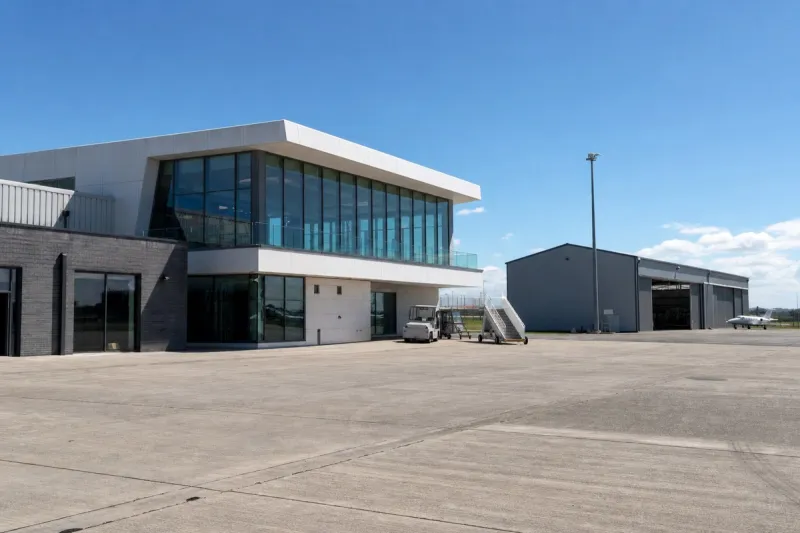
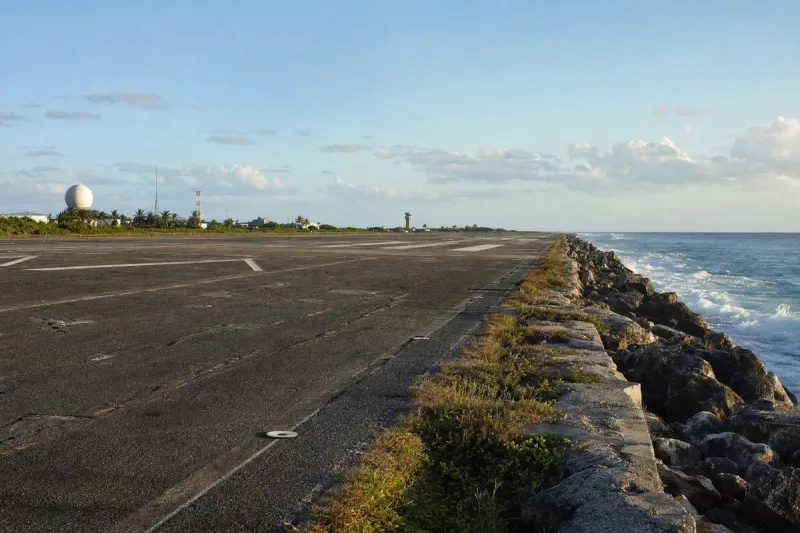
The runway rehabilitation project at Princeton-Caldwell County Airport is nearing completion, with a temporary closure planned for around September 30 or early October to complete final striping, according to airport board member Phillip Sisk.

The project included crack repairs, taxi runway repairs, drainage upgrades, and a final asphalt top layer. It ran approximately one week over schedule due to difficulties obtaining the required asphalt mixture, and the total cost came in at just under $2 million. Sisk said the temporary closure for striping is not expected to significantly disrupt traffic in the coming months. The project was fully state-funded, with the Federal Aviation Administration covering the primary costs and the state providing matching funds, meaning no local expense was incurred by the city or county.
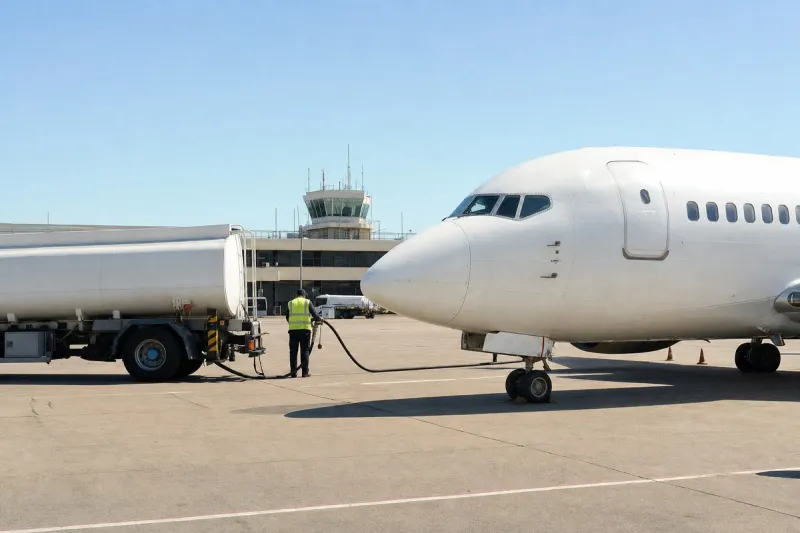
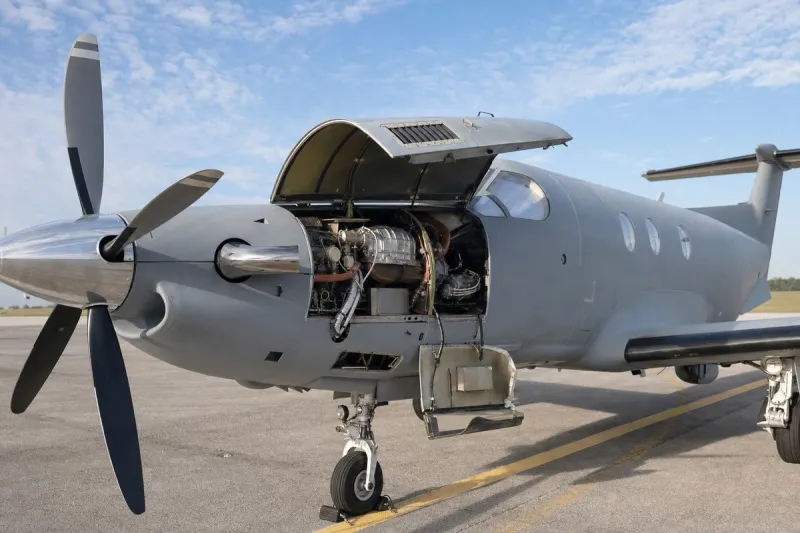
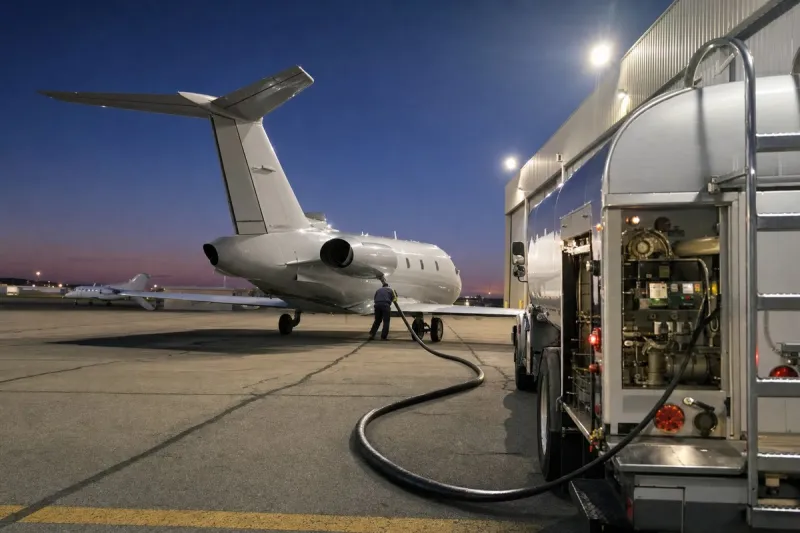
Looking ahead, the airport is preparing to solicit bids for a runway lighting project. Sisk said actual construction is not expected to begin until spring 2027, as equipment must be ordered well in advance, and no cost estimates for the lighting project have been released yet. Sisk also expressed interest in eventually adding a T-hangar to the facility, though he acknowledged expansion is likely several years away. He believes increased hangar capacity could double the airport's fuel sales, and noted that the airport strives to keep fuel prices competitive while serving business travelers, military personnel, and elected officials.
Industry impact & what to watch
This project illustrates how small county airports typically fund major infrastructure: through FAA primary funding paired with state matching dollars, sparing local budgets from the cost of runway rehabilitation. That financing structure is a common pattern for general-aviation fields that lack the traffic volume to generate large self-funded capital reserves.
The sequencing also shows how these airports plan multi-year capital pipelines one project at a time — runway work first, lighting next, hangar expansion after that — with each step gated by procurement timelines like the spring 2027 start Sisk described for lighting construction. Hangar capacity, in turn, is tied directly to fuel sales volume, which airport boards treat as a core revenue lever.
What happens next will depend on the bid results for the lighting project and whether cost estimates, once released, keep the airport on a similarly low-burden funding path. The T-hangar expansion remains an idea Sisk has floated rather than a funded plan, and its timing will hinge on when the airport board formally pursues it.