Business Aviation Operators Push Back Against FBO Fee Hikes as Signature and Atlantic Defend Surcharge Practices
Why It MattersFBO fee disputes highlight how private-equity ownership and airport-level market power, rather than outright national concentration, can still shape pricing dynamics operators face at individual facilities.
What happened
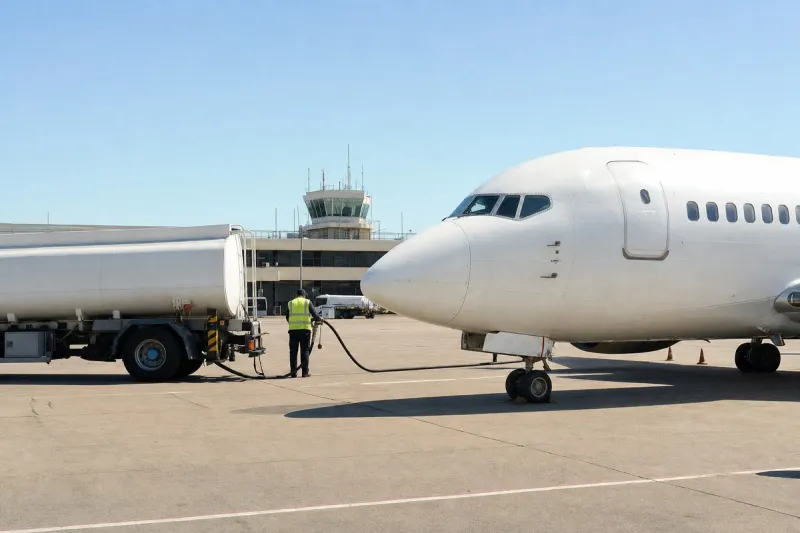
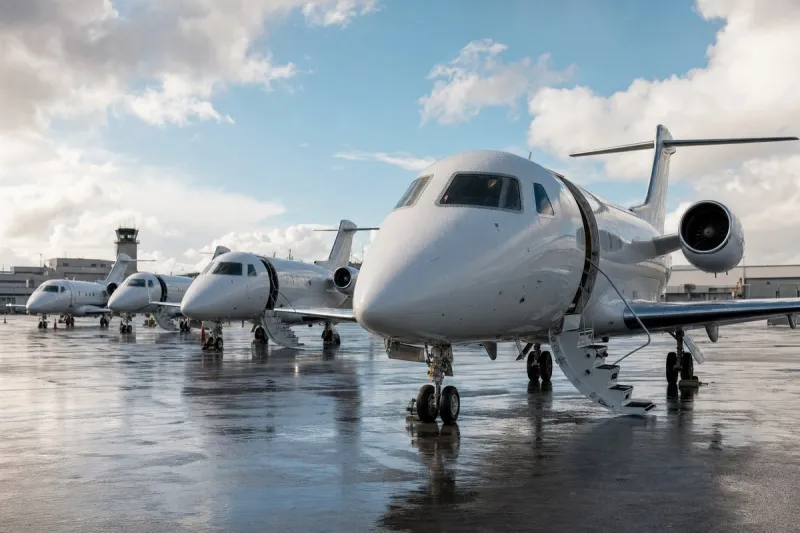
Business aviation operators have escalated public criticism of fees charged by Fixed Base Operators, arguing that private-equity-backed consolidation is giving major FBO chains outsized pricing power at key airports. Kenn Ricci, principal of Directional Aviation and chairman of Flexjet, said conditions that were "mildly annoying" a year ago are now "offensively egregious." Eric Zipkin, CEO of turboprop operator Tradewind Aviation, called airport access "the greatest threat" to his business, saying private-equity-backed FBO chains have raised fees by "ridiculous amounts in many cases" while focusing on "maximising short-term financial returns."
Special event fees drew particular scrutiny. Signature Aviation said fewer than 1% of its transactions over the past 12 months incurred an event fee, including during elevated demand tied to the 2026 FIFA World Cup. Atlantic Aviation said special event fees account for less than 2% of its turnover, and executive vice president John Redcay said the rise in fuel costs from commodity prices alone exceeded total peak-period surcharges combined over the same period. Derek DeCross, chief commercial officer at Signature Aviation, said the company's annual concession and airport rent charges rose by more than $90 million — an increase of more than 40% — between 2021 and 2025, and that Signature invested over $3.6 billion in capital across safety, infrastructure and technology during that period.
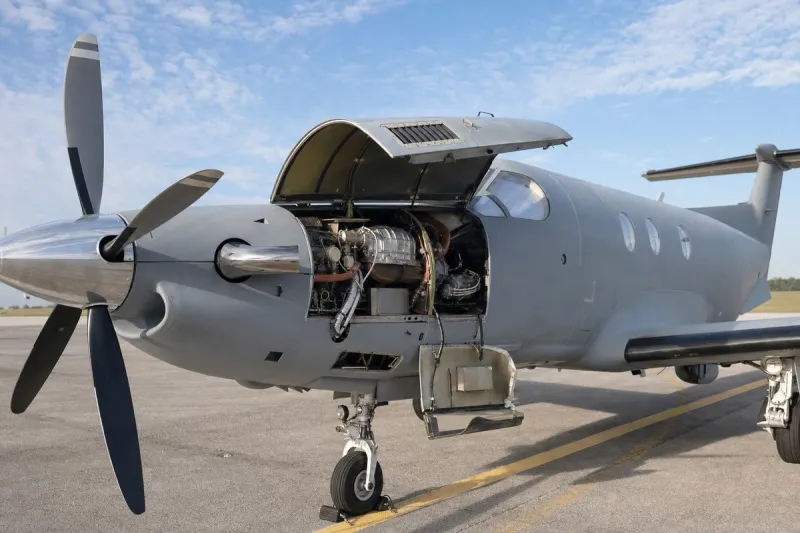
The FBO sector has been reshaped by large private equity transactions. KKR acquired Atlantic Aviation in 2021 and recently sold a stake to Apollo Global Management in a deal valuing Atlantic at approximately $10 billion. Signature Aviation was acquired for $4.7 billion in May 2021 by Blackstone, Global Infrastructure Partners and a Bill Gates investment vehicle. Signature and Atlantic together hold FBOs at fewer than 10% of the more than 3,300 US business aviation airports, and analysis of the top 100 airports by 2025 traffic shows the two chains fall just under the Herfindahl-Hirschman Index threshold of 1,800 used by regulators to assess concentration risk. Ricci is attempting to build an industry coalition to speak with a unified voice and has raised antitrust concerns over FBO consolidation, while Zipkin called on NBAA, NATA and AOPA to advocate collectively for operators. Dan Hubbard, NBAA spokesperson and acting chief operating officer, said the association supports fair and transparent fees and is engaging FBOs to understand how special fees are determined and justified. Andrew Schmertz, CEO and co-founder of Hopscotch Air, a Cirrus SR22 operator on the US east coast, said strong relationships with FBO landlords Atlantic Aviation and Modern Aviation have shielded his operation from significant problems, though he urged FBOs to service piston and turboprop aircraft on equal terms with corporate jets.
Industry impact & what to watch
This dispute belongs to a broader tension between consolidating infrastructure owners and the operators who depend on their facilities, where perceived pricing power draws scrutiny even when national market-share figures look unconcentrated. Signature and Atlantic's combined presence at fewer than 10% of US business aviation airports, and their position just under the regulatory concentration threshold at the top 100 airports, indicates the friction is airport-specific rather than a nationwide duopoly problem.
How FBO pricing actually works depends heavily on local conditions: at a handful of high-demand airports, an operator may have little practical alternative to the incumbent chain, even if that chain's footprint is small in national terms. That gap between aggregate market statistics and on-the-ground bargaining power is exactly what Ricci's coalition effort and Zipkin's call for NBAA, NATA and AOPA involvement are trying to address collectively rather than airport by airport.
What happens next will likely hinge on whether NBAA's engagement with FBOs on fee transparency produces disclosed methodologies for special event and concession charges, and on whether Ricci's coalition can translate individual grievances into a unified negotiating position. Signature's and Atlantic's own disclosures — event-fee incidence below 2% of turnover, and cost pressures like fuel and rising airport rents — will remain the central data points either side of the debate cites as evidence.