Sanad's Al Ain GTF engine centre will require more than 1,000 technicians when fully operational
Why It MattersAs MRO capacity expands to meet forecast fleet growth, aerospace hubs increasingly compete on workforce pipelines and local talent development rather than facility size alone.
What happened
Sanad's planned GTF engine maintenance centre in Al Ain is expected to require more than 1,000 technicians when it reaches full operations, according to Kashish Kohli, Group Chief Financial Officer and SVP of the Asset Management Division at Sanad. Kohli said the company does not intend to fill all those positions with expatriate workers, describing the talent shortage as a global challenge. Sanad's workforce grew 44% year on year in the first half of 2026 to 898 employees, with Emiratisation reaching 36.9% and UAE nationals holding 51.6% of senior leadership positions.
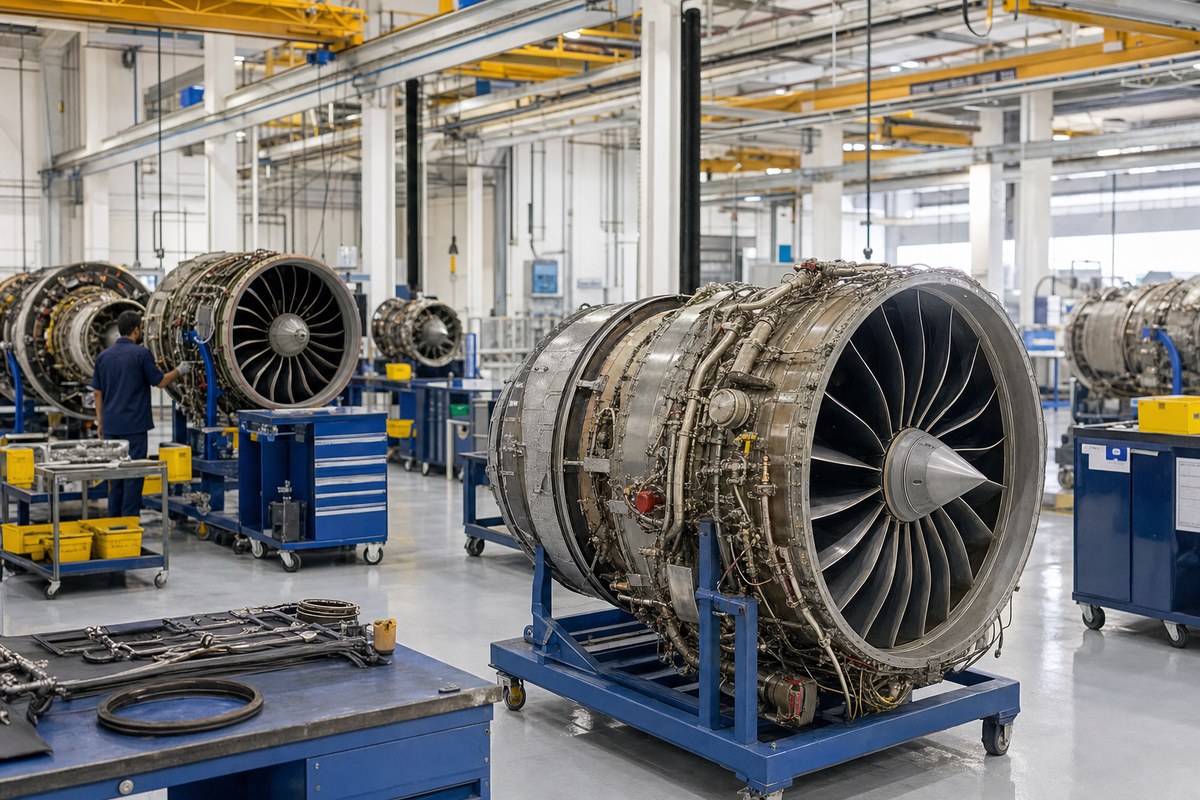
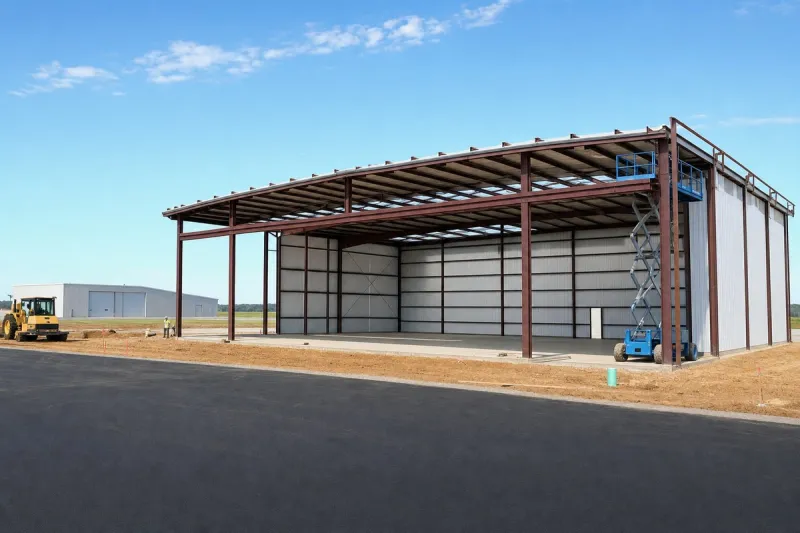
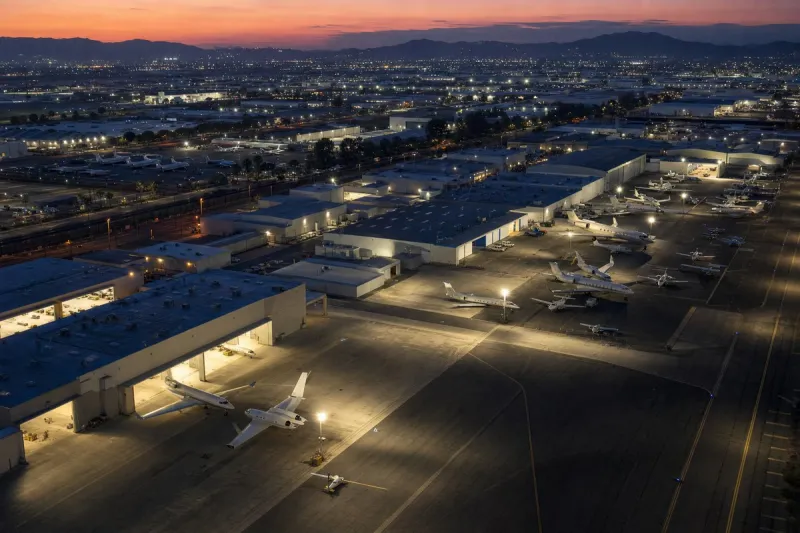
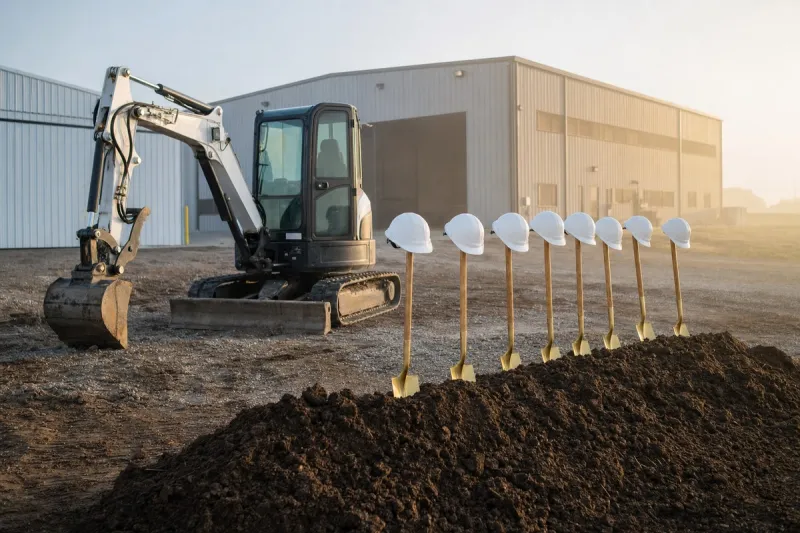
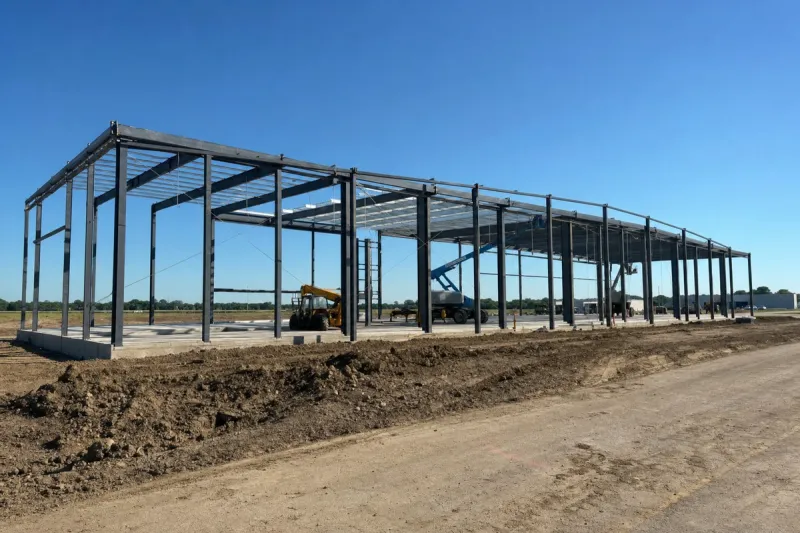
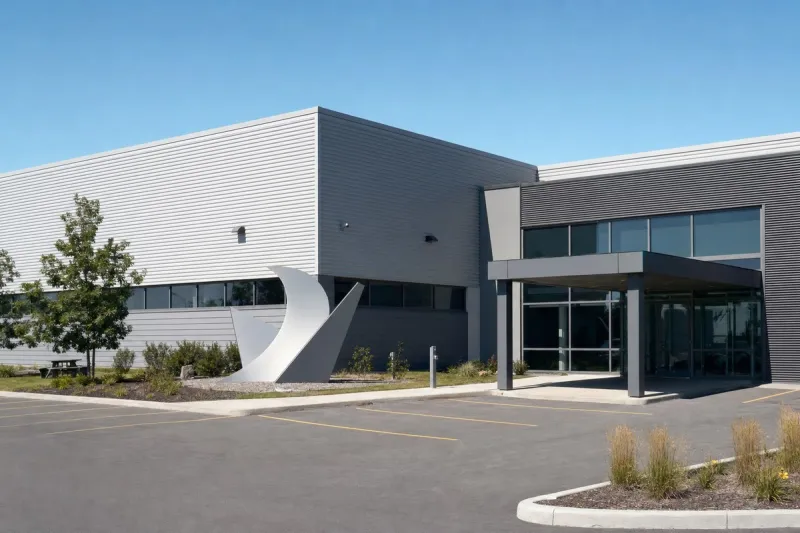
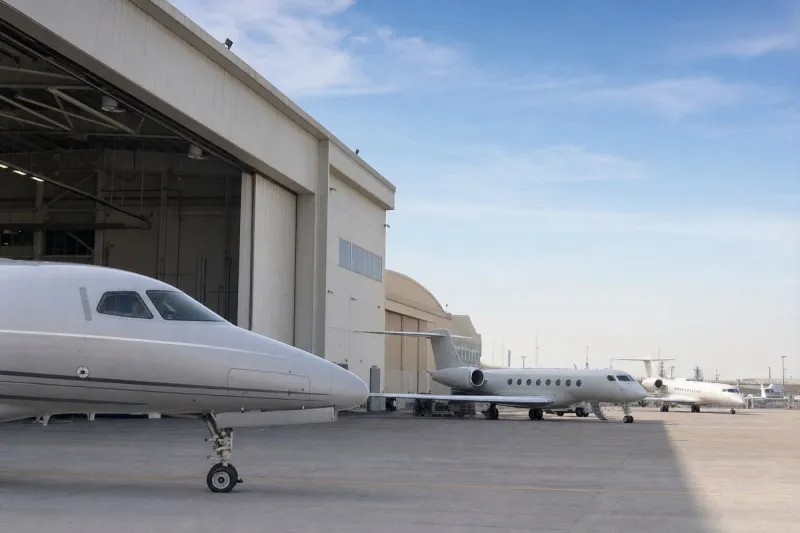
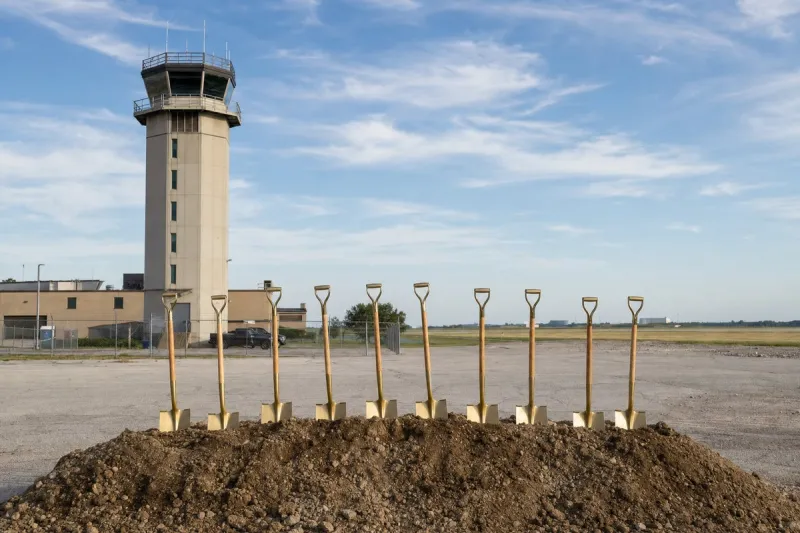
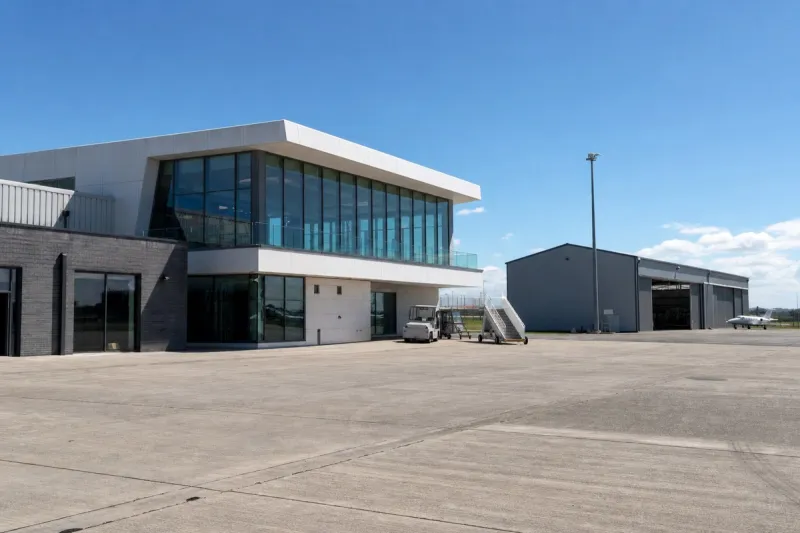
Sanad is building two facilities in Al Ain. The GTF Engine MRO Centre spans more than 64,000 square metres and is planned to become the world's second-largest GTF engine maintenance centre, with engine inductions scheduled to begin in 2028. The second facility is the Dh480 million Repair Centre of Excellence, an approximately 17,600-square-metre site expected to support more than 350 jobs and handle up to 65,000 repaired parts annually once fully operational by 2030.
Sanad has invested more than Dh800 million over the past two years in UAE aerospace infrastructure. The company inducted 120 engines in the first half of 2026, a 33.3% increase year on year, while engine deliveries rose 53.8%. Its existing network is expected to reach annual capacity of approximately 275 to 300 engine shop visits before the GTF facility opens.
The Asset Management division deployed approximately AED165 million in the first half of 2026 across engine acquisitions, repair and rebuild activities, acquiring 11 engines and bringing the active portfolio to 17 assets. Sanad generated AED4.31 billion in revenue during the period, up 35% year on year, serving more than 80 airlines, lessors and original equipment manufacturers globally, with 99% of revenue coming from international customers. Eight new commercial agreements worth AED95.5 million were secured in the same period. Engine platforms currently supported by Sanad include the Trent 700, V2500, GEnx and LEAP, with GTF capability scheduled to be added in 2028.
Fleet growth driving the expansion
Kohli cited Oliver Wyman projections showing the global commercial fleet is expected to grow from around 30,000 aircraft today to close to 41,000 by 2035–2036, with the Middle East recording annual growth of about 5%. Boeing expects the regional fleet to more than double by 2044.
Industry impact & what to watch
An MRO buildout of this scale shows how engine maintenance capacity is being planned years ahead of aircraft deliveries, with facility construction, staffing and platform certification all timed against fleet-growth forecasts rather than current demand alone. A network that already runs close to 300 engine shop visits a year is adding a second-largest-in-the-world GTF centre specifically because projected fleet growth in the region and globally is expected to outstrip existing shop capacity.
The segment's economics depend on lining up three separate clocks: when new-generation engines like the GTF actually need shop visits, when a facility can be built and certified to handle them, and when a local technician pipeline can be trained to staff it. Sanad's own commentary that expatriate hiring alone won't fill more than 1,000 technician roles points to workforce development, not construction, as the constraint most likely to determine whether the 2028 induction date holds.
What happens between now and the 2028 start of engine inductions, and the 2030 full-operations date for the Repair Centre of Excellence, will show whether Emiratisation targets and technician training keep pace with the physical buildout already under way.