Two Indian SMEs with ROCE above 30% capitalise on private charter and pilot-training growth
Why It MattersScreens like this show how thinly traded aviation SME stocks can still post strong capital-efficiency metrics, even as regulatory dependence and slow capacity-to-revenue conversion keep liquidity and volatility risks elevated.
What happened
FlySBS Aviation and Flywings Simulator Training Centre, two small-cap Indian aviation companies, passed a financial-quality screen that required return on capital employed (ROCE) above 15%, debt-to-equity below 0.5, positive operating and free cash flow, three-year sales and profit growth above 10%, and market capitalisation above Rs 100 crore.
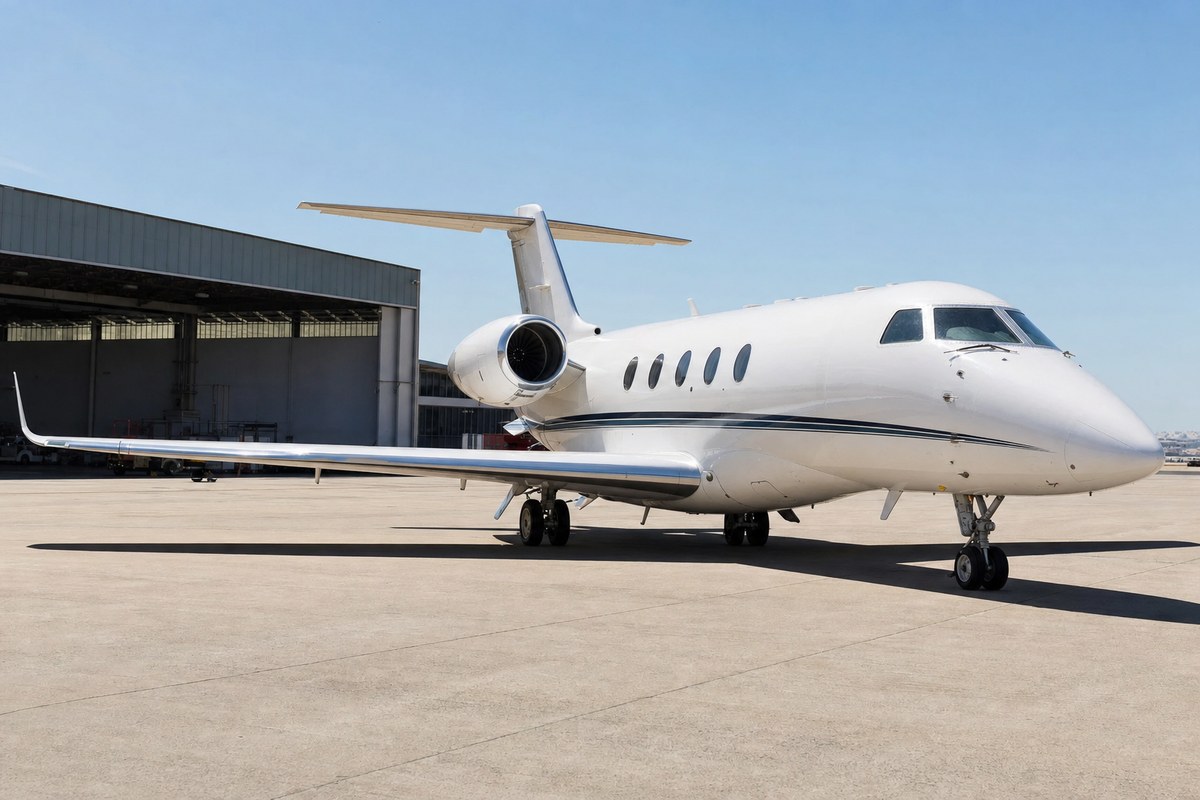
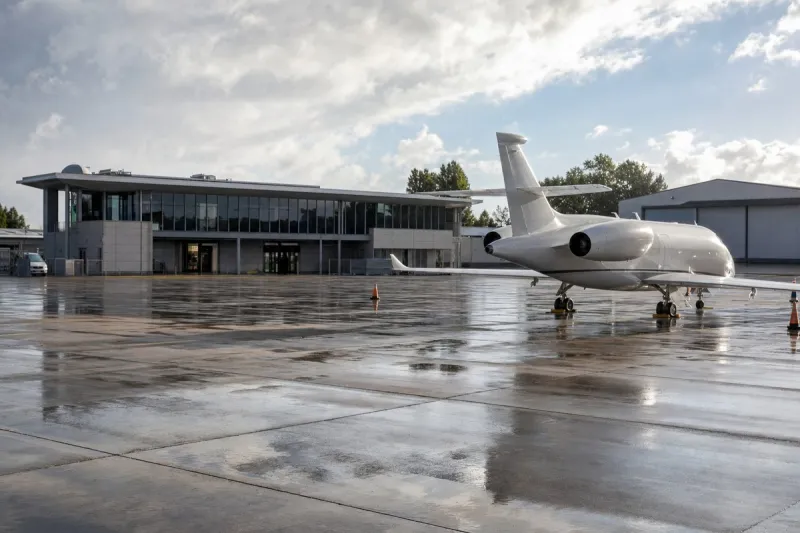
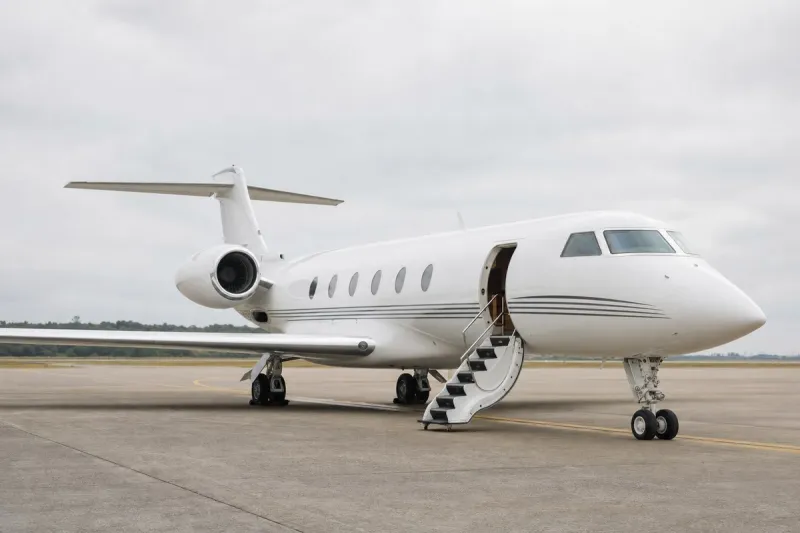
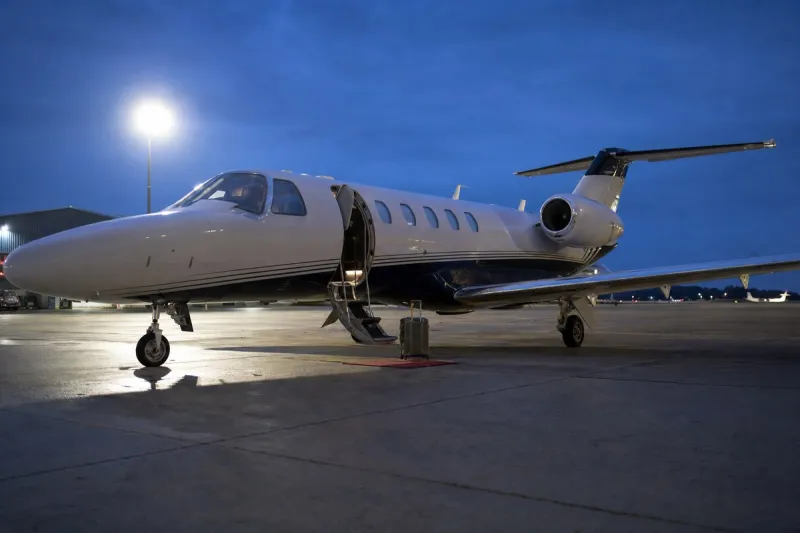
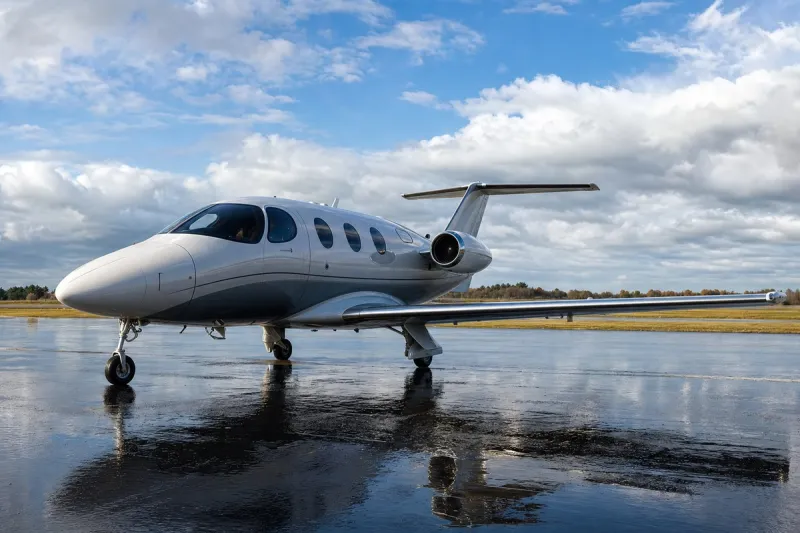
FlySBS Aviation, headquartered in Chennai, operates private non-scheduled air-charter services under a DGCA-issued Air Operator Permit. The company reported a three-year sales CAGR of 111% and profit CAGR of 160%, with ROCE of 32.5% and a debt-to-equity ratio of approximately 0.12. Debtor days stood at 44. FY26 revenue from operations rose 64.3% year-on-year to Rs 318.5 crore, up from Rs 193.9 crore, while profit after tax grew 113.9% to Rs 60.7 crore from Rs 28.41 crore. Corporate clients accounted for 92.17% of FY26 revenue, and international operations generated 86.7% of revenue.
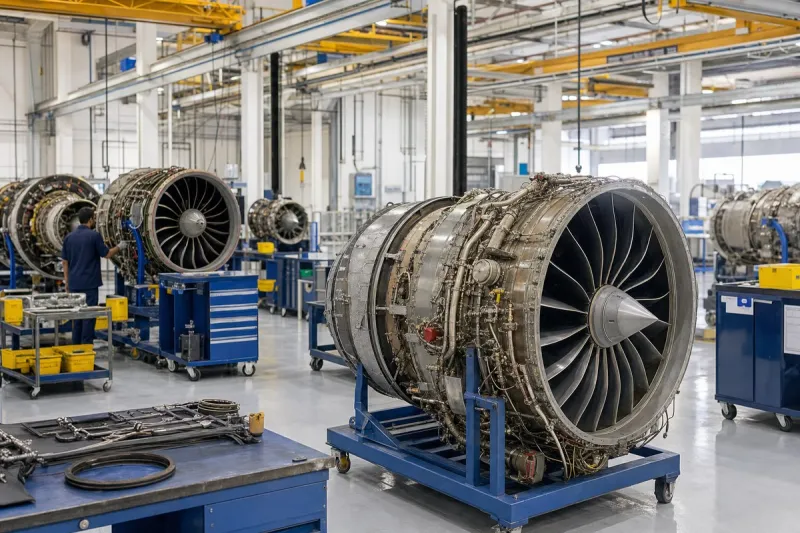
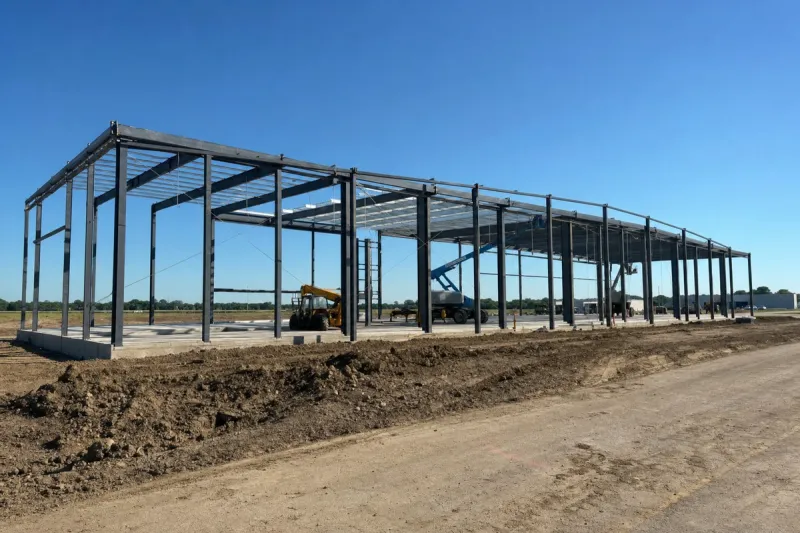
Flywings Simulator Training Centre, based in Gurugram, provides simulator-led aviation training covering cabin crew, pilots and safety programmes, and operates an MRO business. The company recorded a three-year sales CAGR of 33% and profit CAGR of 39%, with ROCE of 33.2% and debt-to-equity of approximately 0.12. Debtor days stood at 144. FY26 revenue rose 21.3% to Rs 24.51 crore from Rs 20.21 crore, while profit after tax increased 6.1% to Rs 11.43 crore from Rs 10.78 crore. Its expansion is focused on a new training facility at Taloja MIDC near Mumbai, expected to house full-flight simulators.
Both companies carry risks typical of SME-listed stocks, including lower liquidity, price volatility, dependence on DGCA regulatory approvals, and a lag between capacity additions and revenue realisation. Financial results for both are reported half-yearly rather than quarterly.
Industry impact & what to watch
This pairing illustrates a recurring category in Indian aviation small-caps: niche operators — a charter carrier and a simulator-training-plus-MRO business — clearing strict capital-efficiency screens while remaining structurally thin in trading liquidity and disclosure frequency. High ROCE and low leverage show the underlying business can generate returns without heavy borrowing, but that efficiency coexists with concentration risk, since FlySBS draws 92.17% of revenue from corporate clients and 86.7% from international operations.
Charter and training economics both depend on regulatory continuity: an Air Operator Permit for FlySBS and DGCA approvals for Flywings' training and MRO functions are preconditions for revenue, not just formalities, which is why both firms flag approval dependence as a named risk. Flywings' 144 debtor days versus FlySBS's 44 also shows how training and MRO cash conversion cycles run slower than charter billing, even when both post similar ROCE.
What to watch is Flywings' Taloja MIDC facility coming online, since new full-flight simulator capacity takes time to convert into billable hours, and the half-yearly reporting cadence for both companies means the next verifiable read on growth and margins will not arrive until their next scheduled disclosure.