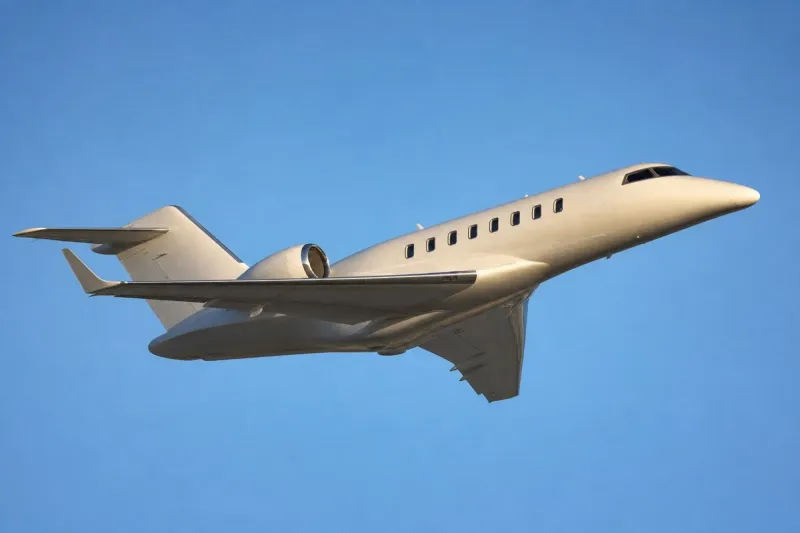
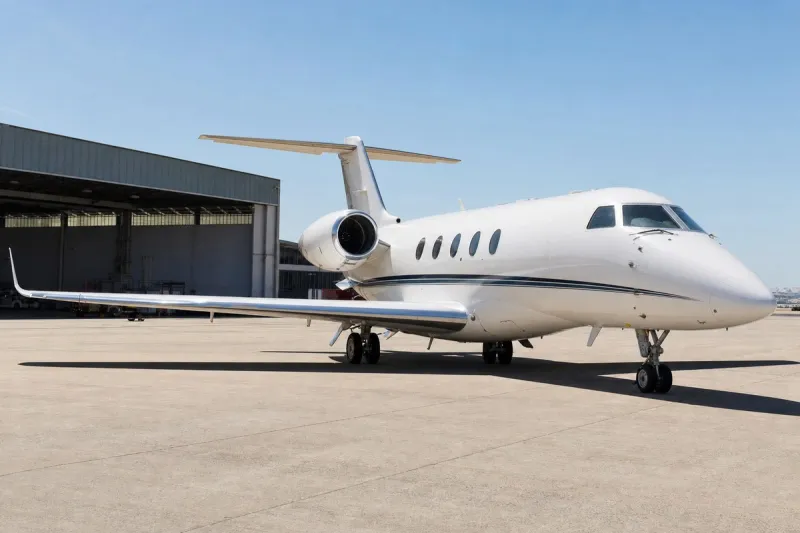
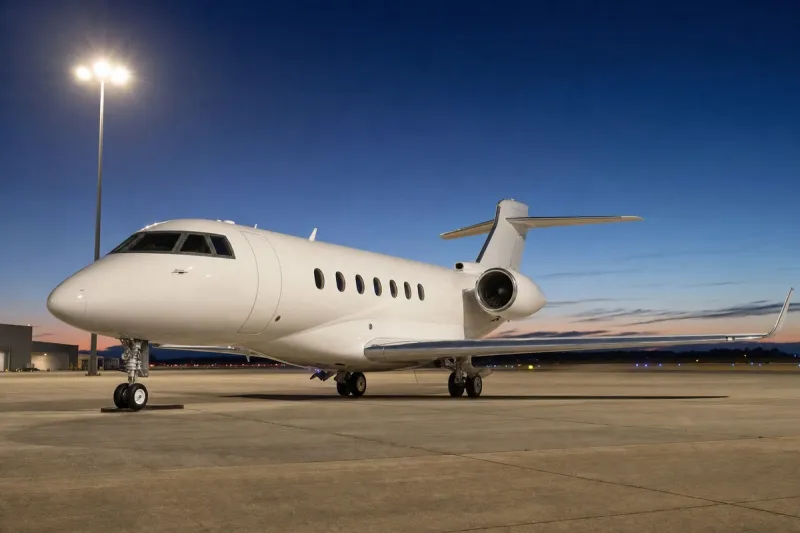
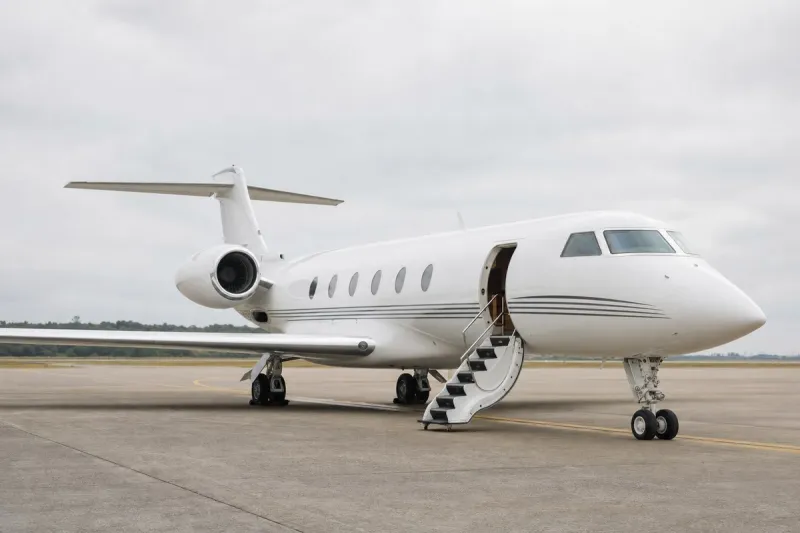
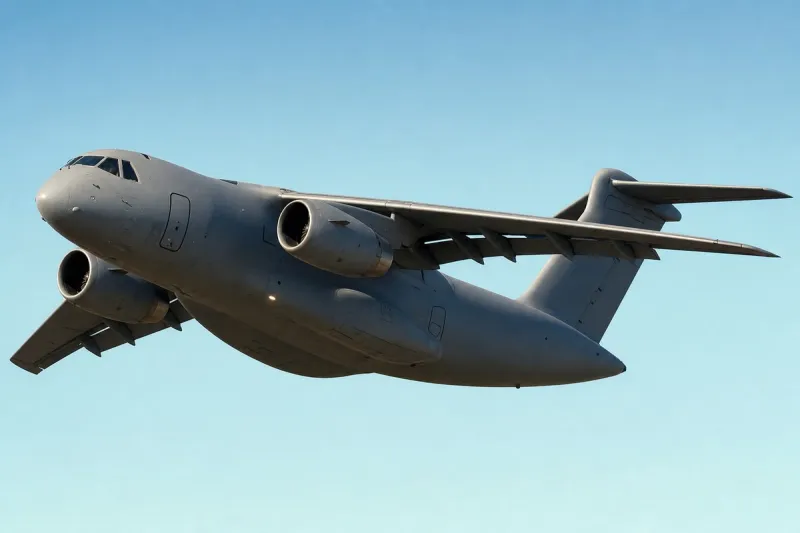
Private Jet Range by Category: From 915 nm for Very Light Jets to 8,000 nm for Ultra Long Range Aircraft
Why It MattersCharter buyers who plan routes against a manufacturer's headline range figure risk underestimating actual fuel-stop requirements once wind, payload and routing are factored in.
What happened
Published maximum range figures for private jet categories run from 915 nautical miles for Very Light Jets to over 8,000 nautical miles for record-setting Ultra Long Range demonstration flights, under standard conditions with a typical passenger load.

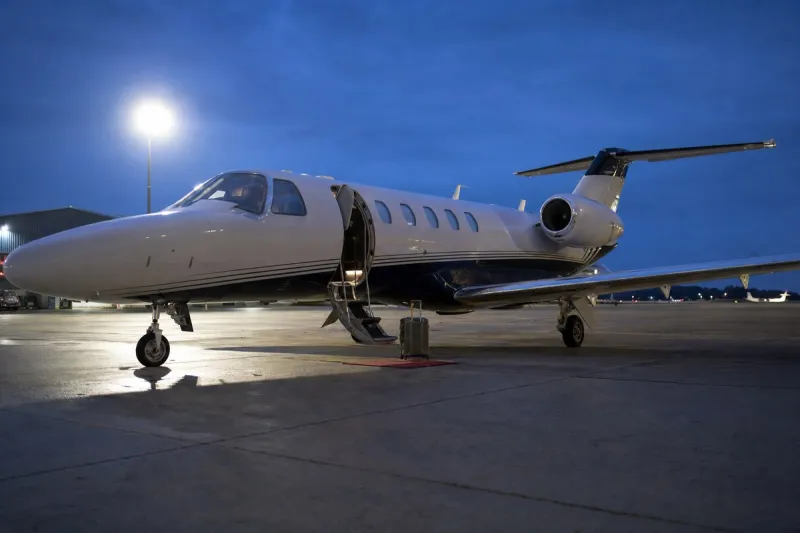
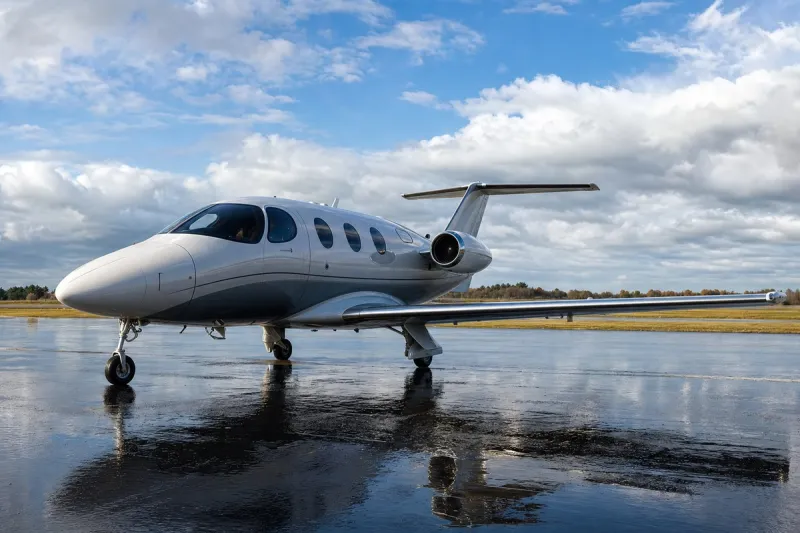
The Embraer Phenom 100, representing Very Light Jets, is rated at 915 nautical miles (approximately 1,695 km), sufficient for routes such as London to Nice or Milan to Ibiza. The Cessna Citation CJ3, a Light Jet, reaches 1,374 nautical miles (about 2,545 km), covering London to southern Spain or Geneva to Malta non-stop. The Cessna Citation Latitude, a Midsize Jet, has a published range of 2,455 nautical miles (about 4,547 km). A 70-knot headwind, which carries an 85% probability on some east-to-west routes, adds roughly 350 nautical miles of effective distance to a 2,100 nautical mile trip, amounting to nearly an hour of extra flight time.
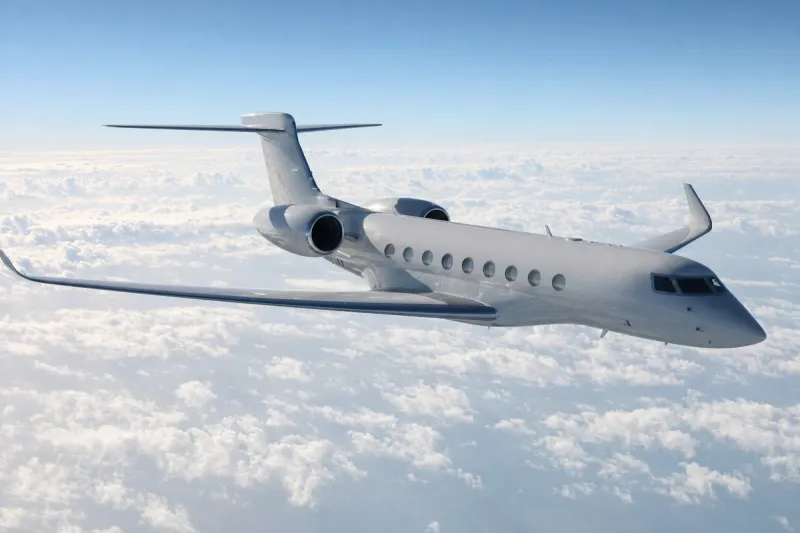
The longest non-stop private jet flights on record were both demonstration flights of the Bombardier Global 7500. One covered 8,152 nautical miles from Singapore to Tucson, Arizona, in approximately 25 hours and 7 minutes, exceeding the aircraft's advertised range of 7,700 nautical miles and landing with about 90 minutes of fuel remaining. A second demonstration flight, in October 2019, covered 8,225 nautical miles non-stop from Sydney to Detroit. Both flights were operated light on passengers and baggage to maximise range.
Why published range and flown range differ
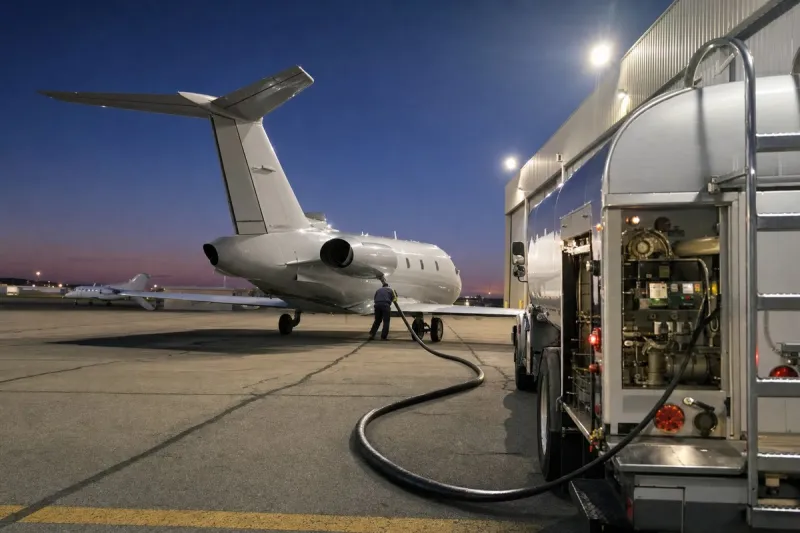
Passenger and baggage weight reduces the fuel an aircraft can carry, shortening its usable range on that specific flight below the published figure. Routing constraints, including air traffic control requirements, restricted airspace, and weather diversions, can add distance not reflected in the published number.
The Global 7500's two record flights illustrate the gap in the other direction: flown light on passengers and baggage, both aircraft covered more distance than the manufacturer's advertised range, landing with a limited fuel reserve rather than a full one.
Industry impact & what to watch
Range ratings published for each aircraft category describe a best-case performance envelope, not a guarantee for any specific booked flight. The gap between that figure and what an aircraft can actually fly on a given day is driven by wind, payload and routing, all of which vary trip to trip rather than by aircraft type alone.
This is how range works across the charter and fractional segment generally: a quoted number sets the ceiling for planning purposes, while the operational flight plan for a specific date, load and routing determines whether a fuel stop is added. A 70-knot headwind alone can turn a 2,100 nautical mile trip into one requiring nearly an hour of extra flight time, which is the kind of margin that separates a non-stop routing from one with a technical stop.
The two Global 7500 demonstration flights show the outer edge of that envelope when payload is minimized specifically to extend range, which is why record-setting distances are not representative of scheduled charter operations carrying a full passenger and baggage load.