Ibiza Airport Renovation to Keep 28-Movement Hourly Limit While Expanding Gates and Connectivity
Why It MattersThe case shows that terminal gate counts and regulatory capacity figures at busy airports can expand for compliance and passenger-flow reasons while the actual hourly movement ceiling that governs scheduling stays fixed.
What happened
Ibiza Airport will undergo a major internal renovation, with construction scheduled to begin in April 2032 and completion programmed for December 2035, according to the DORA 2027–2031 regulatory investment timetable. Aena has confirmed the project will not increase the airport's operational capacity beyond its current limit of 28 aircraft movements per hour.
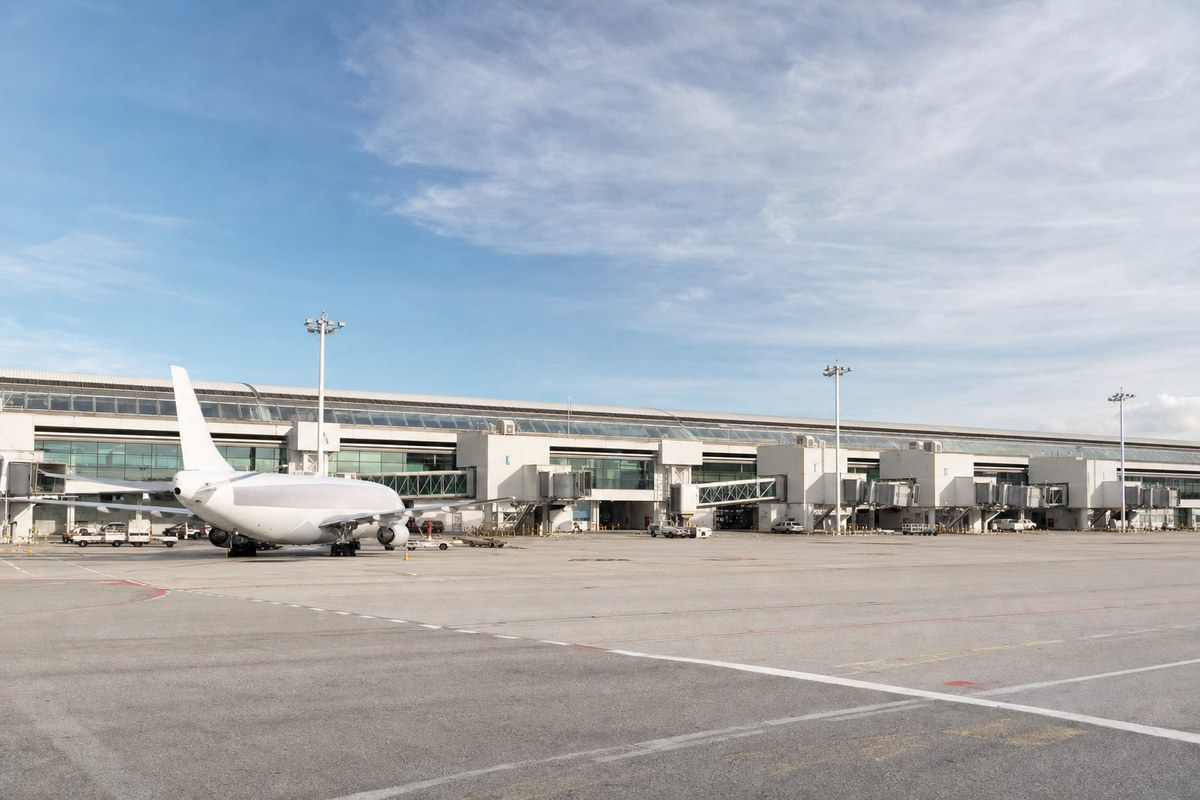
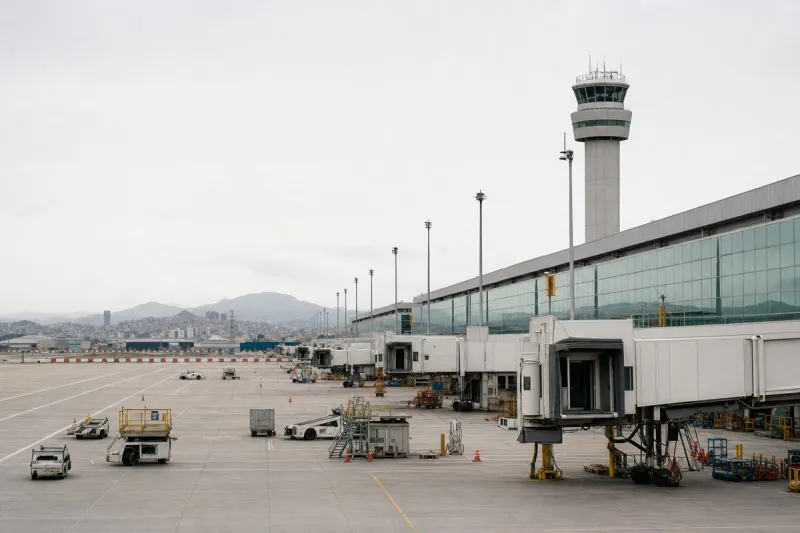
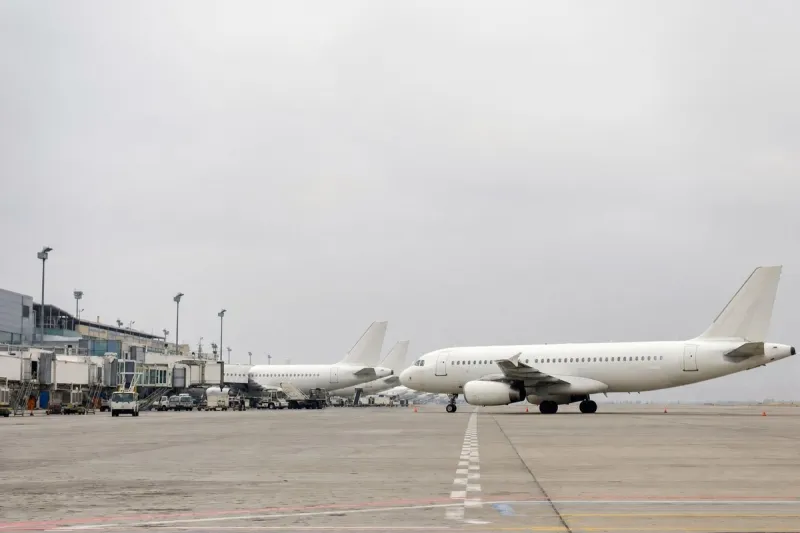
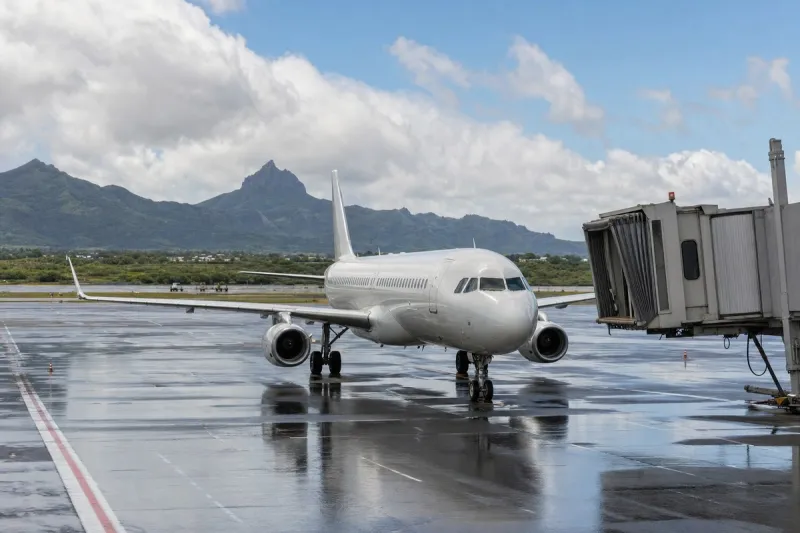
The renovation is designed to modernise the terminal, meet new European safety and border-control requirements governing the separation of Schengen and non-Schengen passenger flows, and improve passenger processing. Planned improvements include increasing the number of boarding gates from 17 to 32, adding eight new passenger boarding bridges, creating a dedicated area for inter-island flights, installing new-generation security screening equipment, centralising passport controls, and reorganising passenger routes through the terminal. Aena has clarified that the additional gates do not equal an increase in the number of flights the airport can handle each hour, noting that gates currently used flexibly will need to be separated by passenger flow type under the new European rules.
The newly approved DORA 2027–2031, approved by the Council of Ministers on 15 September 2026 and effective from 1 January 2027, records Ibiza Airport's field-of-flights capacity at 40 aircraft movements per hour, its platform capacity at 45 aircraft per hour, and its passenger-terminal capacity at 4,400 passengers per hour. The annual capacity reference remains at 10 million passengers. Aena has stated that the 28-movement operational figure and the 40-movement DORA capacity parameter measure different aspects of airport operations and should not be treated as contradictory. DORA 2027–2031 forecasts Ibiza Airport traffic at approximately 9.17 million passengers in 2027, rising to approximately 9.72 million in 2031.
Ibiza recorded 145 routes in 2025, compared with 146 in 2024 and 158 in 2019. In August 2026, the airport handled 1,519,201 passengers, an increase of 2.5% compared with August 2025, with international passengers accounting for 1,010,154 of the total. The United Kingdom, Italy, Germany, France and the Netherlands were among the largest international markets. For the first eight months of 2026, more than 6.7 million passengers passed through the airport.
Industry impact & what to watch
This case illustrates how airport modernisation projects can be driven by regulatory compliance and passenger-experience goals without touching the operational ceiling that actually determines how many aircraft can land or depart in a given hour. The gate count, terminal throughput figure and hourly movement limit are three separate parameters, and treating any one of them as a proxy for the others misreads how airport capacity planning works.
For route networks, a fixed movement cap does not freeze scheduling: new connections can still be added when off-peak capacity exists, by replacing existing frequencies, or through commercial incentive programmes aimed at airlines opening or strengthening routes, including in winter. Ibiza's route count has moved from 158 in 2019 to 146 in 2024 to 145 in 2025, so any near-term network growth would need to come from redistributing slots or filling off-peak windows instead of expanding the hourly ceiling itself.
What happens between the DORA-listed capacity parameters and actual scheduled operations over the 2027–2031 period, and whether airline route decisions respond to the incentive programmes Aena can keep applying, are the points worth tracking as construction approaches its 2032 start.