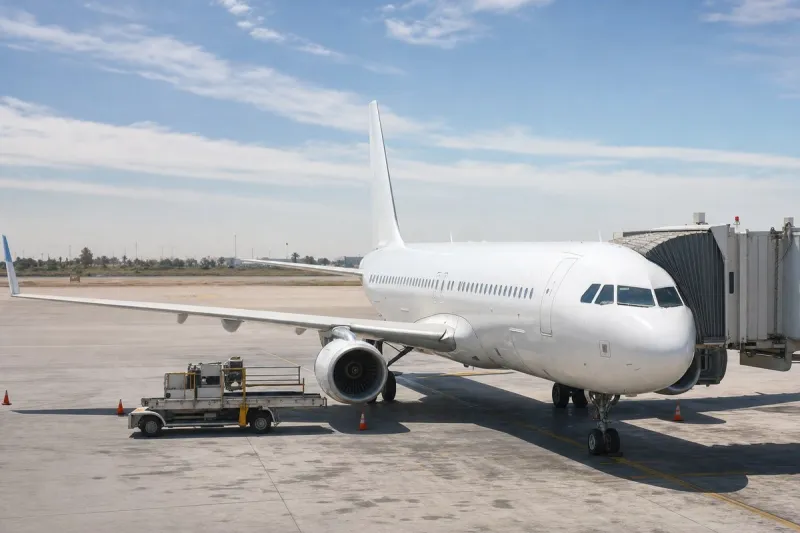
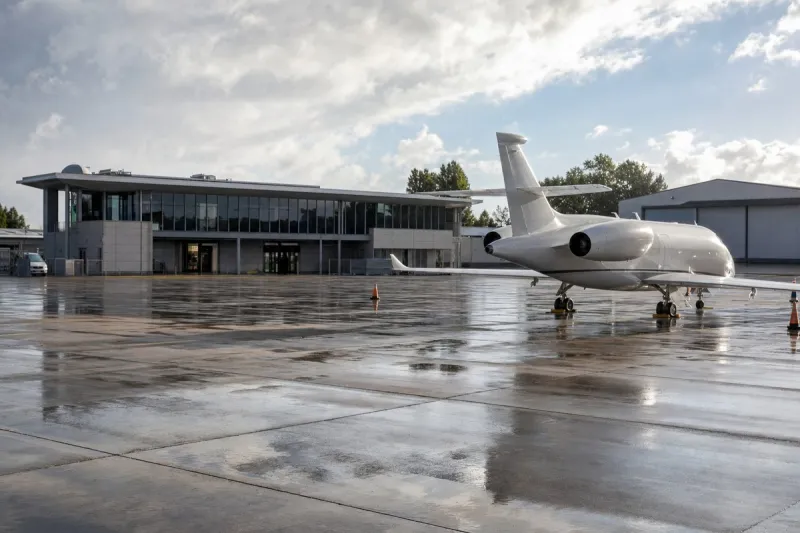
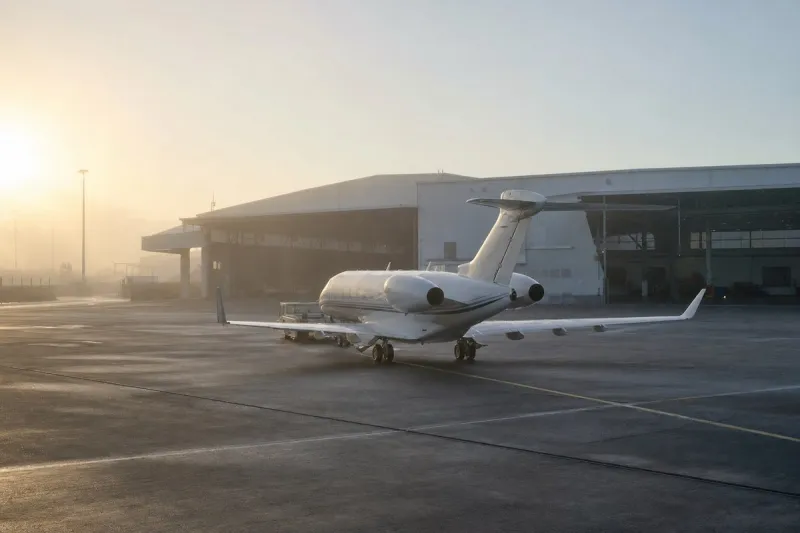
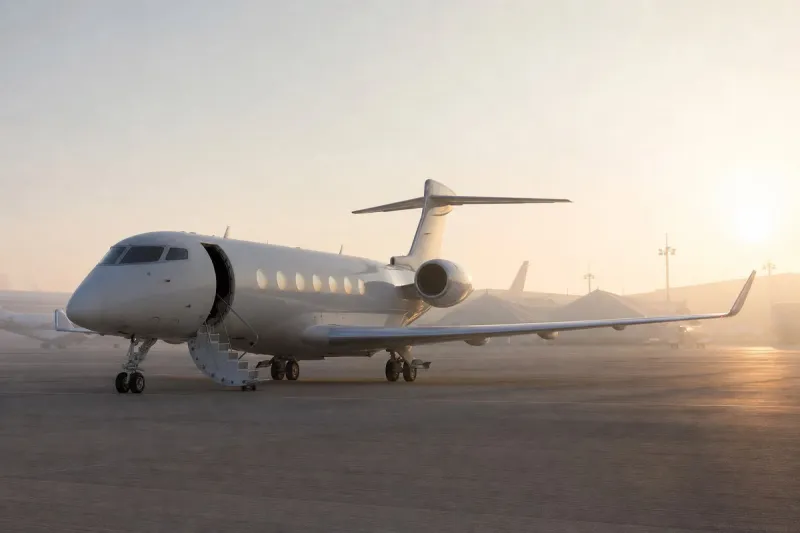
FBO Operators Clash Over Special Event Fees as Private Equity Consolidation Tightens Airport Access
Why It MattersEven where consolidation stays below formal antitrust thresholds, concentrated ownership of FBOs at top airports can still shift bargaining power enough to make fee structures a persistent flashpoint between operators and landlords.
What happened
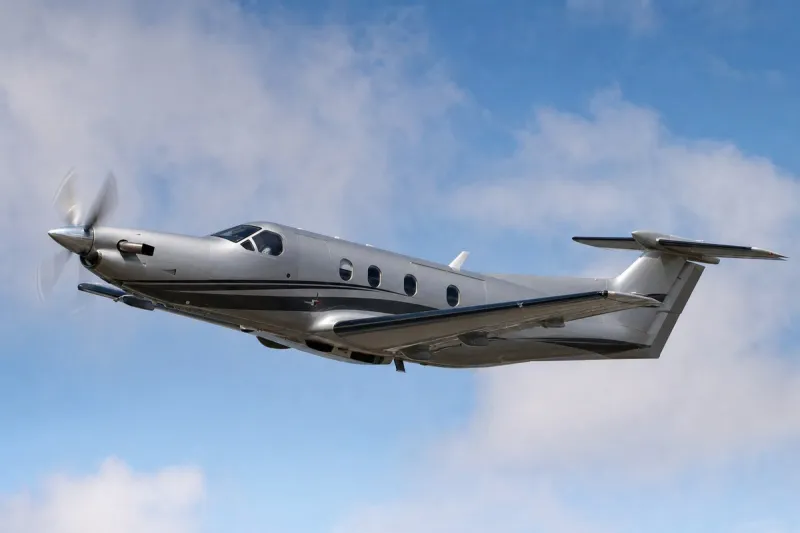
Kenn Ricci, principal of Directional Aviation and chairman of Flexjet, said pricing pressure from private equity-backed FBO chains that was "mildly annoying" a year ago is now "offensively egregious," and he is trying to build a coalition of operators to present a unified voice on the issue. Eric Zipkin, CEO of turboprop operator Tradewind Aviation, called airport access the greatest threat to his business, saying FBO chains' size and acquisition of FBOs in particular markets gives them "near-monopoly power on pricing," and that fees including special event fees, baseline fees and security fees have risen by "ridiculous amounts in many cases."
Signature Aviation told CJI that less than 1% of its transactions over the past 12 months incurred an event fee. Derek DeCross, Signature's chief commercial officer, said the company's annual concession and airport rent charges rose by more than $90 million — more than 40% — between 2021 and 2025, and that Signature has invested over $3.6 billion in capital across safety, infrastructure and technology in that period. Atlantic Aviation said special event fees account for less than 2% of its turnover; John Redcay, its executive vice president and chief commercial and sustainability officer, said fuel cost increases driven by commodity prices alone exceeded all peak-period surcharges combined over the same period.
KKR acquired Atlantic Aviation in 2021 and recently sold a stake to Apollo Global Management in a deal valuing Atlantic at approximately $10 billion. Blackstone, Global Infrastructure Partners, and Bill Gates' investment vehicle acquired Signature Aviation for $4.7 billion in May 2021. Signature and Atlantic together hold FBOs at less than 10% of the more than 3,300 US business aviation airports, and analysis of the top 100 airports by 2025 traffic places the combined entities just below the Herfindahl-Hirschman Index threshold of 1,800 used by regulators to assess concentration risk.
Andrew Schmertz, CEO and co-founder of Hopscotch Air, said his company has maintained strong relationships with its FBO landlords, Atlantic Aviation and Modern Aviation, and has not faced significant problems, though he called on FBOs to service piston and turboprop aircraft equally alongside corporate jets. Ricci called for antitrust action, saying the government has allowed a duopoly to develop that is not in the public interest, and said he protested every major FBO acquisition without being heeded by regulators. NBAA spokesperson and acting chief operating officer Dan Hubbard said the association supports "fair, reasonable, detailed, transparent fees" that are publicly available, and is engaging FBOs to understand how special fees are determined. Zipkin said NBAA, NATA and AOPA need to speak with a common voice but acknowledged uncertainty about which organization could serve as a unified advocate.
Industry impact & what to watch
The dispute illustrates how private equity ownership changes the economics of airport infrastructure that operators cannot easily route around: once a chain holds the FBO lease at a given field, operators flying into that market have limited alternative facilities, regardless of how the national footprint looks in aggregate. That is why the concentration figures cited by Signature and Atlantic — under 10% of airports nationally, and just below the regulatory HHI threshold at the top 100 fields — sit awkwardly alongside operator complaints: a market can look unconcentrated in a nationwide count while still functioning as a single-supplier market at the specific airports where an operator actually needs to land.
The fee dispute also shows two sides measuring materiality differently. Signature and Atlantic point to event fees as a small share of transactions or turnover, while operators like Zipkin describe them as one layer among several — baseline fees, security fees, and event fees — that compound in the same weekends and markets. Both figures can be accurate at once, since one measures a company's total revenue exposure and the other measures how the charges land on a given operator's smaller set of frequently used airports.
Whether this becomes a regulatory matter turns on whether Ricci's coalition-building produces a single body able to bring the antitrust argument, and on whether NBAA's stated fact-finding with FBOs on fee justification yields published, standardized fee disclosures. Zipkin's own acknowledgment that no existing association has been designated to carry a unified voice suggests that outcome is not close at hand.