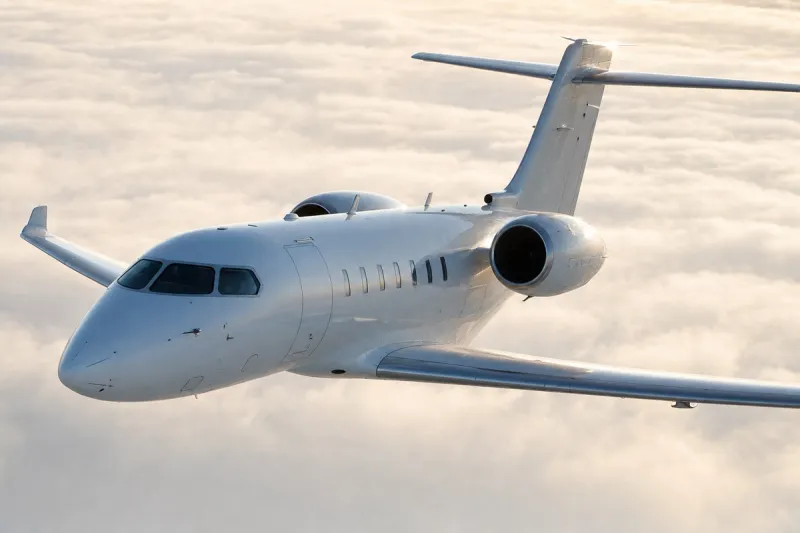
Cessna Citation CJ4: Specs, Performance and Buyer's Guide for the Top 525-Series Light Jet
Why It MattersStaged generational upgrades within a single airframe let light-jet buyers weigh avionics vintage and cabin refinements as much as cruise numbers when comparing used and new inventory.
What happened
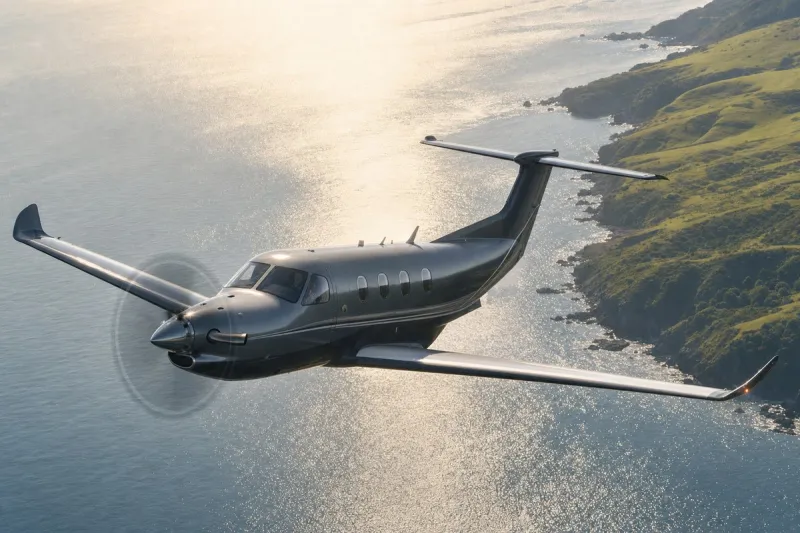
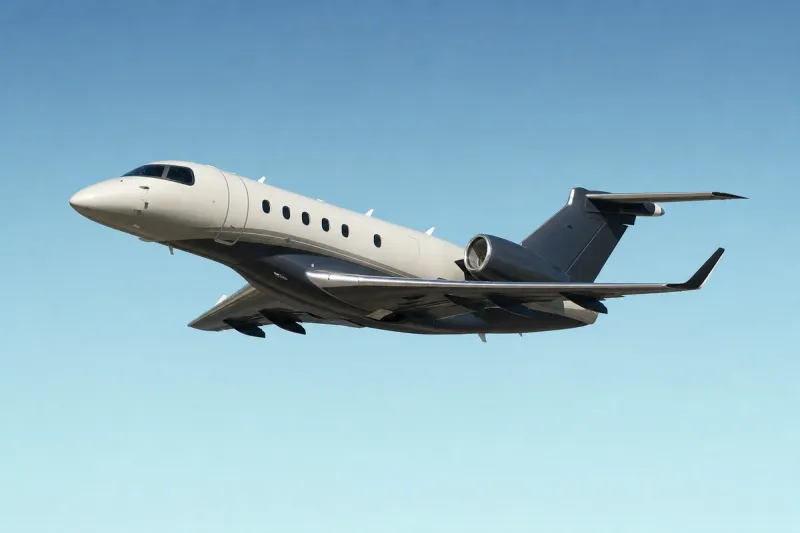
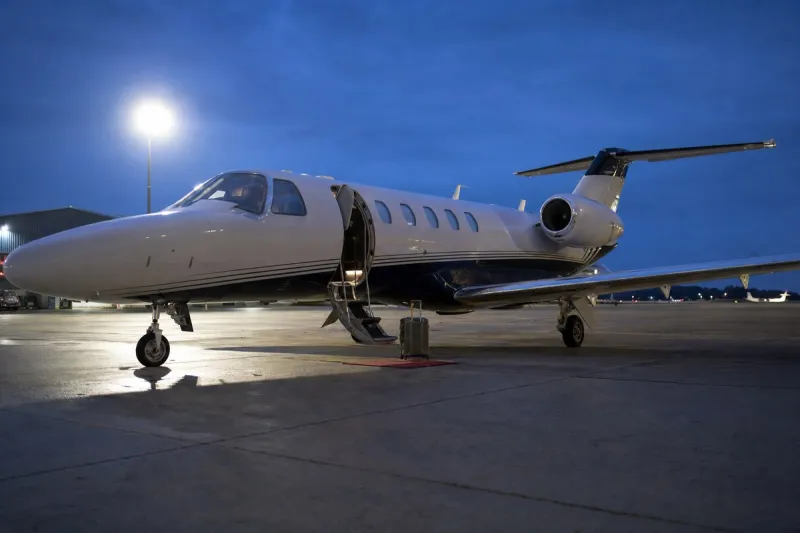
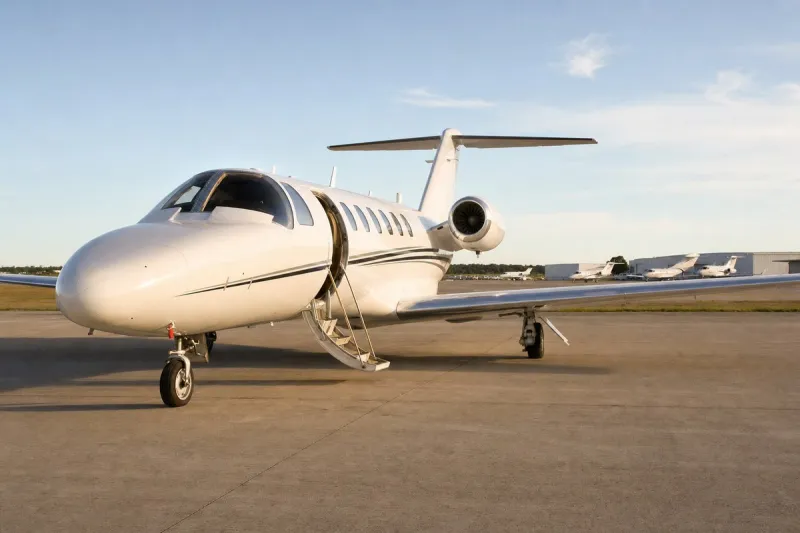
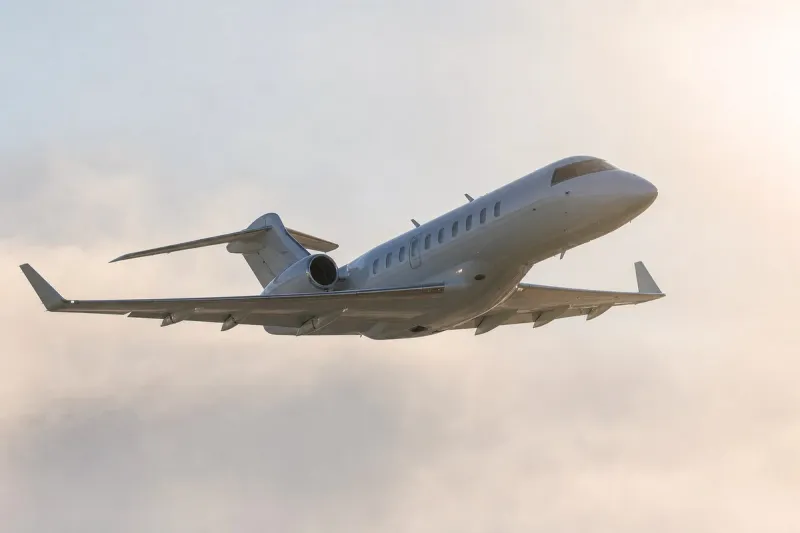
The Cessna Citation CJ4 is described as the largest and fastest aircraft in the CitationJet/CJ family, powered by two Williams FJ44-4A engines producing 3,621 lb of thrust each, with a semi-swept wing carrying 12.5 degrees of sweep — a departure from the straight-wing CJ models. Textron publishes the CJ4 Gen3 with a maximum cruise speed of 451 KTAS, a maximum range of 2,165 nm (NBAA IFR), a service ceiling of FL450, and 5,828 lb of usable fuel. Vmo/Mmo is listed as 305 KIAS / Mach 0.77. Published takeoff field length is approximately 3,410 ft, landing distance approximately 2,940 ft, maximum climb rate 3,854 fpm, and maximum takeoff weight 17,110 lb.
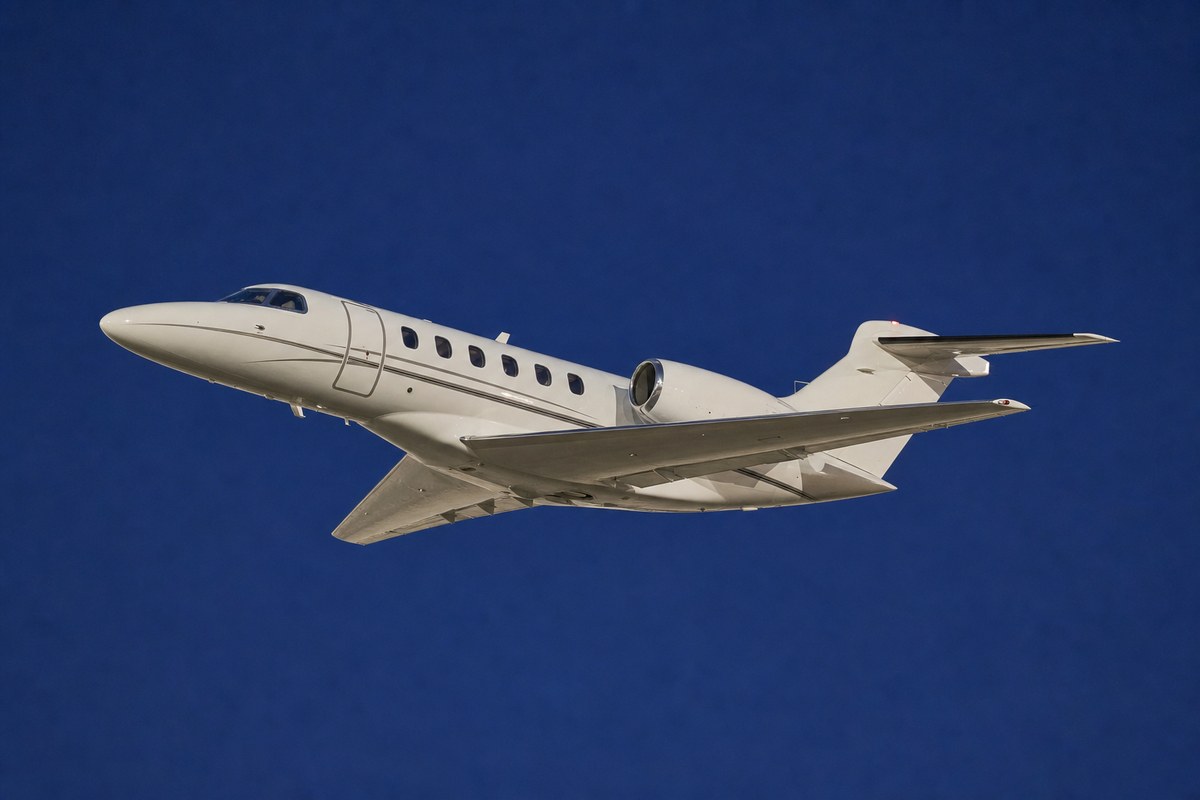
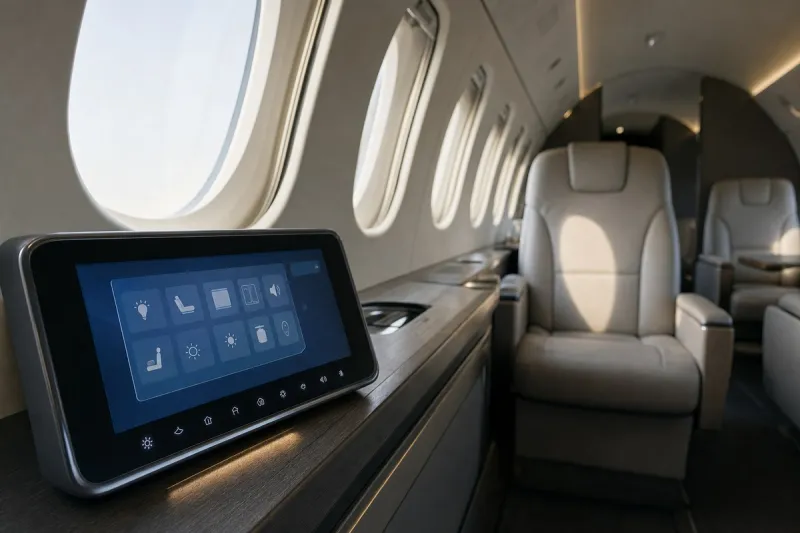
The cabin measures approximately 17 ft 4 in in length, with a cross-section of 57 inches high and 58 inches wide — roughly two feet longer than the CJ3. Baggage volume is 77.1 cubic feet with a capacity of 1,040 lb. Typical corporate configurations seat seven to eight passengers, with higher-density layouts available for up to ten.
Three production variants have been delivered. The original CJ4 entered service in 2010 with Rockwell Collins Pro Line 21 avionics. The CJ4 Gen2, introduced in early 2021, retained the Pro Line 21 flight deck while adding upgraded seating, lighting, cabin management, and interior refinements. The CJ4 Gen3 advances the platform with Garmin G3000 avionics, Garmin autothrottles, and Garmin Emergency Autoland, and remains single-pilot certified within the 525 type-rating family. More than 450 units have been delivered since 2010. Pre-owned examples are currently valued in the $6 million to $9 million-plus range, with late Gen2 examples commanding higher prices.
Where it sits in the CJ family
The CJ4 is positioned as the performance step-up choice within the CJ family — faster and more corporate-oriented than the CJ3/CJ3+, and comparable in cruise performance to the Phenom 300 class. The three-generation delivery history, spanning the original Pro Line 21 aircraft, the interior-focused Gen2, and the avionics-focused Gen3, means the same model line now covers a range of cockpit and cabin configurations under one type rating.
Industry impact & what to watch
A single-model line that has moved through three distinct generations in fifteen years illustrates how light-jet manufacturers extend a platform's life without a clean-sheet redesign: airframe and engine specifications stay constant while avionics and cabin systems are refreshed in stages, letting the same 525 type rating cover aircraft with materially different cockpits.
In the pre-owned market, that staged evolution creates pricing tiers within a single model name rather than a simple age curve — buyers weigh Pro Line 21 versus Garmin G3000 avionics, and Gen1 versus Gen2 cabin refinements, against the $6 million to $9 million-plus range quoted for used examples. Because all performance figures cited are manufacturer-published, actual range and payload will vary with passenger load, fuel reserves, winds, routing, temperature, and runway conditions, which buyers and operators still need to work out for their own mission profile.
What remains to be seen is how Gen3's Garmin autothrottle and Emergency Autoland features affect resale values relative to Gen2 aircraft as more Gen3 units reach the used market.