Joby Aviation Demonstrates Autonomous J208 Aircraft at Oklahoma City Airport During 2026 Electric Skies Tour
Why It MattersAutonomous cargo and passenger aircraft are advancing through state-federal coalitions and airspace research programs before commercial rules are finalized, making public demonstrations a proxy for regulatory readiness.
What happened
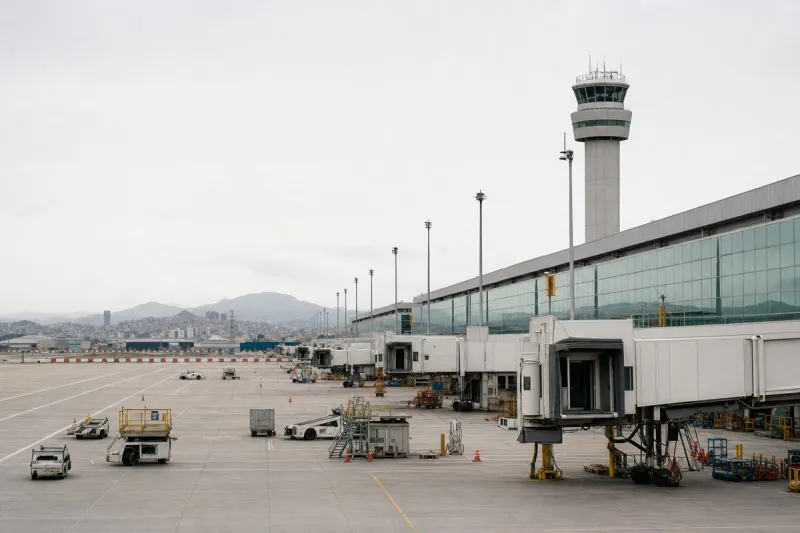
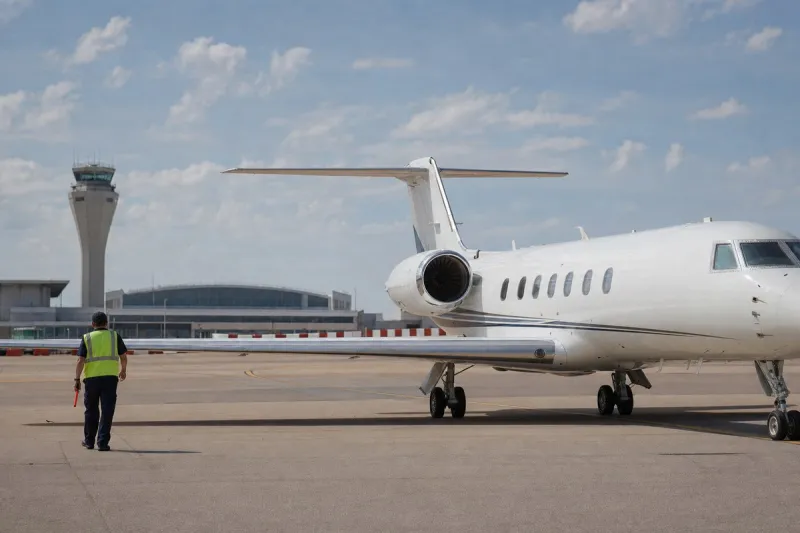
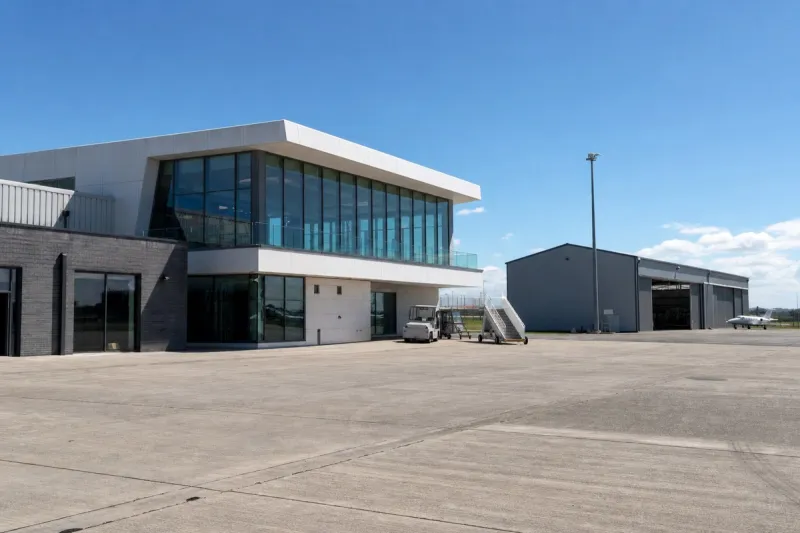
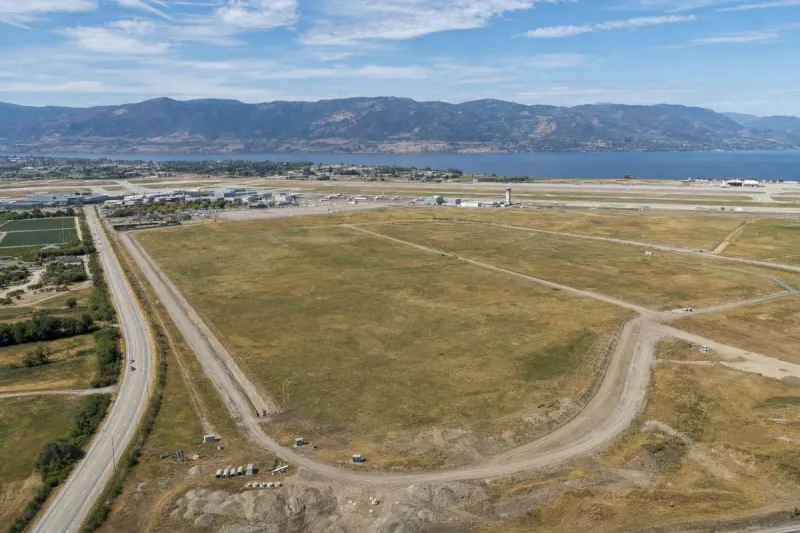
Joby Aviation demonstrated its autonomous flight technology at Will Rogers World Airport in Oklahoma City on September 29, part of the company's 2026 Electric Skies coast-to-coast tour. The Oklahoma Department of Aerospace and Aeronautics, federal aviation officials and state policymakers attended the event.
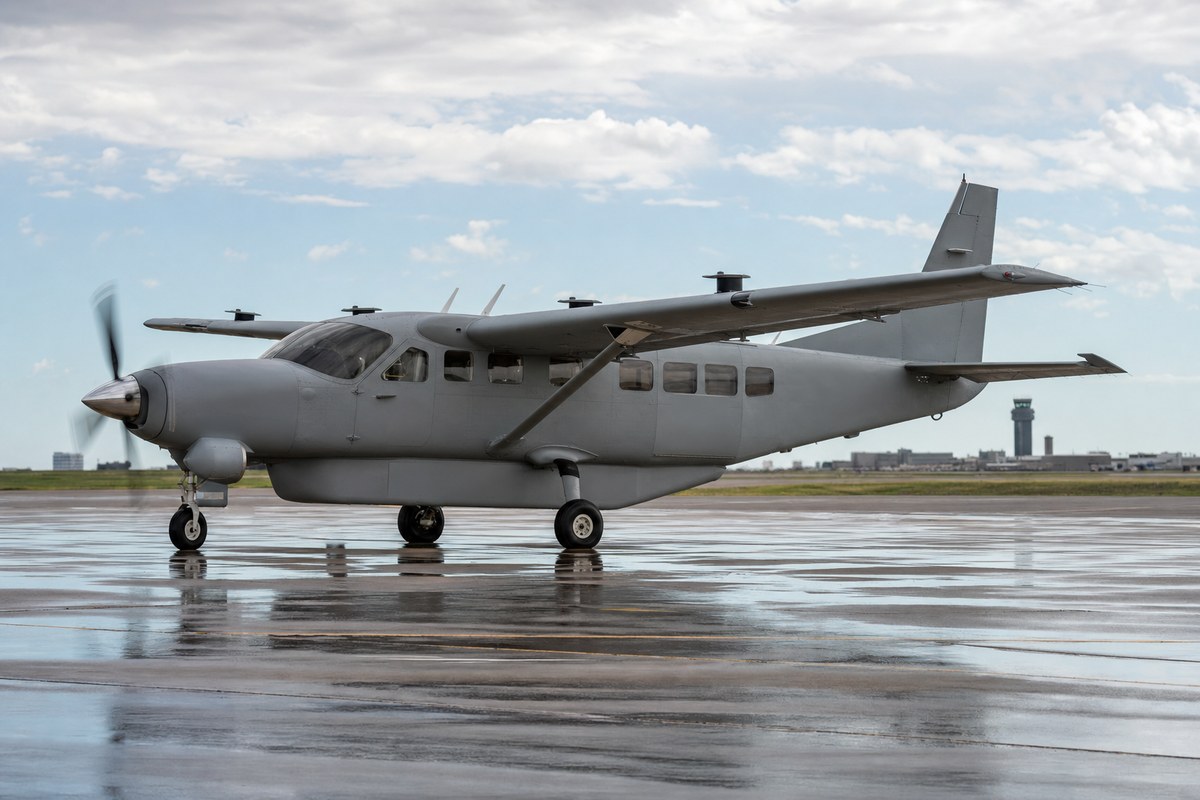
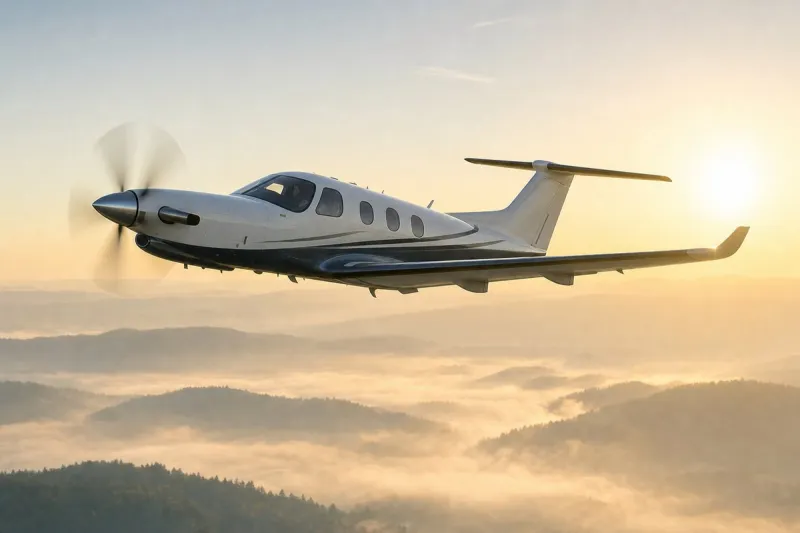
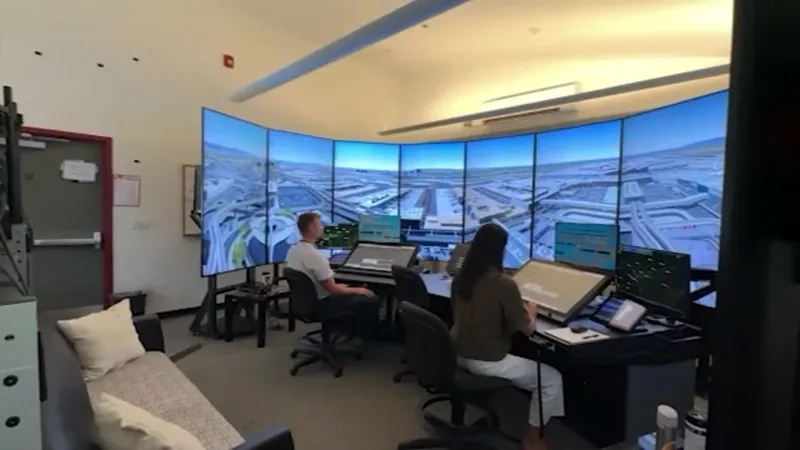
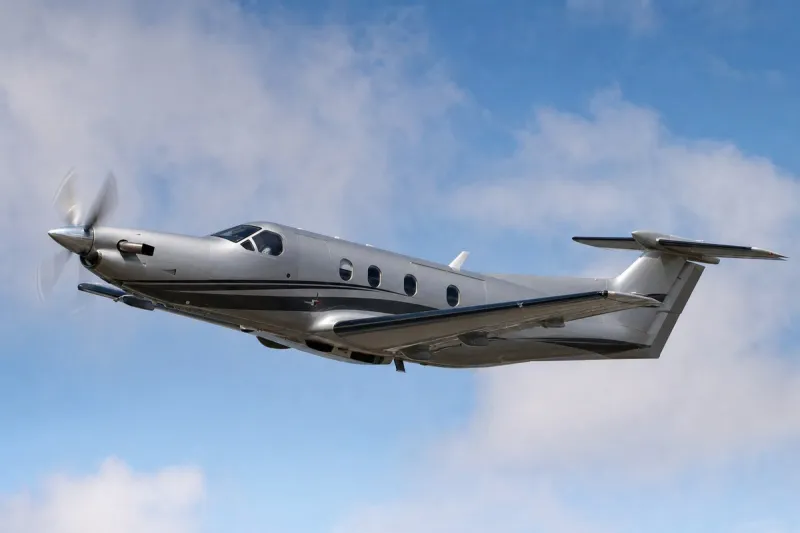
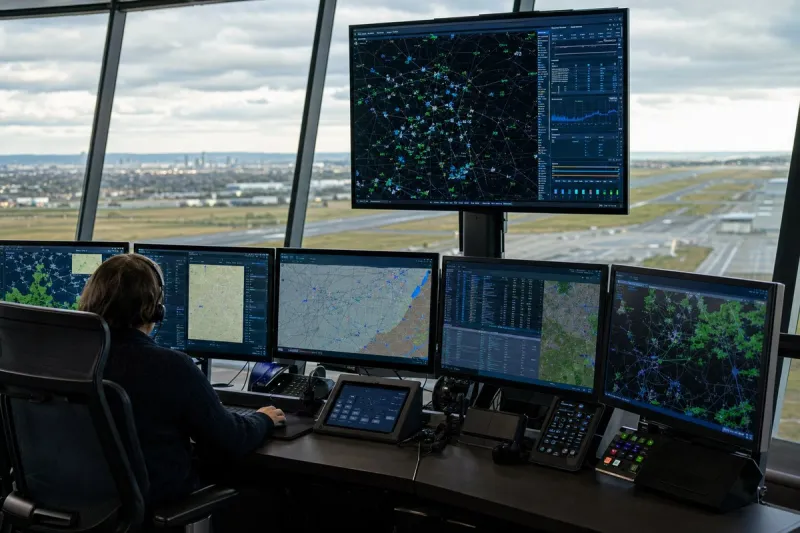
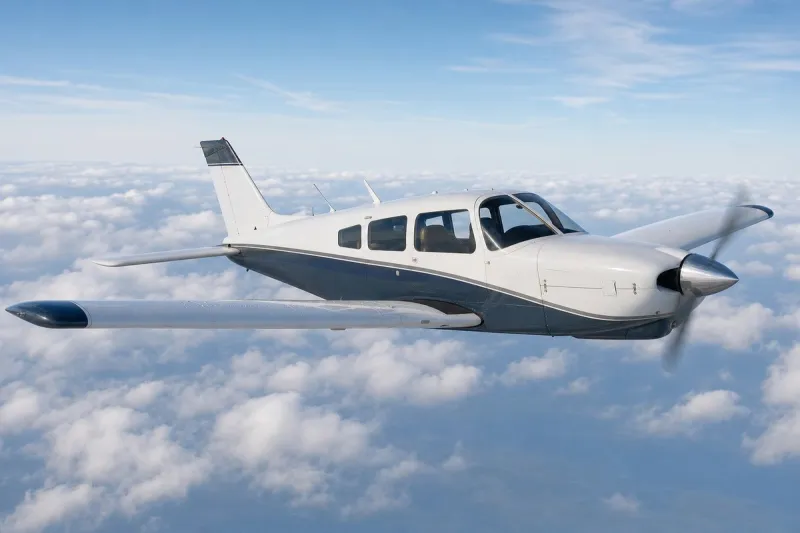
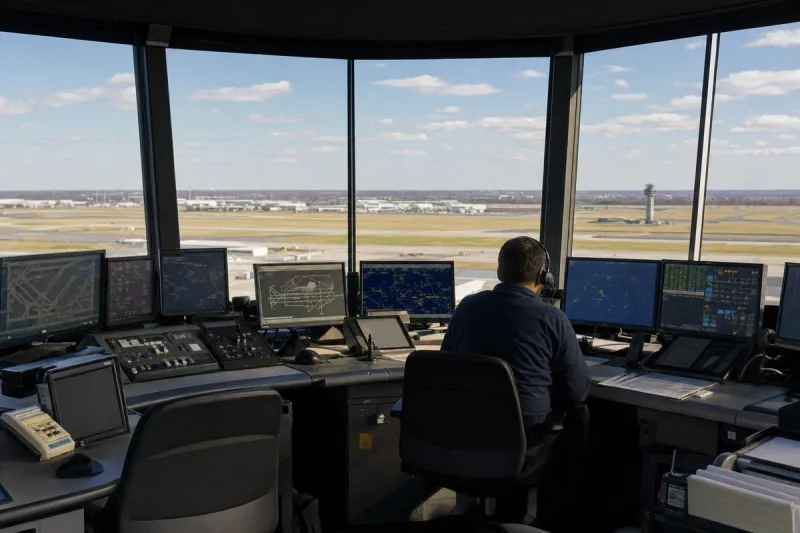
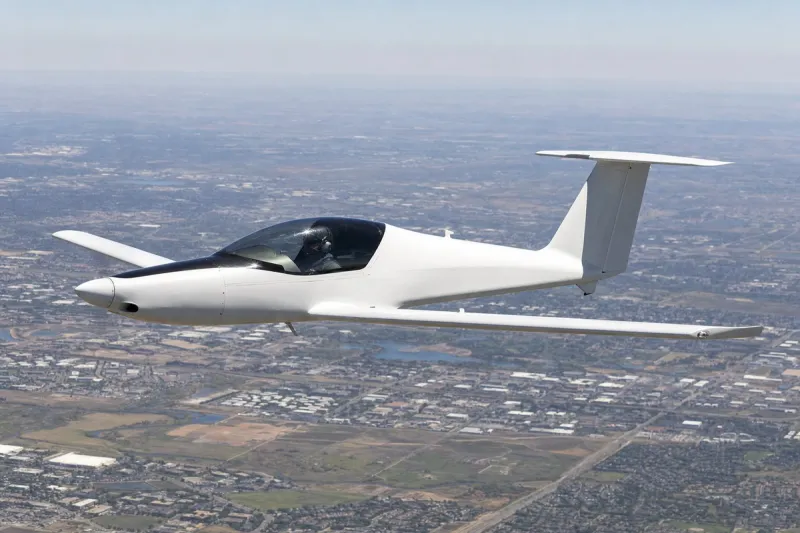
The aircraft shown was the J208, a modified Cessna Caravan fitted with Joby's autonomous flight system, aimed at potential commercial, public-service and defense applications. Joby said the J208 has completed more than 400 flights and 800 automated flight hours, and has taken part in three U.S. military exercises. Earlier in September, the J208 flew a 3,199-mile autonomous transcontinental route with no control inputs from the onboard safety pilot, performing autonomous taxiing, takeoff, cruise and landing under remote supervision. The aircraft operates under a supervised autonomy model in which a ground-based remote pilot serves as pilot in command, manages flight plans and communicates with air traffic control, while a monitoring pilot is onboard for select operations.
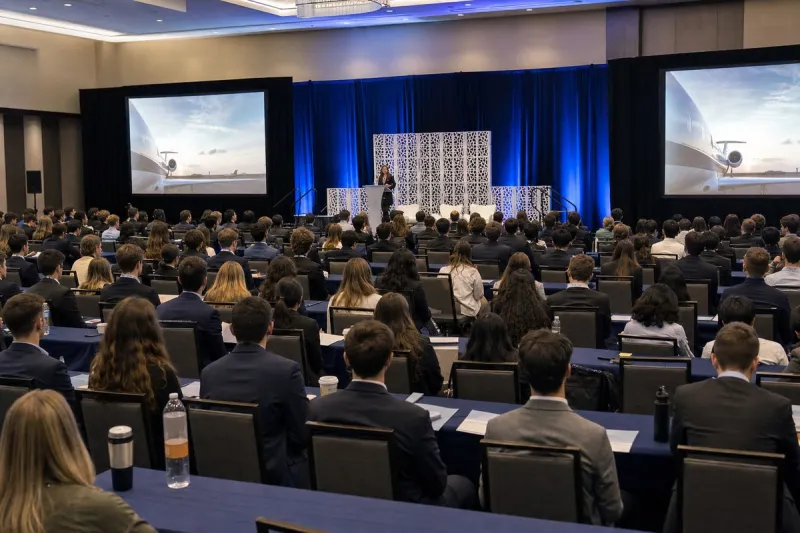
The Oklahoma stop connects to the state's role in the uFLY: America's AAM Crossroads to the West coalition, a Utah-led five-state group operating under the FAA's eVTOL Integration Pilot Program, which seeks to accelerate integration of advanced air mobility technologies into the National Airspace System. The event also spotlighted research at the FAA's Mike Monroney Aeronautical Center in Oklahoma City, where Katrina Avers, director of the FAA's Safe Operations in Aerospace Research Labs, discussed ongoing research into interactions between increasingly automated aircraft, human operators and the national airspace system. After the demonstration, the J208 taxied and departed to continue its national tour.
Industry impact & what to watch
This stop is one node in a broader effort by advanced air mobility developers to build public and regulatory familiarity with autonomous flight before commercial operations begin, pairing flight demonstrations with the state coalitions and federal research labs that will shape certification and airspace rules. The uFLY coalition's structure under the FAA's eVTOL Integration Pilot Program shows how the segment is advancing: multi-state groups partner with federal agencies to test integration questions in real airspace rather than waiting for a single national framework to emerge first.
The supervised autonomy model Joby is flying, with a ground-based remote pilot as pilot in command and an onboard monitoring pilot for some operations, illustrates how these programs are sequencing risk reduction step by step rather than jumping straight to fully unmanned commercial service. The next signal to watch is how FAA research from labs like Mike Monroney feeds into rulemaking for automated aircraft interacting with human-piloted traffic, and which of the five uFLY states produces the next dated milestone in that integration pathway.