Pappas and Kelly Introduce Consumer Fuel Prices Relief Act to Suspend Federal Gas, Diesel, and Aviation Fuel Taxes Through September 2027
Why It MattersFederal fuel-tax policy tied to consumer relief bills can directly affect aviation fuel cost structures, though the outcome hinges on legislative passage and enforcement of pass-through requirements.
What happened
Representative Chris Pappas and Senator Mark Kelly (D-AZ) have introduced the Consumer Fuel Prices Relief Act, a bill that would pause the federal gas tax, diesel tax, and aviation fuel tax through the end of September 2027. The legislation requires that the full tax savings be passed on immediately to consumers, and it includes provisions to safeguard existing funding for roads, bridges, and gas spill remediation. It also holds corporations accountable if they fail to pass the savings along to individual consumers.
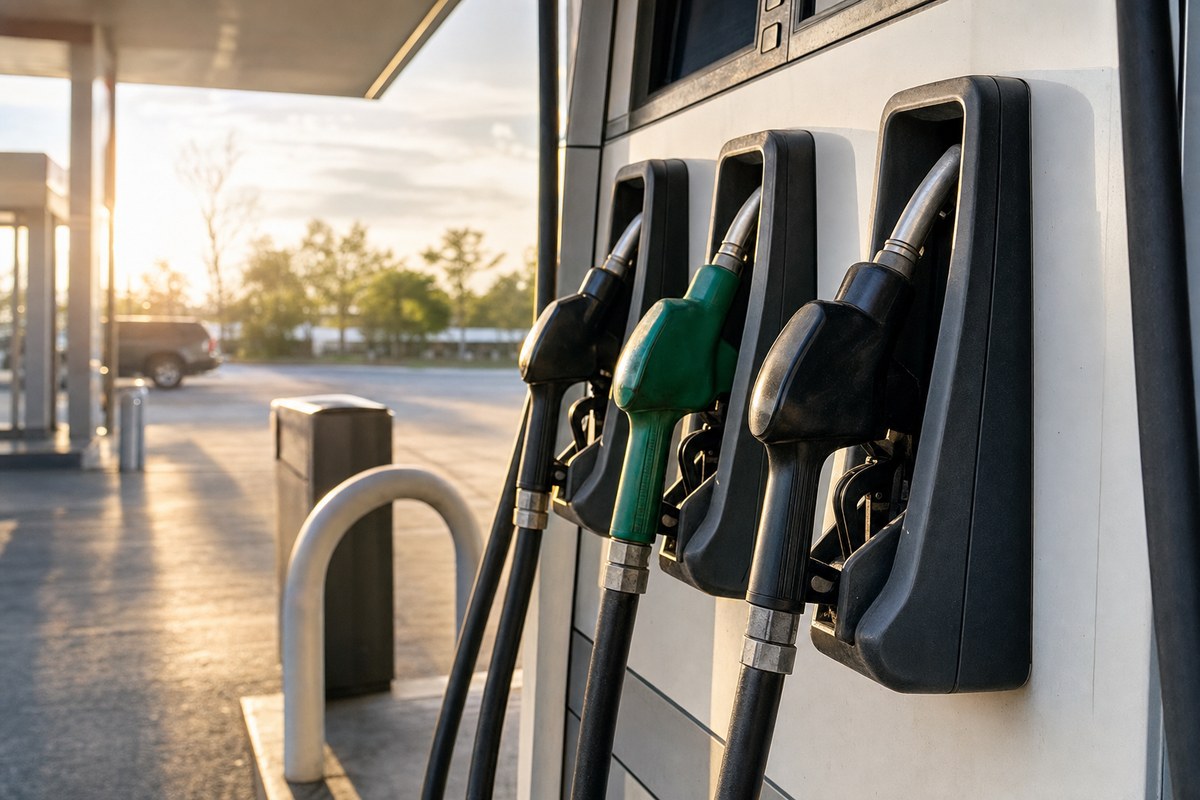
The bill expands on the lawmakers' earlier Gas Prices Relief Act of 2026, introduced in March, which would have suspended only the federal gas tax through October 1, 2026. Congressman Pappas said, "As Granite Staters continue to grapple with high costs, the last thing they need is to pay even higher prices at the pump or the store," citing rising fuel prices over the past seven months. He added that "expanding the pause to diesel taxes and aviation fuel will provide families with relief at the pump, when they're picking up necessities at the store, or visiting family this holiday season." Senator Kelly said fuel prices are skyrocketing and that suspending federal fuel taxes would put money back in people's pockets, stating, "Families need help, and I'm focused on lowering their costs."
Pappas had previously co-sponsored a gas tax suspension bill in 2022 and introduced a broader package of energy cost legislation in January.
Industry impact & what to watch
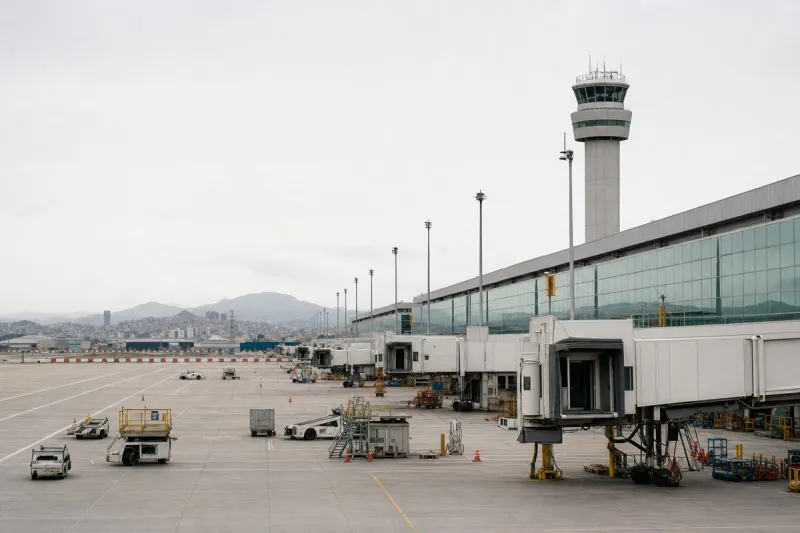
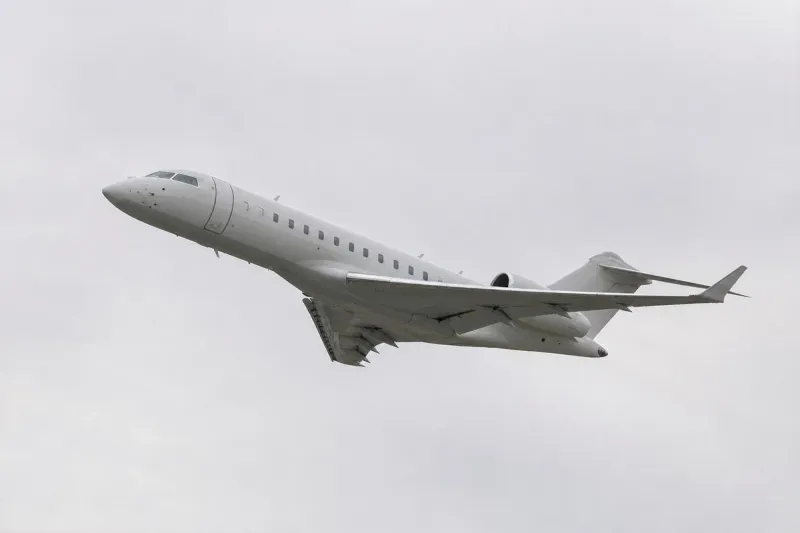
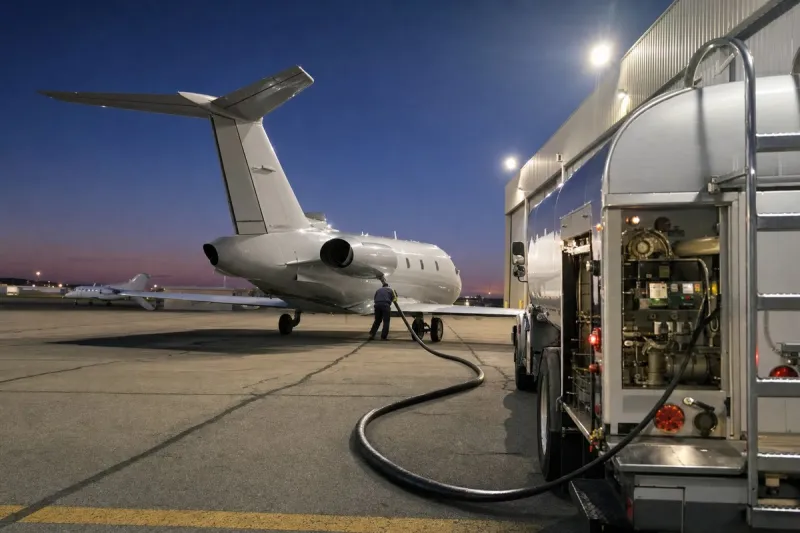
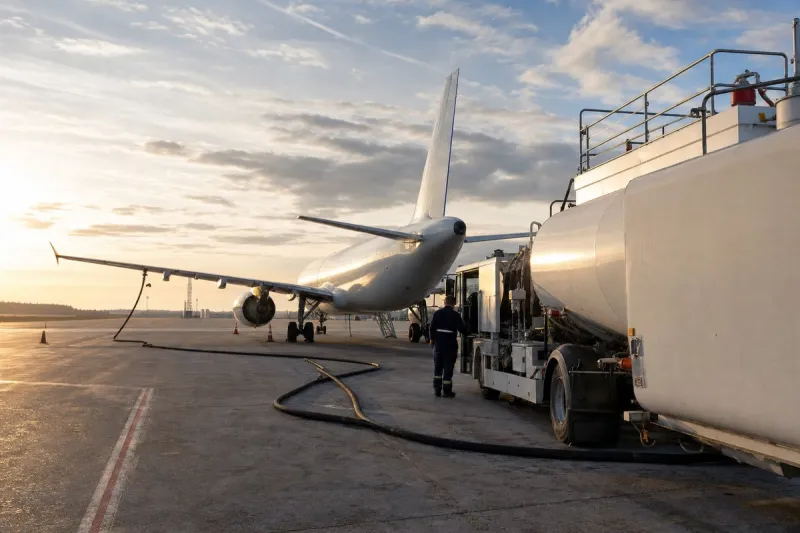
Fuel-tax suspension bills like this one typically originate as consumer relief measures aimed at gas and diesel prices, with aviation fuel added as an extension of the same logic rather than as a standalone aviation policy goal. Including aviation fuel tax in the pause means the relief would touch general aviation and commercial operators alongside drivers, broadening the bill's reach beyond its original scope.
How federal fuel-tax revenue interacts with aviation infrastructure funding is a structural question any such suspension raises, since federal fuel taxes commonly feed dedicated trust funds. The bill's own inclusion of provisions to protect funding for roads, bridges, and gas spill remediation signals that lawmakers are aware of this tension, though the aviation-specific funding mechanism is not addressed in the same terms.
What happens next depends on whether the bill advances through committee and floor votes before its intended September 2027 suspension window, and on how the corporate accountability provisions requiring pass-through savings would be enforced in practice.