Rolls-Royce Plans £300m UK Factory Investment, Including £90m for Filton Site
Why It MattersThe package shows aerospace manufacturers anchoring capacity and output-boosting upgrades in incumbent sites rather than shifting production, reinforcing long-term defence and civil aerospace supply chains.
What happened
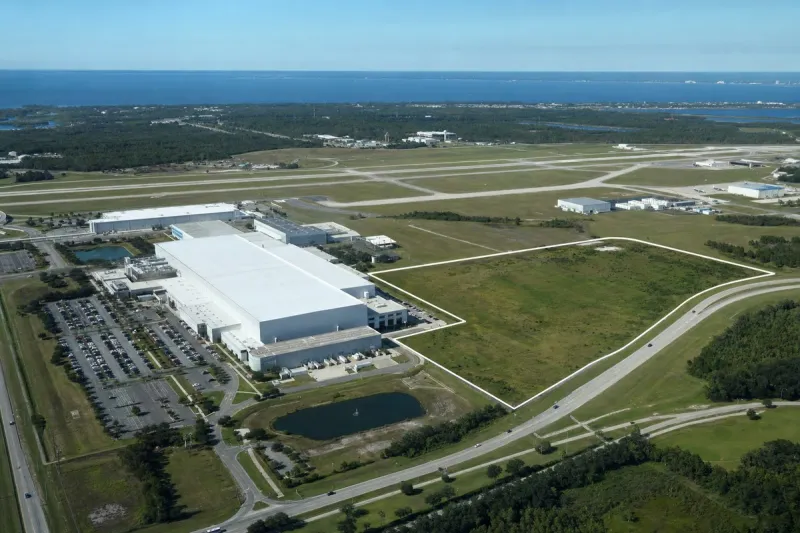
Rolls-Royce has announced a £300m investment programme across its UK manufacturing sites, with more than £90m earmarked for a major upgrade of its Filton facility in South Gloucestershire over the next five years, with works expected to be completed by 2031. The Filton site, home to Rolls-Royce's defence operations since the company acquired Bristol Siddeley Engines 60 years ago, employs around 3,500 staff. Funds will be spent on new workspaces and improved IT infrastructure, following a new research and manufacturing hub announced for the site in July.
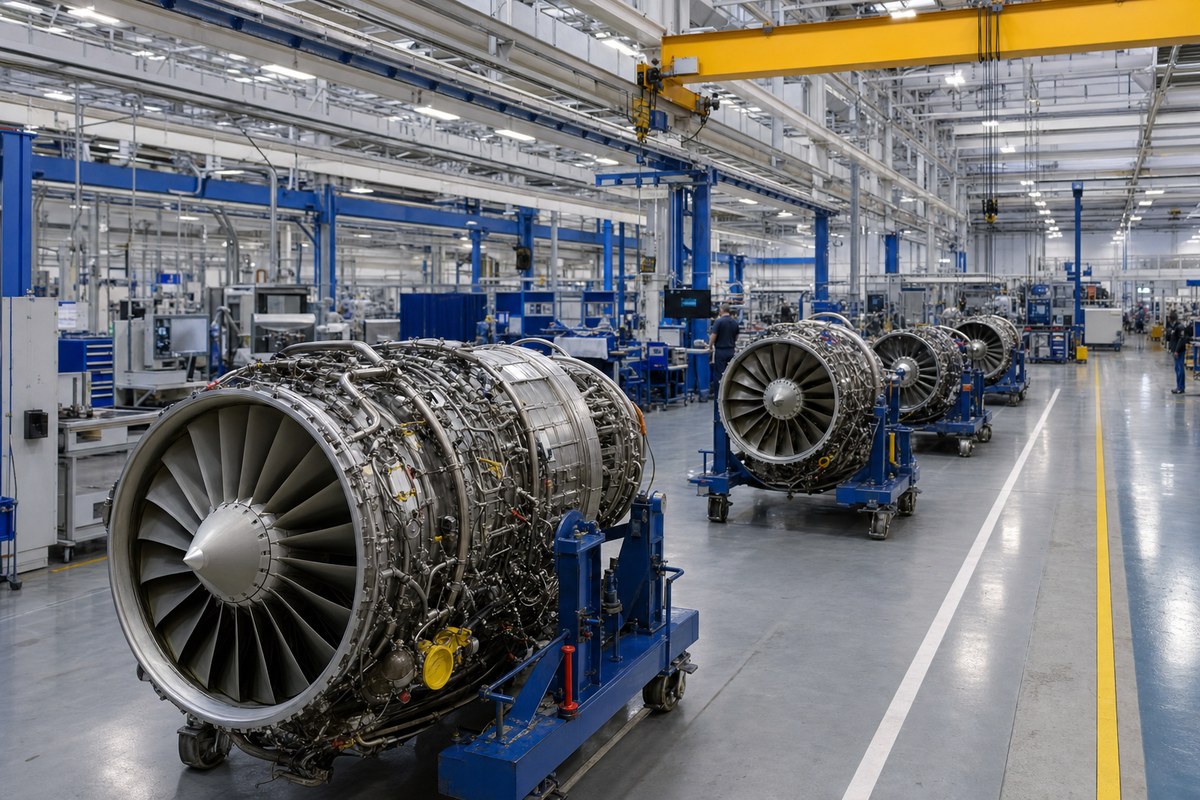
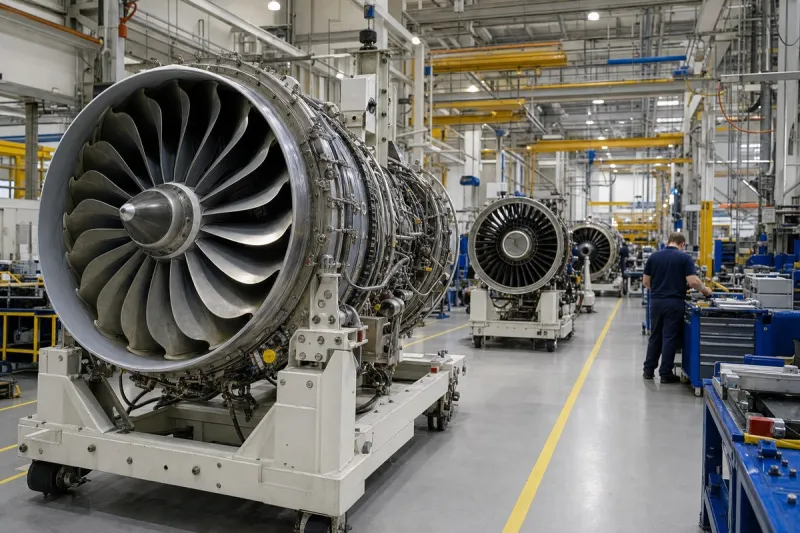
The largest single allocation in the package — more than £140m — will go to Derby, home of the company's civil aerospace operations, with new engineering and manufacturing services facilities expected to be completed by 2028. Additional investments include £43m at Inchinnan, Glasgow, for new machinery to produce engine components; £19m at a Rotherham advanced blade casting facility, supplemented by a £2m contribution from the South Yorkshire Mayoral Combined Authority, with the scheme set to double output of advanced turbine blades by 2030; and £5m in machinery upgrades at Ansty in Warwickshire.
Chief Executive Tufan Erginbilgic called the investment "a clear statement" of the firm's intent in Britain, adding that world-class facilities would help Rolls-Royce remain a global leader in commercial aviation and sovereign defence while supporting thousands of skilled jobs. UK Chancellor John Healey described the announcement as a "powerful vote of confidence" in Britain's economy. Since launching its transformation programme in 2023, Rolls-Royce has invested more than £3bn in the UK.
Where the money goes
The five sites named — Filton, Derby, Inchinnan, Rotherham and Ansty — split the £300m by function: Derby's civil aerospace engineering and manufacturing services facilities take the largest share at more than £140m, while Filton's defence-focused upgrade follows at over £90m. The smaller allocations at Inchinnan, Rotherham and Ansty target specific production capacity, including the Rotherham blade-casting scheme's plan to double advanced turbine blade output by 2030.
Industry impact & what to watch
Large-scale reinvestment in existing manufacturing footprints signals a preference among aerospace and defence primes for deepening capacity at established sites rather than relocating or building greenfield capacity elsewhere, particularly where a site carries decades of institutional history like Filton's link to Bristol Siddeley Engines.
Such programmes typically bundle civil and defence workstreams together, since shared engineering and manufacturing infrastructure serves both commercial aviation output and sovereign defence commitments, and government co-funding — as seen with the South Yorkshire Mayoral Combined Authority's £2m Rotherham contribution — often follows where regional job creation and specialist skills are at stake.
Completion dates spread from 2028 at Derby to 2031 at Filton give a concrete timeline against which delivery can be checked, and the Rotherham blade-casting facility's 2030 output-doubling target offers a measurable production milestone to track against the wider £300m commitment.