Aero Law Center Joins National Aircraft Finance Association as New Member
Why It MattersThe addition underscores how aircraft finance transactions increasingly rely on coordinated networks of lenders, appraisers, title and escrow agents, and specialized legal counsel working together.
What happened
Aero Law Center, an aviation and aerospace law firm, has joined the National Aircraft Finance Association (NAFA) as a new member. NAFA is a professional association of more than 191 companies that has promoted aircraft finance for over 50 years, with membership comprising lenders and product service providers serving the general and business aviation finance community.

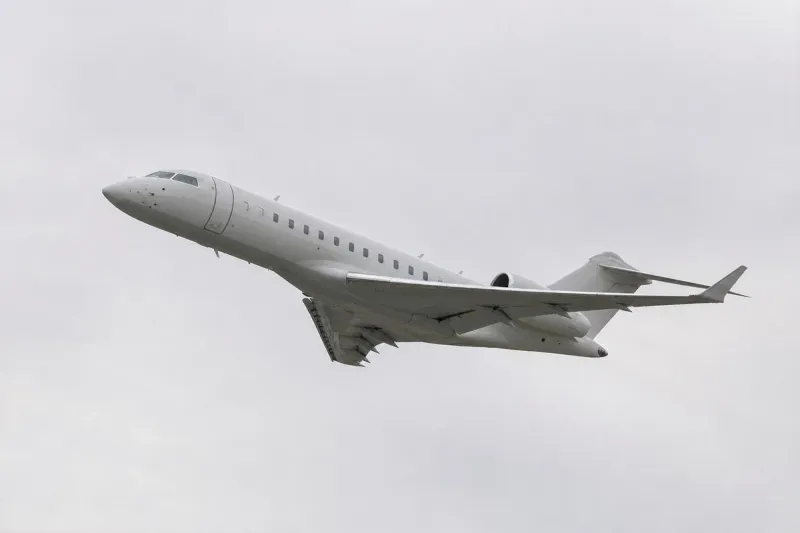
The firm's transactions group represents buyers, sellers, owners, lenders and operators in domestic and cross-border purchases, sales and leases of business jets and helicopters. Its work covers title and lien review, FAA registration, trust and entity ownership structures for U.S. and non-U.S. owners, fractional ownership, Part 91 and Part 135 operating structures, and sales and use tax planning. The firm also advises on mergers and acquisitions of aviation businesses, including charter operators and repair stations, and its compliance and litigation groups handle FAA regulatory and enforcement matters.
Managing Partner Nada Ragland, who leads the firm's Transactions Practice Group, and a partner named Ewing are both Board Certified in Aviation Law by The Florida Bar, a credential held by fewer than 50 lawyers. The firm has handled multi-million-dollar aviation transactions and represents clients across the United States and internationally. "A financed aircraft purchase goes smoothly when the ownership structure, title, registration and tax questions are resolved before the loan documents arrive. That is the work we do for our clients every day, and we do it alongside the lenders, appraisers, title and escrow agents and other professionals who make up NAFA's membership," said Ragland.
Industry impact & what to watch
Law firm membership in a finance-focused trade association reflects how aircraft transactions have become multi-party undertakings, where legal, lending and title functions are expected to coordinate rather than operate in sequence. NAFA's roster of lenders and service providers gives members a channel to align on structuring questions before a deal reaches loan documentation, which is precisely the stage Ragland's comment points to as the source of delay or friction.
For the business aviation finance segment, this illustrates how ownership structuring, cross-border registration and tax planning have become specialized enough that dedicated counsel, rather than generalist transaction lawyers, increasingly sits alongside lenders and appraisers as a standing part of the deal team. Whether this translates into faster closings or new joint offerings between Aero Law Center and NAFA's lender members is not yet stated.