Ottawa commits $22.4M to expand Kelowna International Airport with aerospace industrial park
Why It MattersRegional airports increasingly position serviced industrial land as a growth lever, competing for aerospace tenants by removing infrastructure barriers rather than relying on incentives alone.
What happened
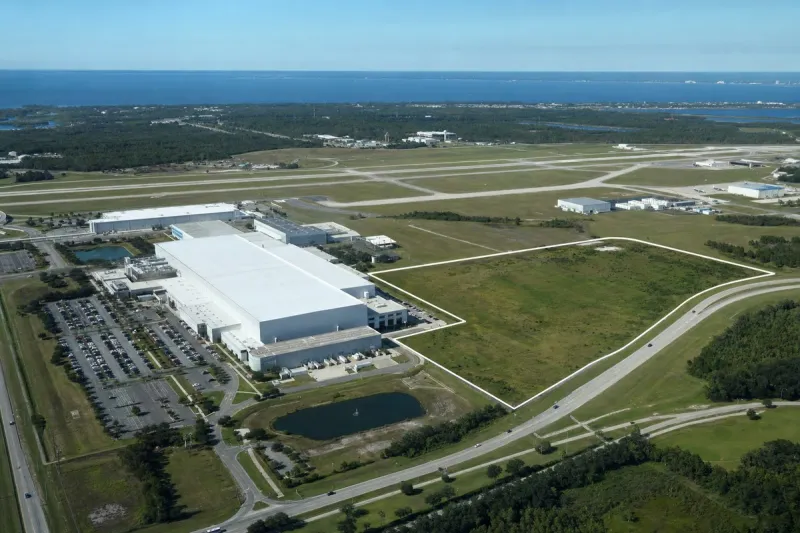
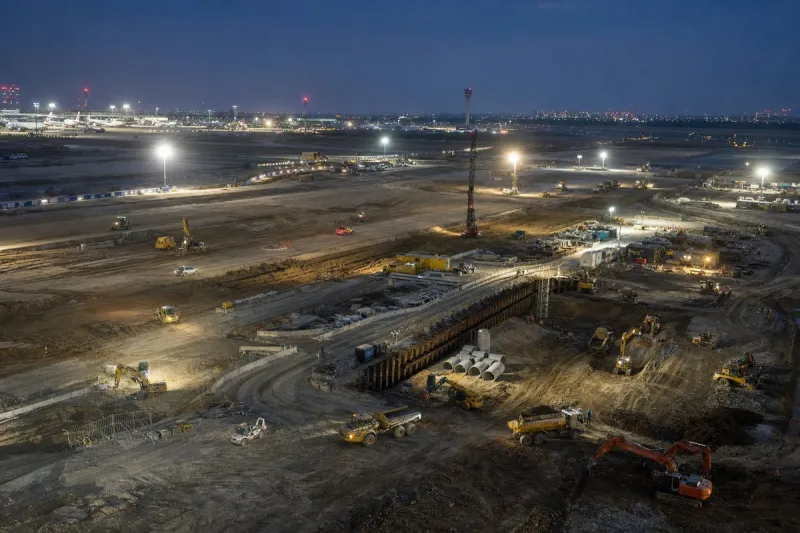
The Canadian federal government has committed $22.4 million to Kelowna International Airport (YLW), funding that will extend electrical, water and sewage infrastructure to more than 66.77 hectares (165 acres) of vacant land along the airport's eastern border, creating a runway-accessible industrial park.
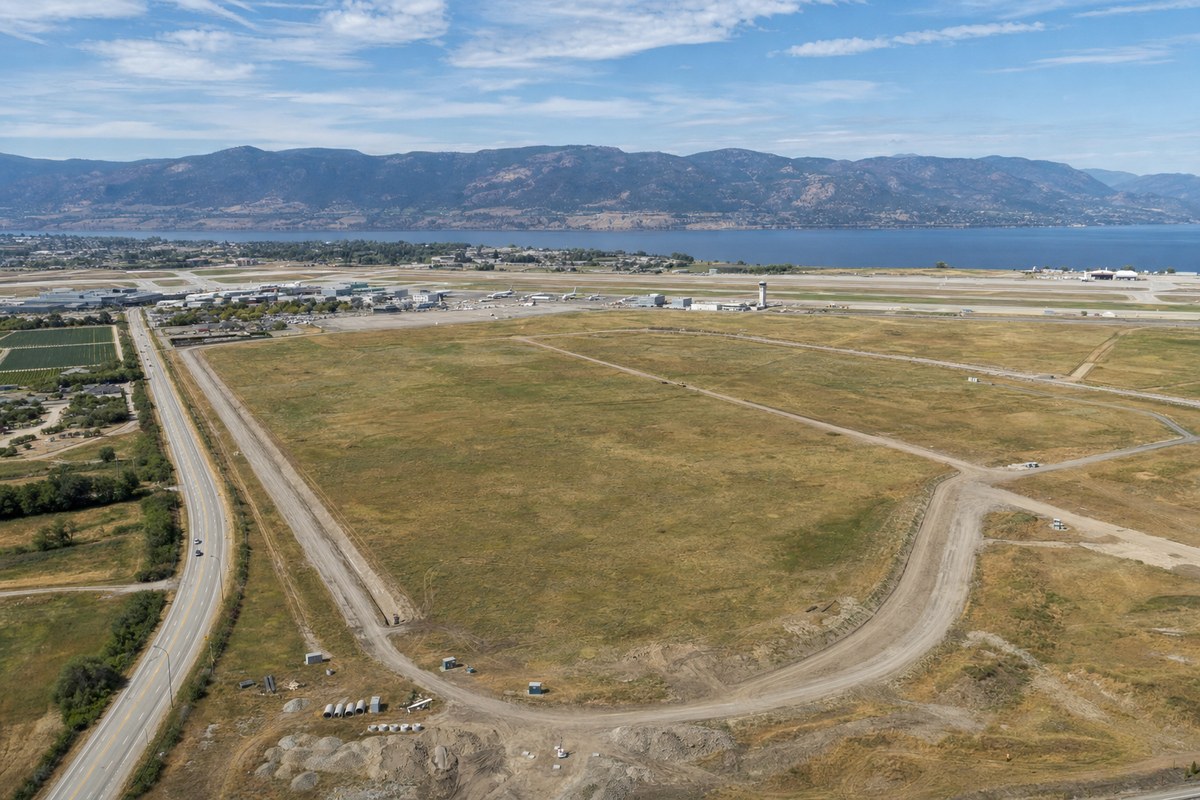
The federal money forms part of a larger $58.8-million expansion project authorised by the City of Kelowna. The remaining $36.4 million will come through the Municipal Finance Authority, with debt repayment drawn from airport reserves instead of local taxation. Stephen Fuhr, federal secretary of state for defence procurement and MP for Kelowna, said at a news conference that the investment "removes the infrastructure barriers and creates serviced airport, industrial land," adding that it would strengthen the local economy and open doors for Canada's aerospace industry. Phillip Elchitz, director of operations and innovation at YLW, called the project "unlocking possibilities" and said airports serve as economic engines where innovation, investment and career-building take place.
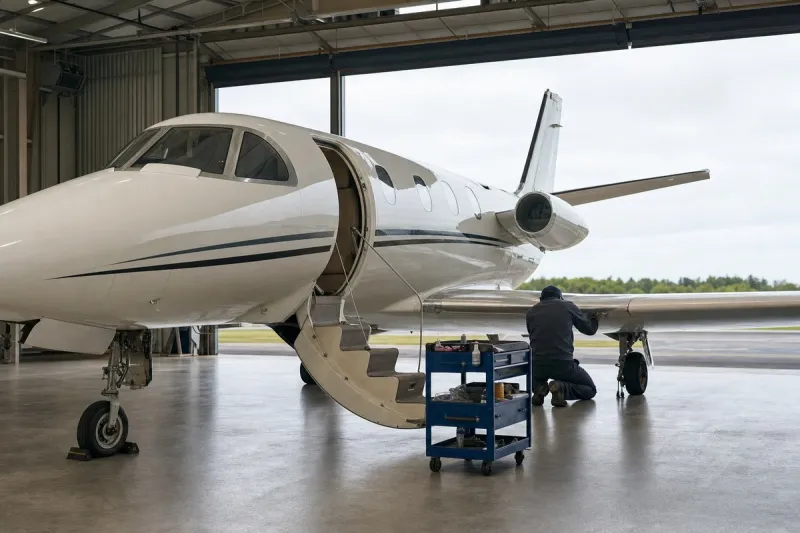
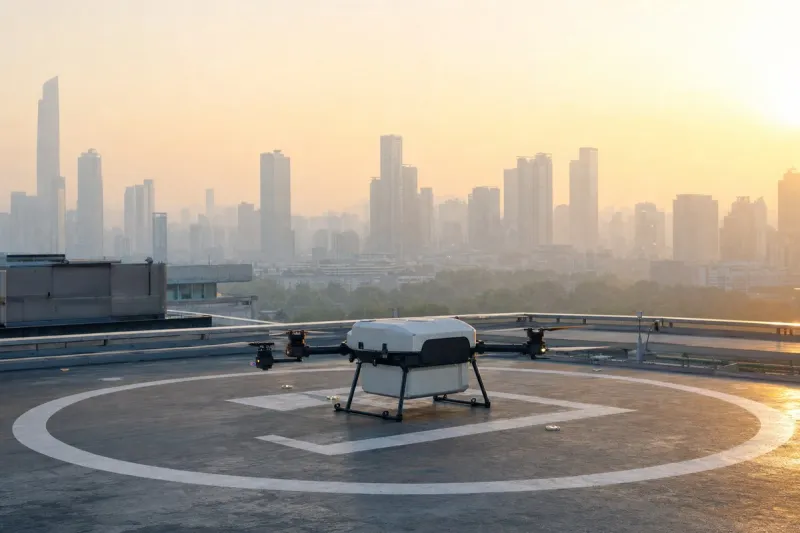
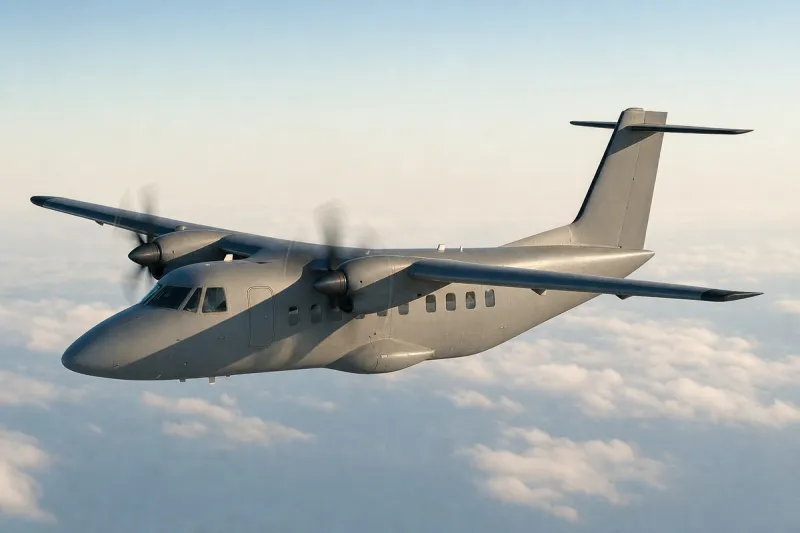
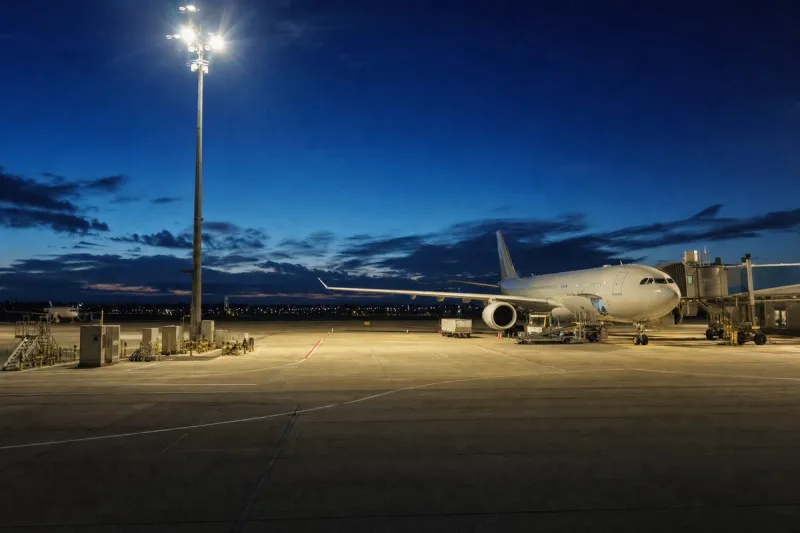
Several aerospace companies have already expressed interest in expanding operations at YLW, including De Havilland Canada, Wildcat Helicopters and FireSwarm Solutions, a firm developing autonomous firefighting drones. KF Aerospace, which services and rebuilds aircraft for airlines worldwide, is already a major airport client and regional employer. YLW is British Columbia's second-busiest airport, handling approximately 2.3 million passengers travelling to 22 destinations last year and said to contribute more than $2 billion annually to the local economy while supporting over 9,000 jobs. The airport has recently opened a $101-million, 5,500-square-metre terminal expansion, an on-site hotel and covered parking facilities, and its master plan calls for $422 million in upgrades between 2024 and 2033. Infrastructure construction is expected to begin in spring 2027 and be completed by the end of 2028.
Industry impact & what to watch
Serviced land is often the binding constraint on aerospace expansion at regional airports, since manufacturers, MRO providers and drone developers need runway access alongside utilities before they will commit capital. By funding the infrastructure directly instead of leaving it to private developers, Ottawa is treating the industrial park as a public asset that lowers the entry cost for tenants rather than a speculative real-estate play.
This reflects how airport-adjacent industrial development typically works: the public sector builds the serviced pad sites, and named prospects such as De Havilland Canada, Wildcat Helicopters and FireSwarm Solutions weigh in only once utilities and runway access exist, while an anchor tenant like KF Aerospace signals to newer entrants that the location already supports aerospace-scale operations. Financing the local share through airport reserves via the Municipal Finance Authority, keeps the project off the tax roll and ties repayment to the airport's own revenue performance.
What remains to be seen is which of the interested companies convert interest into signed leases once serviced lots are available, and whether construction holds to the spring 2027 start and 2028 completion timeline embedded in the wider $422-million master plan running through 2033.