Private jets used by 0.003% of global population pay just 0.6% of FAA funding while accounting for 16% of its operations, report finds
Why It MattersThe gap between light aviation-fuel taxation and heavier commercial ticket taxes shows how federal funding formulas can lag far behind a fast-growing segment's actual share of air traffic and emissions.
What happened
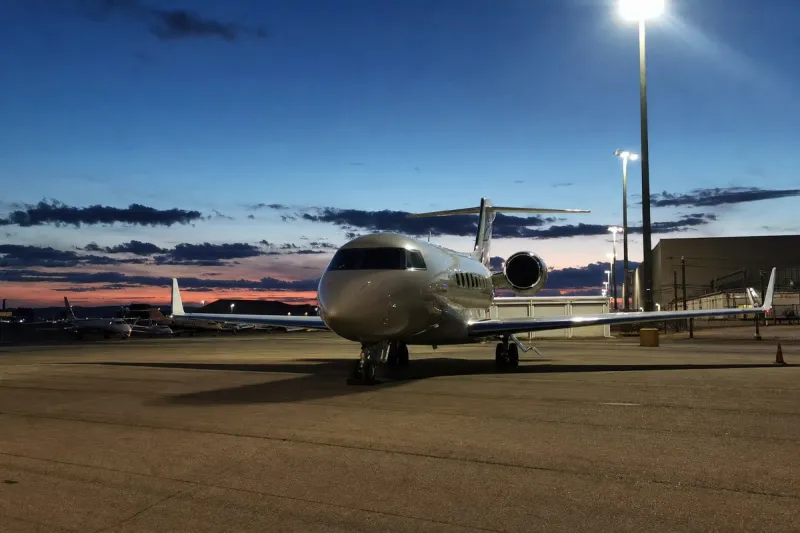
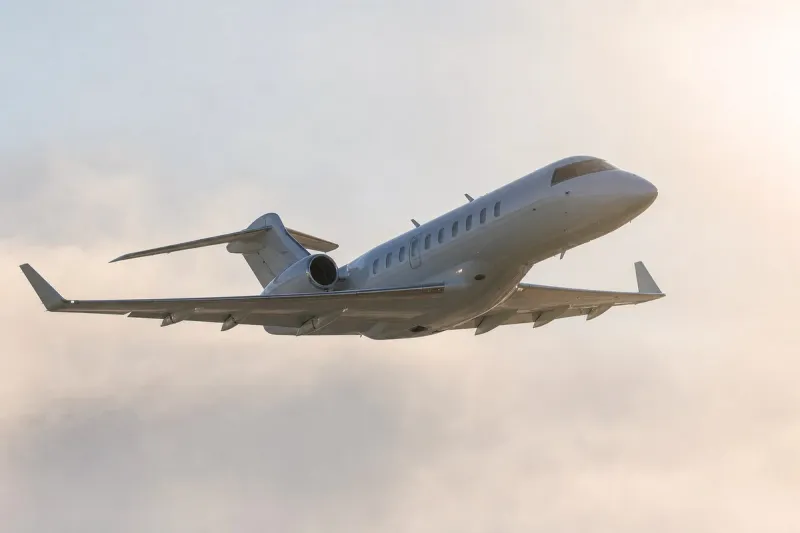
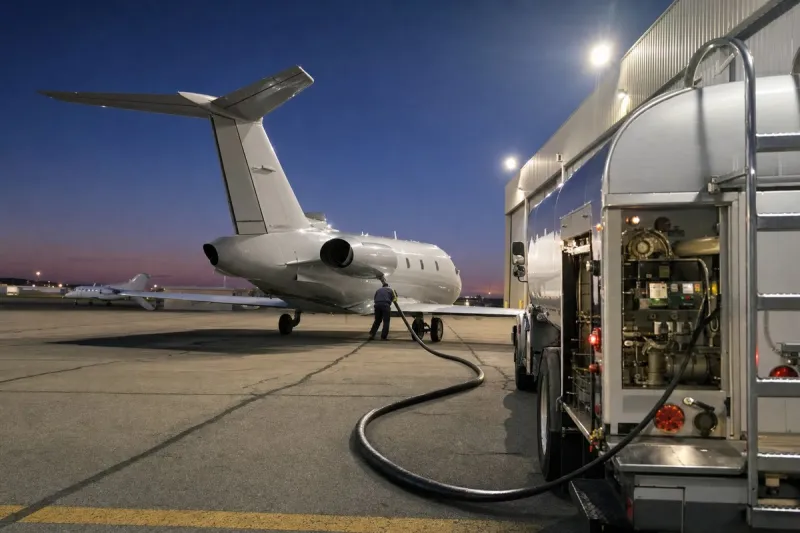
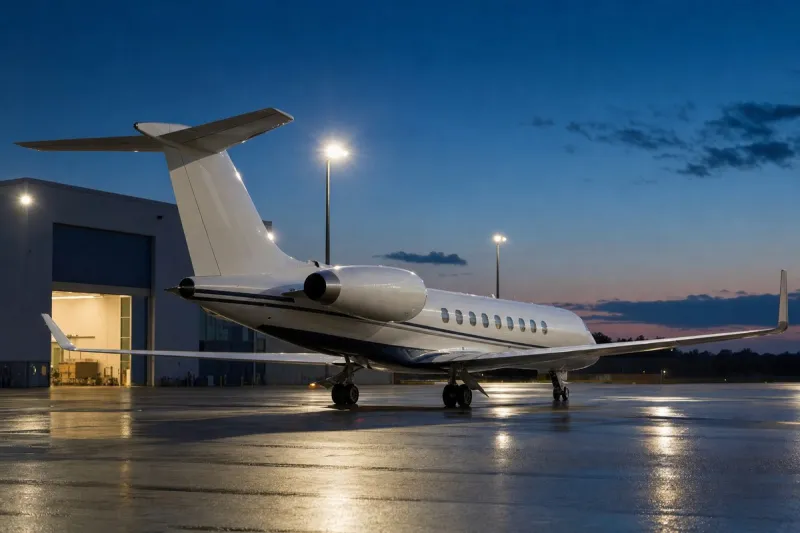
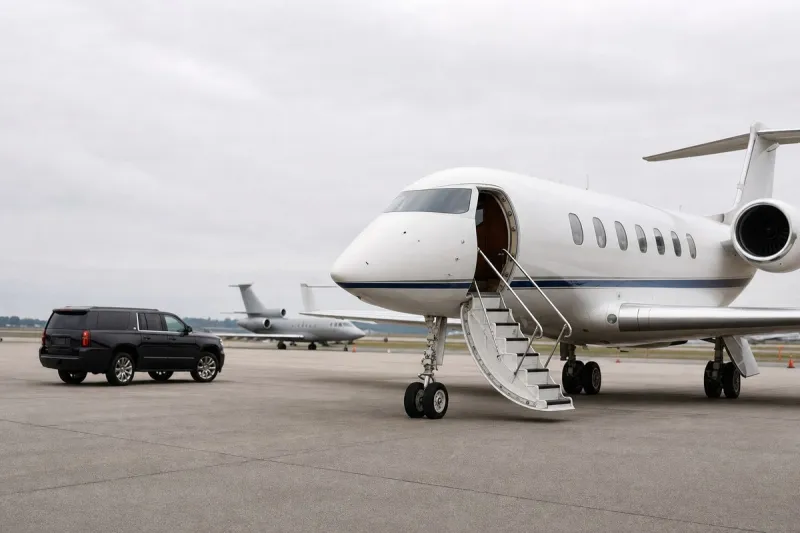
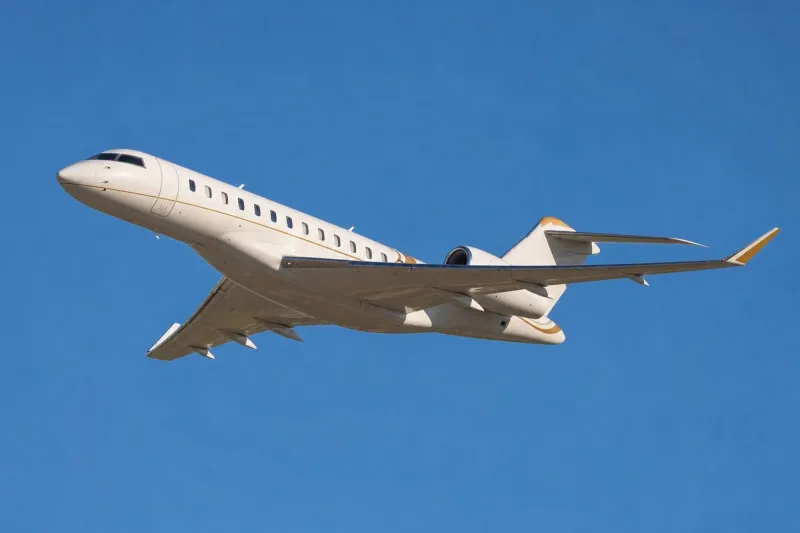
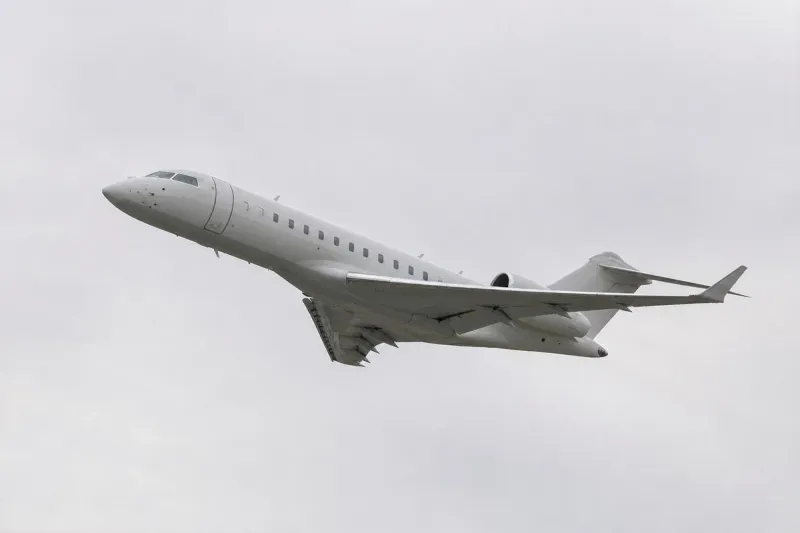
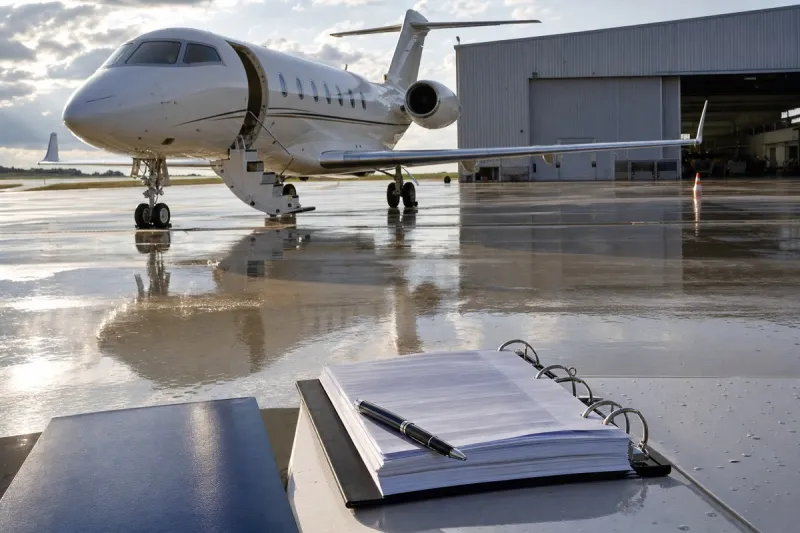
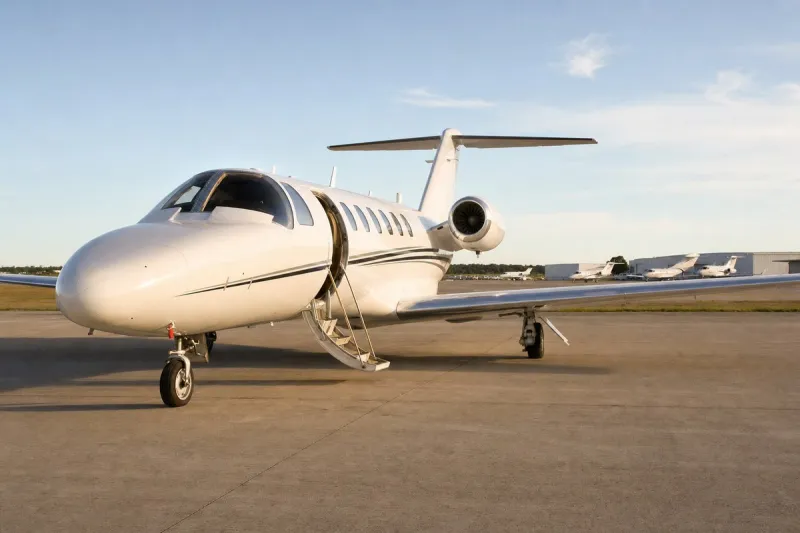
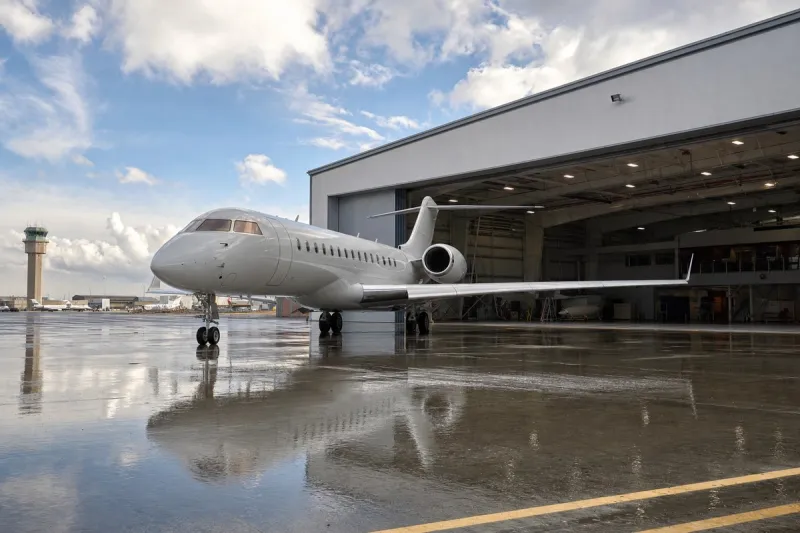
The Institute for Policy Studies (IPS), a nonprofit research and advocacy group, has published a report finding that only 256,000 people — the top 0.003% of the global population — use private jets, with roughly half of their flights taken for leisure travel. Private-jet passengers pay a federal jet-fuel tax of 21.9 cents per gallon, and the report finds private jets account for 16% of FAA operations while contributing just 0.6% of the taxes that fund the agency.
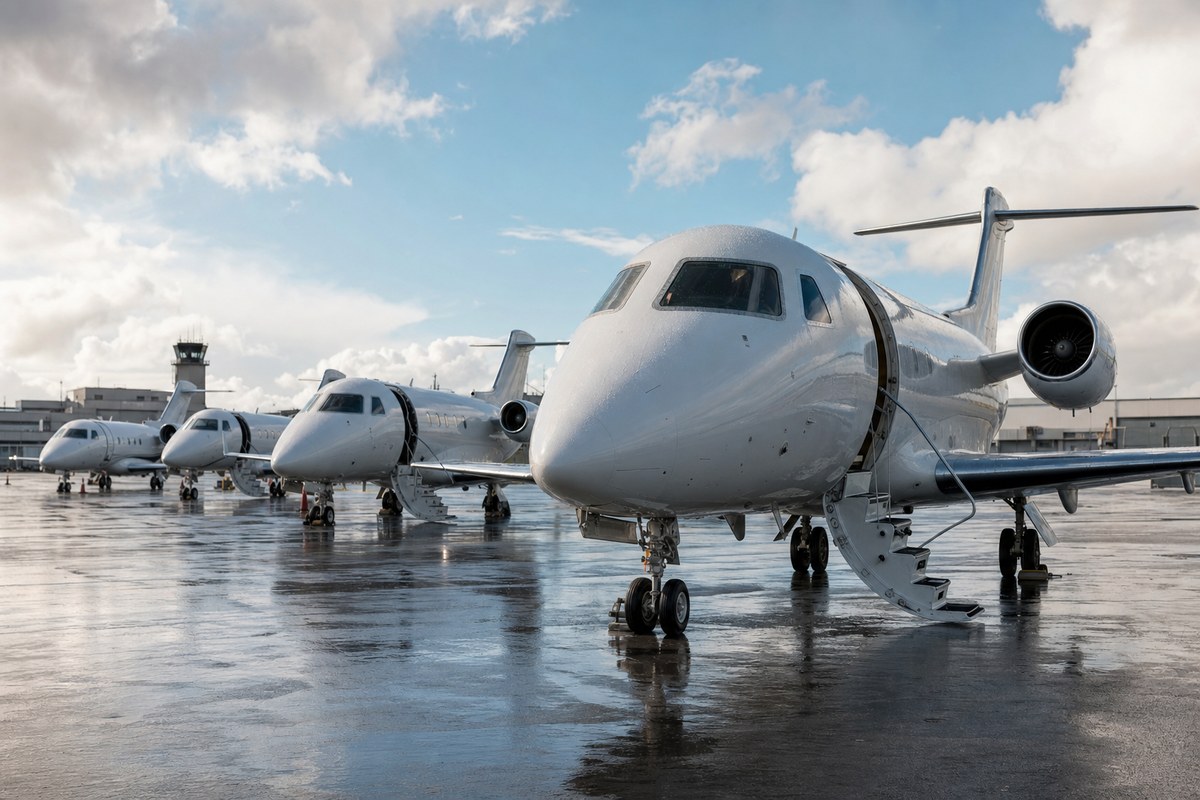
Each private-jet flyer produces between 10 and 14 times more greenhouse gas than a typical commercial passenger, the report estimates. As a specific example, a private-jet flight from Teterboro, New Jersey, to Dulles International Airport generates 538.5 kilograms of CO2-equivalent per passenger, compared with 44.38 kg per passenger on a Delta Air Lines flight from LaGuardia Airport to Reagan National. At approximately 20 million tons of CO2 per year, private jets represent about 2% of all aviation emissions. The median wealth of a private-jet owner is $190 million, the report states.
Private air travel reached nearly 3.9 million flights last year, up 34% from 2019, according to data provider WingX. Jet sales have risen 24% since 2021 to $40.3 billion in 2025, according to jet-financing firm Global Jet Capital. Order backlogs at manufacturers including Gulfstream and Bombardier were up 20% in the second quarter of 2026 from a year earlier, reaching $66.8 billion. The United States holds 69% of the world's total private jets.
Commercial airline passengers pay a 7.5% transportation tax plus additional charges, while private-jet passengers pay only the fuel tax. President Donald Trump's One Big Beautiful Bill Act made permanent an accelerated depreciation provision allowing owners to write off the full cost of a plane in the first year. Florida, which accounts for 12% of U.S. private-jet flights, levies neither fuel nor sales taxes on private jets. The report suggests governments could raise $3 billion annually by imposing a 10% tax on used jets and a 5% tax on new ones. Bloomberg Opinion columnist Mark Gongloff wrote the column presenting these findings, and the views expressed are his own and do not necessarily reflect the opinion of Bloomberg LP or its editorial board.
Industry impact & what to watch
This case sits within a broader debate over how aviation's tax and emissions burdens are distributed across different classes of flying. Commercial aviation is funded through a percentage-based ticket tax layered with fees, while private aviation has historically been funded through a flat per-gallon fuel levy — a structural difference that produces very different contributions per flight regardless of how the segments compare in traffic share or environmental footprint.
The private-jet segment's growth compounds the mismatch: nearly 3.9 million flights last year, a 24% rise in jet sales to $40.3 billion, and manufacturer backlogs reaching $66.8 billion all point to expanding activity, even as the funding mechanism tied to that activity has stayed flat. Tax provisions such as first-year depreciation write-offs and state-level exemptions like Florida's add further asymmetry on top of the fuel-tax structure itself.
What happens next depends on whether the $3 billion annual revenue estimate IPS attaches to a 10% used-jet and 5% new-jet tax proposal gains traction with lawmakers, and whether FAA funding formulas are revisited in light of the 16%-operations-versus-0.6%-contribution gap the report documents.