Iraq Deputy Parliament Speaker Threatens Extraordinary Session Over Iranian Flight Ban
Why It MattersAviation restrictions imposed under external sanctions pressure can expose airports and ground-handling providers to competing legal and political demands, forcing carriers and states to navigate compliance risk without clear domestic authority.
What happened
Iraq's first deputy parliament speaker, Adnan Faihan, condemned the enforcement of restrictions on Iranian airlines at Iraqi airports as "hasty, ill-considered and contrary to the Iraqi Constitution," warning that parliament could convene an extraordinary session and act against those responsible if the decision is not reversed. He argued that unilateral U.S. sanctions do not constitute an international obligation binding on Iraq and said Iraq should not become "a partner in the blockade on the Islamic Republic."
Faihan warned that Iran could retaliate by cutting gas supplies, which he said could eliminate 30% to 40% of Iraq's electricity generating capacity, prolonging power cuts affecting hospitals, water treatment facilities and other services. He said the restrictions would also harm religious tourism, travel companies and revenue from transit fees and aviation services, particularly at Baghdad and Najaf airports.
Faihan is Asaib Ahl al-Haq's most senior office-holder, elected first deputy speaker in December as the candidate of Sadiqoun, its political wing. His warning came on the same day Asaib's leader Qais al-Khazali said Iraq was participating in "this unjust and unfair blockade" of Iran. The Badr bloc and Harakat al-Nujaba have also objected to the restrictions.
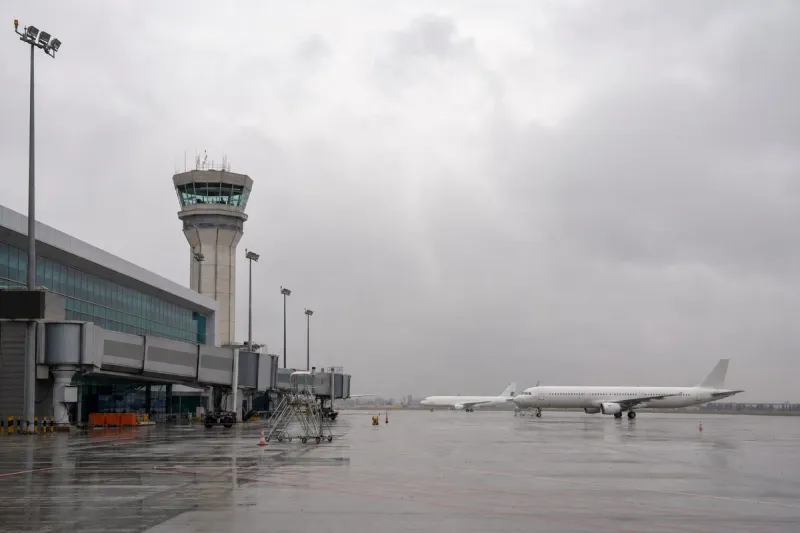
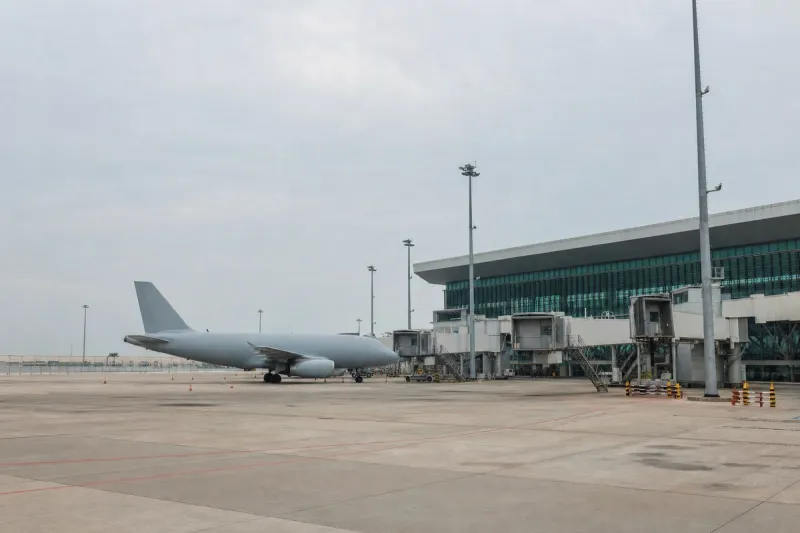
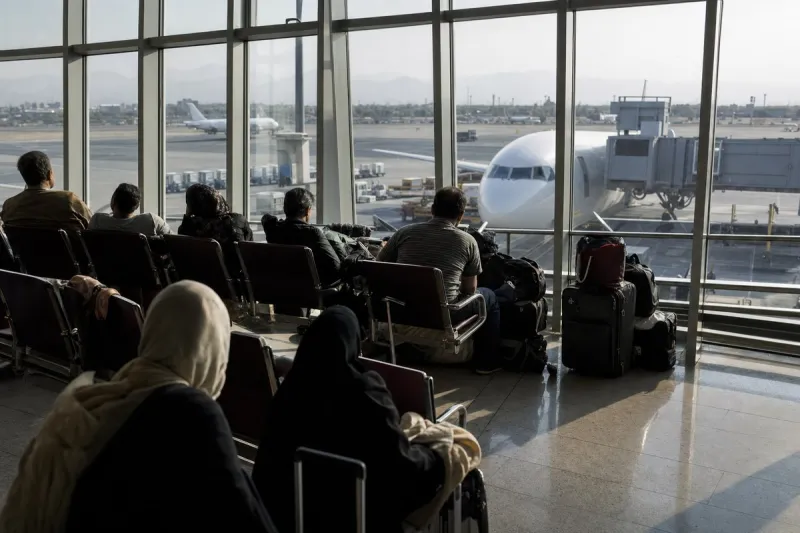
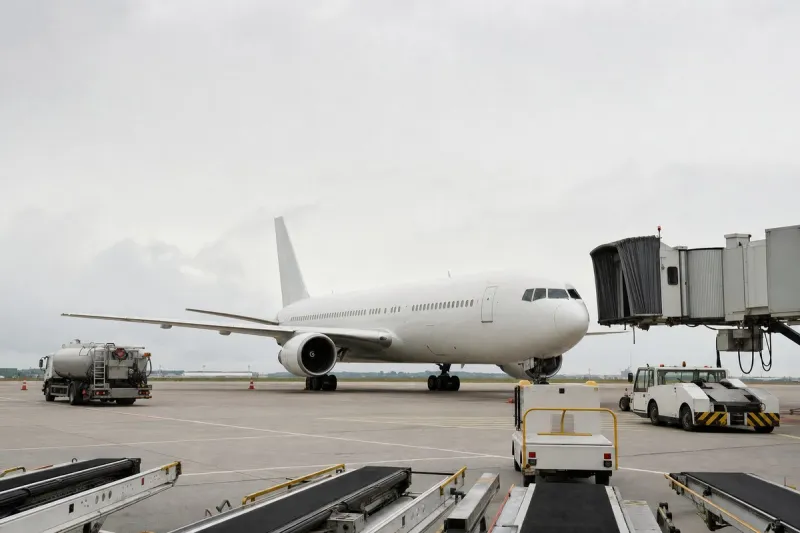
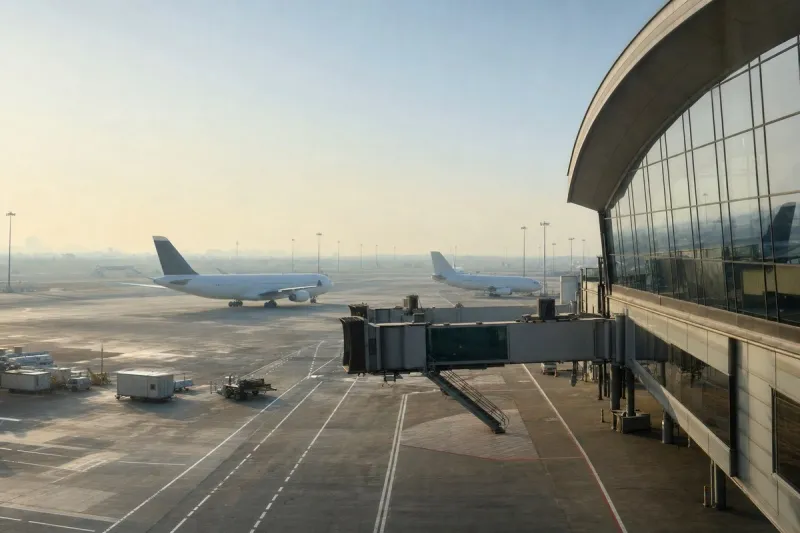
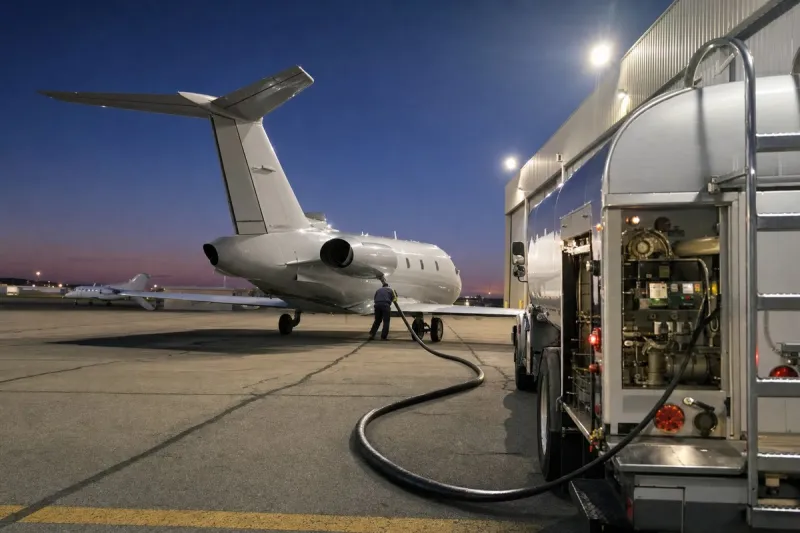
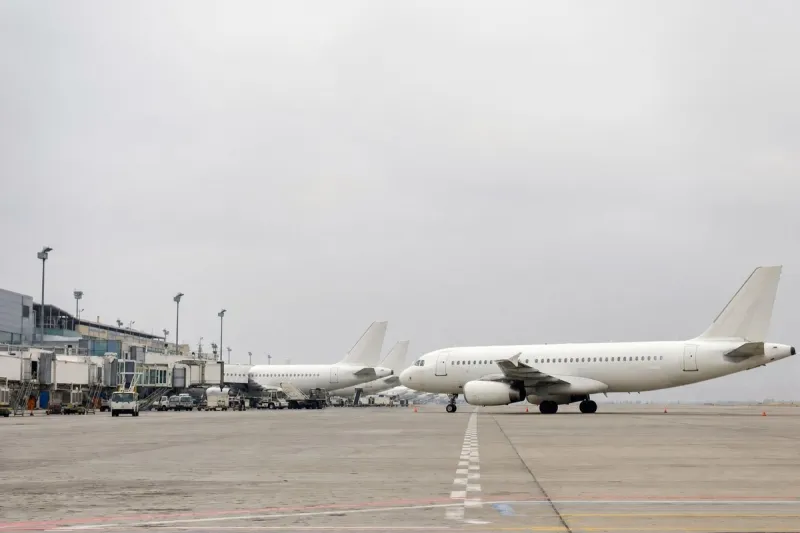
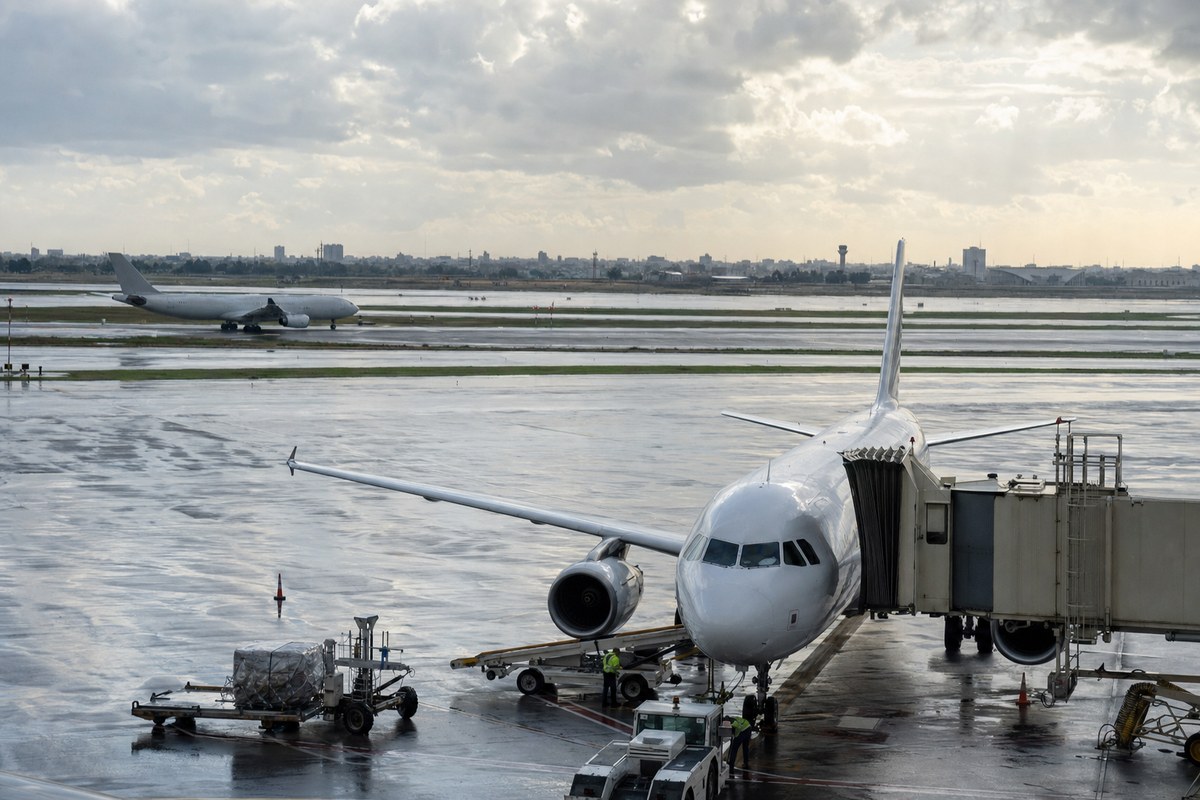
Najaf airport suspended all flights to and from Iran from 2 a.m. on Friday, on a directive that an airport source said came from the prime minister's office. Earlier in the week, one official said private ground-handling companies had stopped serving Iranian aircraft for fear of sanctions, while another said the Foreign Ministry had instructed the Transport Ministry to halt support. The Iraqi government said Saturday it was in direct talks with Washington to seek exemptions for some Iraqi airports so that flights for medical treatment, education and religious visits could resume.
Industry impact & what to watch
This case shows how sanctions enforcement at the ground-handling level can override formal government-to-government positions: private handling firms halted service to Iranian aircraft out of their own exposure to U.S. sanctions risk, ahead of any explicit legal directive reaching parliament or the public. That dynamic — compliance decisions made quietly by contractors and ministries rather than through open legislative process — is a recurring feature of how sanctions regimes reach into aviation operations even in countries that are not themselves the sanctioning party.
For airports like Najaf and Baghdad, the exposure runs through several channels at once: transit fees, aviation service revenue, religious tourism traffic and the broader energy relationship with Iran, since Faihan tied the flight restrictions to the risk of Iran curtailing gas supplies that feed Iraqi power generation. That linkage illustrates how a single operational decision — halting flights to and from one country — can carry cross-sector consequences well beyond the airport gate.
The near-term test is whether Washington grants the exemptions Baghdad is now seeking for medical, education and religious travel, and whether parliament actually convenes the extraordinary session Faihan has threatened. Both would clarify whether the flight suspension holds as a lasting policy or reverts once a narrower carve-out is negotiated.