Business Aviation & AAM Report: ATC Upgrade Funding, FAA Citation Exemptions, Vertical Aerospace Production Facility Among Top Stories
Why It MattersBusiness aviation is absorbing simultaneous regulatory tightening and infrastructure funding pressure while wealth-driven demand and new AAM entrants test whether smaller, agile operators and unproven aircraft can scale alongside stricter oversight.
What happened
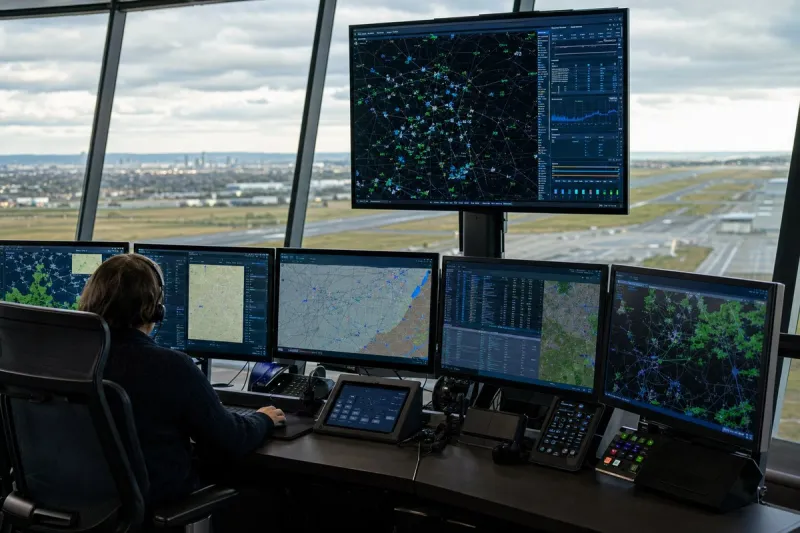
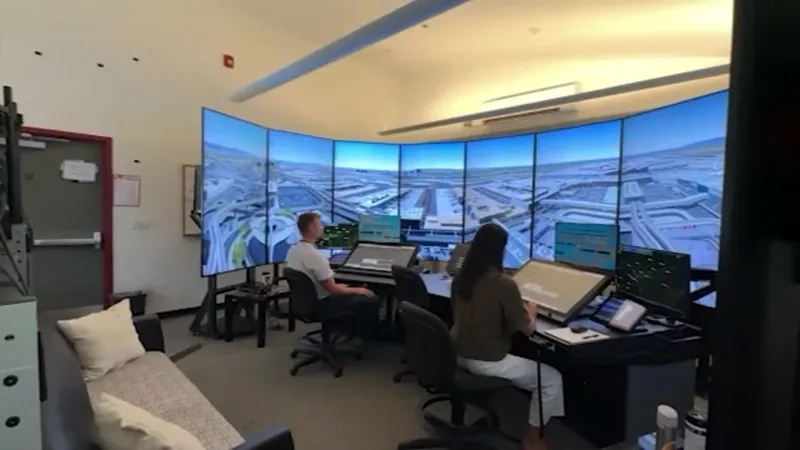
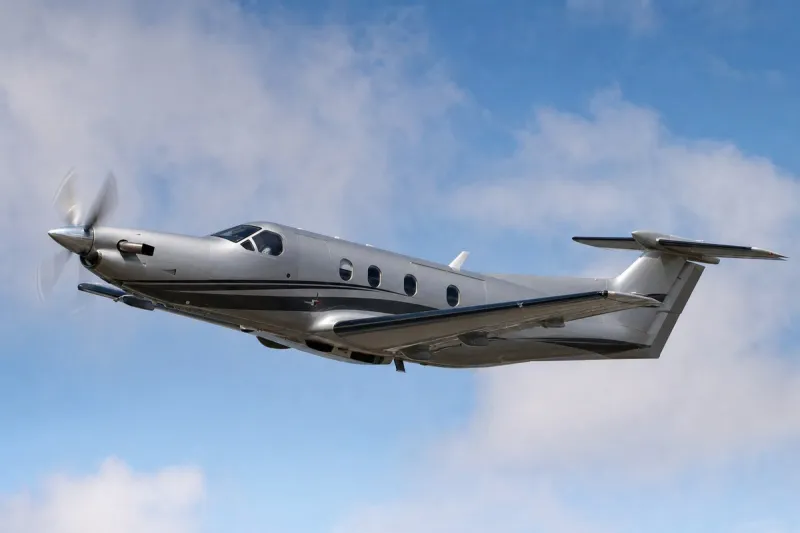
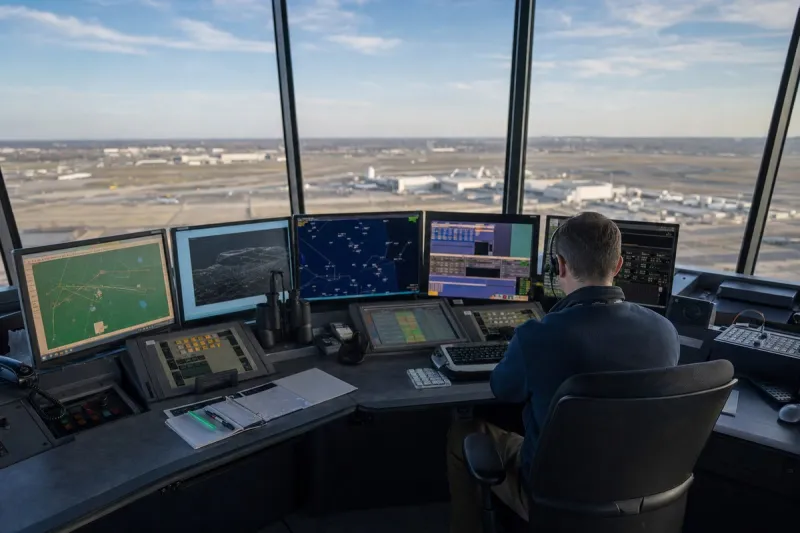
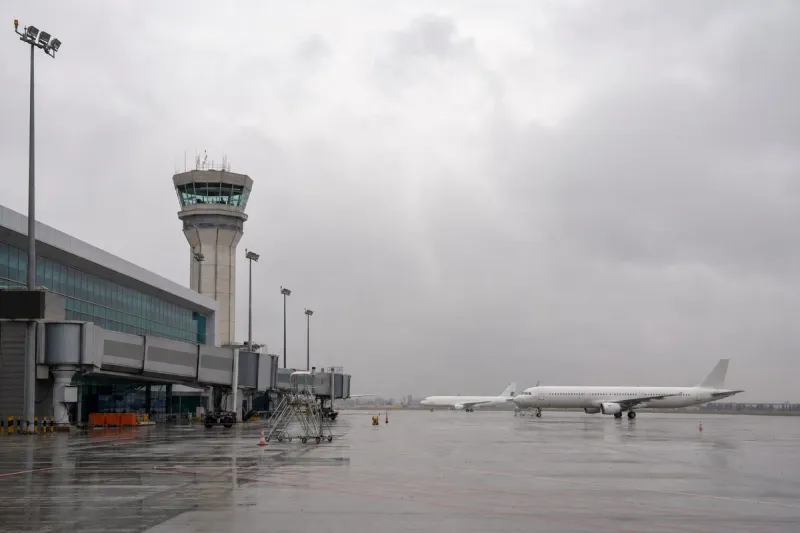
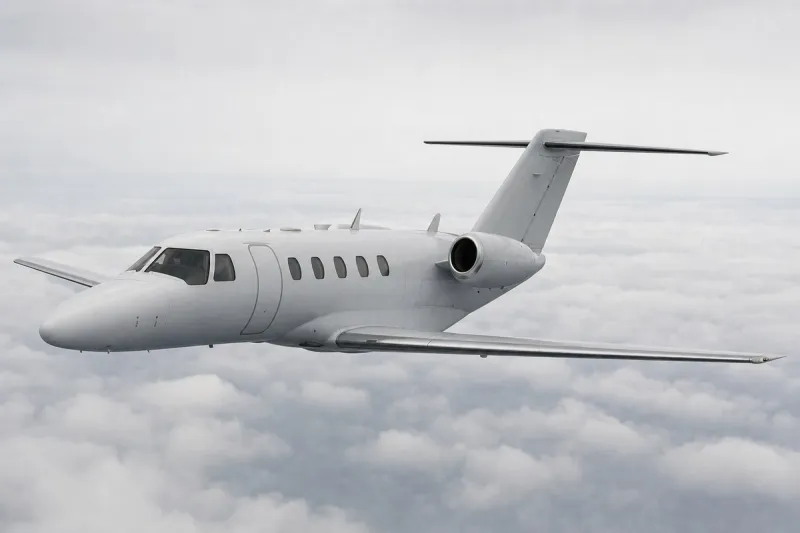
The Trump Administration is seeking an additional $30 billion from Congress to complete an expedited modernization of the U.S. air traffic control system, building on an earlier appropriation of $12.5 billion. The FAA has ended single-pilot exemptions for certain Cessna Citation jets, citing safety concerns and widespread noncompliance in training and operations.

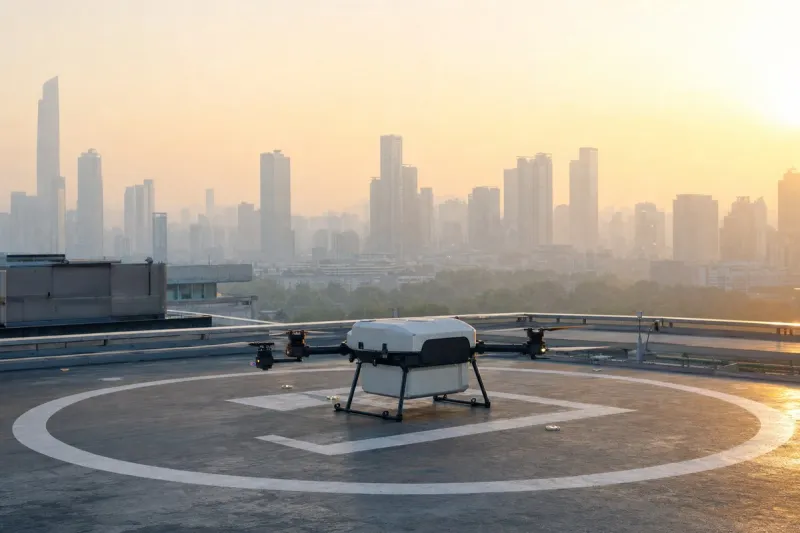
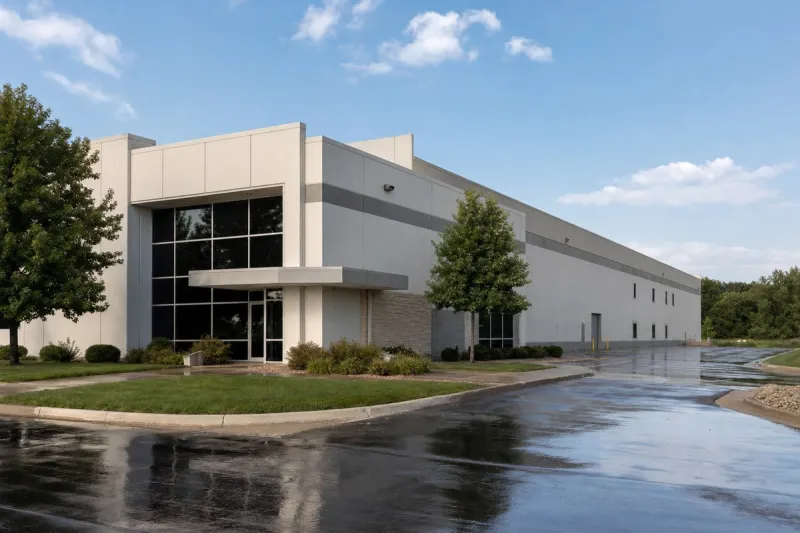
Vertical Aerospace has opened its initial production facility at Cotswold Airport, where it will build seven Valo eVTOL test aircraft, with first flight expected in late 2025. Amprius Technologies has received a Pentagon grant of up to $75 million to establish domestic U.S. production of energy-dense battery cells for drones. Virginia has tested new airspace procedures for advanced air mobility, using vertiports and low-level routes to support electric and hybrid aircraft operations.
At the Air Charter Expo in London on September 8, boutique operators argued that smaller fleets may offer competitive advantages in a consolidating industry. Separately, industry discussion has pointed to IPO activity as a demand indicator for new business jet customers amid a structural shift driven by wealth creation.
Industry impact & what to watch
These items together describe an industry moving on several fronts at once: regulators tightening single-pilot operating rules even as government pushes a multibillion-dollar overhaul of the air traffic control backbone that business aviation depends on. The $30 billion request layered on top of the earlier $12.5 billion appropriation signals that ATC modernization costs are still climbing well past initial estimates, a pattern regulators and operators will have to keep budgeting around.
On the aircraft side, the Citation exemption rollback shows how the FAA responds when operational compliance lags safety expectations, a dynamic that can reshape training requirements and staffing costs for operators flying single-pilot-certified jets. Meanwhile advanced air mobility is moving from concept to hardware and airspace testing in parallel, with Vertical Aerospace's Cotswold facility and Virginia's vertiport trials marking early steps toward integrating electric aircraft into controlled airspace.
What comes into focus next is whether Congress funds the full ATC request, how affected Citation operators adjust crewing and training to the new rule, and whether Vertical Aerospace's seven test aircraft reach first flight on the timeline it has set.