IPS Report: Private Jets Emit Up to 14 Times More CO₂ Per Passenger Than Commercial Flights, Pay Under 0.6% of FAA Taxes
Why It MattersThe findings sharpen a policy debate over aviation taxation and infrastructure funding that could reshape how private and fractional flying is priced and regulated relative to commercial aviation.
What happened
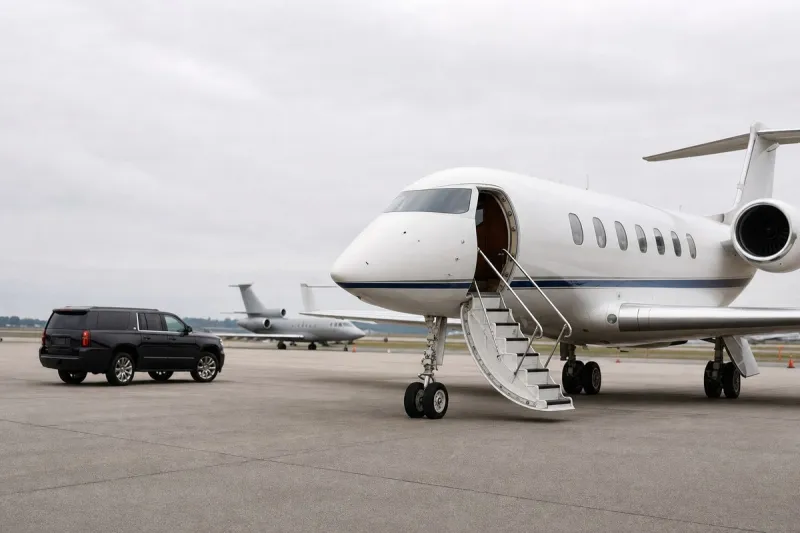
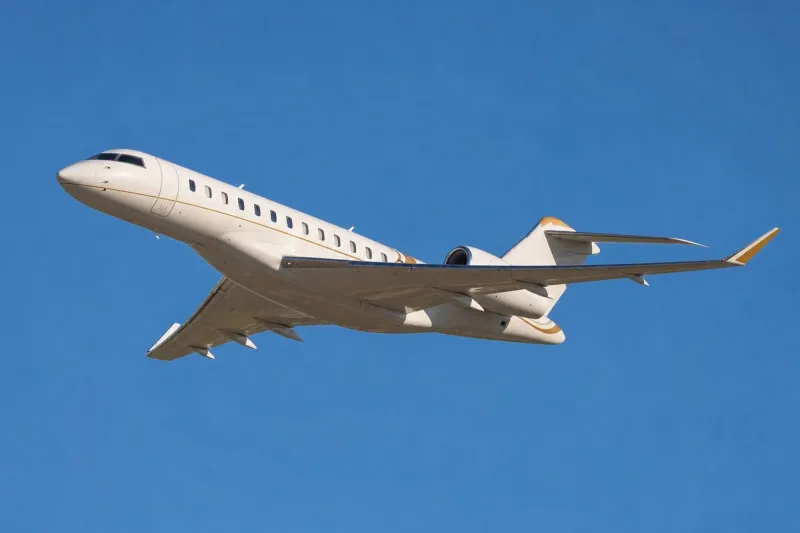
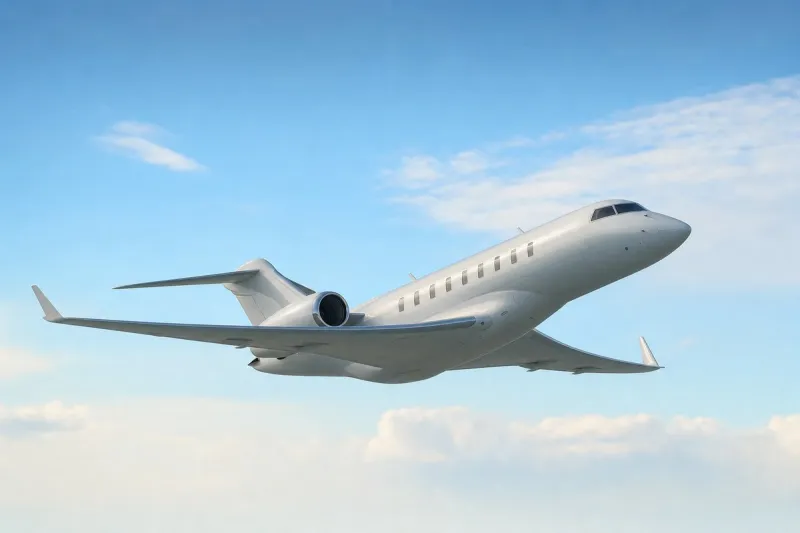
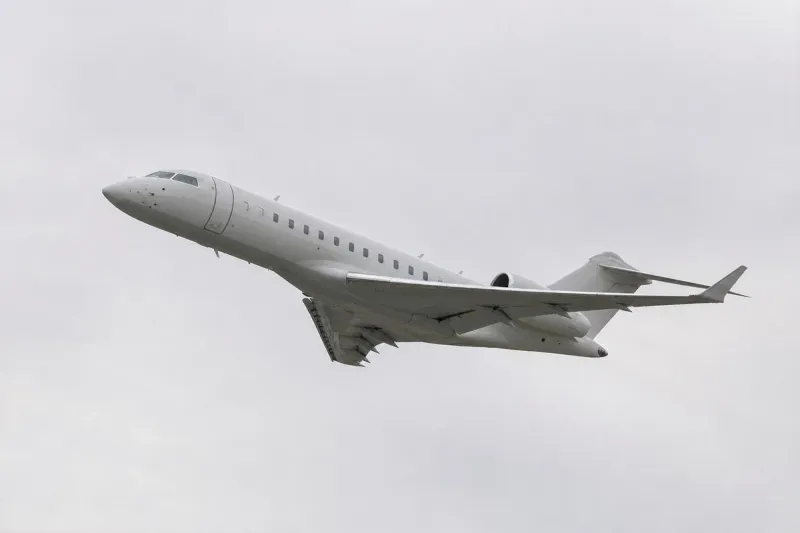
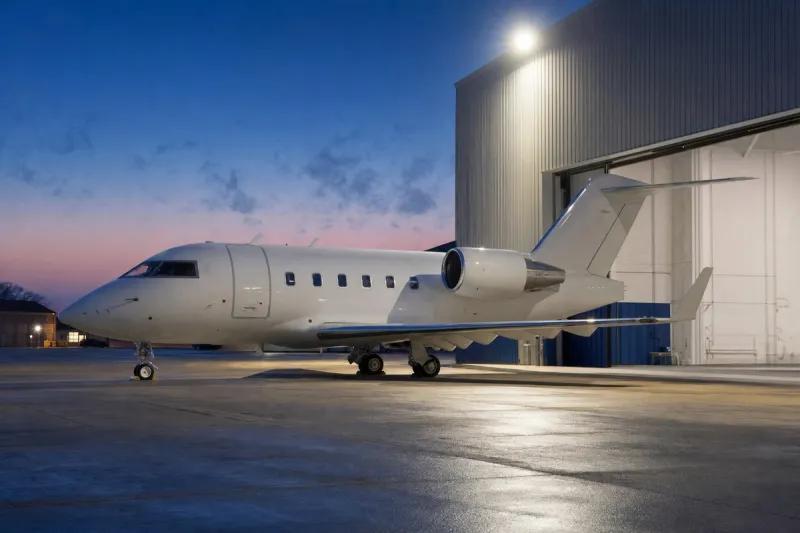
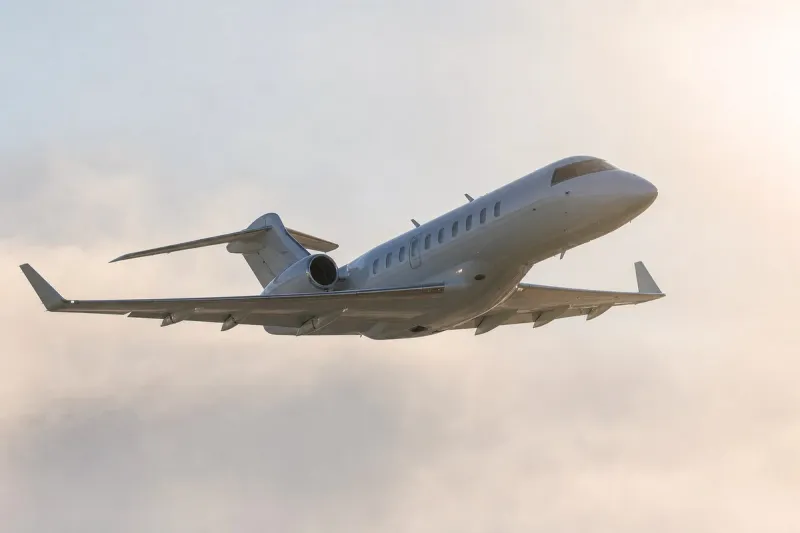
The Institute for Policy Studies (IPS) has published a report titled "High Flyers 2026" arguing that private jet travel imposes disproportionate climate and fiscal costs while serving a tiny share of air passengers. The report finds that private jets and charter services account for roughly 16% of flight operations handled by the FAA, and that noncommercial private jets represent about 7% of airspace activity while contributing less than 0.6% of taxes flowing into the fund that finances FAA operations, according to Department of Transportation figures cited in the report.
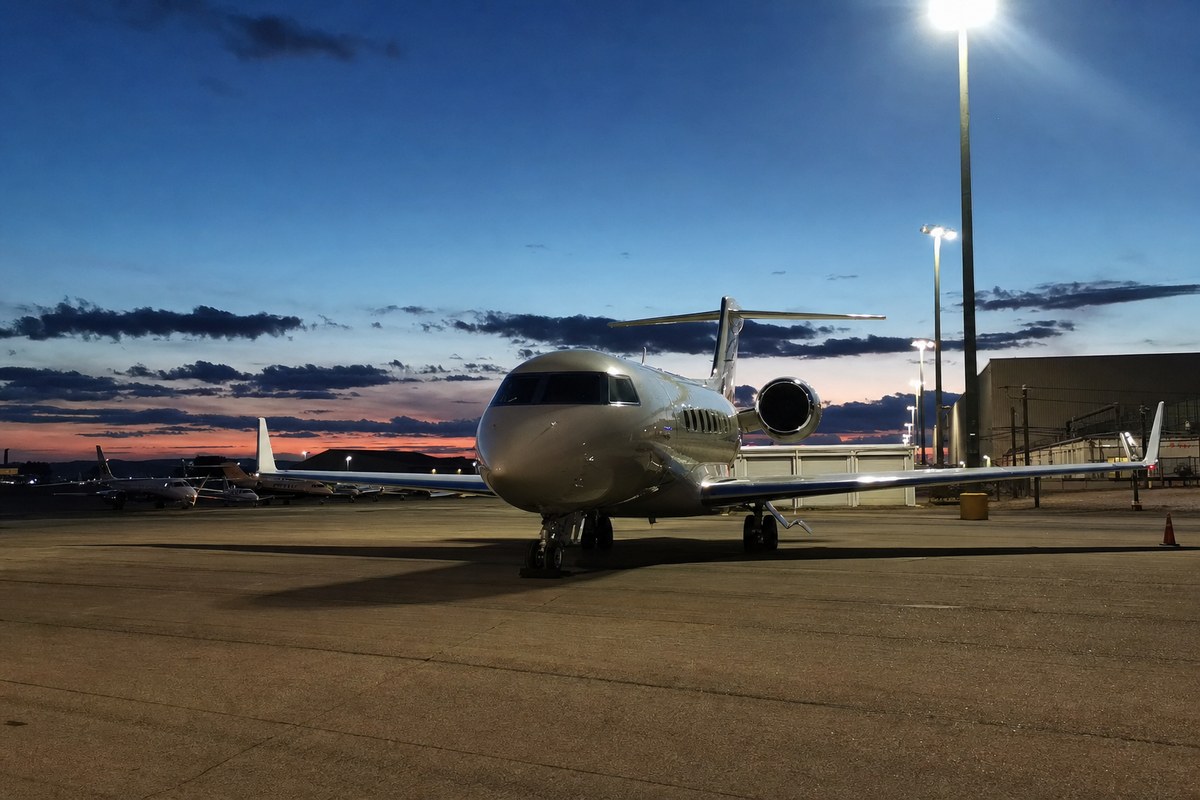
The report estimates approximately 256,000 people fly on private jets, a group it calculates as roughly 0.003% of the population. IPS also notes there are now 3,428 billionaires worldwide. On emissions, the report states that private jets produce direct carbon emissions 10 to 14 times greater per passenger than commercial flights, not counting additional warming effects from flying at altitude.
The report further found that more than $1.13 billion in airport infrastructure grants awarded through 2026 went toward projects that may primarily benefit private aviation. It states the National Business Aviation Association spent approximately $2 million in 2025 advocating for legislation providing tax breaks to private jet owners. Fractional jet ownership, in which individuals purchase a share of an aircraft in exchange for a set number of flight hours, rose 65% between 2019 and 2025. Report co-author Chuck Collins said: "The rest of us should not have to pay for the luxury excess of the private jet billionaire class. Our hard-earned tax dollars shouldn't subsidize their reckless air travel habits that further harm our warming planet." IPS is calling for a luxury tax on private jet sales, higher taxes on private jet fuel, and an end to public funding for new private jet infrastructure.
Industry impact & what to watch
This report belongs to a growing category of advocacy research aimed at reframing private aviation as a subsidized luxury rather than a neutral transportation choice, using tax-contribution and emissions-per-passenger comparisons to make that case. Such figures are built to travel into legislative debates, and the FAA funding mechanism the report cites is the same trust fund that pays for air traffic control, airport grants and safety oversight across the whole system, commercial and private alike.
Fractional ownership's growth over the 2019-2025 period is presented here as evidence of demand expansion rather than as a standalone fleet metric, and it will likely be cited both by critics pushing for luxury and fuel taxes and by industry defenders arguing that fractional structures already spread jet access beyond billionaires. The National Business Aviation Association's lobbying spending is a data point operators and brokers should expect to see referenced in any coming tax-policy fight.
What happens next depends on whether lawmakers act on IPS's specific asks: a luxury tax on private jet sales, higher private jet fuel taxes, and a halt to public funding for new private aviation infrastructure. Any legislative response to those proposals, rather than the report itself, is what would actually change the economics operators and owners face.