Gulf Private Jet Charter Market Set to Hit $4.2 Billion by 2026 as GCC Operators Expand Fleets and Services
Why It MattersRapid Gulf fleet and licensing growth is outpacing crew, hangar and infrastructure capacity, exposing structural bottlenecks that could constrain how fast operators can scale service.
What happened
The private jet charter sector across the six GCC states is projected to reach $4.2 billion in annual revenues by end-2026, according to aviation consultancy WingX Advance, with the Gulf market having grown 34 percent since 2022. Saudi Arabia recorded over 14,800 private jet movements in 2025, a 28 percent increase from the prior year, according to EUROCONTROL and regional tracking data, and the country's General Authority of Civil Aviation (GACA) issued 11 new air operator certificates for private charter companies in 2025 alone — more than in the previous five years combined.

Dubai-based Jetex, founded by Adel Mardini, now operates 38 FBO locations globally as of early 2026, including new facilities at Riyadh's King Khalid International Airport and in Muscat, and reported a 41 percent year-on-year increase in Gulf-originating flight hours in 2025, with Saudi Arabia accounting for nearly a third of that growth. Abu Dhabi's Royal Jet operates a fleet of 16 aircraft, including Boeing Business Jets configured for heads of state, and disclosed revenues of approximately $190 million for 2025 covering charter operations and aircraft management. SAUDIA Private Aviation, a subsidiary of Saudi Arabian Airlines based in Riyadh, doubled its managed fleet to 22 aircraft since 2023 and secured a contract in late 2025 to provide charter services for NEOM-related investment summit delegates, worth $45 million.
VistaJet, controlled by Thomas Flohr, established a dedicated Saudi operations desk in Jeddah in January 2026 with Arabic-speaking account managers and Sharia-compliant contract structures. NetJets, the Berkshire Hathaway subsidiary, re-entered the Gulf market in mid-2025 after a decade-long absence, offering fractional shares in its European fleet to UAE and Saudi residents; a one-sixteenth share in a Bombardier Challenger 350 starts at approximately $1.1 million, with monthly management fees of $18,000, and NetJets signed over 40 Gulf-based fractional owners within its first eight months. Elit'Avia reported that 60 percent of its new aircraft management contracts in 2025 came from Saudi and Qatari family offices.
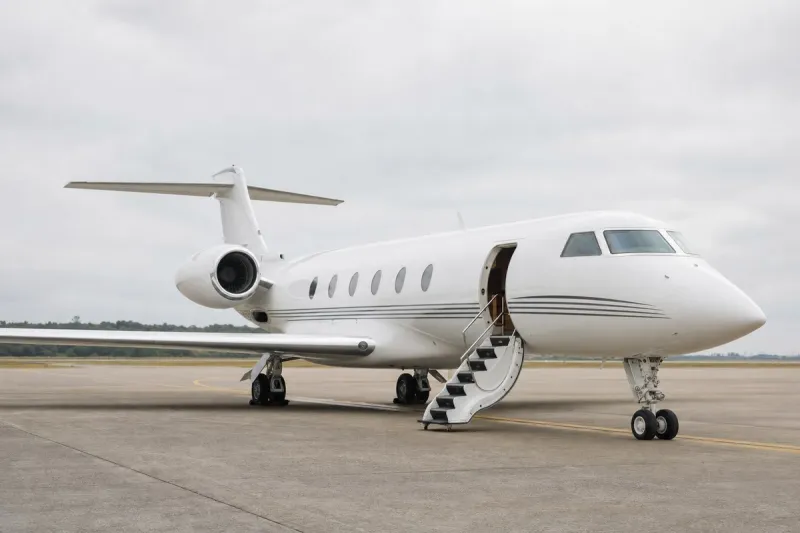
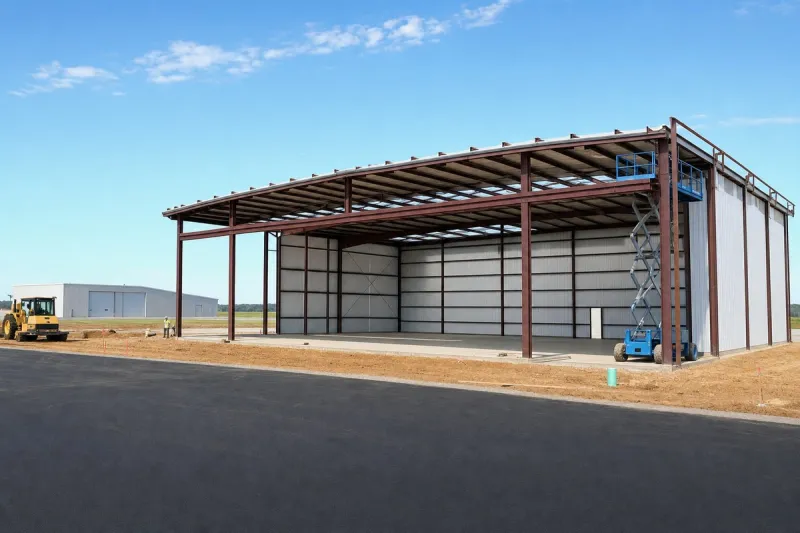
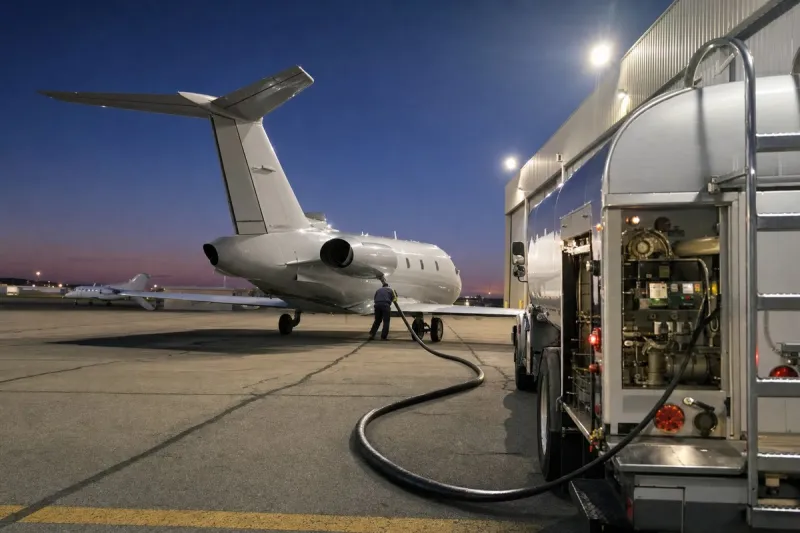
Gulfstream Aerospace delivered 19 aircraft to GCC-based owners in 2025, including seven G700 models at $78 million each. Bombardier disclosed at the 2025 Dubai Airshow that Middle Eastern clients accounted for 22 percent of its global order backlog by value. Dassault Aviation appointed a dedicated Gulf sales director in Dubai and has been showcasing its Falcon 10X, which has a range of 7,500 nautical miles and is expected to enter service in late 2026, to sovereign wealth fund executives in Abu Dhabi and Doha. In the pre-owned market, a 2022-vintage Gulfstream G650ER commands $56-58 million when marketed to Gulf buyers, compared with approximately $52 million in the United States, according to broker estimates from Avpro and Jetcraft. Riyadh's new King Salman International Airport, slated for partial operations by late 2027, will include a dedicated private aviation terminal designed to handle 600 movements daily. The GCC business aviation fleet requires an estimated 1,200 additional qualified crew members by 2028, according to the Middle East Business Aviation Association, hangar space at Dubai's Al Maktoum International and existing Riyadh airports is at capacity, and sustainable aviation fuel accounted for less than 0.3 percent of total jet fuel dispensed at Gulf FBOs in 2025.
Fleet, deliveries and pricing
The manufacturer data points to a market where OEM order books and secondary pricing are both being reshaped by Gulf demand. Gulfstream's 19 deliveries and Bombardier's 22 percent order-backlog share by value show buyers committing at the top of the price range, while the G650ER premium in Gulf resale deals versus US pricing suggests scarcity is already showing up outside the new-aircraft channel. VistaJet's and NetJets' moves to build region-specific desks and reintroduce fractional products indicate operators see recurring, not one-off, demand from Saudi and UAE clients rather than isolated large purchases.
Industry impact & what to watch
The pattern here is a region moving from being a destination for chartered aircraft to building its own operator and ownership base, with licensing, fleet and FBO growth all accelerating together rather than any single metric leading the others. That is how a maturing charter market typically develops: certificate issuance and fleet expansion draw in fractional and management players, which in turn pulls manufacturers toward dedicated regional sales structures and pushes resale pricing above other regions once local demand outstrips available inventory.
The constraints flagged alongside the growth numbers are the ones likely to shape how fast this expansion can continue. A shortage of an estimated 1,200 qualified crew by 2028, hangar space already at capacity in Dubai and Riyadh, and sustainable aviation fuel under 0.3 percent of dispensed volume all point to infrastructure and workforce lagging behind order books and licensing activity.
King Salman International Airport's dedicated private aviation terminal, designed for 600 movements daily and targeted for partial operations by late 2027, is the clearest scheduled milestone against which capacity claims can be tested. Whether GACA's certificate issuance pace holds through 2026, and whether crew training programs scale to meet the 2028 shortfall estimate, will determine whether the $4.2 billion revenue projection is met without the bottlenecks becoming binding first.