Challenger 300 vs 350 vs Gulfstream G280: Range, Cabin, Cost and Market Compared
Why It MattersIn the super-midsize segment, near-identical operating costs push buyers to weigh range, cabin volume and resale liquidity rather than hourly economics when choosing between competing types.
What happened
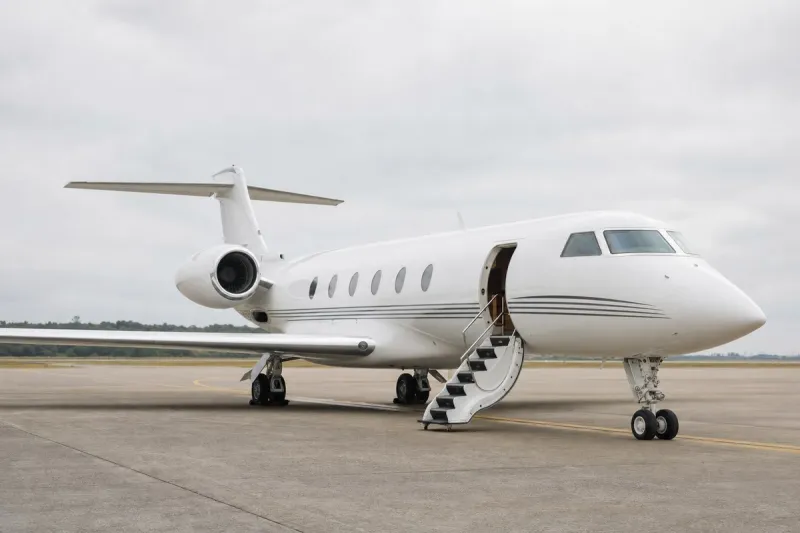
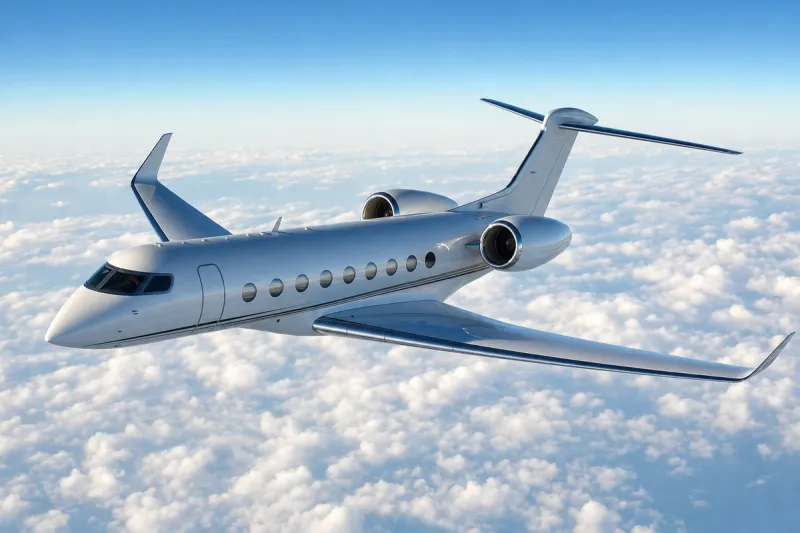
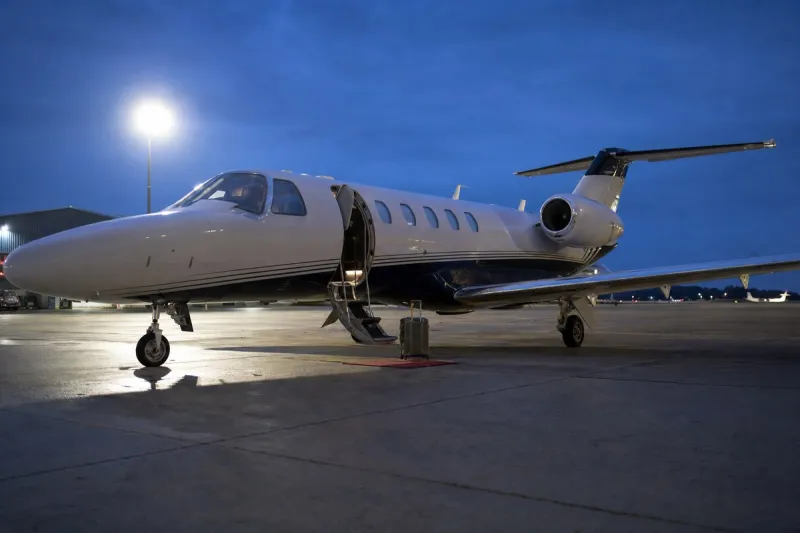
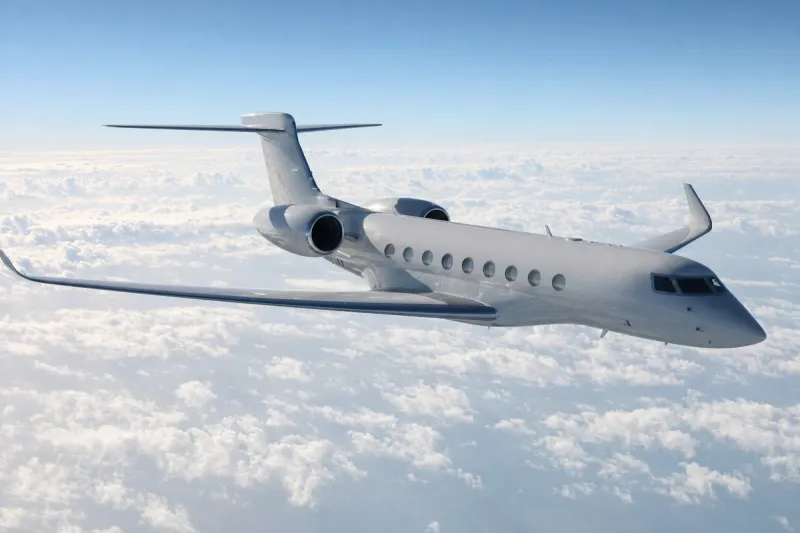
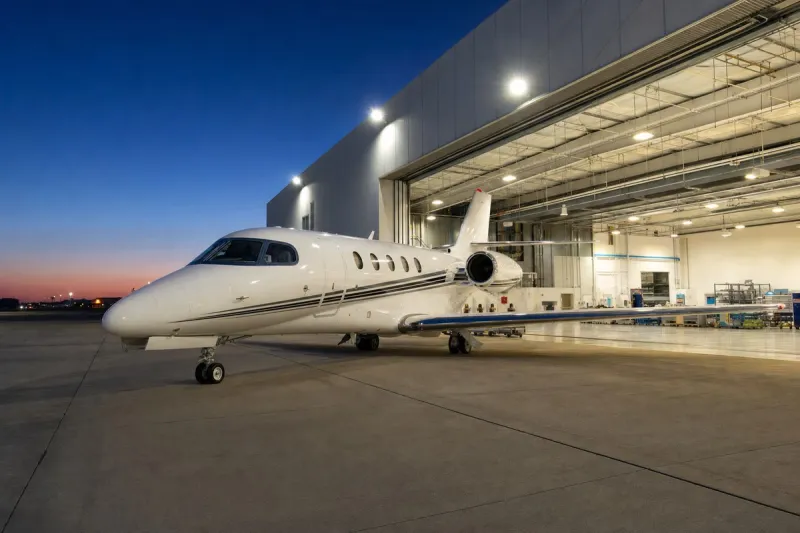
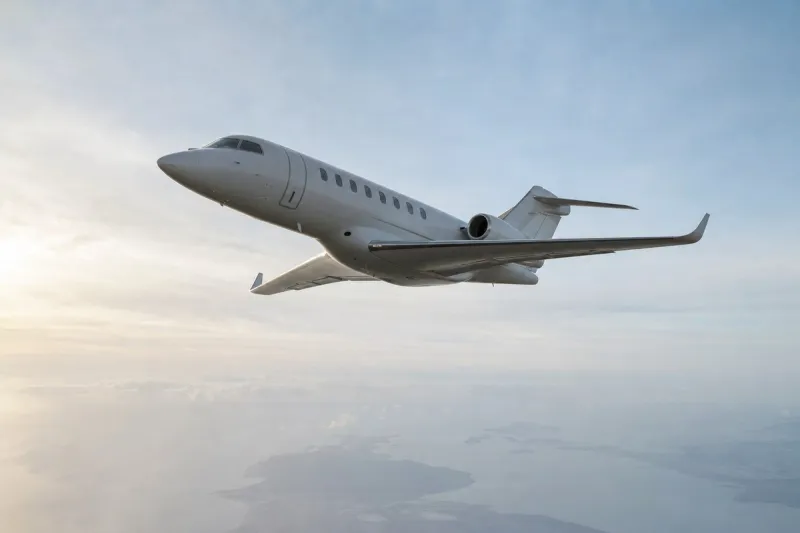
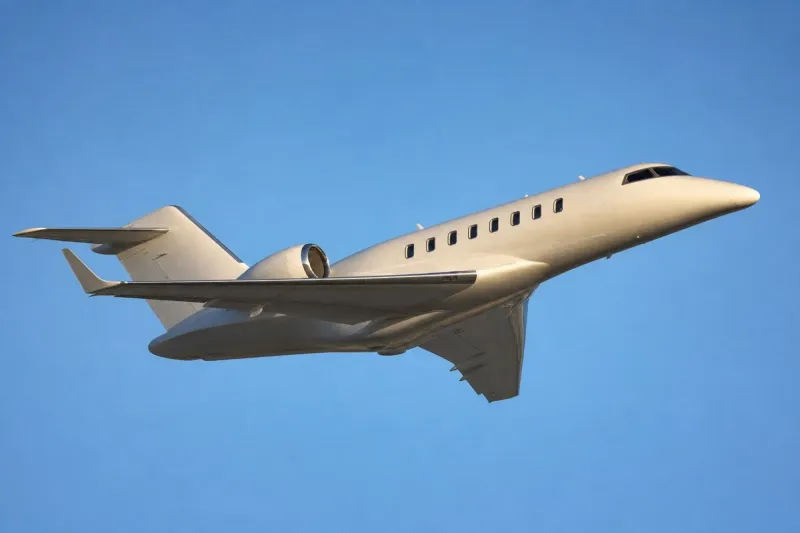
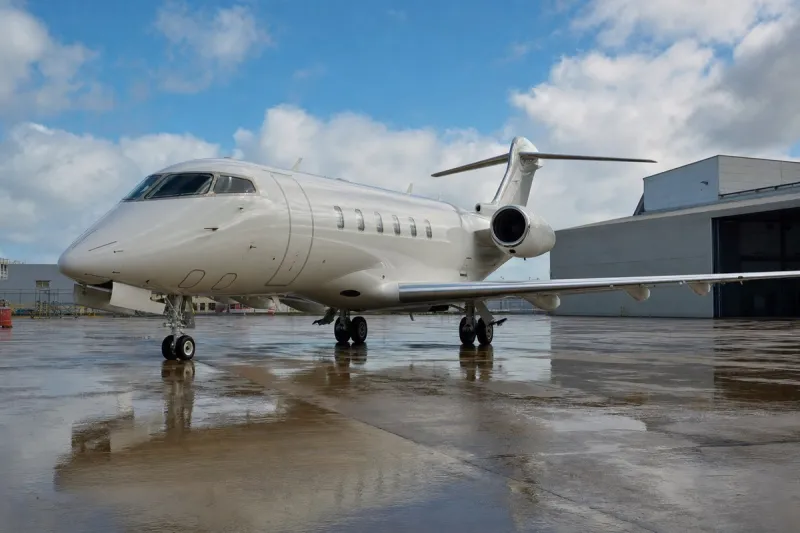
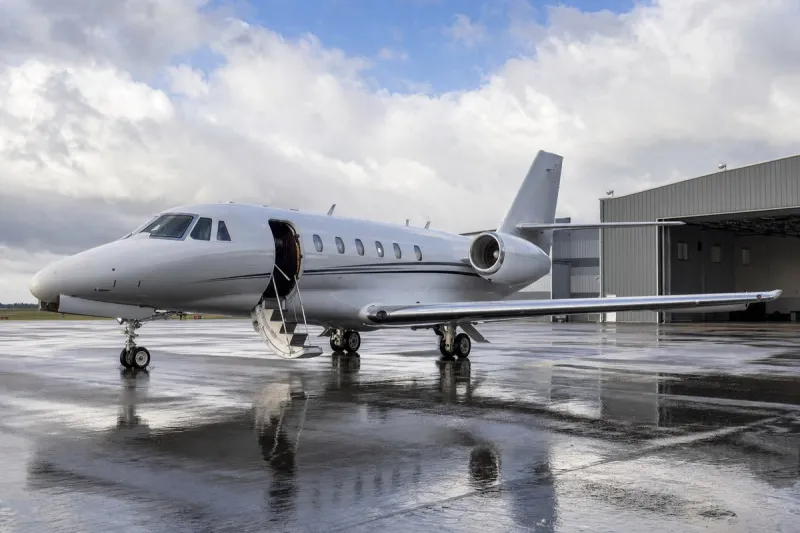
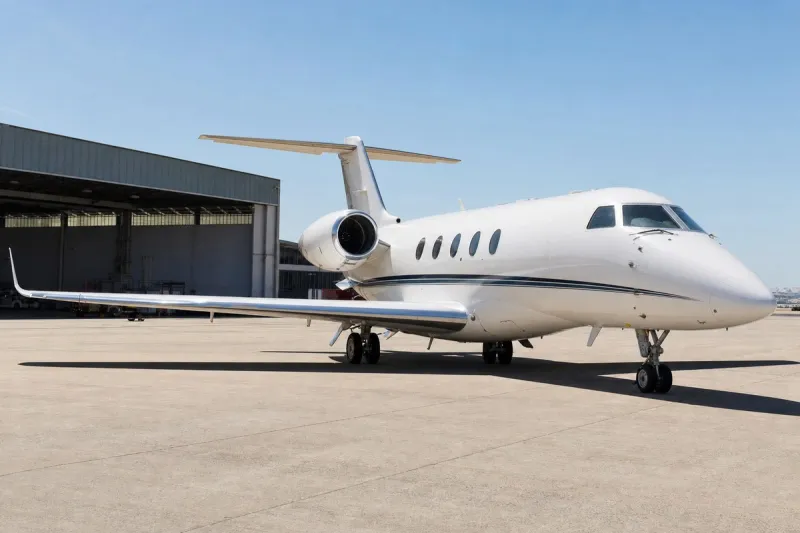
Specifications and live listing data as of September 29, 2026 place the Gulfstream G280 ahead of the Bombardier Challenger 300 and Challenger 350 on range and cabin volume, while the Challenger 350 turns over fastest on the used market and the Challenger 300 carries the lowest average asking price. The G280 cruises at 470 kts normal and 482 kts maximum; the Challenger 300 at 459 kts normal and 476 kts maximum; and the Challenger 350 at 450 kts normal and 470 kts maximum. On a 1,000 nm leg, the G280's 20-kt speed advantage over the 350 saves roughly six minutes.
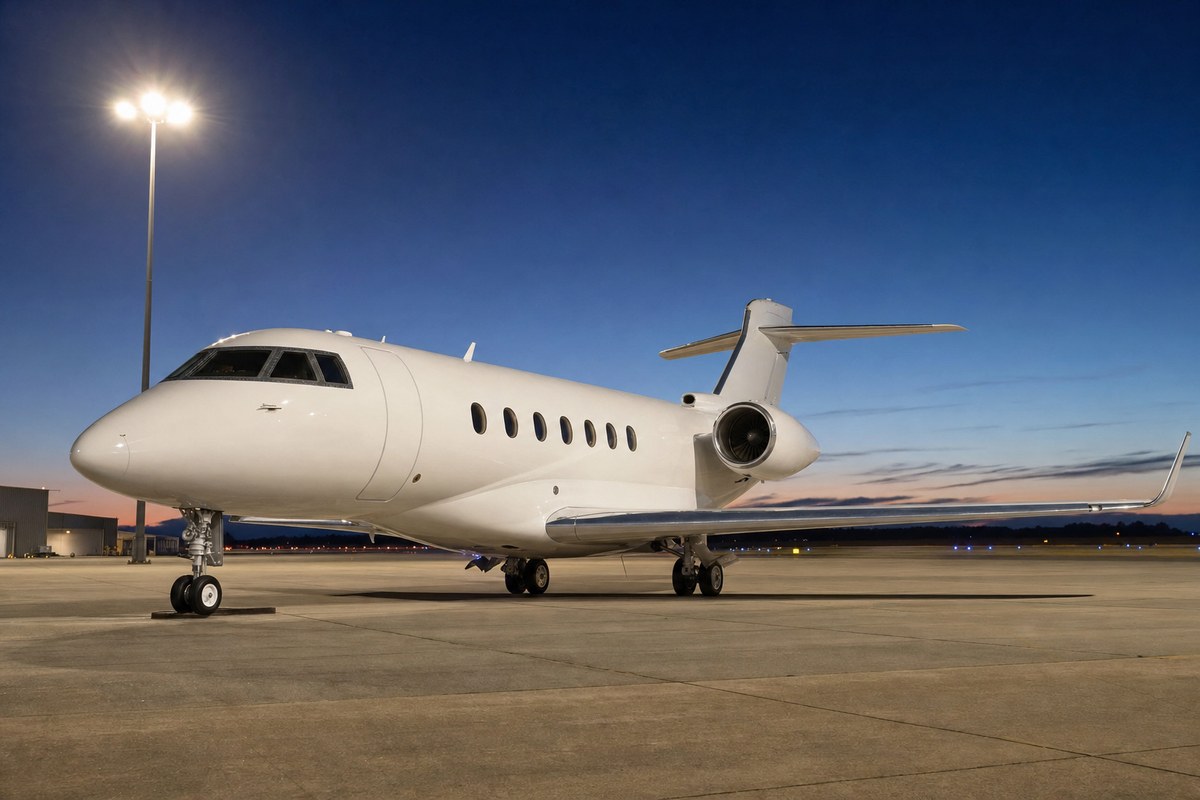
On range, the G280 offers 3,420 nm normal and 3,600 nm maximum, versus 3,200 nm normal and 3,400 nm maximum for the Challenger 350, and 3,065 nm normal and 3,340 nm maximum for the Challenger 300. The G280's normal range exceeds the 350's by 220 nm and the 300's by 355 nm. Hourly operating costs are nearly identical: $6,687 for the G280, $6,708 for the Challenger 350, and $6,727 for the Challenger 300, a $40 spread that totals $8,000 over 200 hours per year. All three use Honeywell engines — the HTF7250G on the G280, the HTF7350 on the 350, and the HTF7000 on the 300.
All three cabins share a 7'2" width and seat up to 10 passengers, though the Challenger 300 needs a lavatory conversion to reach 10 and is otherwise optimal at 8–9. The G280 cabin measures 25'10" long and 6'1" tall for 935 cubic feet, versus 860 cubic feet for both Challengers — the 350 at 25'2" long and 6'0" tall, the 300 at 6'1" tall — putting the G280 about 9 percent ahead in volume.
Ten Challenger 300s were listed (2005–2012 model years), averaging $11.2M across three published prices (range $10.0M–$12.75M), 177 days on market, and 5,586 hours total time. Six G280s were listed (2014–2016), averaging $16.3M on one published price, 190 days on market — the longest — and 3,274 hours total time, but drawing the most interest at 49 inquiries across six listings (8 per listing). Three Challenger 350s were listed (2017–2020), averaging $18.5M on one published price, 111 days on market — the fastest — and 2,308 hours total time, with 27 inquiries (9 per listing) versus 29 inquiries on the ten Challenger 300 listings (3 per listing). Transaction volume over the past 12 months was 23 for the Challenger 300, 21 for the Challenger 350, and 20 for the G280; over the past six months, 16, 11, and 9 respectively.
The G280 descends from the IAI Galaxy, first flown in 1997 with a wider fuselage and the Astra SPX wing; Gulfstream acquired Galaxy Aerospace in 2001, renaming the Galaxy the G200 and the Astra SPX the G100. The airframe was redesigned with a new wing, Honeywell HTF7250G engines and a new cabin before certification as the G280 in 2012. The Challenger 300 entered service in 2004 and the Challenger 350 in 2014. Gulfstream unveiled the G300 as the G280's successor in September 2025, with deliveries projected to begin in 2027; it is rated at 3,600 nm at Mach 0.80 with a 45,000-foot maximum cruise altitude and seating for up to 10. Bombardier's Challenger 3500, which entered service in September 2022 retaining the 350's engines, avionics and performance, was priced at $26.7 million at entry into service.
Industry impact & what to watch
The $40-per-hour spread across all three types shows that in the super-midsize class, operating cost has stopped being a differentiator; buyers instead weigh range margin, cabin volume and how quickly an aircraft can be resold. A 220-to-355 nm range gap can decide whether a transatlantic routing needs a fuel stop, which is a scheduling and mission-planning variable that outweighs a few dollars an hour in hull economics.
The listing data illustrates how liquidity and desirability can diverge in a used-jet market: the G280 sat longest at 190 days yet drew the most inquiries per listing, while the Challenger 350 moved fastest despite carrying the highest average asking price among the three. That combination suggests scarcity of published pricing and low listing counts — six G280s, three Challenger 350s — are shaping days-on-market figures as much as underlying demand.
Analysts note the G280 fleet is entering a replacement window as Gulfstream's G300 approaches deliveries beginning in 2027, which could add used G280 supply to the market ahead of that date. Whether that pressures G280 asking prices, or whether the Challenger 3500's $26.7 million entry price reshapes where Bombardier's own two models sit against the G280, will depend on how transaction volumes — currently 20 to 23 over the trailing 12 months across the three types — move as the G300 nears service entry.