Rising Fuel Costs May Force Texas-Based Thrust Flight to Raise Flight Training Tuition
Why It MattersBecause fuel is such a large share of direct flight costs, flight schools have limited ability to absorb price swings without passing them on through tuition for future students.
What happened
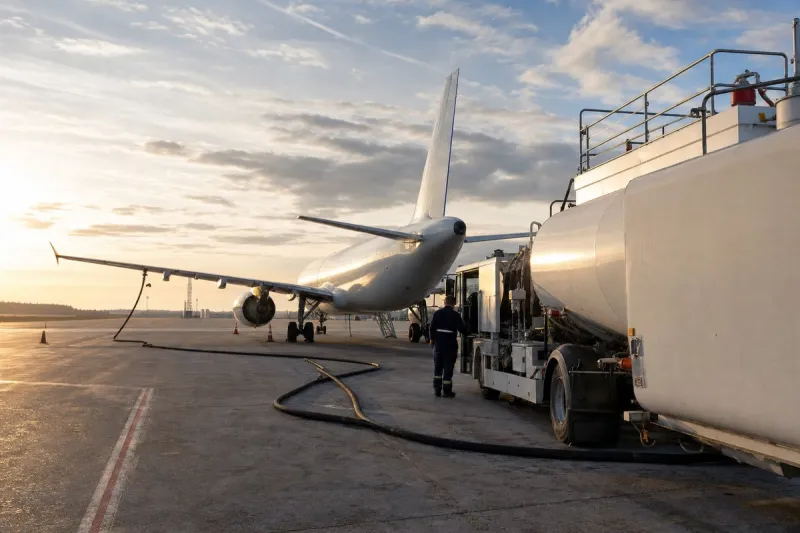
Texas-based Thrust Flight, which offers flight training courses at Falcon Field in Mesa, Arizona, says rising fuel prices could force it to raise tuition. CEO Patrick Arnzen said fuel makes up approximately 30% of the direct cost of a flight, calling it "a big number" that makes "operating a business like mine incredibly difficult."

Arnzen said current students pay a fixed rate, but if fuel costs do not come down, he will need to raise tuition for students enrolling next year. He said he plans to evaluate pricing at the end of the year.
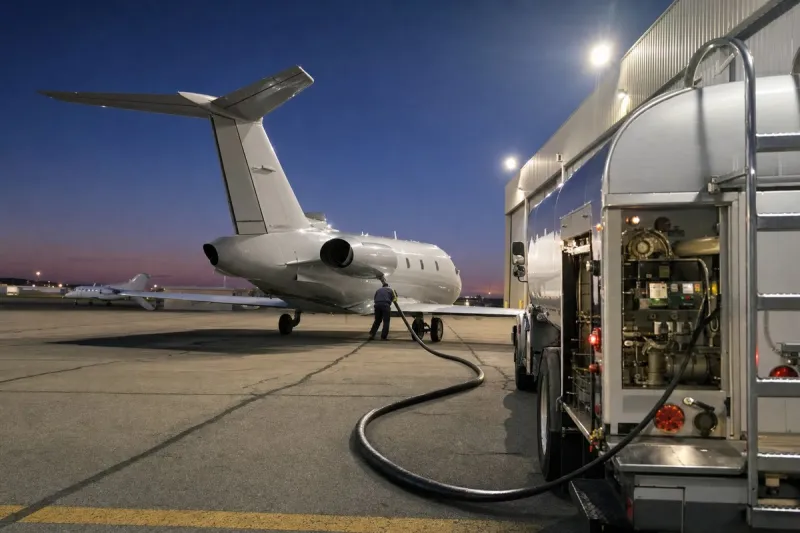
Flight schools like Thrust Flight use both aviation gasoline (avgas) and jet fuel. Data from the International Air Transport Association (IATA) show jet fuel prices have more than doubled over the past year; IATA does not track avgas prices. Avgas — typically 100LL (low-lead) — is a high-octane gasoline used in piston-powered aircraft, while jet fuel such as Jet A is kerosene-based.
Industry impact & what to watch
Flight training sits close to the fuel line in a way many other aviation businesses do not: with fuel near a third of the direct cost per flight, a school's margins move almost in lockstep with fuel markets rather than being cushioned by other revenue. That leaves operators like Thrust Flight with few levers besides raising tuition or absorbing the cost themselves.
Because jet fuel and avgas track differently — IATA data show jet fuel more than doubling over the past year while avgas prices are not tracked at all — schools running mixed piston and turbine fleets face uneven cost pressure across their own course offerings, complicating how any tuition adjustment gets calculated.
Arnzen's plan to review pricing at the end of the year sets the next checkpoint: whether fuel prices ease before then will determine if new-student tuition actually rises, while current students remain locked into their fixed rate regardless of what happens next.