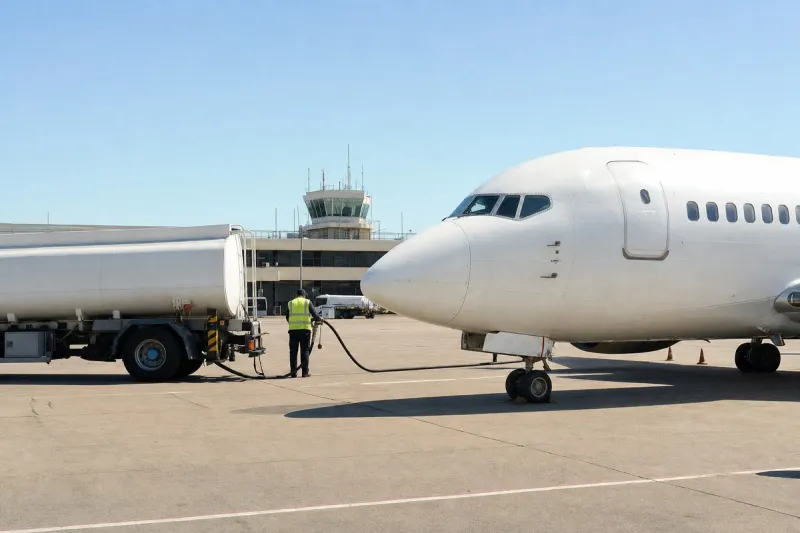
Jet OUT and Jettly Represent Two Distinct Private Aviation Models, from Regional Co-Ownership to Global Digital Charter
Why It MattersThe split between regional fractional co-ownership and global on-demand charter marketplaces shows private aviation increasingly segmenting by how buyers weigh flight volume against upfront capital commitment.
What happened
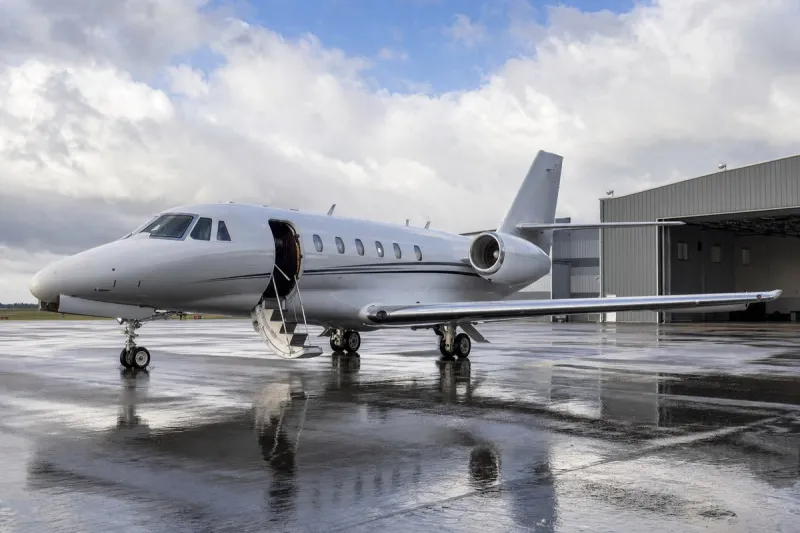
Jet OUT, a Milwaukee, Wisconsin-based private aviation company, operates an all-Cessna Citation CJ4 Gen2 fleet and offers co-ownership, co-lease, and on-demand charter services. Its co-ownership model lets clients purchase a fractional share of an aircraft tied to a set number of travel days per year rather than flight hours. A 1/16 share of a 2024 CJ4 Gen2 costs approximately $859,000, providing around 20 travel days annually, while 2026 models are priced closer to $931,000. Monthly indirect fees run approximately $6,385, with an hourly direct operating cost of around $1,790.
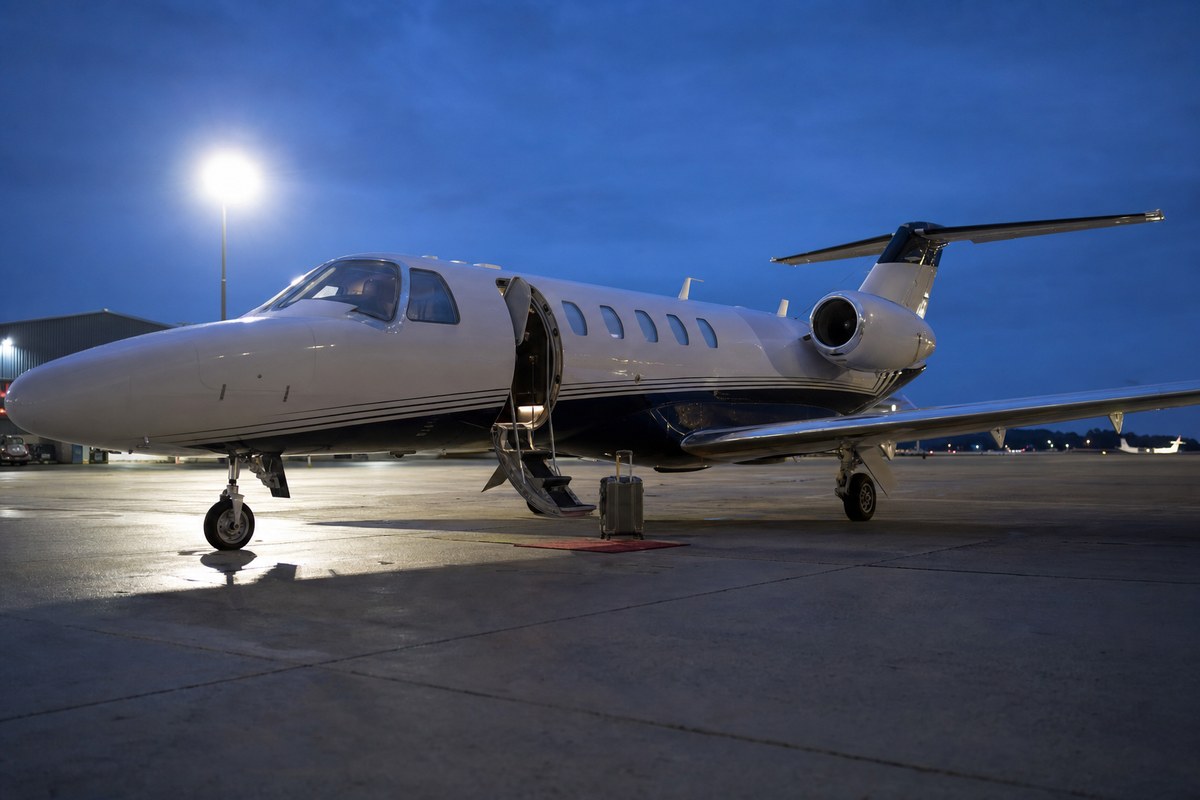
The CJ4 Gen2 has a range of over 2,300 nautical miles, a cruise speed of around 519 mph, and seats approximately eight passengers. Jet OUT's bases cover the Midwest, South Florida, Texas, and the Southwest. The company employs between 51 and 200 people, including pilots, dispatchers, maintenance coordinators, and customer experience staff. Joseph Crivello serves as CEO and holds pilot certification. Jet OUT also provides concierge services covering ground transport, catering, and pet travel in the cabin. When aircraft are sold at the end of the program, a portion of the initial investment may return to the owner after depreciation and refurbishment costs.
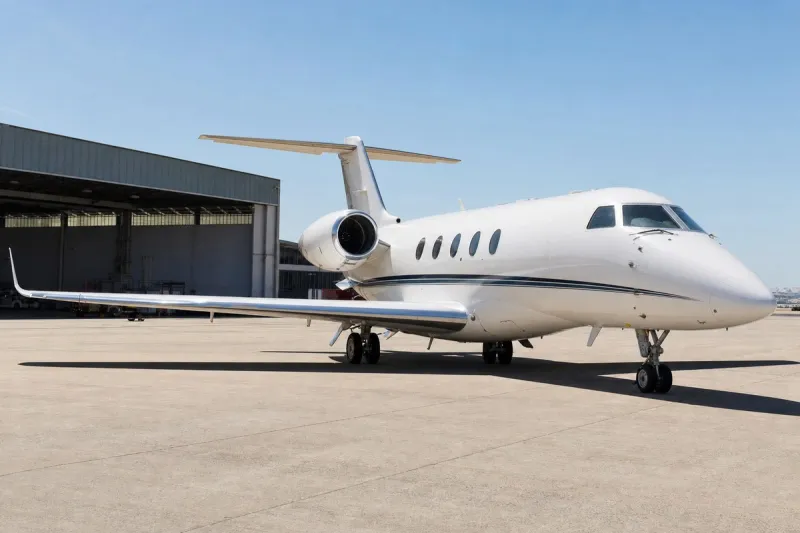
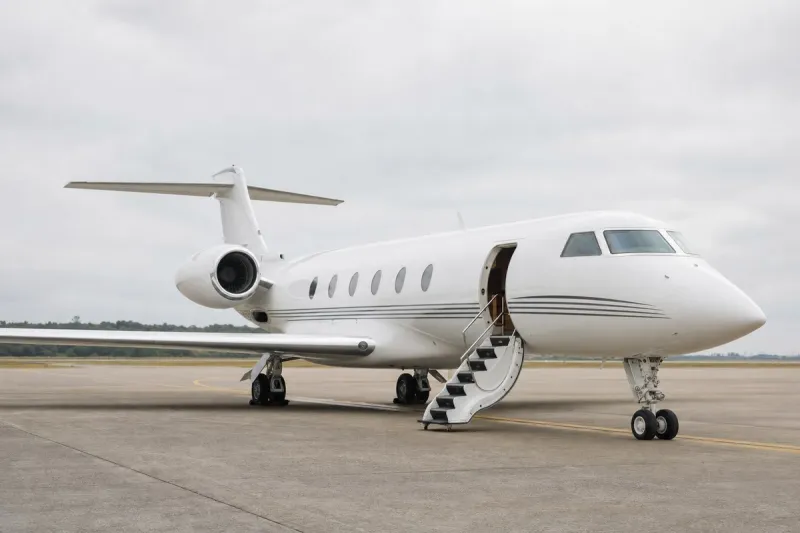
Jettly, by contrast, is a global digital private jet charter marketplace connecting travellers to licensed operators without owning aircraft directly. The platform offers access to over 20,000 aircraft across 186 countries, spanning turboprops, light jets, midsize and heavy jets, and helicopters, with instant pricing and per-trip payment requiring no ownership commitment or upfront capital.
Industry impact & what to watch
The contrast between Jet OUT and Jettly illustrates a broader split running through private aviation: regional operators building fixed-fleet ownership programs around predictable routes, versus digital marketplaces aggregating third-party capacity on demand across global geography. Co-ownership structures like Jet OUT's ask a buyer to commit capital upfront in exchange for guaranteed access to a specific airframe type and a defined number of travel days, with depreciation and refurbishment costs settled only when the aircraft is eventually sold. Marketplace models like Jettly's remove that capital commitment entirely, charging per trip and relying on scale across operators to match aircraft type and location to a traveller's request.
Which model suits a given flyer depends on how often they fly, how fixed their routes are, and how much upfront investment they are prepared to carry — a corporate executive with a stable regional pattern faces a different calculation than a leisure traveller seeking one-off access to a wide range of aircraft types worldwide. Both models compete for the same broader shift away from full aircraft ownership, but they answer to different flight-volume profiles, and neither publicly discloses figures that would let the two be compared on cost per flight hour directly.