Findlay Airport Seeks $220,000 Emergency Appropriation as Aviation Fuel Prices Surge
Why It MattersMunicipal airports operating on fixed annual fuel budgets remain exposed to global price swings, forcing emergency funding actions when wholesale costs move well outside historical trading ranges.
What happened
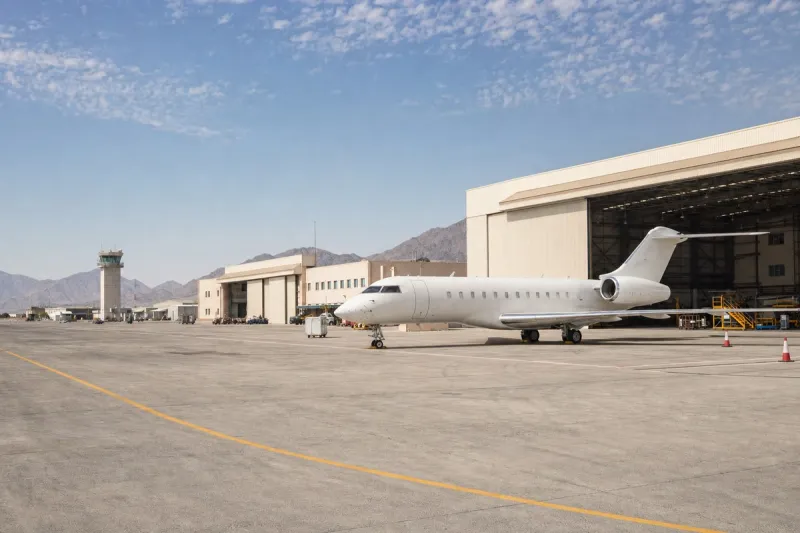
Findlay City Council voted 10-0 on September 15 to approve a $220,000 emergency transfer within the airport fund, allowing Findlay Airport at 1516 Gray St. to continue purchasing jet fuel through the end of the year. The airport's original annual budget for jet fuel purchases had been set at $327,292.
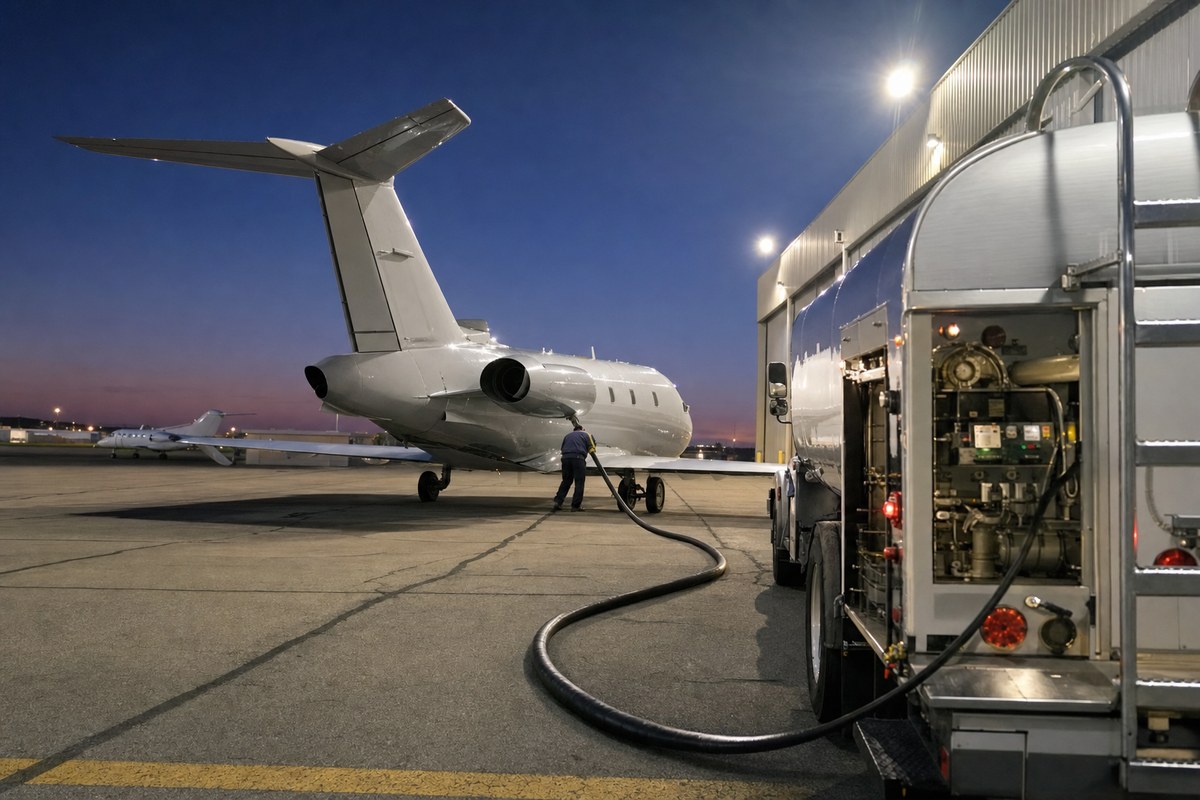
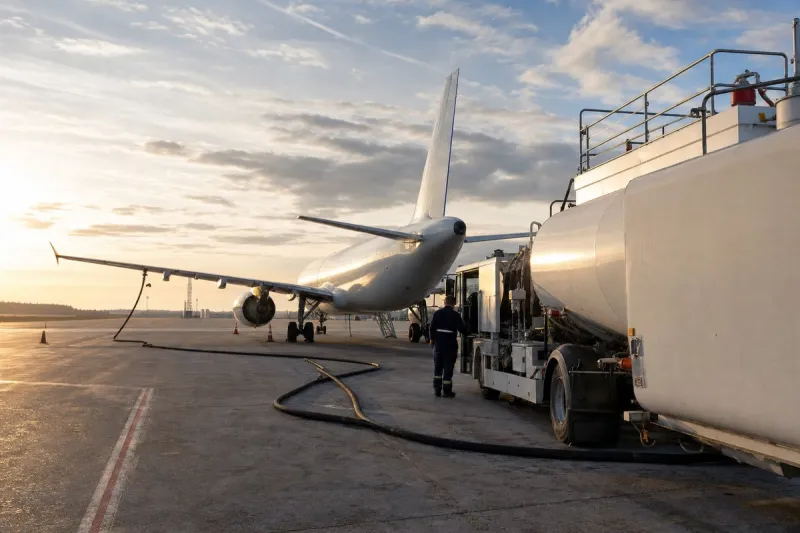
Findlay Service-Safety Director Rob Martin told council that sustained global turmoil has driven aviation fuel prices sharply higher, with the national average for Jet-A reaching $7.78 per gallon and 100LL at $7.51 per gallon. September marked the fifth consecutive month that retail aviation fuel prices stayed above $7 per gallon, and prices rose 74 cents in just the past two weeks. Martin noted that Jet-A and 100LL typically trade between $3 and $5 per gallon.
The emergency request followed the city's release of new economic impact data on the airport days earlier. A statewide study by the Ohio Department of Transportation's Office of Aviation found that Findlay Airport now generates $29.1 million in annual economic impact, a 47% increase since 2013, and drives approximately $2.9 million in visitor spending each year. Mayor Christina Muryn said the study reinforces the important role the airport, designated FDY, plays in the community, supporting local businesses and contributing to the region's economic vitality.
Industry impact & what to watch
This case illustrates a structural exposure common to municipally funded general aviation airports: fuel purchases are budgeted annually at historical price levels, but the underlying commodity trades on global markets subject to sudden swings well outside that range. When wholesale costs move from the customary $3-to-$5 band to levels above $7 for months running, a fixed appropriation set months earlier simply runs out before the fiscal year ends.
Because airport fuel sales often function as a pass-through service supporting broader operations rather than a profit center, city councils are left absorbing the gap through emergency transfers rather than passing the full increase to pilots and operators immediately. The economic impact figures released alongside this request — $29.1 million in annual activity and $2.9 million in visitor spending — give council a rationale for treating fuel continuity as a priority worth an emergency appropriation rather than a service to curtail.
What remains to be seen is whether aviation fuel prices retreat toward historical norms before the next annual budget cycle, or whether Findlay and similar municipal airports need to build higher baseline fuel budgets going forward. The fifth consecutive month above $7 per gallon, cited by Martin, is the figure council will likely track most closely in deciding how to set next year's appropriation.