FlyEpic Launches Fractional Ownership and Flight-Card Service for Private Aviation in the Western US, with Bend as a Key Hub
Why It MattersShared ownership between an aircraft manufacturer and its fractional operator illustrates how closed-fleet programs can tie pilot retention, maintenance access and factory support directly to growth capacity.
What happened
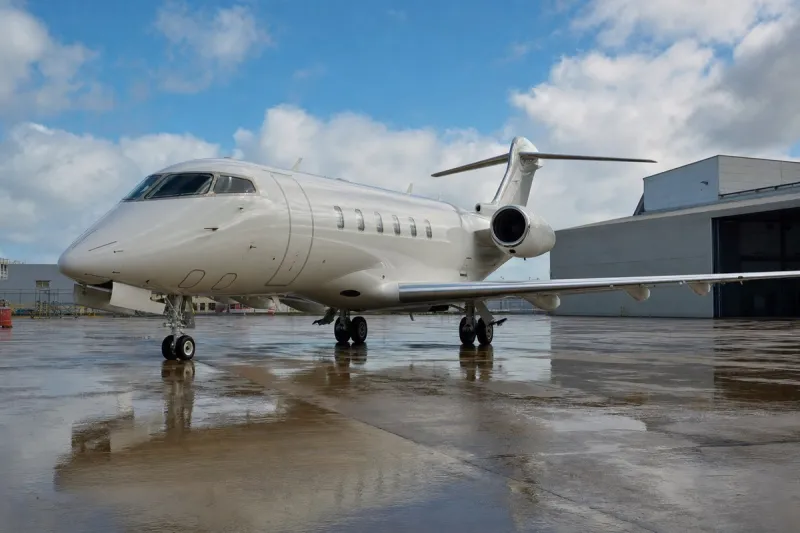
FlyEpic, a private aviation company headquartered in San Carlos, California, is expanding a fractional ownership and flight-card business built around single-engine turboprop aircraft manufactured by Epic Aircraft in Bend, Oregon, where Epic has been building planes since 2004. The company began flying customers earlier this year, selling its first flight card in February, and has since signed up its first couple dozen customers, with sales increasing every month.
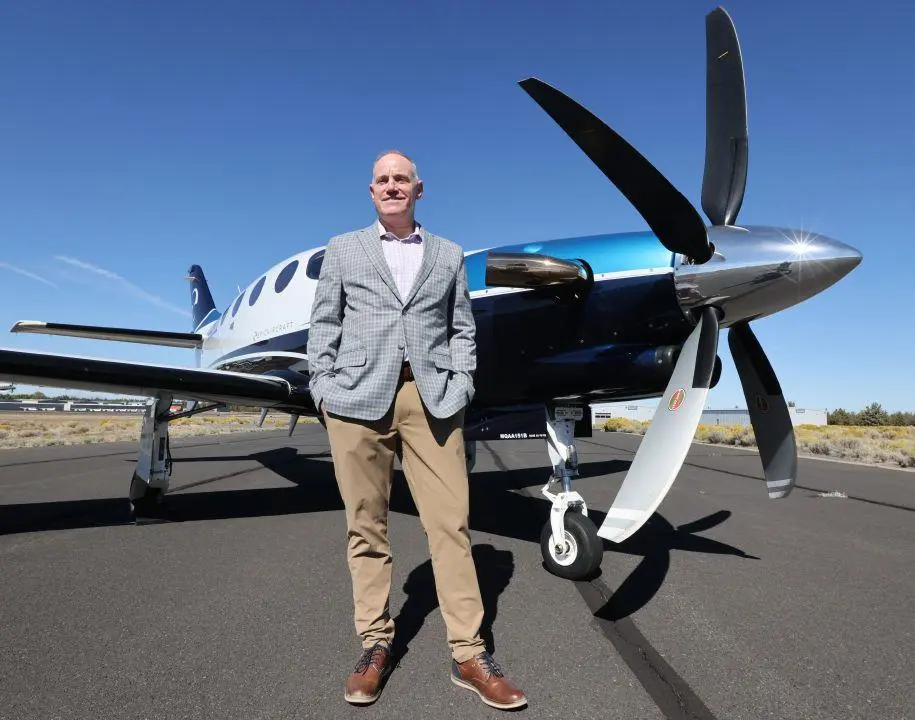
Customers can fly to and from Bend Airport, as well as destinations including Hailey, Idaho; Reno and Henderson, Nevada; Salt Lake City, Utah; Jackson, Wyoming; and Kalispell, Montana. Roughly half of FlyEpic's current customers are based in the San Francisco Bay Area. The company targets tech entrepreneurs, business travelers, and owners of multiple homes seeking convenient regional travel without large commercial airports.
First-time customers may purchase a 25-hour Epic Intro flight card. Fractional shares are also available: a 1/16 share is priced at $285,400 under a 60-month agreement, with a monthly fee of $10,000 covering pilots, insurance, maintenance, and hangar costs, plus an operating cost of $1,500 per flight hour for fuel and other expenses. Shares at 1/8 and 1/4 are available at a discount.
FlyEpic operates a closed fleet, meaning customers fly exclusively on FlyEpic aircraft with FlyEpic pilots. The planes are equipped with Starlink internet service, standardized snacks and beverages, and other amenities.
FlyEpic and Epic Aircraft share the same ownership group, giving FlyEpic access to Epic's Bend factory for maintenance and technical support, as well as hangar space there. The company retained all nine pilots it initially hired in January and is now adding six more. Chief Executive Officer Scott Shatzer noted that three additional pilots recently visited Bend and completed simulator evaluations at the Epic facility. Shatzer cited competitive pilot salaries as essential to retention in a market where experienced pilots are in short supply.
Fleet, routes and pricing structure
The route map centers on secondary regional airports rather than major hubs, connecting Bend to destinations such as Hailey, Reno, Henderson, Salt Lake City, Jackson, and Kalispell. That pattern aligns with the company's stated customer base, with roughly half its current customers based in the San Francisco Bay Area and a target audience of tech entrepreneurs, business travelers, and multi-home owners.
The fractional pricing tiers are structured around a 1/16 share at $285,400 over a 60-month term, with a $10,000 monthly fee covering pilots, insurance, maintenance, and hangar space, and a per-flight-hour charge of $1,500 for fuel and other operating costs. Larger 1/8 and 1/4 shares carry discounted pricing, while first-time customers can enter through a 25-hour Epic Intro flight card rather than committing to a fractional share directly.
Industry impact & what to watch
FlyEpic's structure illustrates a growth model in which the aircraft manufacturer and the fractional operator sit under the same ownership group, giving the flight program direct access to the factory's maintenance line, technical support, and hangar space rather than relying on third-party MRO arrangements. That kind of vertical linkage can shorten turnaround for scheduled maintenance and give the operator more certainty over parts and technical support as its fleet and customer count grow.
A closed-fleet fractional program also ties customer experience and cost predictability to pilot retention: FlyEpic has kept all nine of its original pilots and is adding six more, with its chief executive pointing to competitive pay as the retention tool in a market short on experienced turboprop pilots. Pilot supply, not aircraft supply, is often the binding constraint on how fast a small fractional operator can add flying hours and new customers.
What comes into view next is whether the pace of new pilot hiring and simulator qualification keeps up with the stated monthly growth in flight-card and fractional sales, since a program built on regional point-to-point routes and dedicated pilots has less flexibility to absorb demand spikes than a larger, open-fleet charter network.