Private Jet Pilots in the US Earn Average $130,916 in 2026, Far Below Commercial Airline Peers
Why It MattersThe wide pay gap by aircraft type shows business aviation compensation tracks operational complexity and clientele, with lifestyle factors offsetting lower base pay against commercial carriers.
What happened
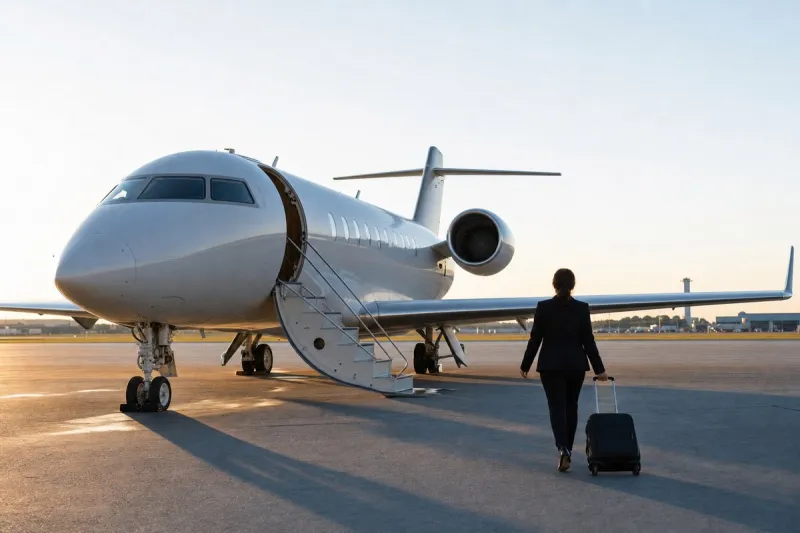
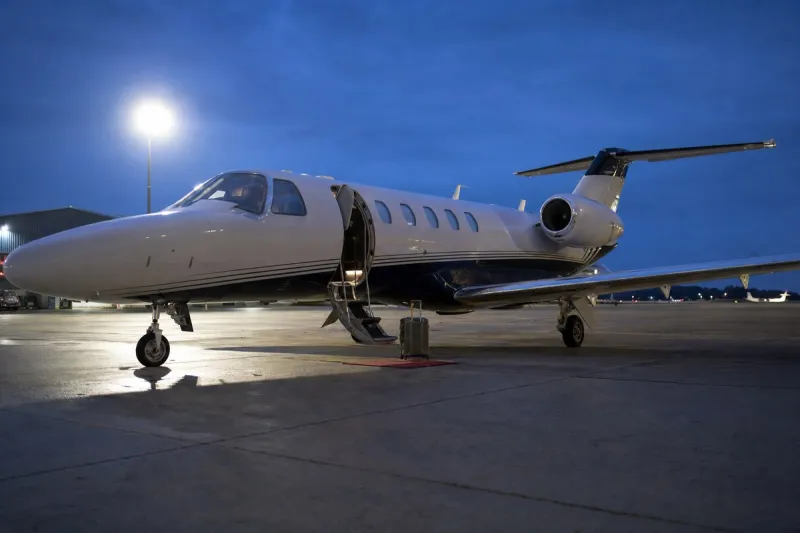
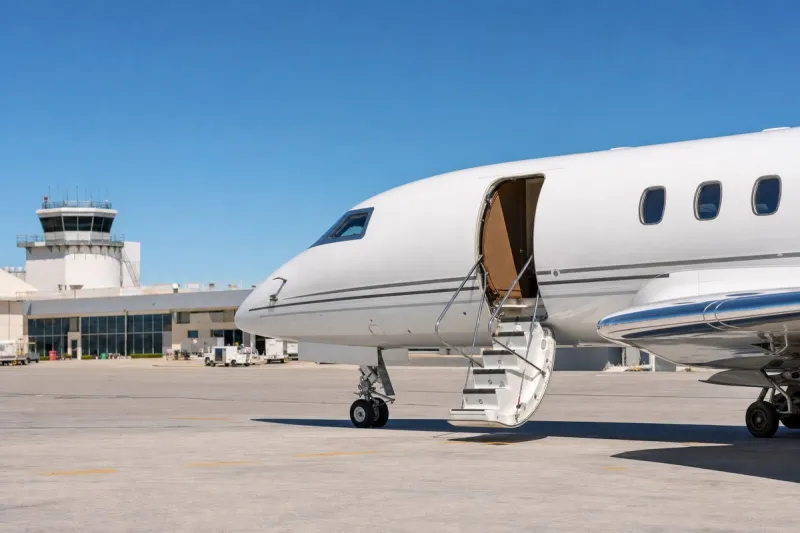
Private jet pilots in the United States earn an average of $130,916 per year as of January 2026, according to ZipRecruiter, significantly less than their commercial airline counterparts. The Bureau of Labor Statistics reported that the median annual wage for airline pilots, copilots, and flight engineers was $226,600 in May 2024, while the median for commercial pilots overall was $122,670. The BLS also recorded approximately 155,400 airline and commercial pilot jobs across the US, with a sector growth rate of around 4%.
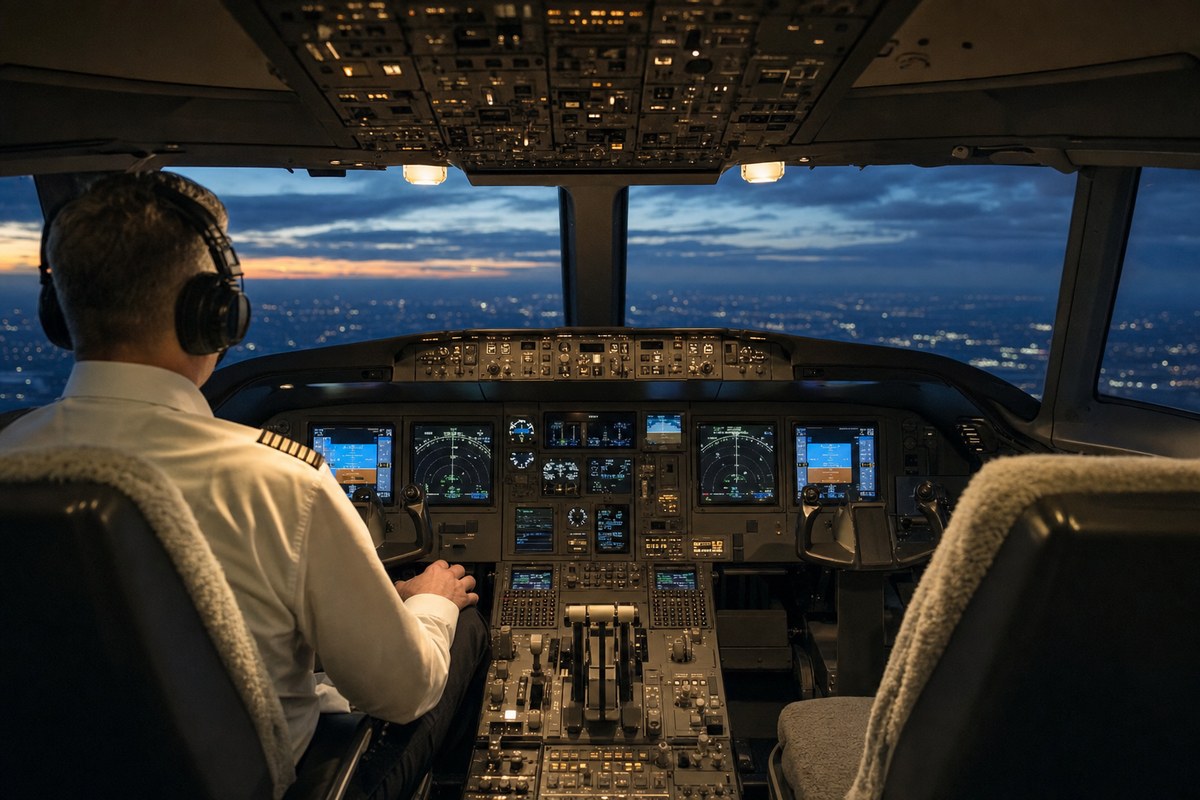
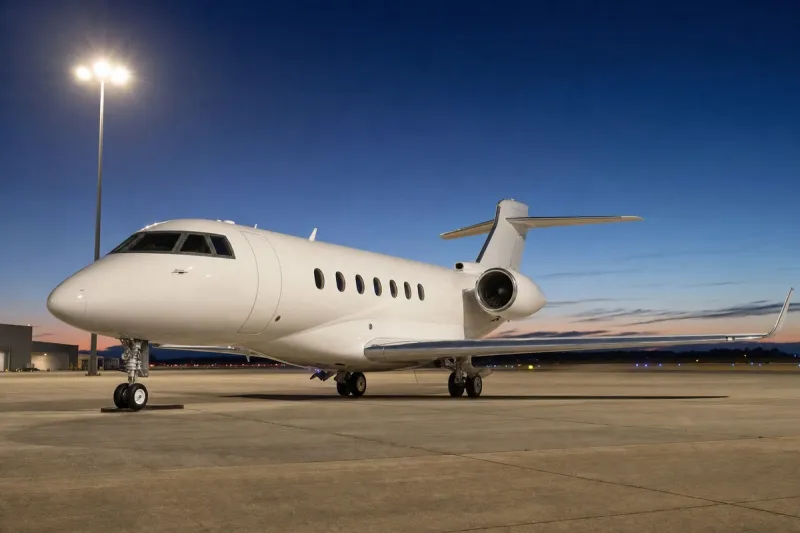
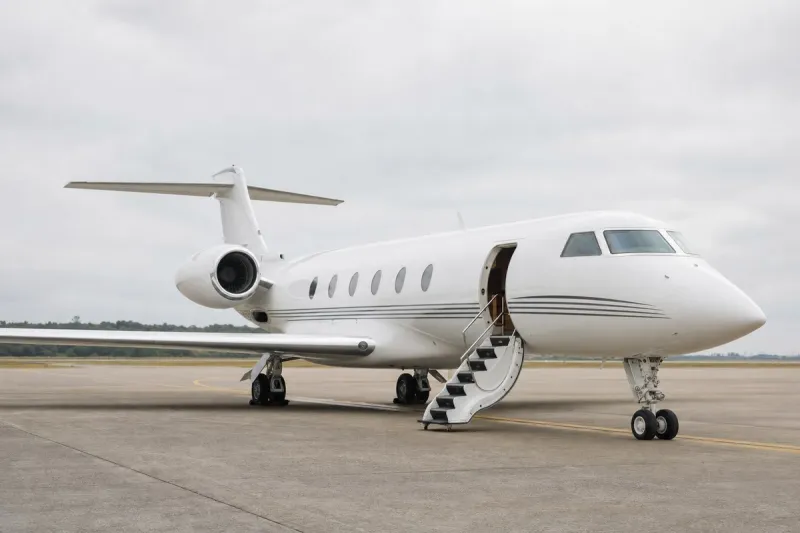
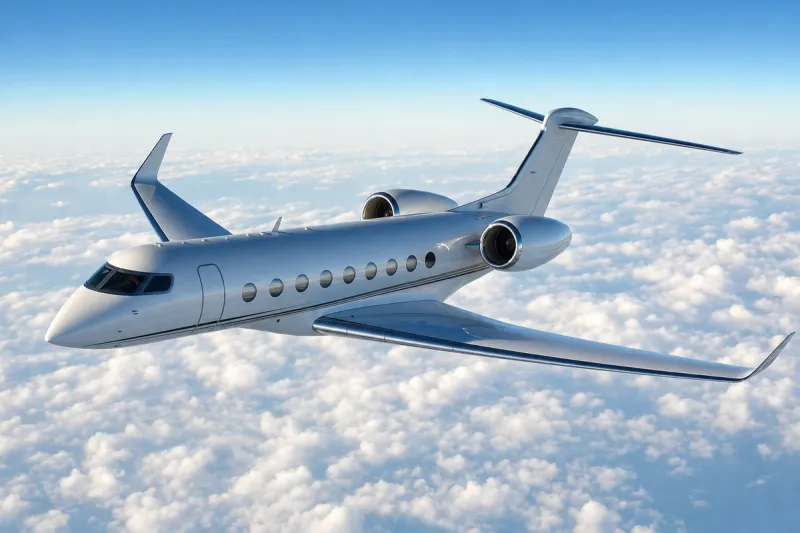
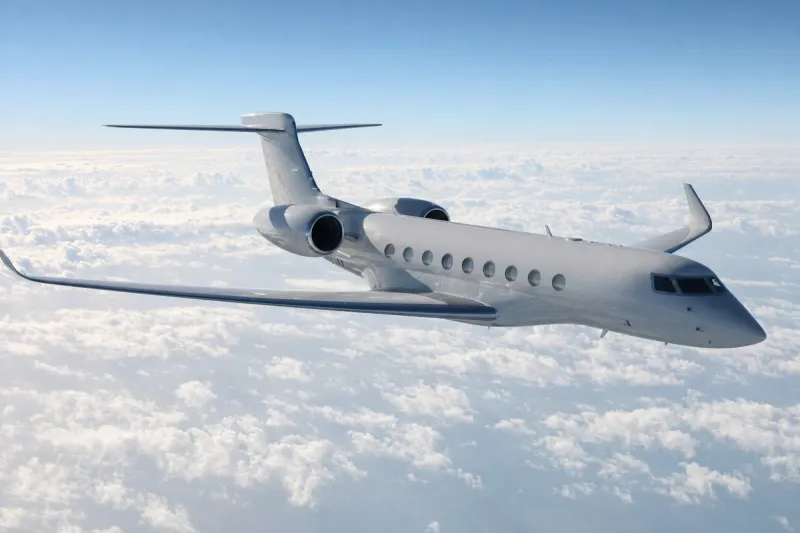
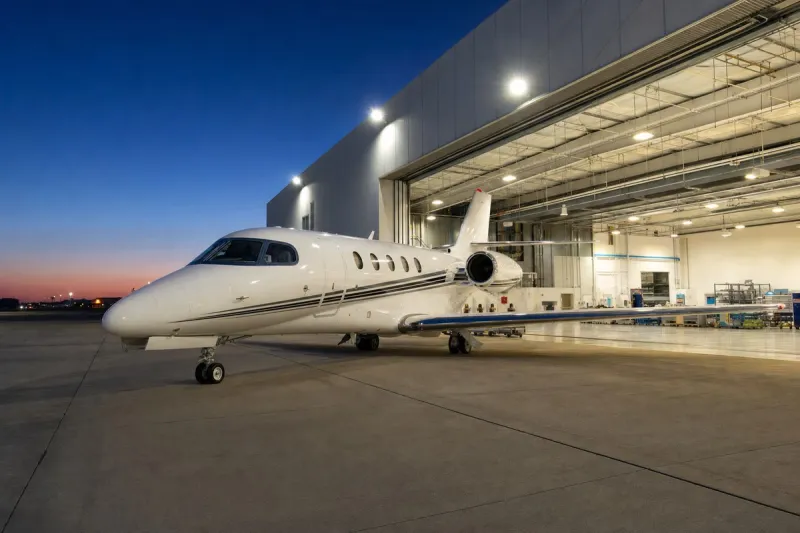
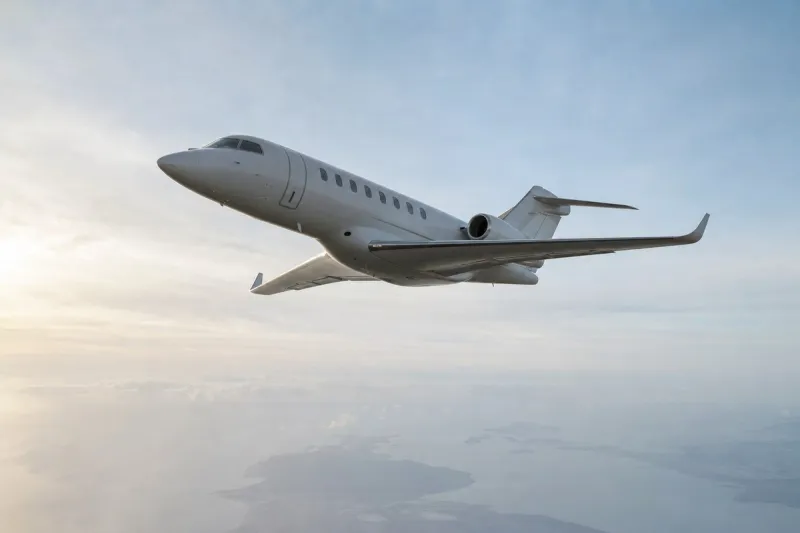
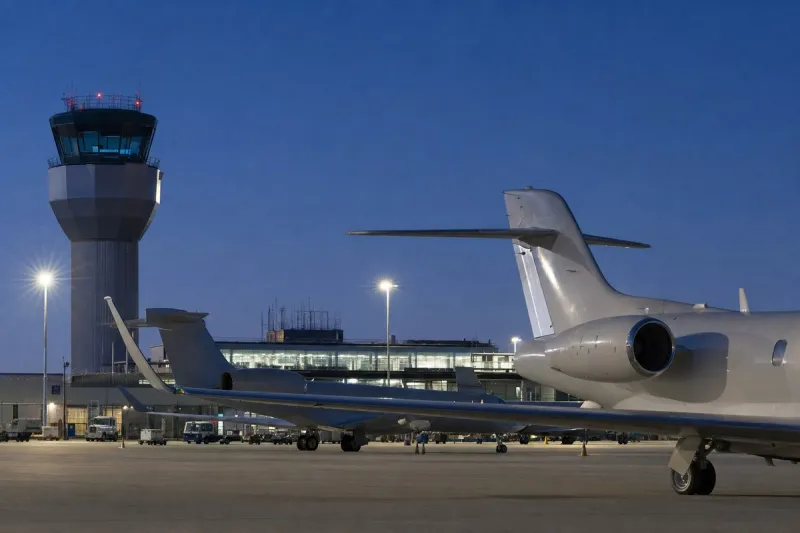
ZipRecruiter data shows private jet pilot salaries ranging from $49,500 to $201,500, with the majority earning between $100,000 (25th percentile) and $155,000 (75th percentile), and top earners at the 90th percentile making approximately $175,000 annually. Pay varies significantly by aircraft type: according to BizJetJobs, pilots flying the Gulfstream 700/800 command the highest compensation, with first-year pilots earning $187,700 to $241,100, captains earning $330,400 to $420,400, and senior captains earning $345,400 to $434,500. The Boeing 737BBJ is comparable for large business jets, with captains earning $237,700 to $365,000 and chief pilots earning $250,200 to $371,600. The Falcon 900 and aircraft such as the Global 5000 and Global Express pay similarly to the 737BBJ.
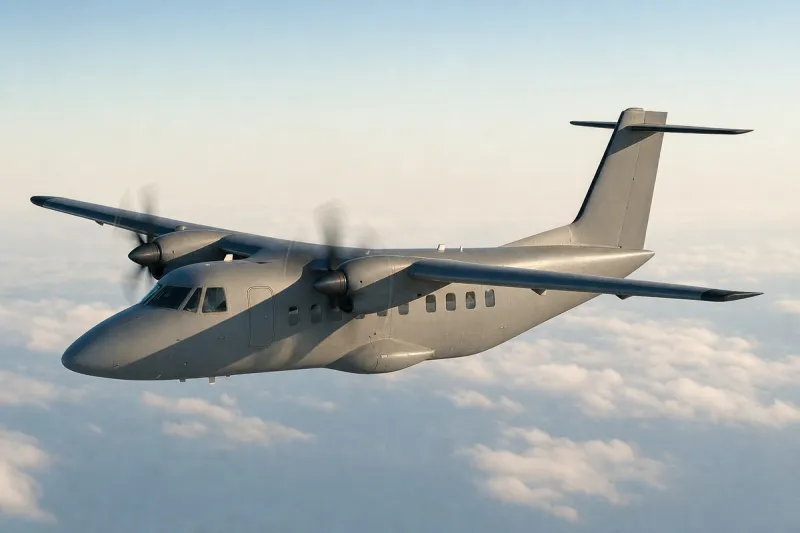
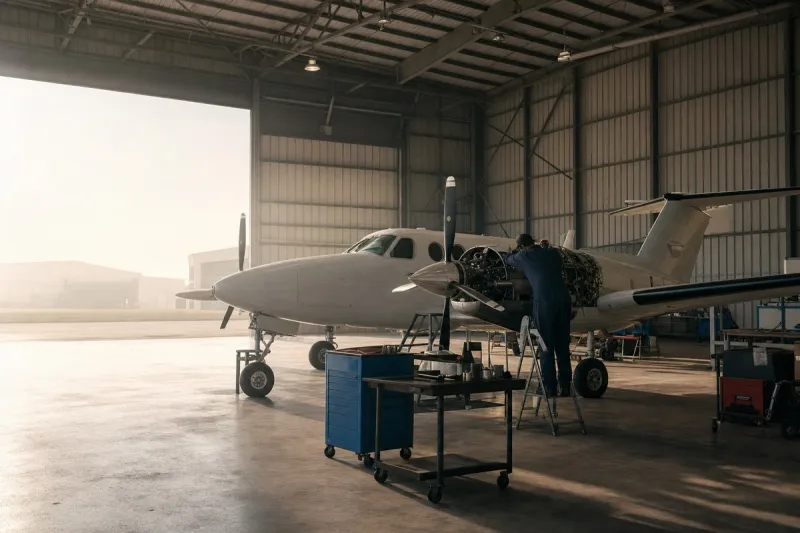
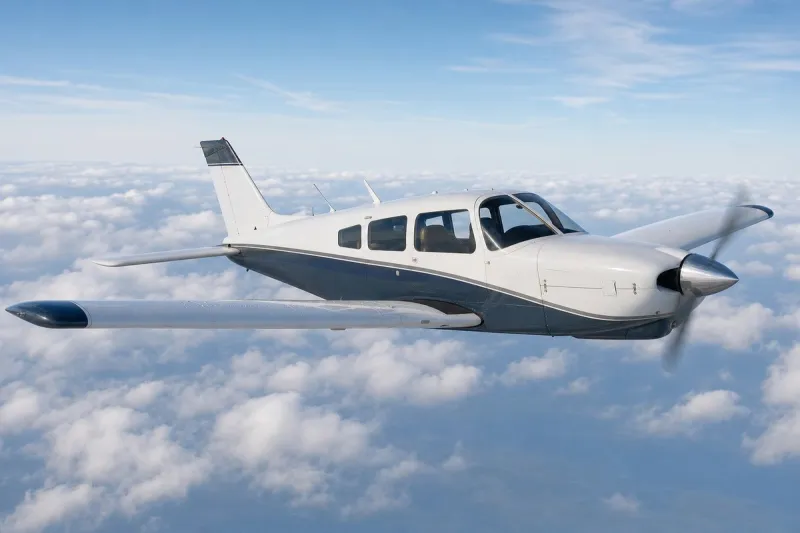
At the lower end of the pay scale, pilots flying the King Air 90/100 turboprop earn $65,800 to $98,800 as first officers and $73,400 to $110,000 as senior captains. The Pilatus PC-12 is the highest-paying turboprop, with first officer pay of $131,500 to $169,000 and senior captain pay of $146,500 to $188,300. Commercial airline captains at major carriers may have a base salary of around $350,000 that rises to approximately $448,000 when retirement contributions (typically 15-18% of gross pay), profit-sharing (5-15% of income at carriers such as Delta and Southwest), sign-on bonuses of $20,000 to $100,000, and retention bonuses of around $50,000 every three to five years are included. A senior captain at Delta Air Lines can earn approximately $465,130 in total compensation, while private corporate captains with a base salary of $180,000 may reach $230,000.
Why the gap exists
The pay disparity between aircraft types reflects differences in operational complexity, route length, and clientele. The Gulfstream 700/800 sits at the top of the ultra-long-range heavy jet category, requiring advanced training and mission planning, and is frequently operated by ultra-premium corporate fleets or high-net-worth private owners willing to pay premium rates for experienced crews. Despite the overall pay gap, many pilots choose private aviation for quality-of-life reasons, including home-based schedules, predictable rotations, fewer nights away from family, and the opportunity to fly to diverse and less-traveled destinations.
Industry impact & what to watch
This data points to a broader pattern in aviation labor: compensation scales with aircraft complexity, mission type, and total-compensation structure rather than base pay alone, and that pattern cuts across both commercial and private segments. Commercial carriers build pay around union-negotiated scales with layered retirement contributions, profit-sharing, and bonuses that can push a senior captain's total compensation well above the stated base, while private aviation compensation is set more individually, tied closely to aircraft type and owner or operator budget.
In the business aviation segment specifically, the market functions as a tiered structure, with ultra-long-range heavy jets like the Gulfstream 700/800 and large-cabin aircraft like the Boeing 737BBJ commanding captain pay that rivals or exceeds commercial airline captain compensation, while turboprops such as the King Air 90/100 sit near the bottom of the pay scale even as the Pilatus PC-12 outperforms other turboprops.
What remains to be seen is whether the quality-of-life advantages cited for private aviation, such as home-based schedules and fewer nights away, continue to offset the base pay gap as commercial carriers expand profit-sharing and bonus structures, or whether operators of top-tier aircraft types will need to raise base compensation further to retain pilots qualified on high-complexity platforms.