JRBAF Purchases 136-Acre Sierra Nevada Property to Develop New Public Backcountry Airstrip
Why It MattersNonprofit-led land acquisitions show how backcountry flying access increasingly depends on community capital campaigns rather than government funding to create new public strips.
What happened
The Jim Richmond Backcountry Aviation Foundation (JRBAF) has purchased the Meadow View Peak property in the Sierra Nevada to develop a new public backcountry airstrip. The 136-acre site consists of mountain meadows and mature ponderosa pine groves surrounded by Plumas National Forest land, located approximately 15 miles west of the High Sierra Fly-In site at Dead Cow Lakebed, near Reno, Nevada.
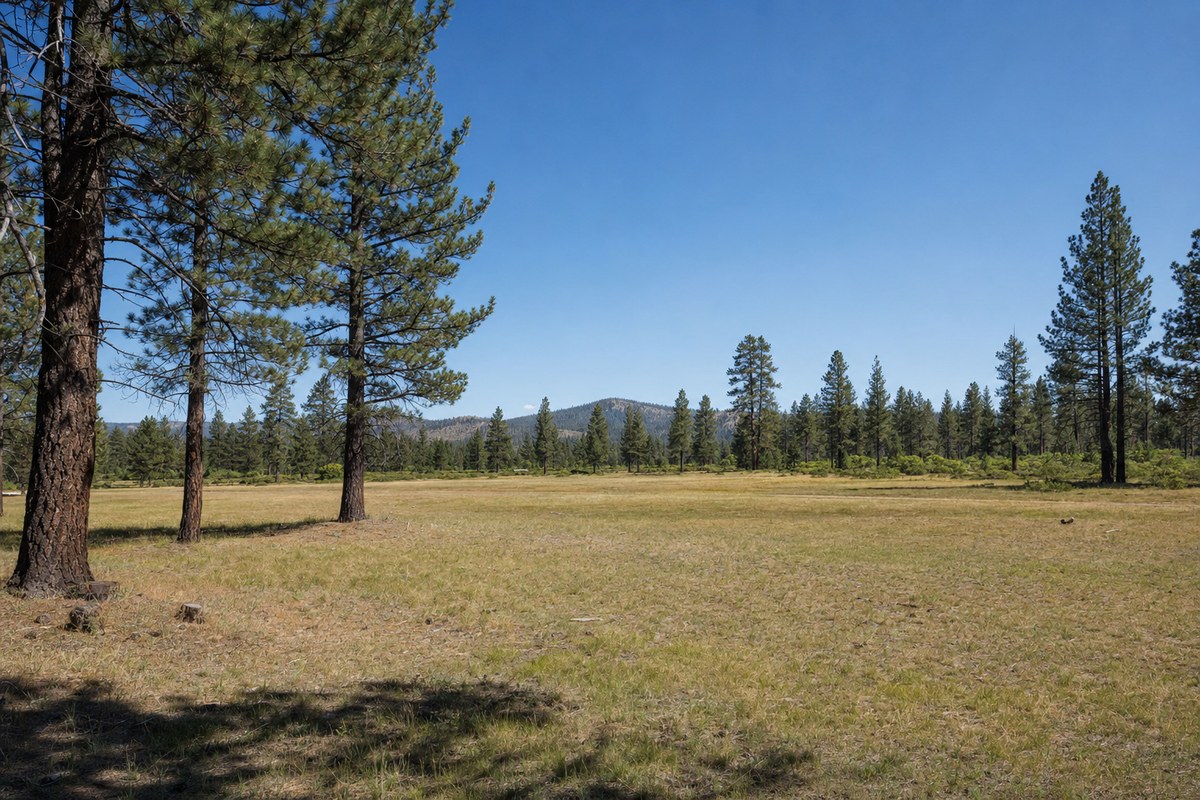
JRBAF plans to develop the property as a public backcountry airstrip with day-use facilities, camping, and other amenities, targeting an opening in summer 2027. The foundation has already held preliminary discussions with Plumas County, and planning and approval work is set to begin. To fund the project, JRBAF has launched Phase 1 of a capital campaign with a goal of raising $200,000. Of that total, $100,000 will be used to pay off a seller-financed note on the property, while the remaining $100,000 is earmarked for a site survey, fencing, airstrip and site improvements, mowing equipment, camping facilities, a spring-fed water system, and off-grid power and communications.
"Acquiring the property is a major step, but opening it to the public will take a community effort," said Joe Dory, chair of JRBAF's board of directors. "This capital campaign gives pilots, aviation businesses, and everyone who values backcountry access a chance to help build something lasting from the ground up."
JRBAF was established in memory of Jim Richmond, founder of CubCrafters, a manufacturer of backcountry-focused aircraft. The foundation has previously developed other recreational aviation destinations, including the 45 Ranch and Star Valley Ranch in Idaho.
Industry impact & what to watch
This purchase fits into a broader effort by aviation-focused nonprofits to secure and develop backcountry landing sites as public infrastructure, filling a gap that neither private landowners nor federal land managers typically address on their own. Backcountry airstrip development of this kind depends on a sequence of steps beyond the land purchase itself: local government coordination, permitting, physical construction of the strip and support facilities, and sustained funding, all before any aircraft can safely use the site.
The next milestones to watch are how JRBAF's capital campaign progresses toward its $200,000 target, what Plumas County determines through the planning and approval process, and whether the summer 2027 opening date holds once site work such as the survey, fencing, and water system installation gets underway.