Ortega Aviation Services Breaks Ground on $2.2M Turboprop Training Facility at Wichita Airport
Why It MattersThe move signals a gap in dedicated single-engine turboprop training, with Part 61 flexibility positioned against fixed Part 142 curricula as operators seek mission-specific programs.
What happened
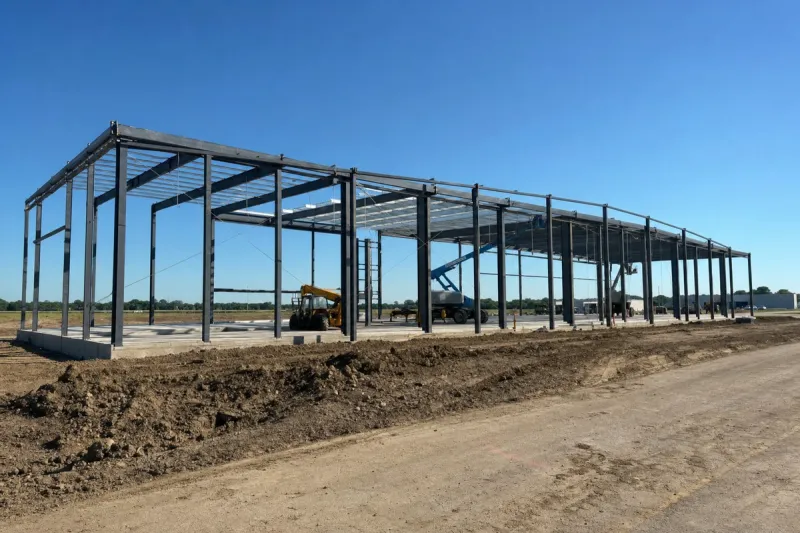
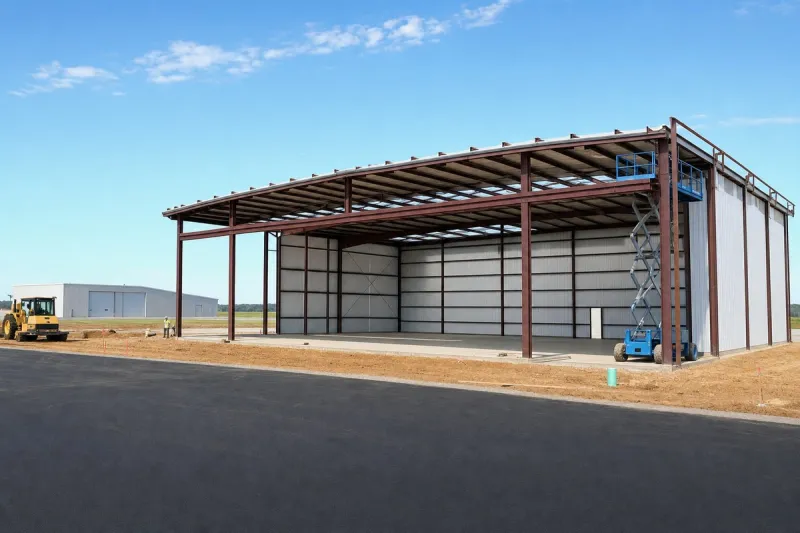
Ortega Aviation Services (OAS) broke ground on September 23 on a new turboprop flight training facility at Wichita Dwight D. Eisenhower Airport (KICT) in Kansas, the first step toward launching a new division called Turproop Training Solutions. Co-owners Kirby and Teresa Ortega led the groundbreaking ceremony alongside their team.

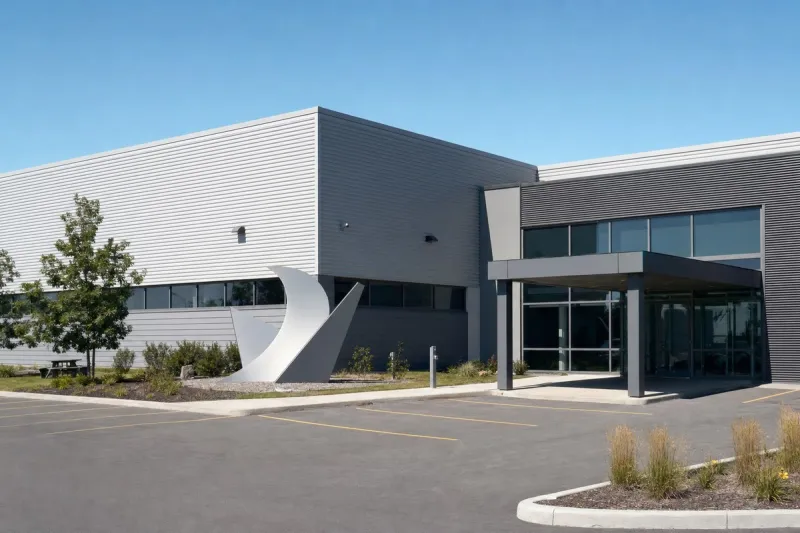
The $2.2 million, 4,000-square-foot building will add a new wing to the existing OAS facility at KICT and is expected to open in Spring 2027. It will include up to six bays housing FAA-approved advanced aviation training devices (AATDs) for the Cessna Caravan 208B, Piper M series, and Pilatus PC-12, with plans to expand to the Daher TBM in the future. The training devices will be built by Mike Altman of Precision Flight Controls in California, and in-aircraft training will also be offered.
Kirby Ortega spent 32 years at Cessna Aircraft Company — which evolved into Textron Aviation — retiring in 2013 as chief pilot of single-engine operations. He and Teresa, also a Textron Aviation alumna, subsequently founded OAS. Over the past 13 years the company has focused on initial pilot training and Cessna Citation turbine aircraft initial and recurrent training, mentoring, and purchasing assistance.
OAS operates under Part 61 rather than Part 142, and said Turboprop Training Solutions will be able to tailor training programs to individual operators' specific mission profiles, rather than following the fixed profiles stipulated by the FAA. "Our belief is the single-engine turboprop training market isn't well served," Kirby Ortega said. "Turboprop Training Solutions was created to offer a training solution mirroring what jet pilots are accustomed to — new building, new enhanced training devices, and an approach not just focusing on aircraft systems but emphasizing risk management as well."
Industry impact & what to watch
The project belongs to a broader push by turbine training providers to expand beyond jets into the single-engine turboprop segment, where owner-flown Caravans, Pilatus PC-12s and Piper M-series aircraft have grown in number without a matching build-out of dedicated simulator capacity. Building purpose-made AATDs for specific turboprop types, rather than relying on generic devices, reflects how training providers differentiate once the core jet-training market becomes crowded.
How this segment works depends heavily on regulatory pathway: a Part 61 provider like OAS can shape curricula around an individual operator's mission profile, while Part 142 programs run fixed, FAA-stipulated syllabi. That distinction matters most to owner-operators flying varied missions — cargo, personal transport, or backcountry work — who may value customization over standardized recurrent training.
What happens next depends on execution against the stated timeline: whether the six-bay facility opens as planned in Spring 2027, whether Precision Flight Controls delivers devices for the Caravan, Piper M series and PC-12 on schedule, and whether the promised expansion to the Daher TBM materializes. Demand signals from operators choosing Turboprop Training Solutions over existing Part 142 alternatives will indicate whether the underserved-market thesis holds.