Qatar Executive Operates Doha's Largest Private Charter Fleet with 15 Gulfstream G650ERs and 9 G700s
Why It MattersSeasonal demand swings push floating-fleet charter operators to reposition aircraft toward Europe in summer, showing how utilization and basing strategy, not just fleet size, drive regional charter economics.
What happened
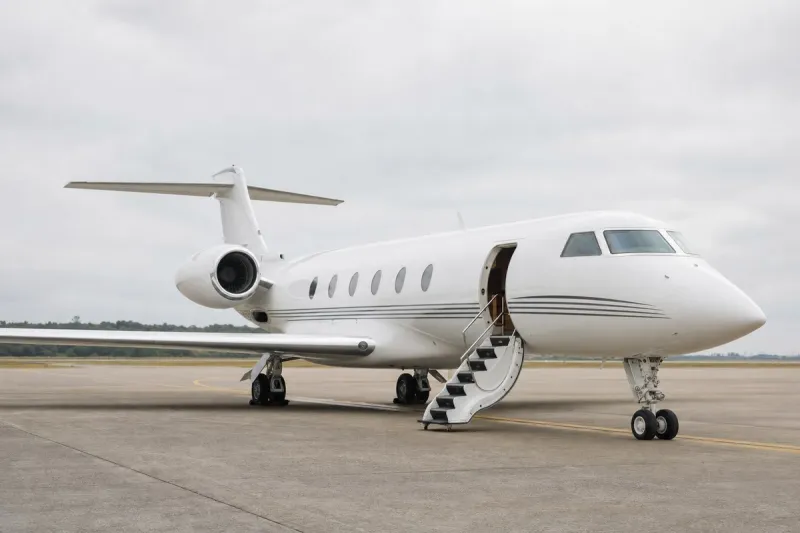
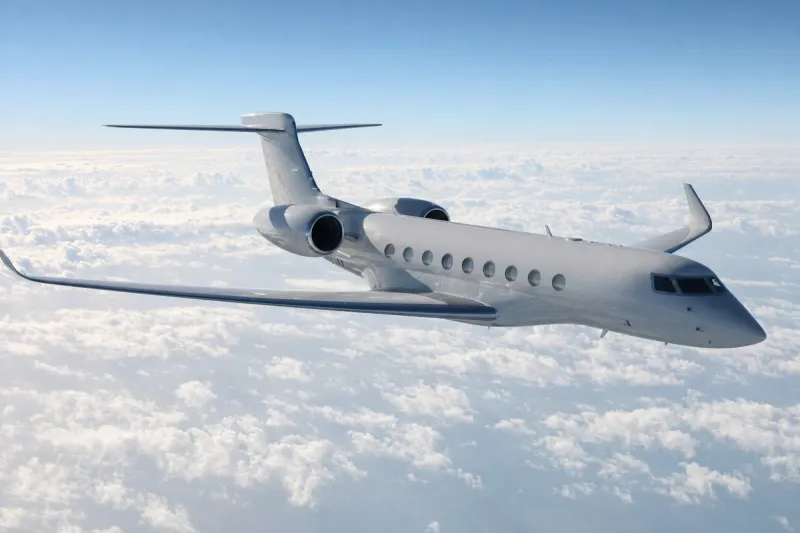
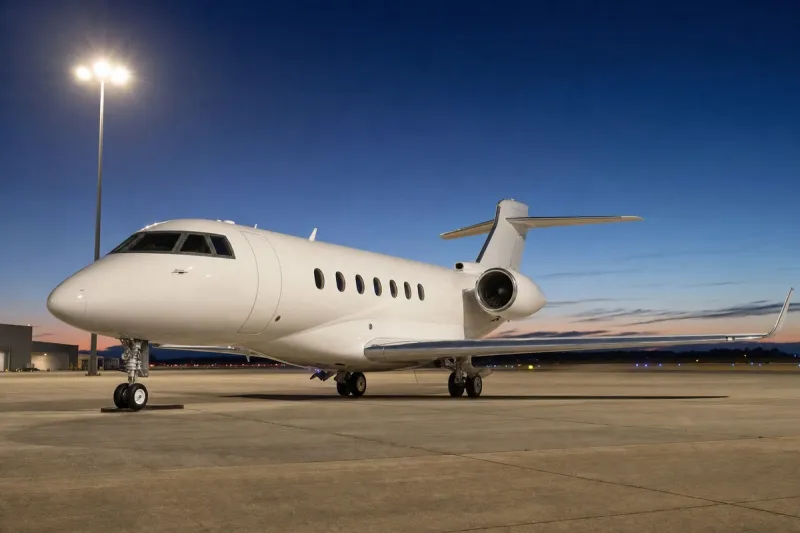
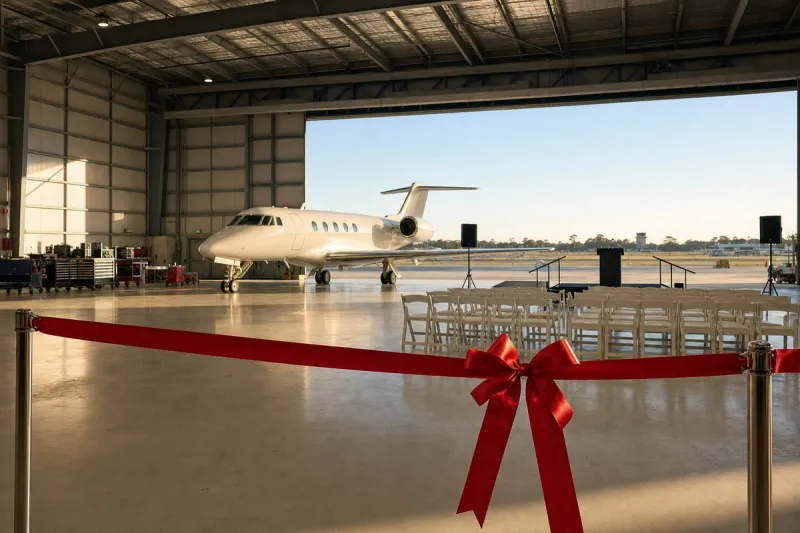
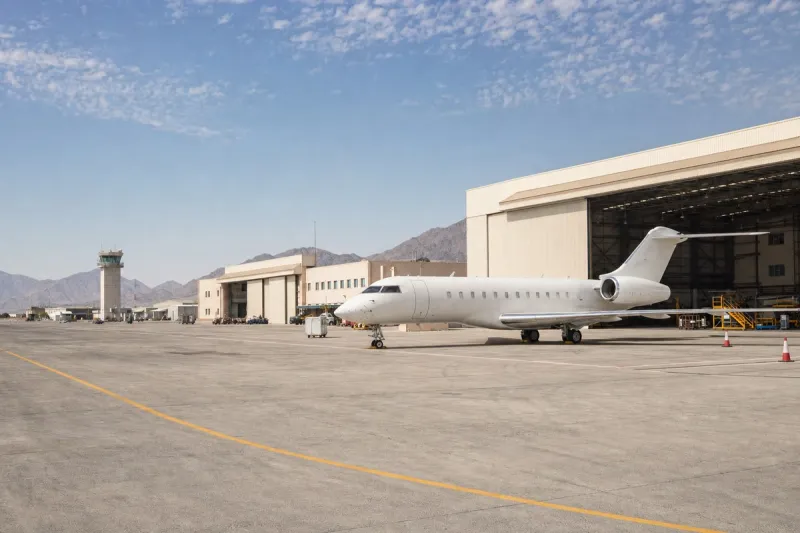
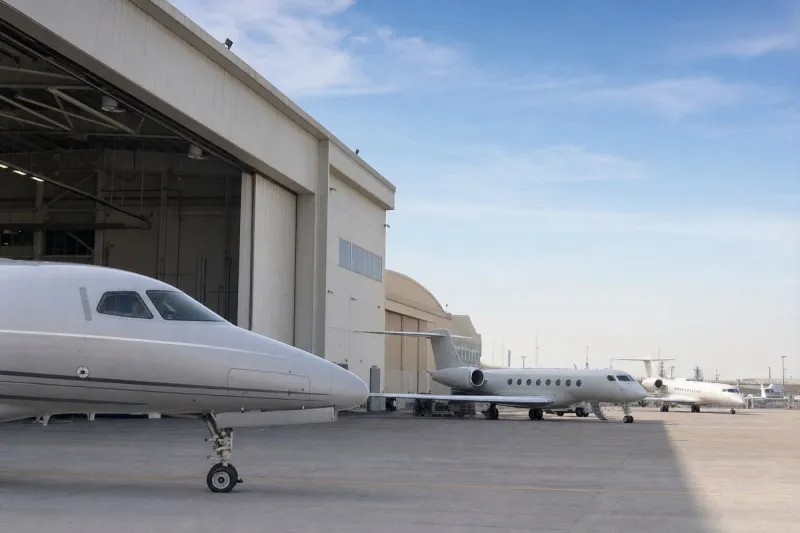
Qatar Executive operates the largest private charter fleet of any single airline in Doha, comprising 15 Gulfstream G650ERs, 9 Gulfstream G700s, 2 Bombardier Global 5000s and an Airbus A319CJ. The operator holds launch commercial operator status for the G700 and is backed by Qatar Airways Group.
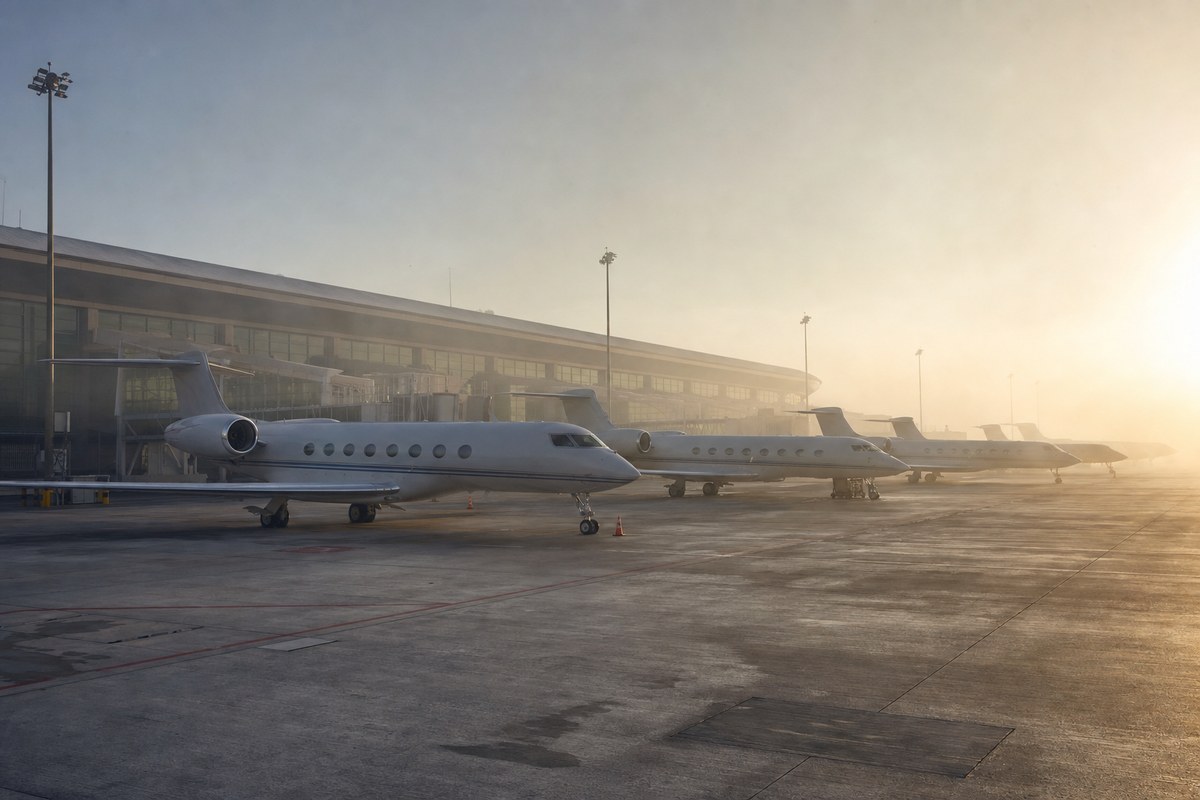
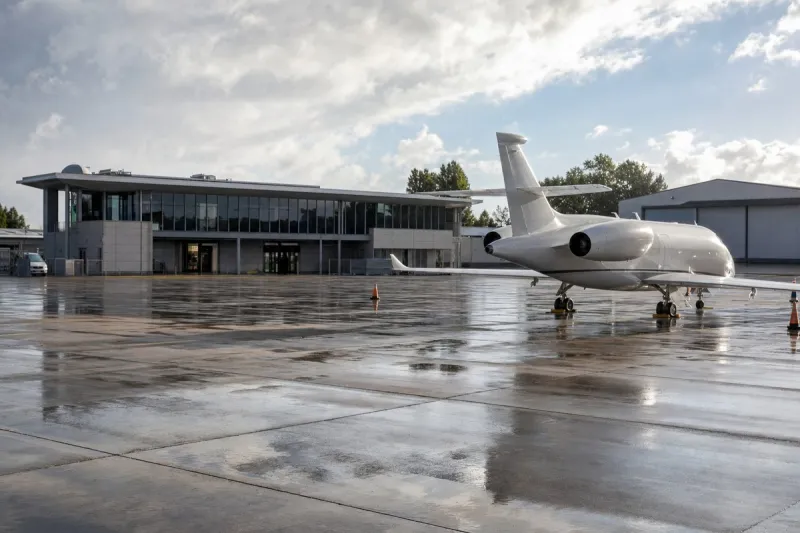
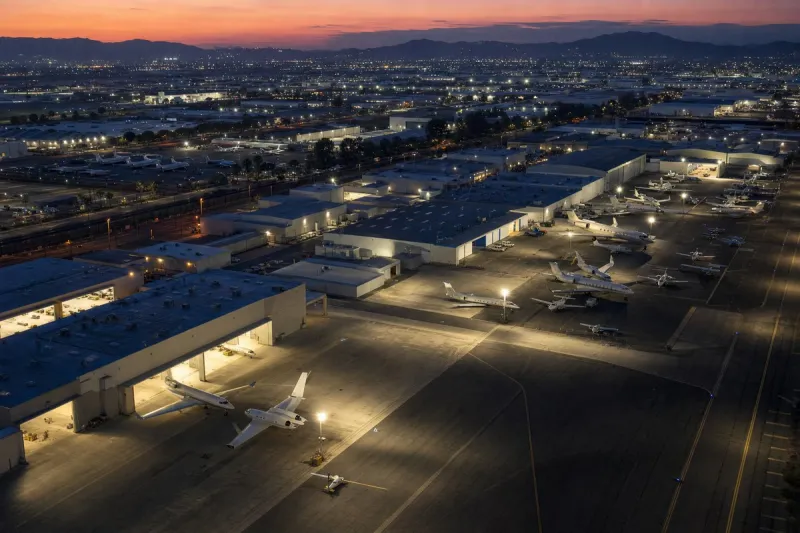
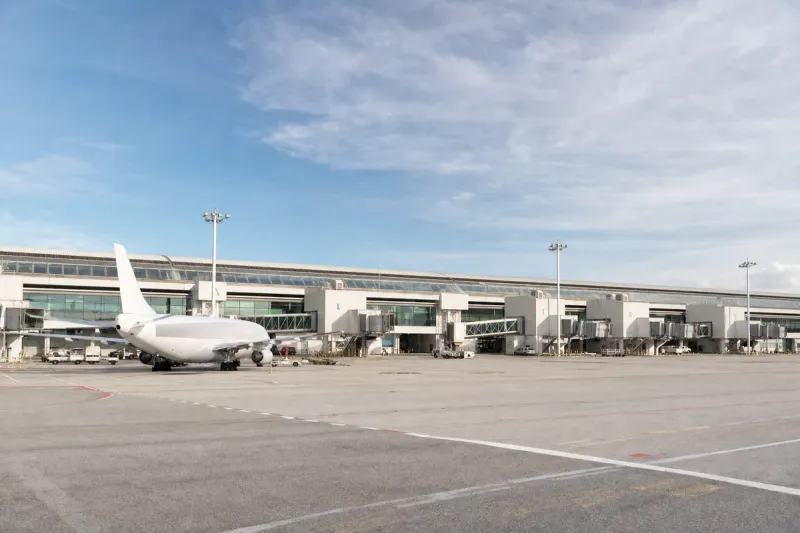
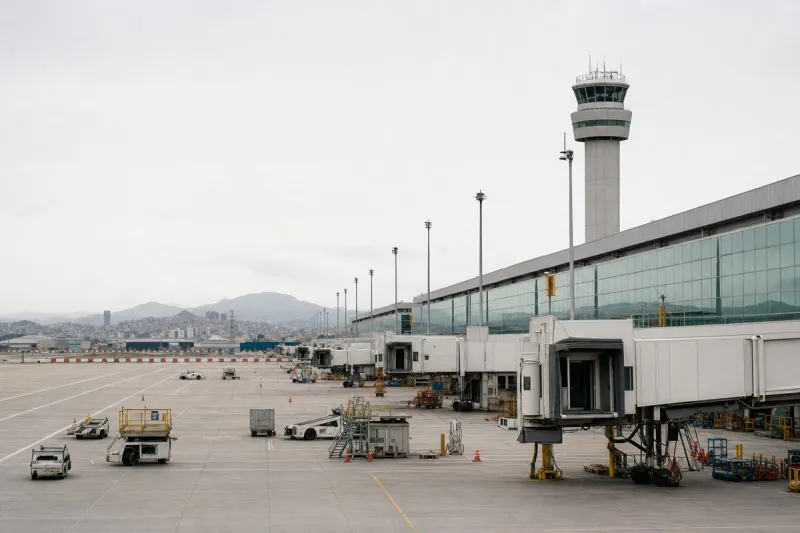
The fleet runs across two operational bases: Doha International Airport (DIA), closed to scheduled commercial traffic since 27 May 2014 and now used by Qatar Executive alongside Qatar Amiri Flight, Rizon Jet and Gulf Helicopters, and Hamad International Airport, where charter passengers typically use Qatar Executive's Premium Terminal, a dedicated VIP arrivals and departures facility opened in 2016 and separate from the main commercial terminal.
Aircraft registrations in Qatar use the A7- nationality mark, in use since 1975 and administered by the Qatar Civil Aviation Authority (QCAA), established in 2001. A significant share of privately owned jets based in Qatar are registered offshore instead, with Isle of Man, Aruba and Cayman Islands registrations common for financing, leasing and international maintenance-recognition purposes. Qatar currently levies no VAT, though the GCC VAT Framework Agreement sets a future standard rate of 5%; Qatar has completed e-invoicing groundwork but no VAT law has been enacted and no implementation date has been confirmed.
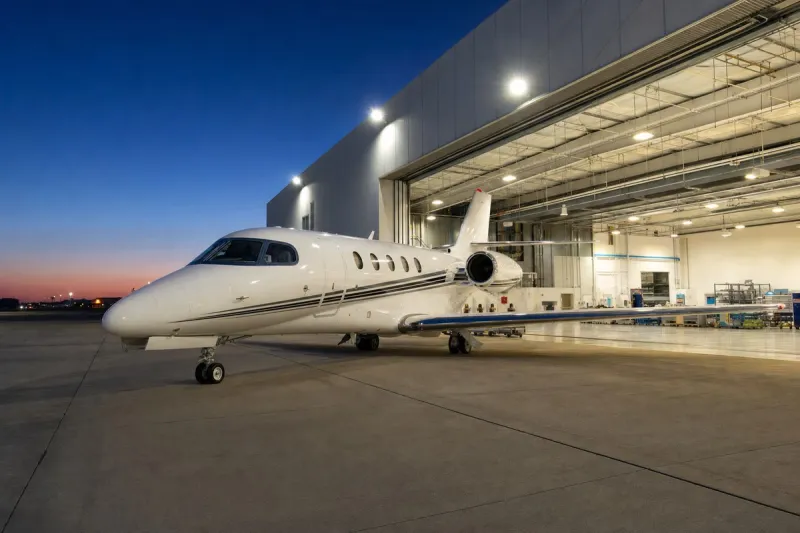
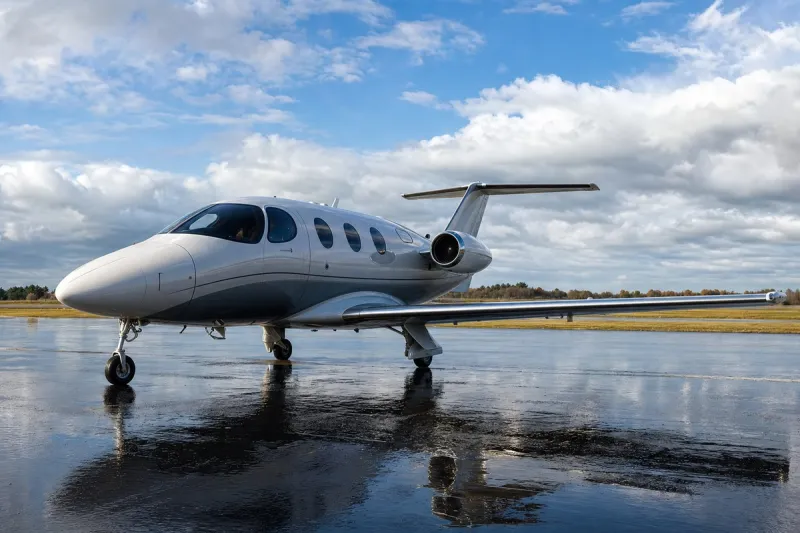
Indicative hourly operating-cost estimates for Doha-based charter in 2025–26 range from approximately $3,000–$4,000 per hour for light jets such as the Embraer Phenom 300E on short sectors like Doha–Manama, around $6,569 per hour for super-midsize aircraft such as the Embraer Praetor 600 on routes like Doha–Riyadh, over $6,600 per hour for heavy and ultra-long-range jets such as the Gulfstream G650ER on sectors like Doha–London, and roughly $8,000–$12,000 per hour for VIP airliners and bizliners of the Boeing BBJ class on long-haul government and VIP missions.
Industry impact & what to watch
Doha's charter market illustrates how a floating-fleet model ties aircraft supply directly to seasonal travel behavior: outbound flights to Europe increase sharply during summer, prompting Qatar Executive to reposition aircraft toward European bases for those months, while Ramadan shifts activity toward evening and family travel patterns instead. The split between a closed former commercial airport used as a private-aviation base and a dedicated VIP terminal at the active hub shows how Gulf markets segregate charter operations from scheduled traffic without building entirely separate infrastructure.
The prevalence of offshore registrations alongside the domestic A7- mark points to a broader dynamic in owner-operated fleets, where financing, leasing and maintenance-recognition considerations can outweigh the convenience of local registry, even in a market with its own established civil aviation authority. Hourly cost tiers spanning light jets to VIP airliners also show how sector length and aircraft class, not just fleet age or brand, determine what an operator charges per flight hour.
The pending GCC VAT Framework Agreement is the clearest item to watch: a 5% standard rate has been set as a future benchmark and e-invoicing groundwork is complete, but no law has been enacted and no date has been confirmed, leaving the timing of any change to charter pricing undetermined for now.