FACC Marks 20th Anniversary of Canadian Subsidiary with Facility Expansion
Why It MattersThe expansion shows how aerostructure suppliers are relocating cabin and structural component manufacturing closer to North American final assembly lines to cut transport routes and response times.
What happened
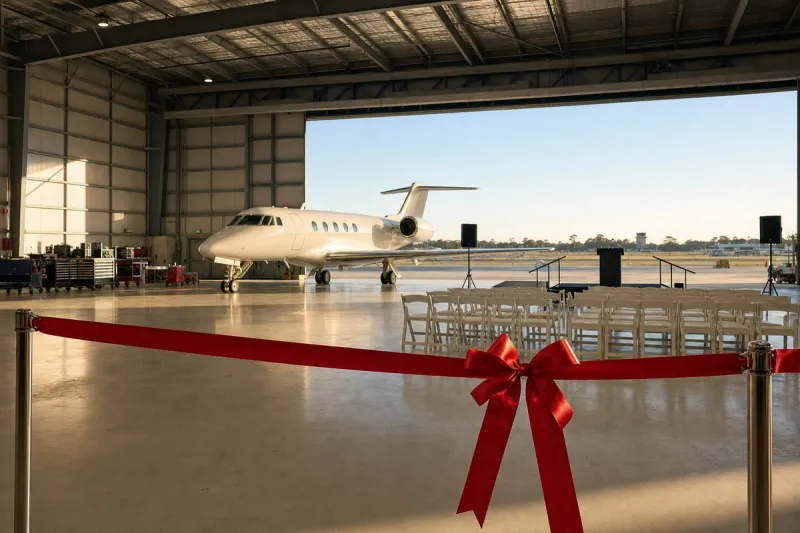
Austrian aerospace supplier FACC has marked the 20th anniversary of its Canadian subsidiary, FACC Solutions Canada, which was founded in 2006 in connection with aircraft manufacturer Bombardier. Originally established as a service and logistics branch, the facility has grown into an independent production facility currently employing around 80 people.
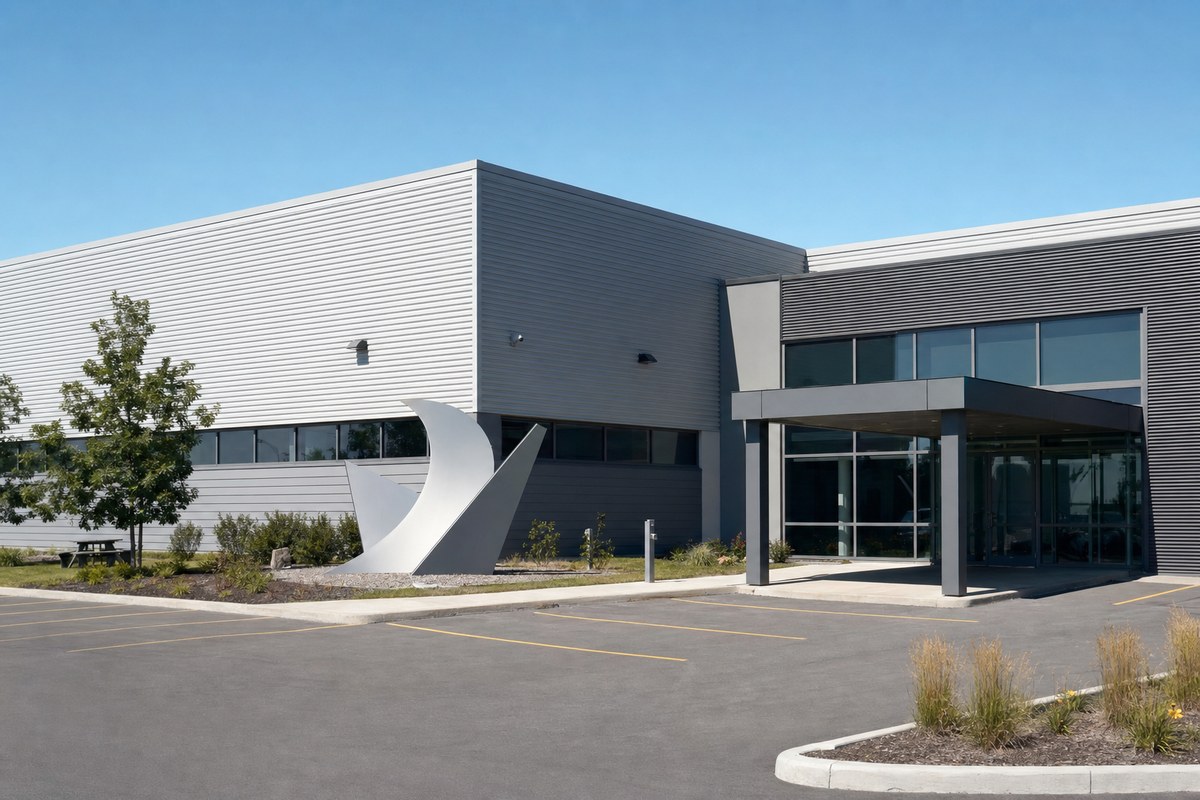
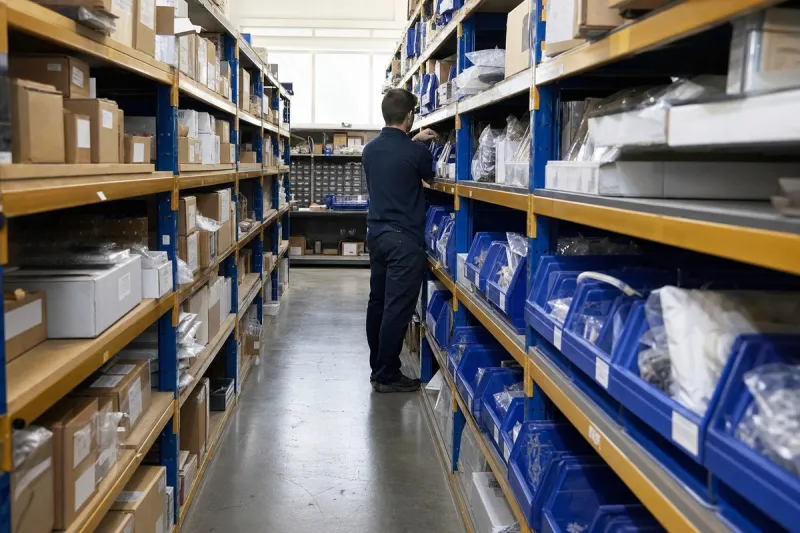
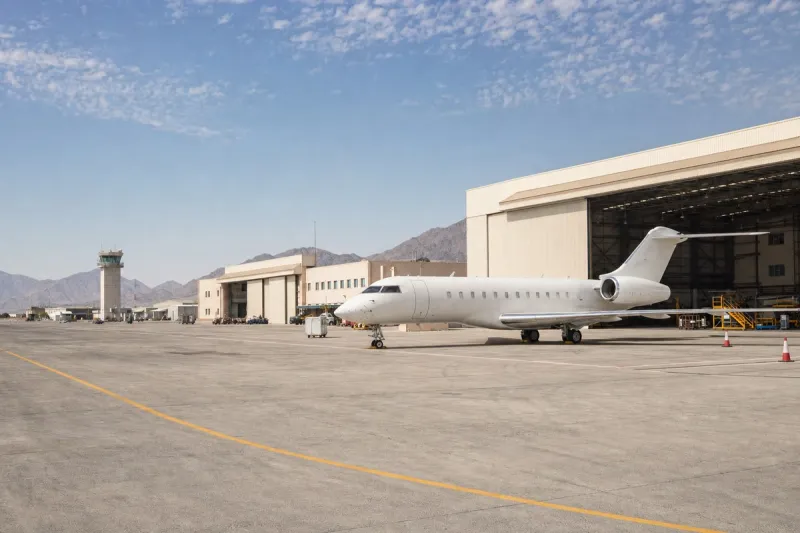
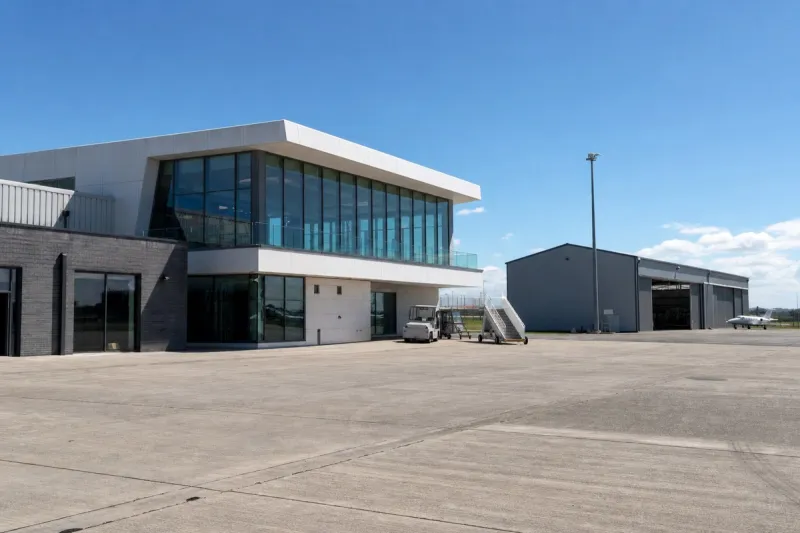
The site assembles cabin and structural components for North American aircraft programs, with customers including Bombardier and Airbus for its A220 family. As part of an expansion of its manufacturing capacity, FACC enlarged the facility by an additional 600 square metres, bringing the total production area to over 4,500 square metres. The expanded space is dedicated to manufacturing modular cabin components for the Bombardier Challenger 3500 and Global 8000 business jets, as well as for commercial aircraft.
The site has held Transport Canada's Approved Maintenance Organisation (AMO) certification since 2022, enabling it to carry out repair and maintenance work on cabin components. FACC is headquartered in Ried im Innkreis, Upper Austria.
Industry impact & what to watch
This expansion reflects a broader pattern among aerostructure suppliers of positioning manufacturing capacity nearer to the final assembly lines their programs feed, rather than centralising production at a single home-country site. FACC stated the goal is to shorten transport routes and reduce response times for program adjustments, a logic that applies equally to the Challenger 3500, Global 8000 and A220 work the Canadian site now covers.
The AMO certification adds a second dimension: a site that both builds and maintains cabin components can absorb repair work without shipping parts back across the Atlantic, which matters more as production rates recover from prior supply chain disruptions. How that recovery translates into further capacity commitments at this or other FACC sites is the detail to track next.