Gary/Chicago International Airport breaks ground on $18.3 million air traffic control tower
Why It MattersRegional airports increasingly justify major infrastructure spending through cargo and customs capacity built up over years, turning air traffic control upgrades into markers of sustained growth rather than isolated projects.
What happened
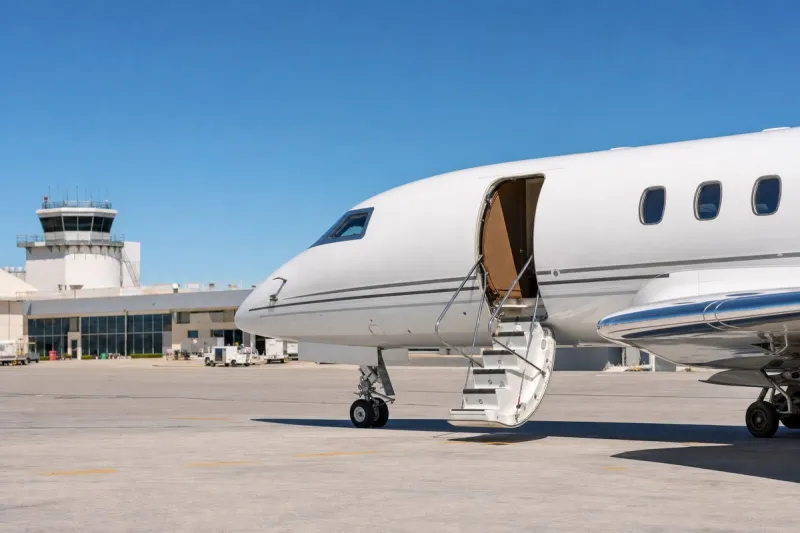
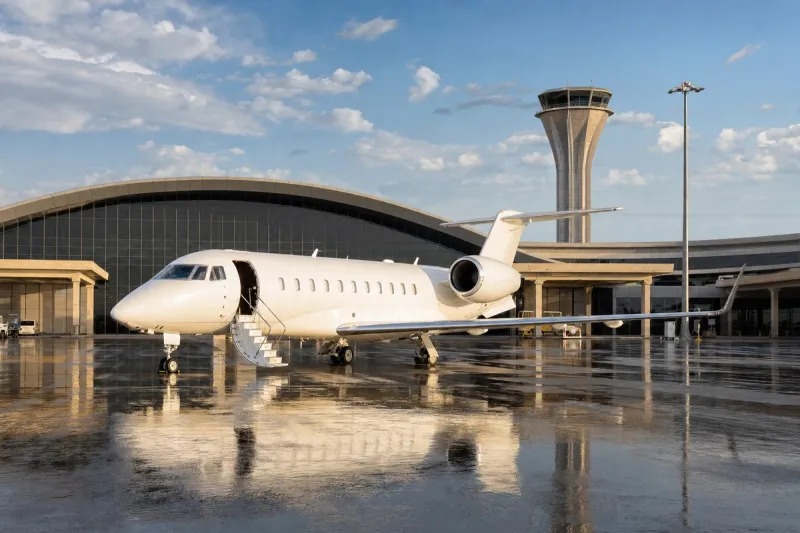
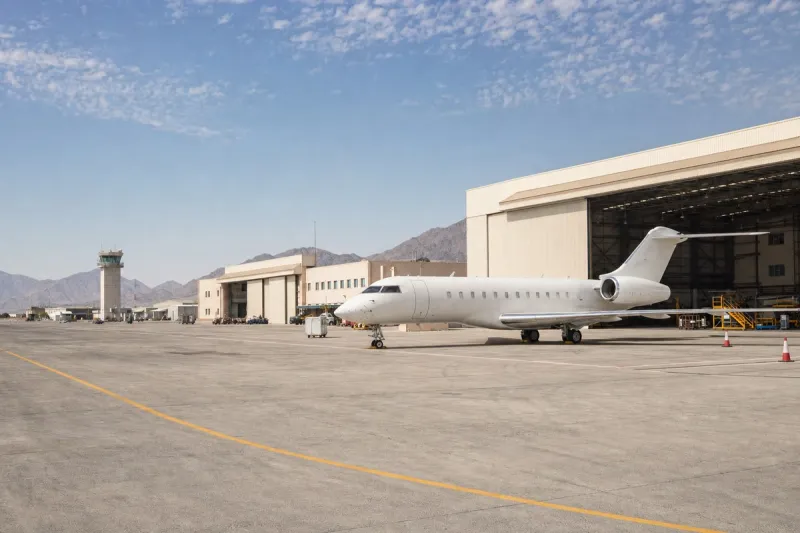
Gary/Chicago International Airport (GCIA) held a groundbreaking ceremony Friday for a new $18.3 million air traffic control tower. GCIA Executive Director Dan Vicari said the ceremony represents "the culmination of years of planning, collaboration and investment" and that the new tower "will ensure GCIA remains a key economic engine for Northwest Indiana and the Chicago region for decades to come."
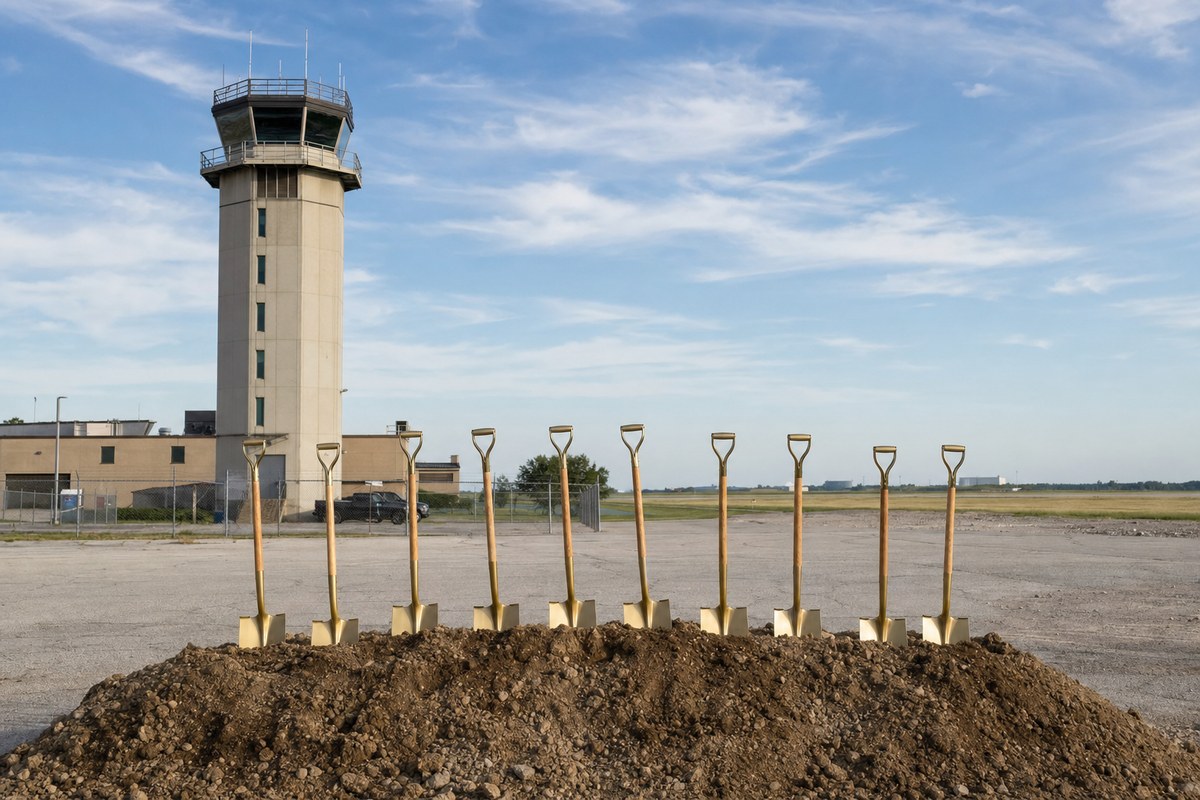
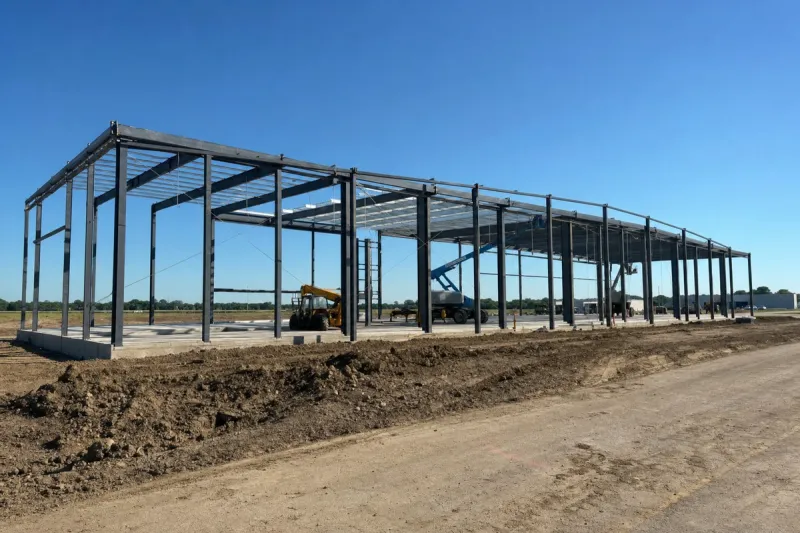
The existing control tower was built in 1972. Planning for its replacement began in 2022, advanced through FAA siting approval and design-funding milestones in 2024, and received full federal construction funding earlier this year. The new tower will be twice the height of the current structure and will incorporate modern technology to improve visibility, communications, operational efficiency and safety. Construction is expected to generate approximately 120 skilled-trade jobs and require roughly 24,000 construction hours, with completion anticipated by late 2027.
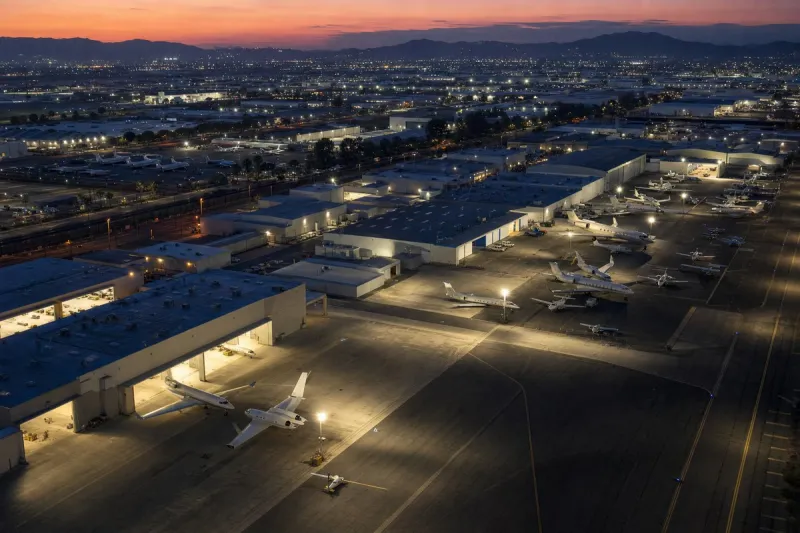
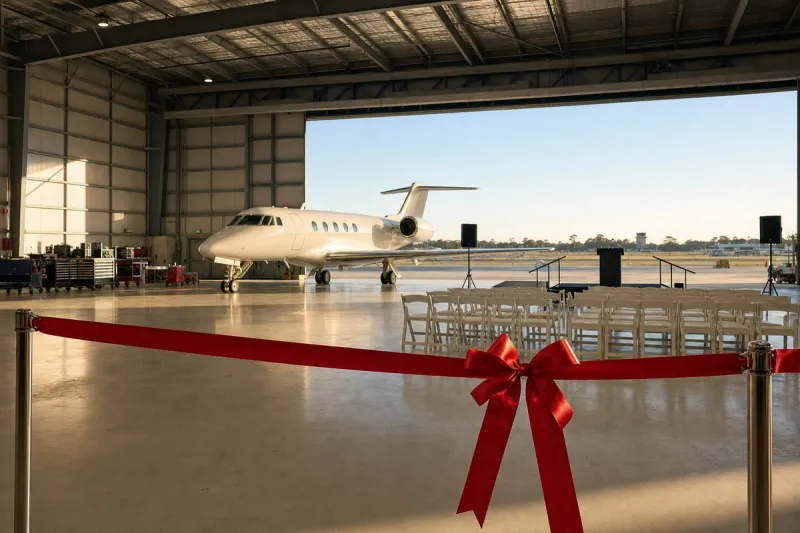
One week before the groundbreaking, GCIA also cut the ribbon on a new 55-acre Air Cargo Campus.
A decade of expansion
GCIA has undergone significant expansion since 2015. Its main runway was extended to nearly 9,000 feet, making it the second longest runway in the region after O'Hare International Airport. A U.S. Customs and Border Protection facility opened in 2018, enabling international travelers to clear customs on site. UPS began cargo operations at GCIA in 2020 under a long-term lease, and the airport now ranks third in Indiana by air cargo volume.
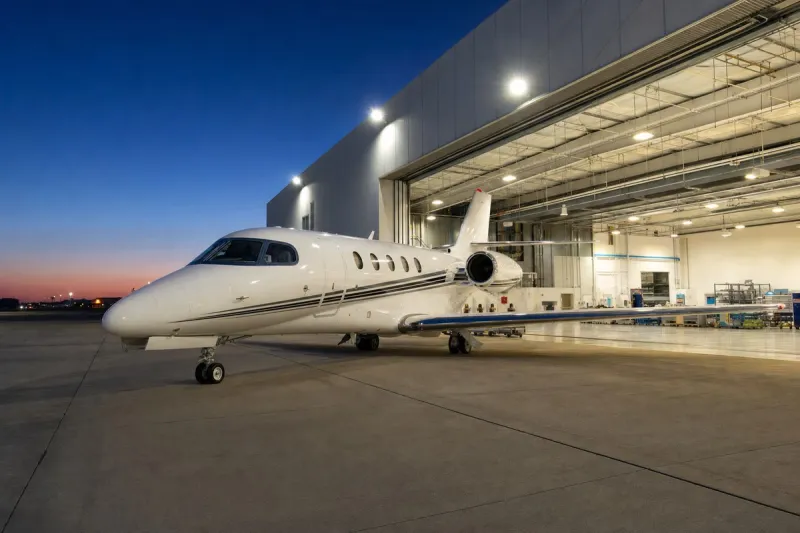
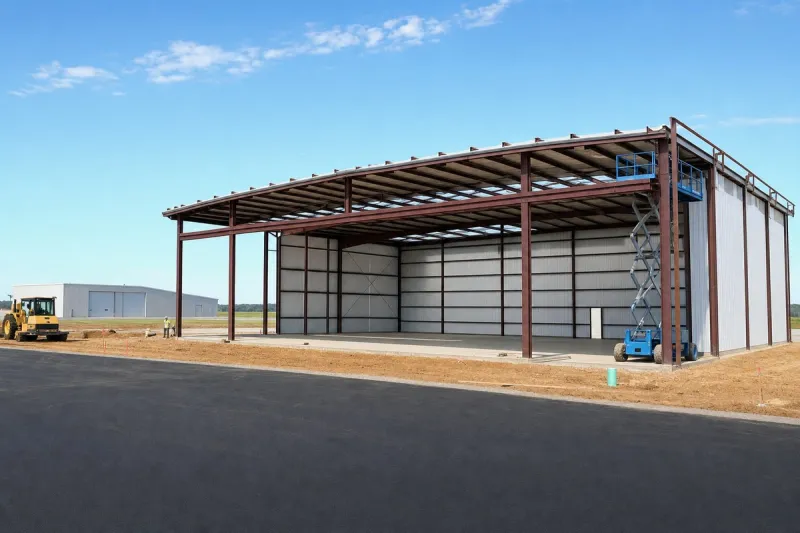
In late 2023, GCIA acquired the Griffith-Merrillville Airport, making it one of only three aviation systems in Indiana. In 2024, the airport broke ground on a $12 million, 47,000-square-foot aviation hangar and launched its air cargo campus expansion, which was completed in summer 2026. In 2025, GCIA announced the acquisition of a 4.7-acre parcel to support further cargo expansion and awarded a $15 million contract to construct a new cargo and general aviation ramp.
Industry impact & what to watch
A new air traffic control tower is the kind of investment that tends to follow, rather than lead, a runway extension, a customs facility and a cargo tenant already in place — the infrastructure that raises traffic volumes and operational complexity to the point where an aging tower becomes the constraint. GCIA's 1972 tower was sized for a much smaller operation than one handling a nearly 9,000-foot runway, on-site customs clearance and a UPS cargo lease.
For regional airports pursuing this kind of multi-year build-out, sequencing matters: cargo tenants, customs capability and runway length typically arrive first because they generate the traffic and revenue case that then justifies federal funding for control-tower or terminal upgrades. GCIA's path through FAA siting approval, design funding and full construction funding across 2022 to 2026 illustrates how long that federal funding chain runs even after the underlying commercial case is established.
Completion by late 2027 is the next dated milestone that will show whether the tower keeps pace with GCIA's cargo growth, including the recently completed Air Cargo Campus and the pending cargo and general aviation ramp contract.