Africa's Private Jet Market Grows as Bombardier and Embraer Expand Presence, Infrastructure Gaps Persist
Why It MattersAfrica's business jet growth remains constrained at the infrastructure level, with maintenance access and tax policy, not demand, determining where aircraft are ultimately registered and based.
What happened
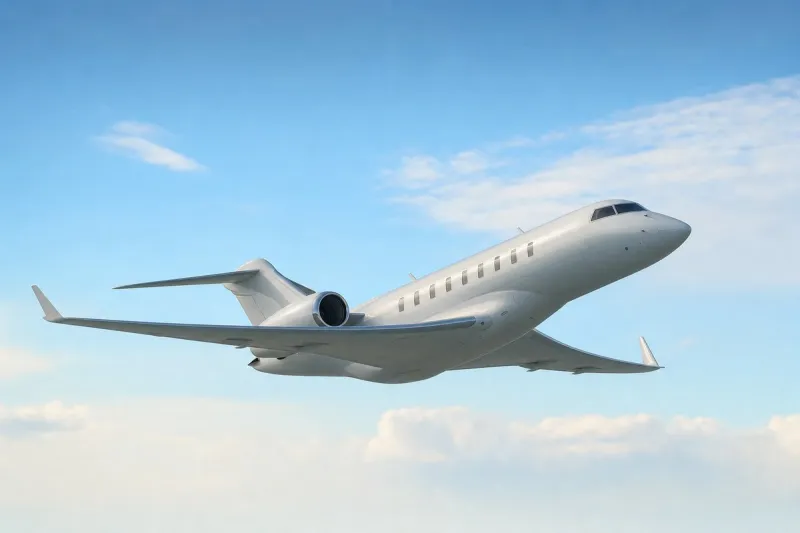
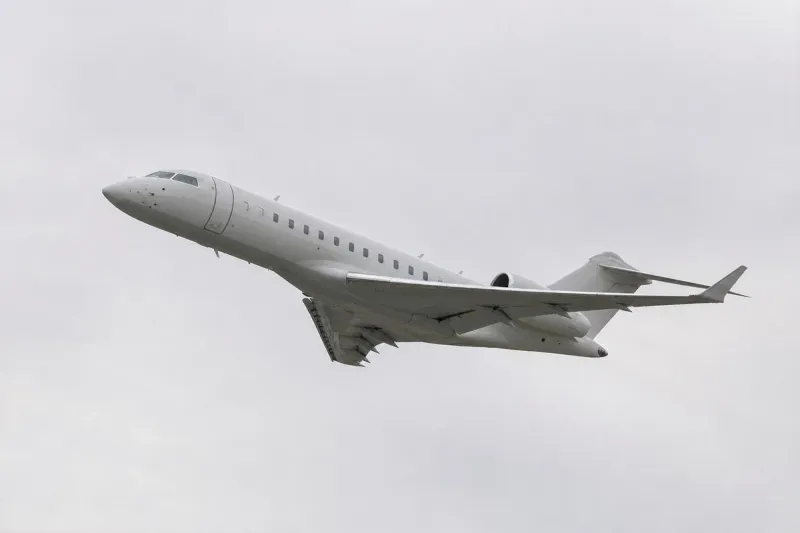
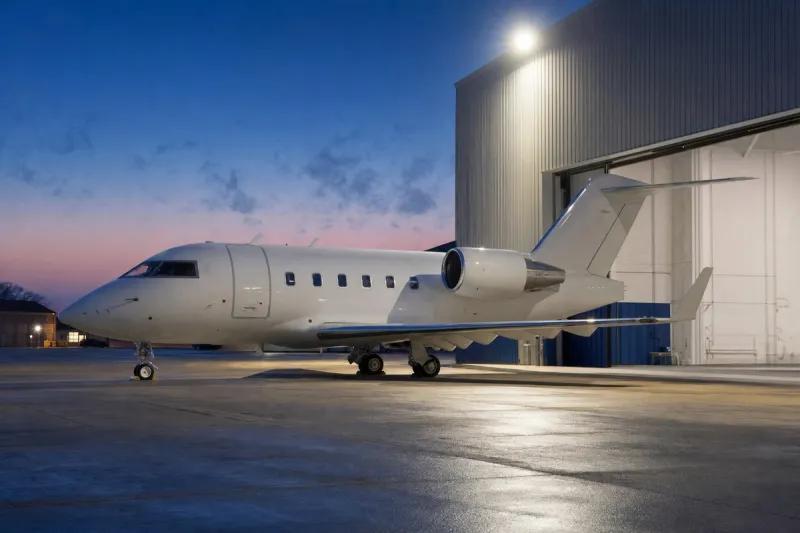
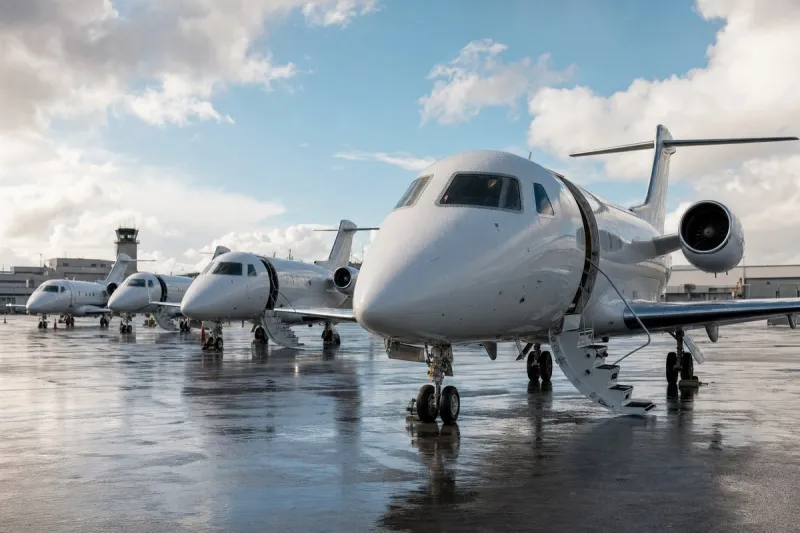
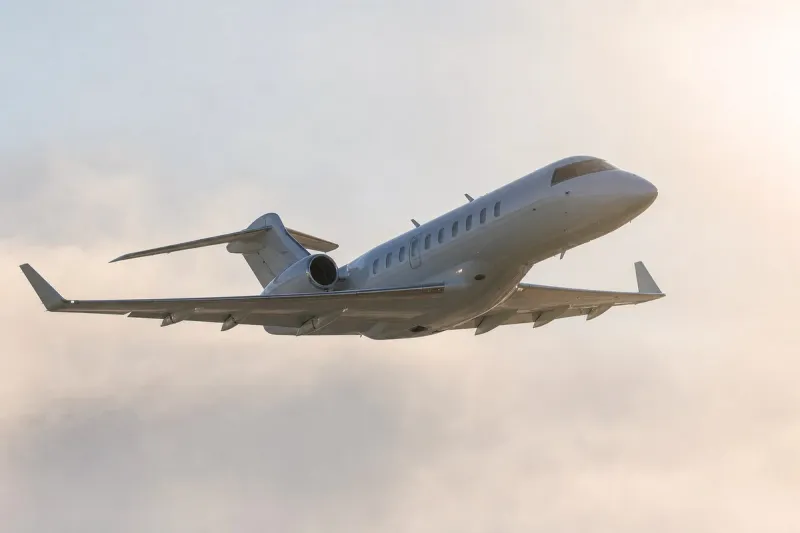
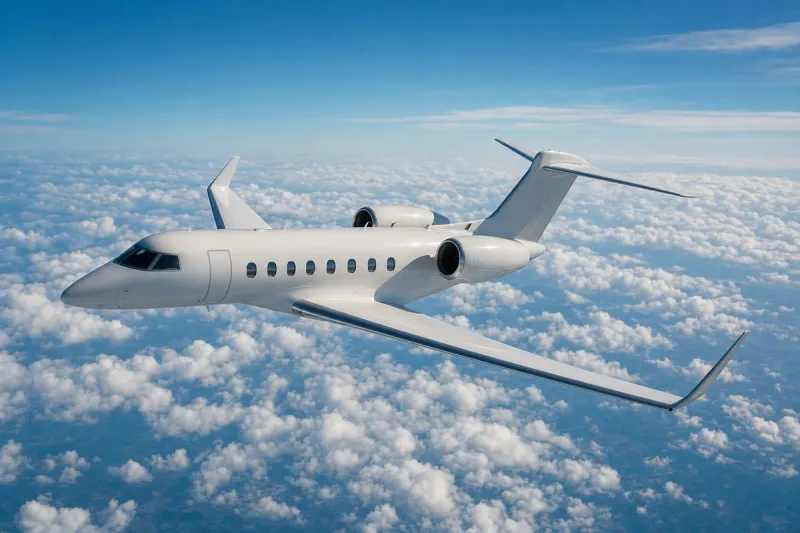
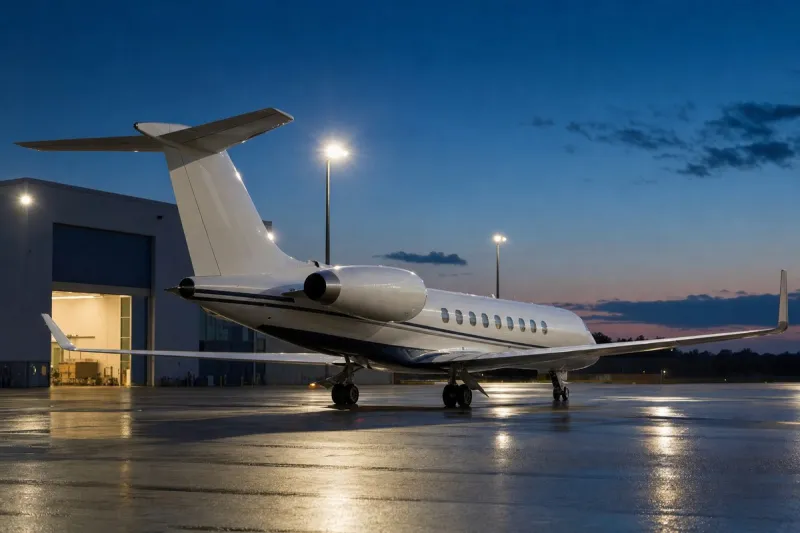
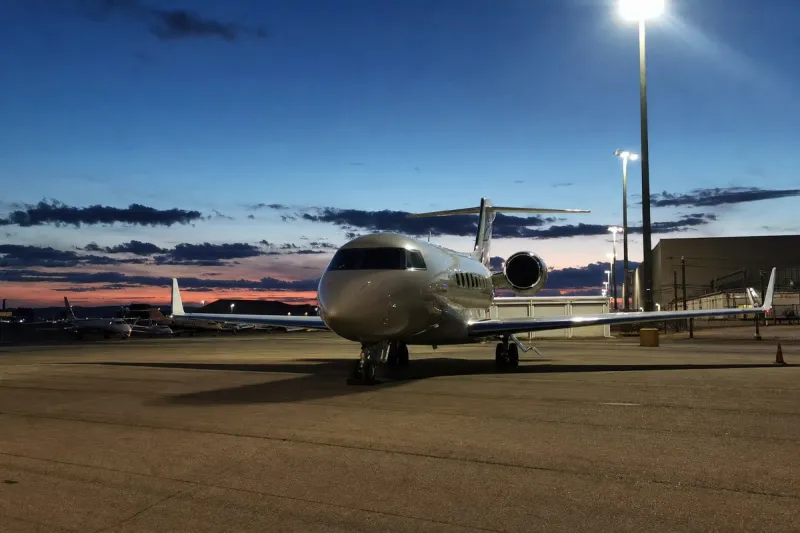
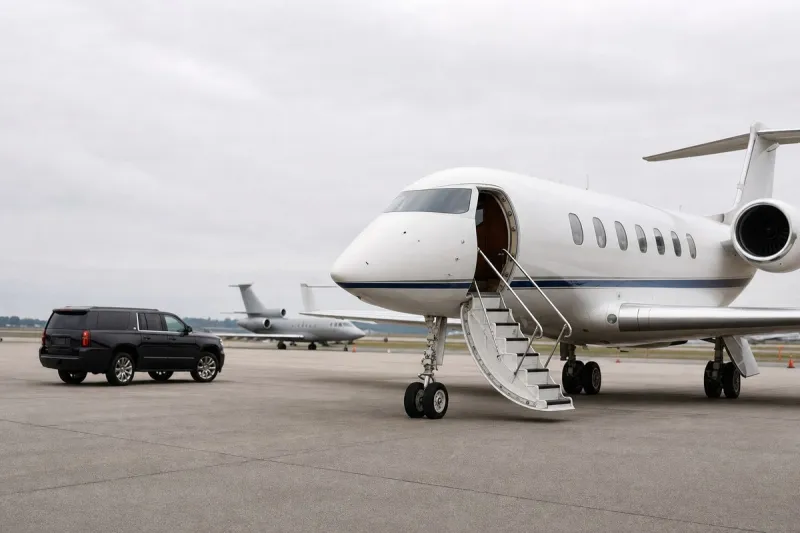
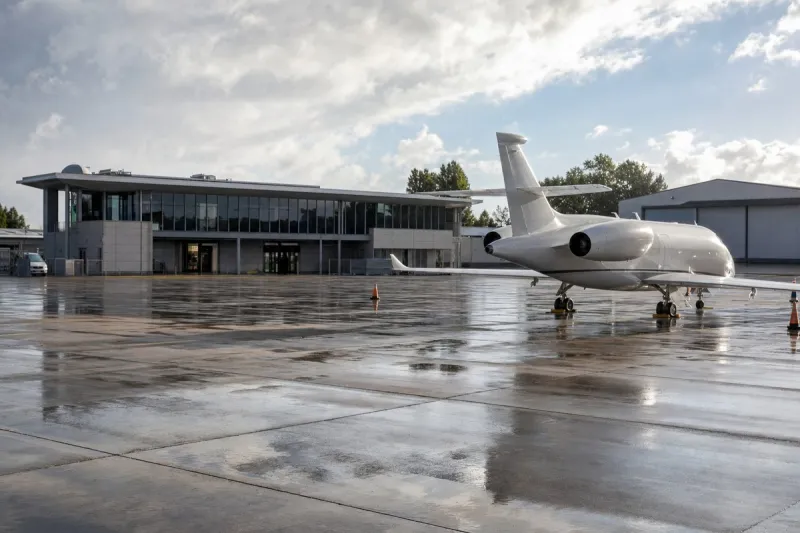
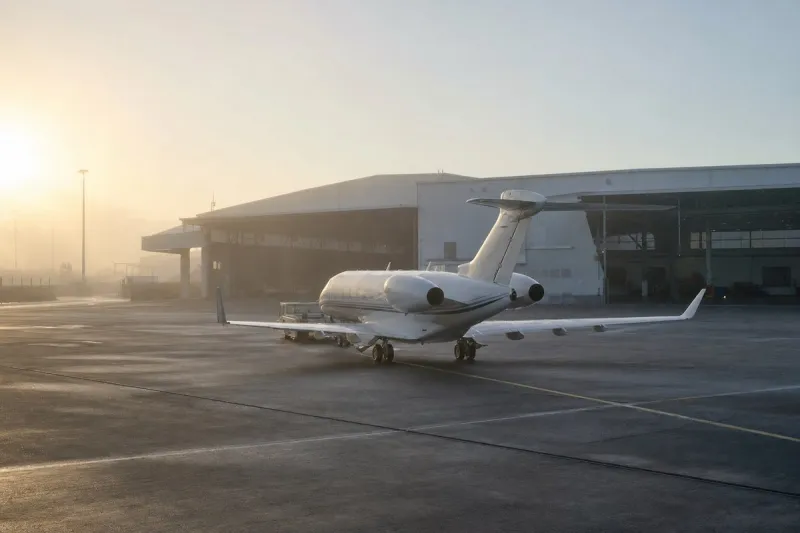
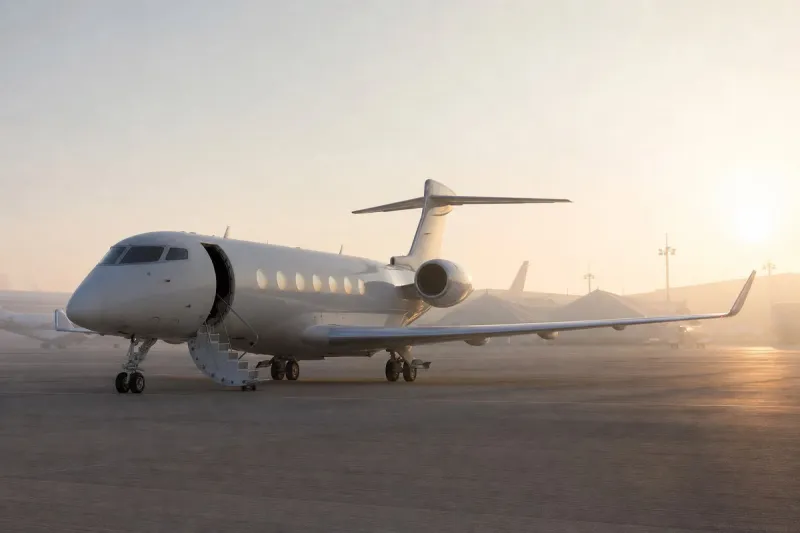
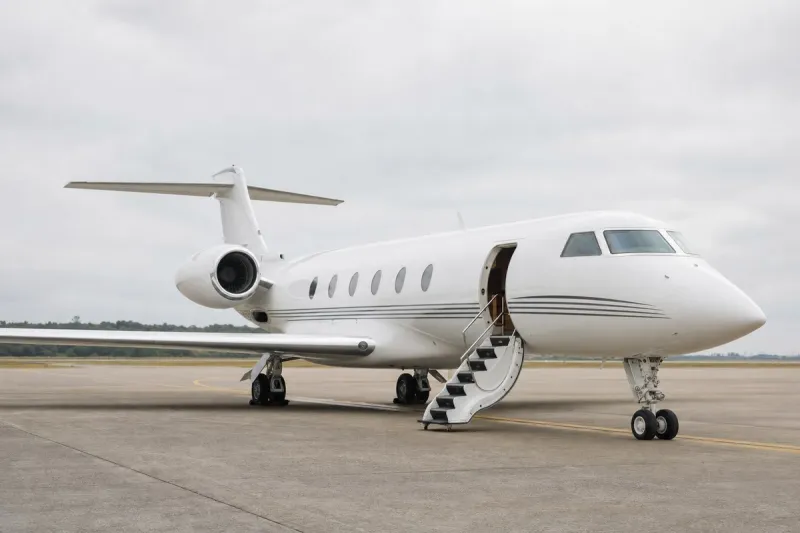
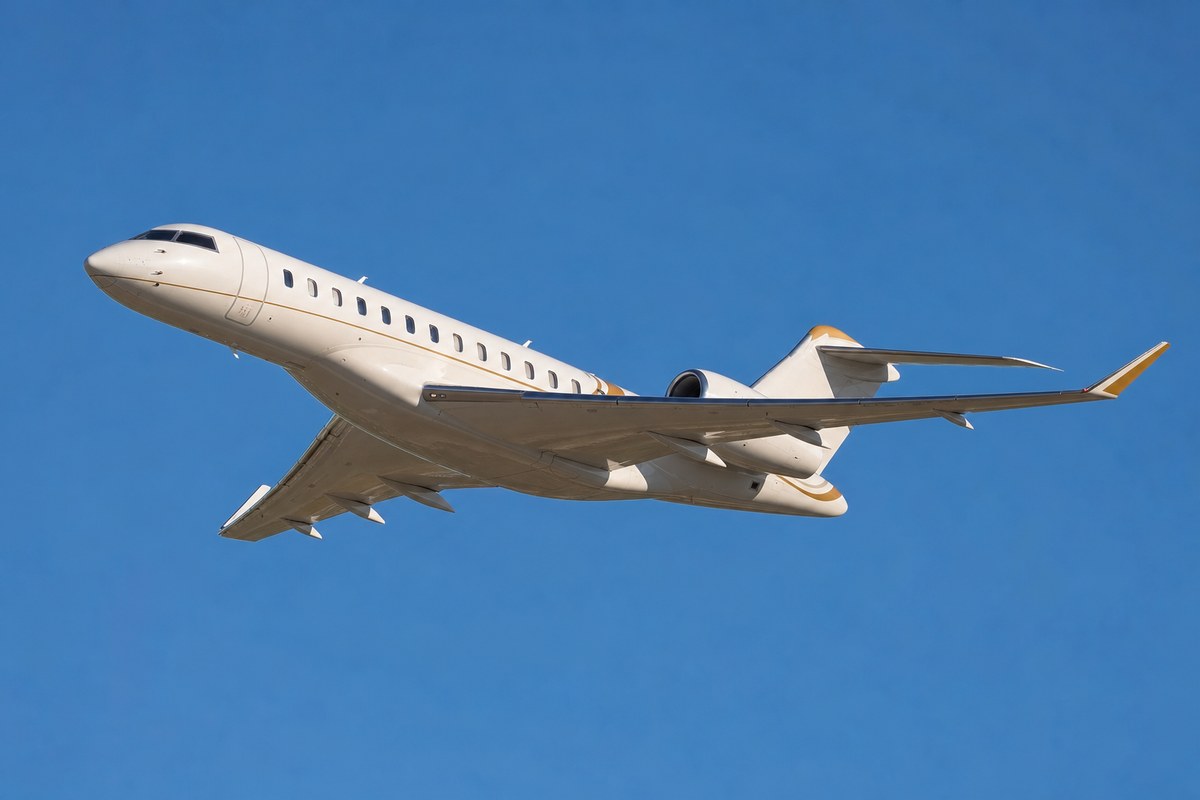
Business jet demand is rising across Africa as Bombardier and Embraer both expand their presence on the continent, even as thin maintenance networks and unfavourable tax regimes continue to push aircraft registrations and owner capital offshore. In June 2026, Bombardier delivered its first Global 8000 aircraft in Africa to BUA Group, a Nigeria-based company. Bombardier President and CEO Éric Martel called the delivery a "significant milestone for both organisations," noting the aircraft is designed for speed, range and comfort on long-haul missions. The Global 8000 carries up to 19 passengers, has a range of 8,000 nautical miles, a top speed of Mach 0.95, and a list price of around US$80 million.
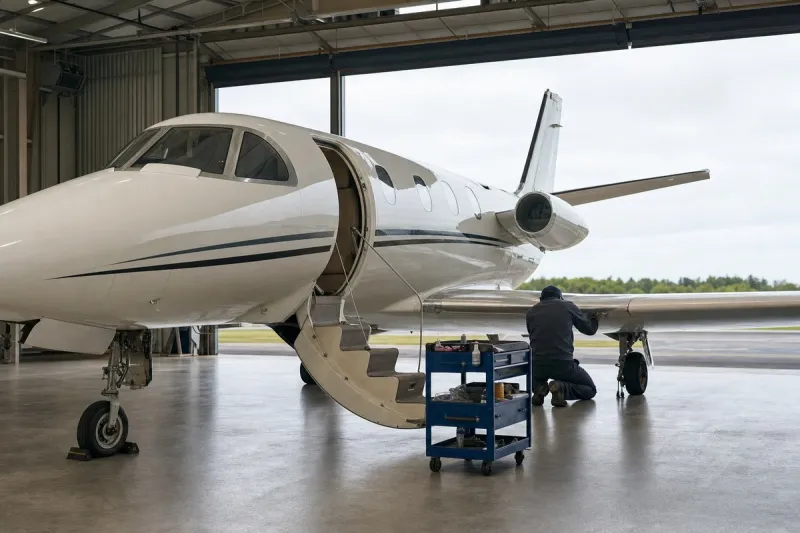
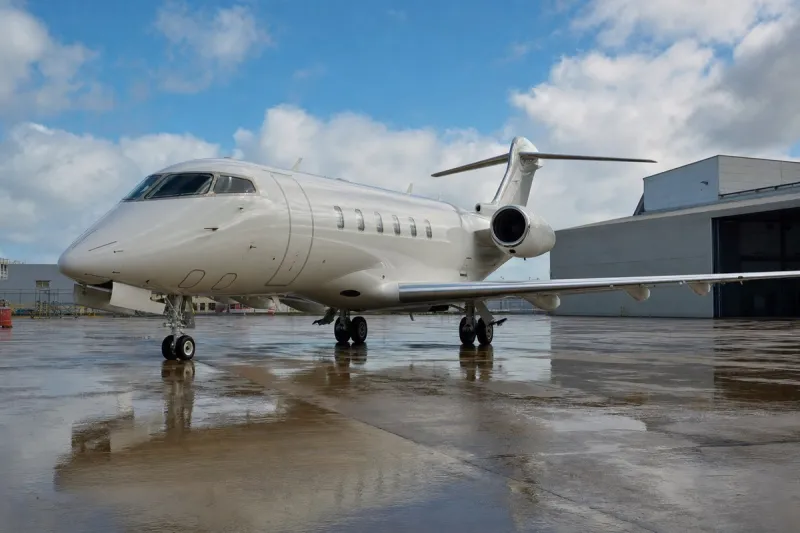
Embraer has reported growing demand for its Phenom 300 series in Africa. In 2023, the manufacturer appointed ExecuJet MRO Services at Lanseria International Airport near Johannesburg as an authorised service centre for its business jets on the continent. The Phenom 300EV seats up to 10 passengers, has a range of 2,055 nautical miles, a top speed of Mach 0.80, and lists at around US$13.9 million.
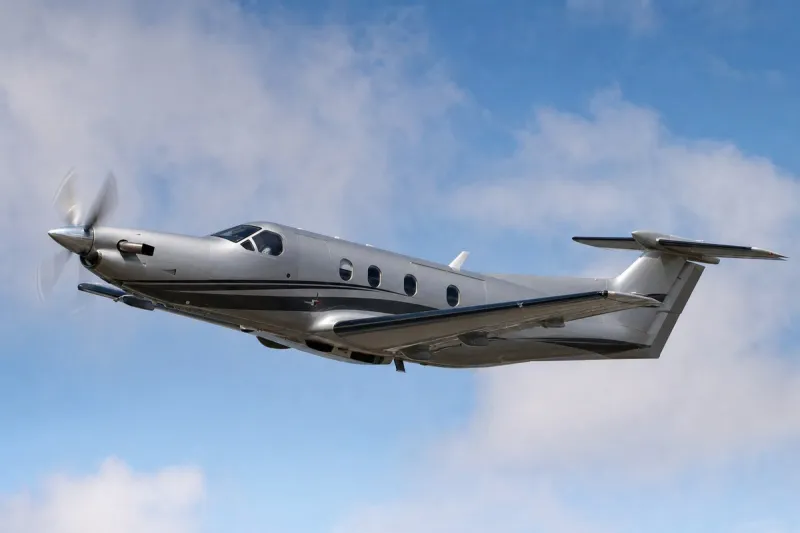
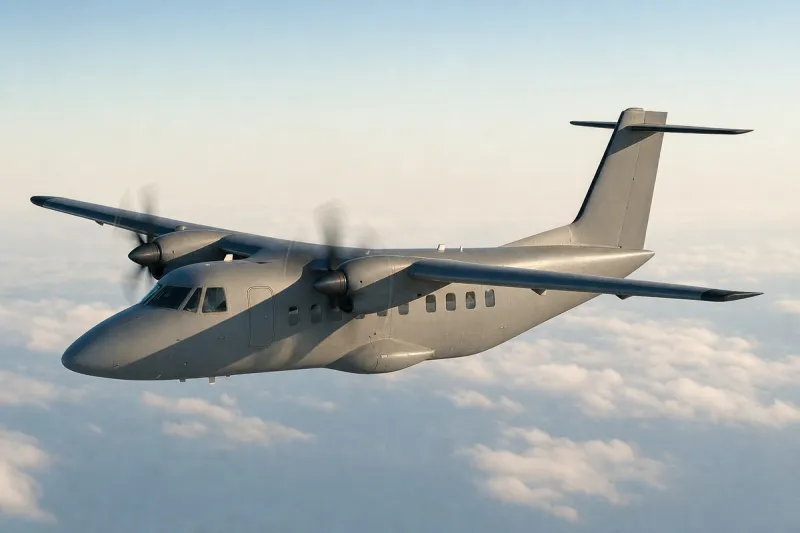
Private jets in Africa are typically restricted to larger airports, unlike in Europe or the United States. As a result, aircraft capable of operating from short or unprepared strips — including the Cessna Caravan turboprop, the Pilatus PC-12 and PC-24, and various helicopters — are critical business aviation assets on the continent. The Pilatus PC-12 PRO carries up to nine passengers, has a range of 1,765 nautical miles and a top speed of 290 KTAS, with a list price of around US$6.8 million. Kevin Singh, founder and CEO of charter operator Icarus Jet, said the Caravan is a staple of safari operations, while helicopters support oil extraction in countries including Angola and Nigeria, and added that low-earth-orbit satellite connectivity is improving safety and communications for business aviation operations across the continent.
Industry impact & what to watch
This is a case of manufacturer footprint expanding faster than the infrastructure that supports it. Bombardier and Embraer are both placing aircraft and service commitments into Africa, but the continent's restriction of private jets to larger airports means turboprops and helicopters — the Caravan, the PC-12, the PC-24 — carry a disproportionate share of actual operating flexibility compared with markets where long-range jets can reach smaller strips directly.
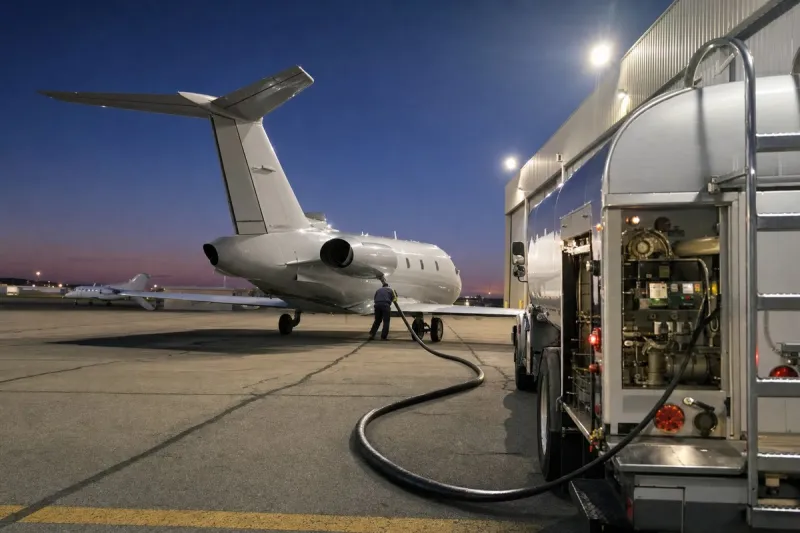
Limited MRO capacity and tax regimes that make offshore registration more attractive are the structural constraint on this growth, not demand: Kevin Singh of Icarus Jet argues there is "sufficient wealth in Africa" to expand private jet ownership, but says it depends on governments coordinating to create a more conducive environment. Until that policy coordination happens, expansion in deliveries and service centres can coexist with capital and registrations continuing to sit outside the continent.
What would change this read is whether governments move on the tax and regulatory side Singh points to, and whether MRO capacity — anchored so far around facilities like ExecuJet at Lanseria — expands to match the aircraft now arriving.