MEBAA Show Returns to DWC on 8–10 December as Middle East Business Aviation Surges
Why It MattersRegional bizav growth is increasingly driven by regulatory liberalisation and charter/management models rather than fractional ownership, reshaping how operators and OEMs allocate fleet and infrastructure across the Gulf.
What happened
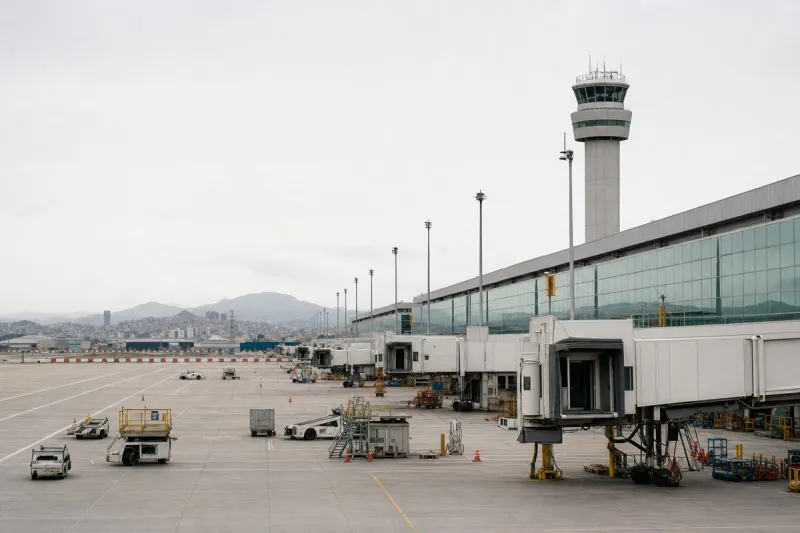
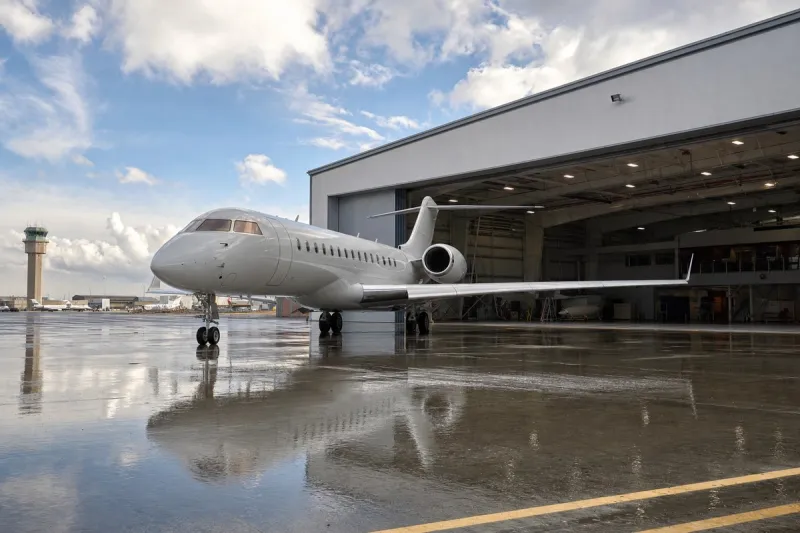
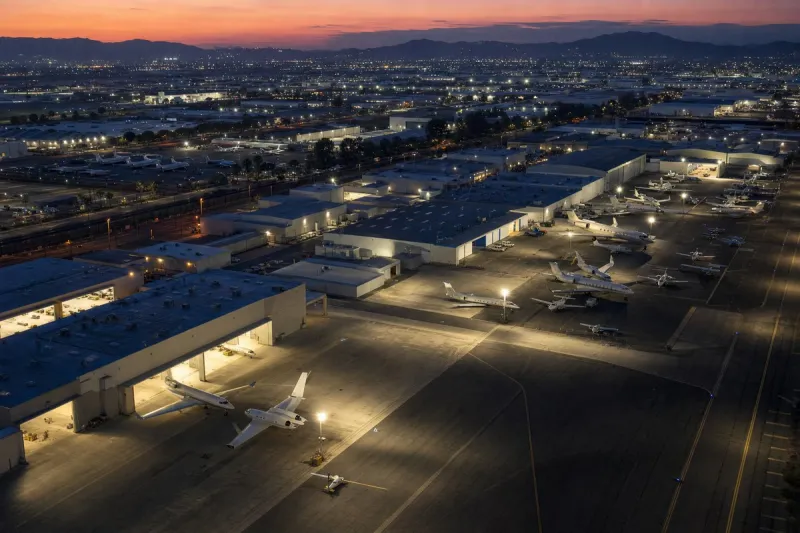
The biennial MEBAA Show will take place at Dubai World Central (DWC) from 8 to 10 December, bringing together more than 115 confirmed exhibitors, a static aircraft display from leading OEMs and operators, and a conference programme including BizAv Talks featuring data analysis from WINGX. The event will also include an evening Runway Party on the static display on the first day.

WINGX data cited alongside the show announcement shows business jet traffic in the Middle East grew 13% following Saudi Arabia's General Authority of Civil Aviation (GACA) decision in May 2025 to open its domestic market to foreign operators. On-demand charter flights in the region grew 16%, domestic flights in Saudi Arabia rose 18% year-on-year and now account for nearly half of all private aviation activity in the country, and Saudi-to-UAE routes captured 14% of total regional traffic, growing 6% year-on-year.
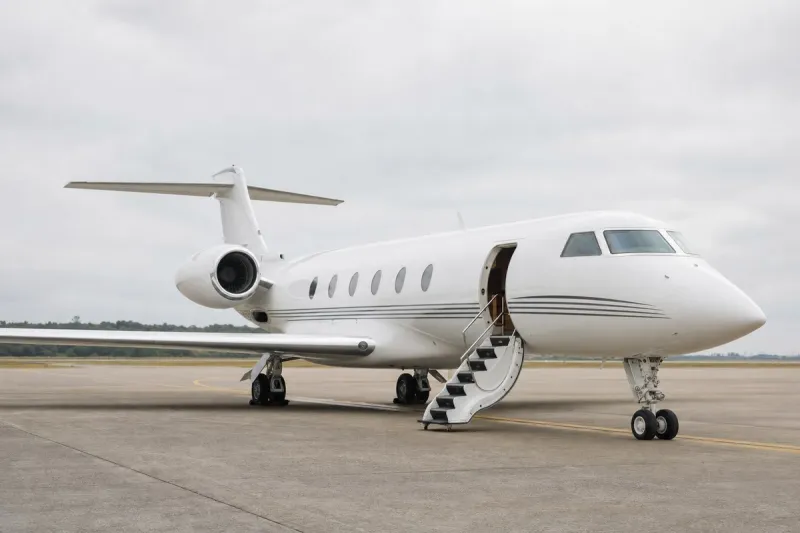
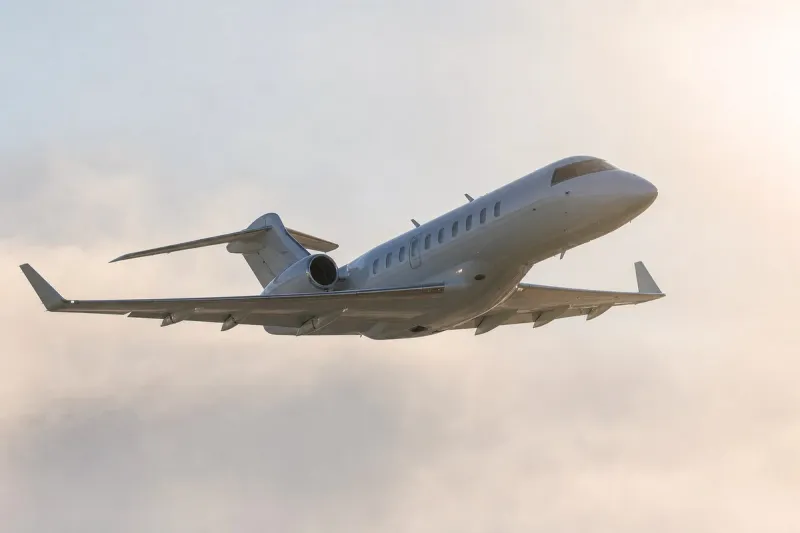
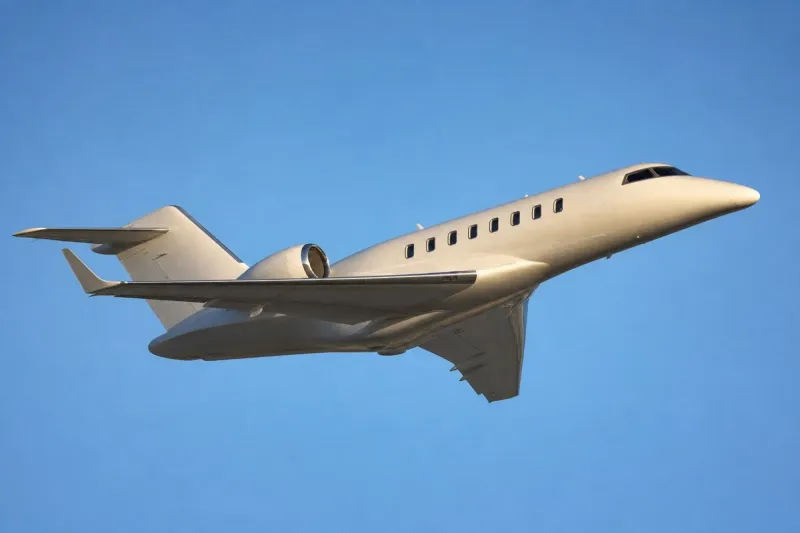
The UAE remains the dominant hub for regional business aviation, alongside its economy growing 3% in the first quarter of 2026 to reach AED 485 billion ($132 billion). Two-thirds of all Middle East business jet traffic is operated by heavy and ultra long-range jets; the Gulfstream G700 recorded 50% growth in the region, the Bombardier Challenger 600/601/604/605/650 platform accounts for 10% of departures, and the out-of-production Hawker 700/750/800/850/900 series ranks third at 9% of departures, up 5% this year. On-demand charter represents 42% of regional traffic, aircraft management 24%, private flight departments 14%, and fractional ownership 2%, compared with 16% in Europe.
In July 2025, Saudi Arabia's The Helicopter Company (THC) announced a firm order for 12 Bombardier aircraft — five Challenger 3500, five Global 5500 and two Global 8000 — plus purchase options on 48 additional aircraft, marking its entry into fixed-wing operations. Gama Aviation inaugurated a new business aviation centre at Sharjah earlier this year, adding slots, parking capacity and infrastructure for electric helicopter and eVTOL operations. Turkey's LTAC Ankara Esenboğa Airport ranked as the third-busiest airport for business aviation in the Middle East and EMEA region, handling 7% of all Middle East departures, up 14% year-on-year, and Baykar acquired Italy's Piaggio Aerospace last year, returning the Avanti pusher-prop turboprop to production after a six-year halt.
Fleet mix and traffic patterns
The traffic data points to a market weighted toward larger, longer-range equipment: heavy and ultra long-range jets carry two-thirds of departures, and an out-of-production platform like the Hawker series still holding 9% of departures alongside a modern type like the Gulfstream G700 suggests demand is spread across both legacy and current-generation cabins rather than concentrated in new deliveries alone.
The ownership-model split — on-demand charter at 42%, management at 24%, flight departments at 14%, fractional at 2% — shows a region still organised around charter and managed fleets, with fractional ownership far below the 16% share reported in Europe.
Industry impact & what to watch
The Saudi market opening is the clearest driver in the data: a single regulatory decision by GACA correlates with double-digit growth across charter, domestic flying and cross-border Saudi-to-UAE routes within roughly a year, illustrating how quickly liberalised access can move traffic in a region where market entry has historically been tightly controlled.
The low fractional-ownership share relative to Europe indicates the Gulf's private aviation economy still runs primarily on charter brokers and aircraft management contracts rather than shared-ownership programmes, a structural difference that shapes which operators and OEMs benefit most from continued growth. The THC order for Bombardier fixed-wing aircraft alongside its existing helicopter operations, and Baykar's revival of the Piaggio Avanti line, both signal manufacturers and operators positioning fleets around this charter-and-management-heavy demand rather than betting on fractional uptake.
What happens at the December show, including how exhibitors and the BizAv Talks conference frame the Saudi liberalisation trend, will indicate whether other regional regulators face pressure to follow GACA's approach, and whether the UAE's hub dominance holds as Saudi domestic and cross-border traffic continues to build.