New Luxury Turboprops — Beechcraft Denali, Pilatus PC-12 Pro, TBM 980 — Challenge Private Jets on Comfort and Capability
Why It MattersAs turboprops adopt jet-level cabins, satellite connectivity, and advanced avionics, buyers gain a lower-cost alternative for remote and short-runway missions that jets cannot easily serve.
What happened
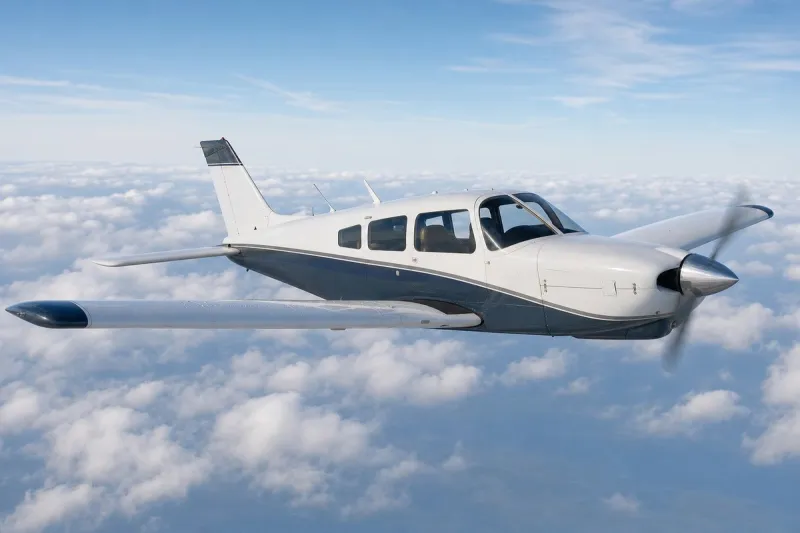
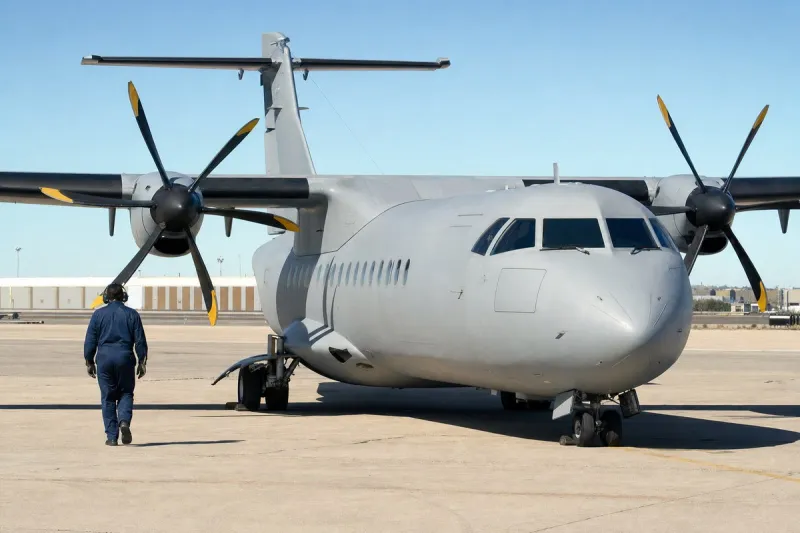
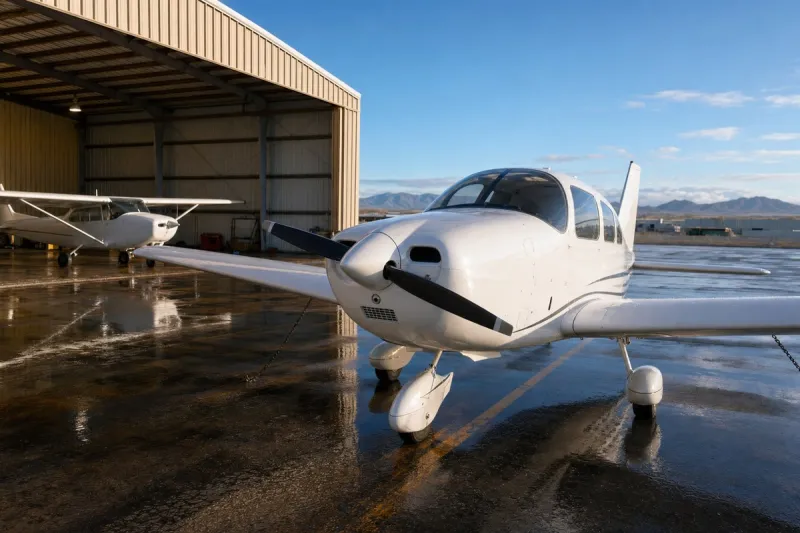
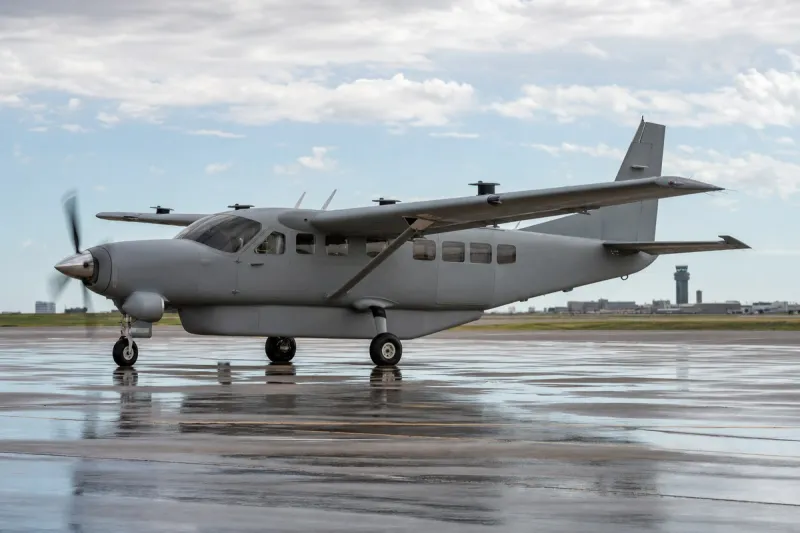
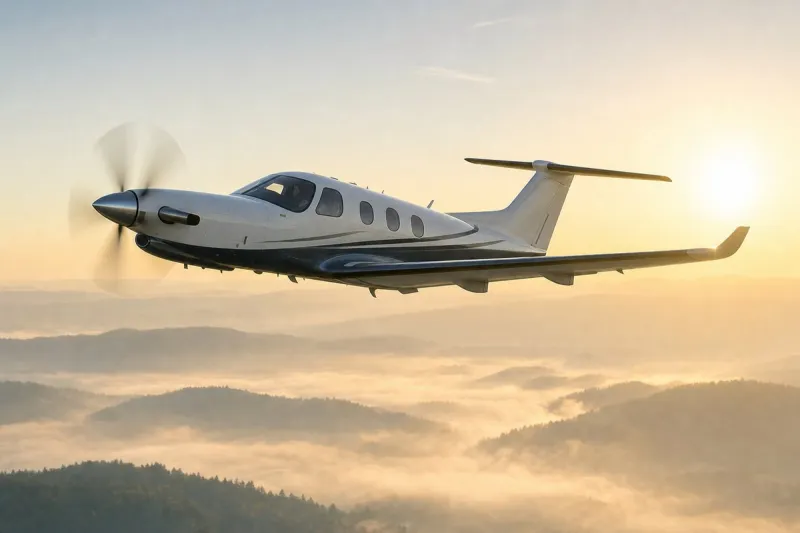
A new generation of high-end turboprop aircraft is narrowing the gap with private jets on cabin comfort, avionics, and operational flexibility, according to industry analyst Brian Foley and executives from leading manufacturers. The aircraft leading the shift include the dual-engine Beechcraft King Air 360ER and three single-engine models: the Beechcraft Denali, the Pilatus PC-12 Pro, and the Daher TBM 980.
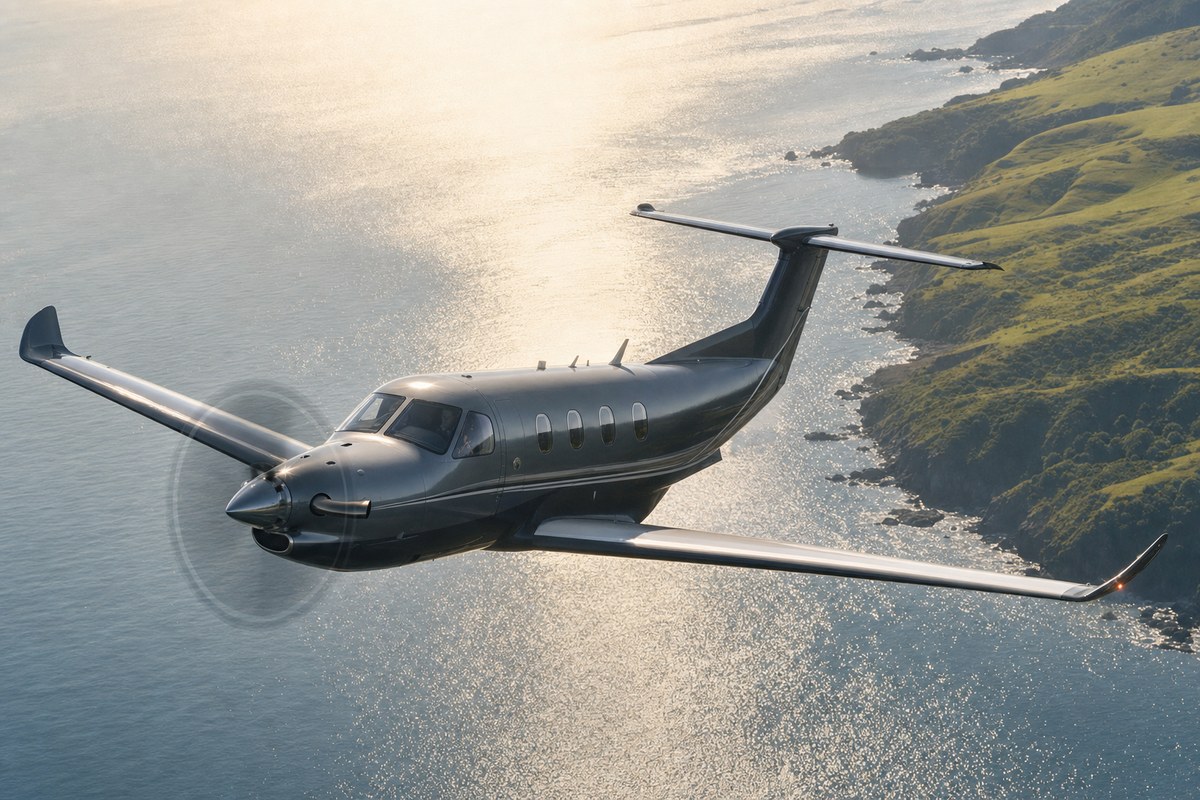
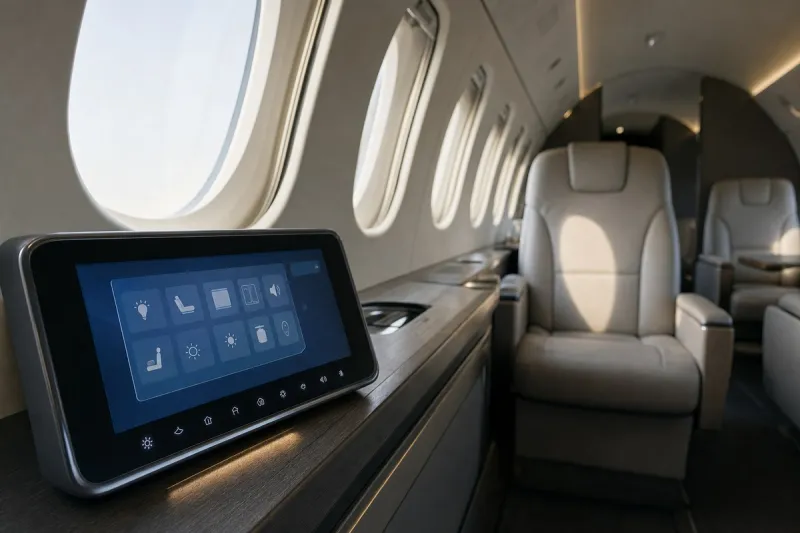
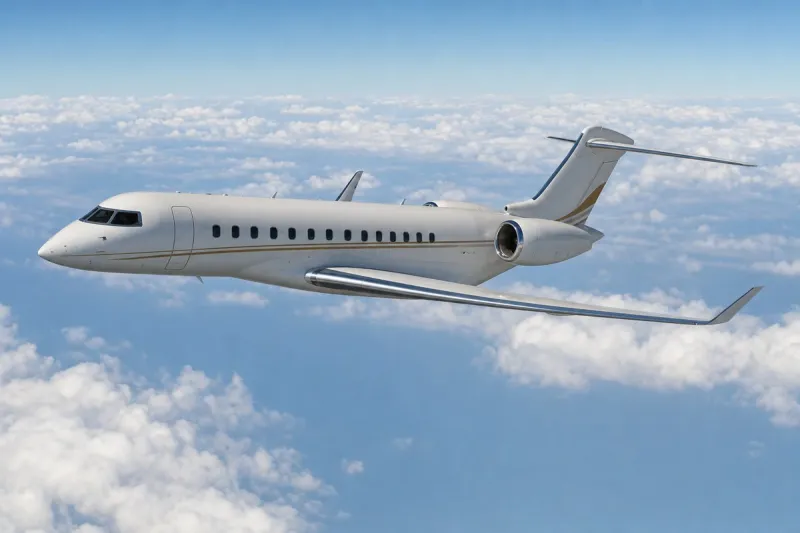
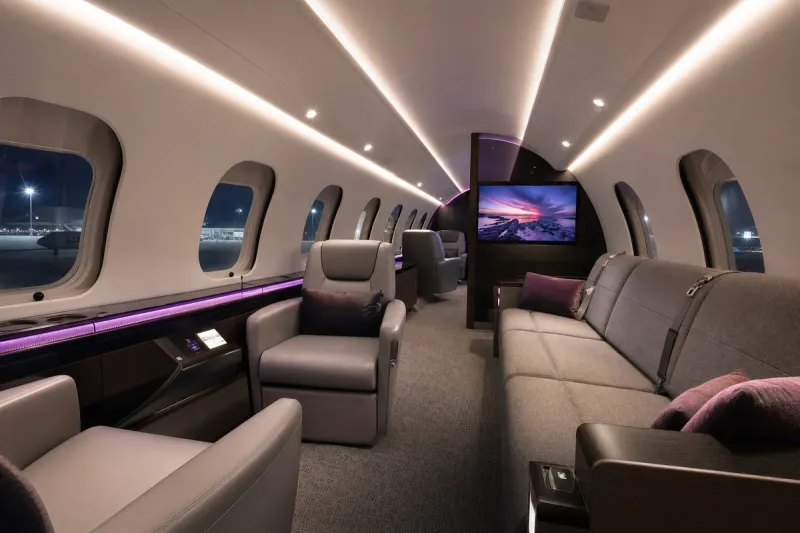
Foley likens their versatility to "a rugged SUV," noting they can operate from short, high-altitude, and unimproved airstrips where turboprops are better suited than jets. "A person might have the resources to jet around. But when they want to do some mountain-type flying, remote-type flying, these aircraft would fit the bill better than a jet would," Foley says. Pilatus redesigned the PC-12 Pro's interior with BMW's Designworks consultancy, incorporating improved exterior visibility, new storage spaces, and taller, fully reclining, hand-stitched-leather executive seats. The Beechcraft King Air also offers premium, customizable cabin materials, and all of the featured models integrate satellite internet for uninterrupted streaming, phone calls, and video calls in flight.
Both Pilatus and Daher have upgraded their cockpits with the Garmin G3000 Prime avionics system. Michel Adam De Villiers, Daher Aircraft's vice president of sales, said the system provides "a more intuitive way to control the airplane with more touch-screen surfaces," fewer menus, and larger secondary displays for greater situational awareness. Garmin's Autoland feature adds a safety layer: in the event of pilot incapacitation it will broadcast an emergency signal, assess surrounding weather, select an airport, communicate with the control tower, and execute a complete full-stop landing.
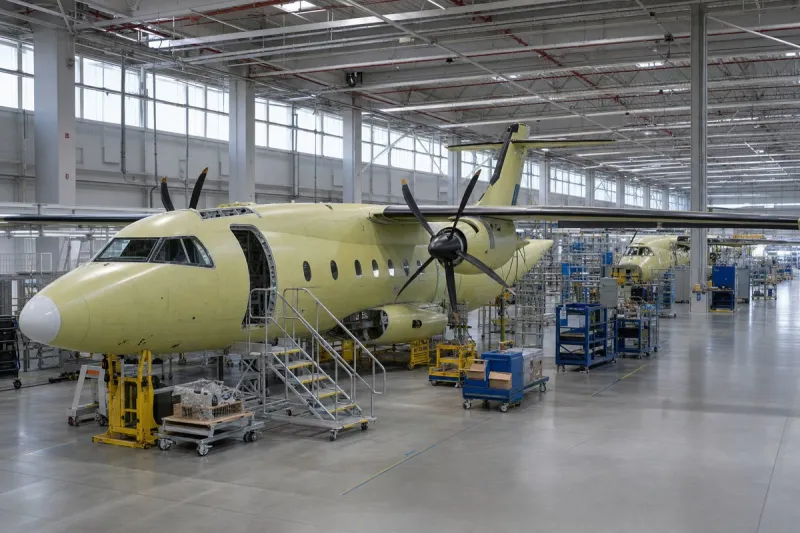
The all-new Beechcraft Denali is expected to enter service next year, powered by G.E. Aerospace's new Catalyst engine, which promises 10 percent higher cruise power, almost 20 percent lower fuel consumption, reduced emissions, greater durability, and longer range. "That could be a real game changer," Foley says.
Industry impact & what to watch
This wave of upgrades shows single- and twin-engine turboprops absorbing features once reserved for private jets — bespoke cabin design, satellite connectivity, and touch-screen avionics — while retaining the short-field and unimproved-runway capability that jets lack. That combination lets turboprops compete on comfort for buyers whose missions still require remote or high-altitude access rather than pure speed or range.
The segment's economics depend on engine performance translating into lower operating cost without sacrificing capability, which is why the Catalyst-powered Denali is the case to watch most closely. Foley's own framing of it as a potential "game changer" signals that its entry into service next year, and how its fuel-consumption and range gains compare to existing single-engine turboprops, will be the clearest test of whether this generation genuinely narrows the jet-comfort gap or simply refines what turboprops already offered.