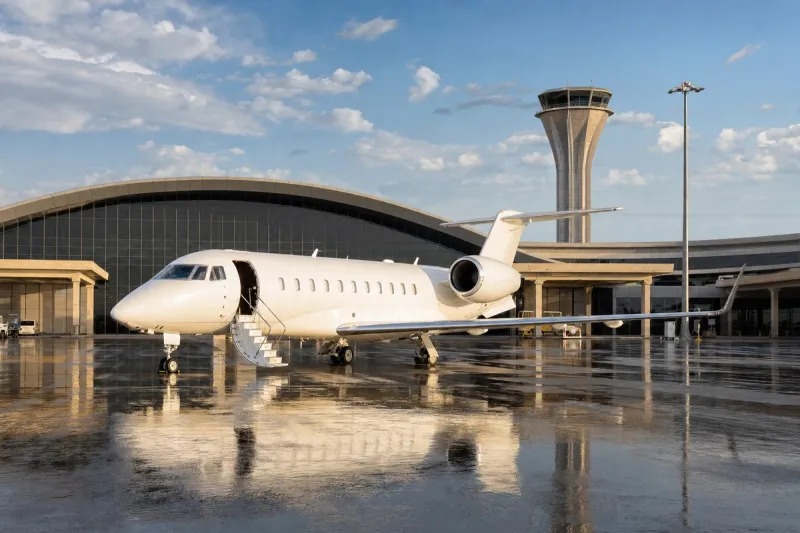
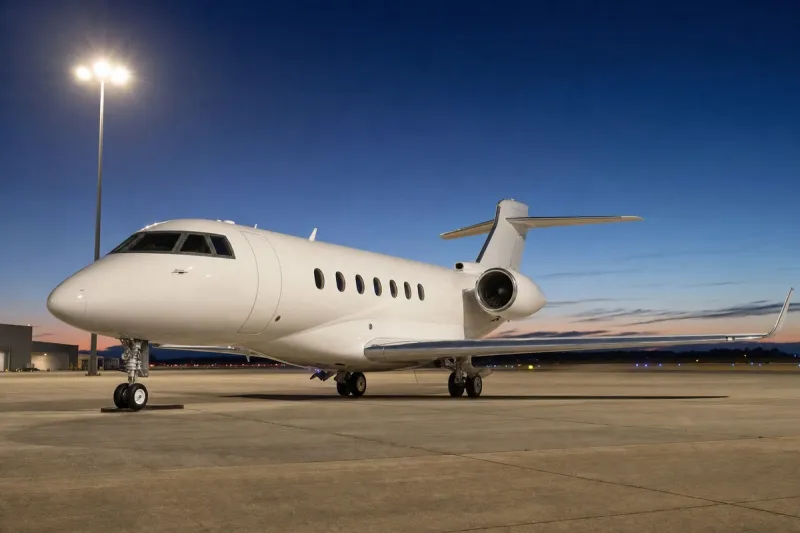
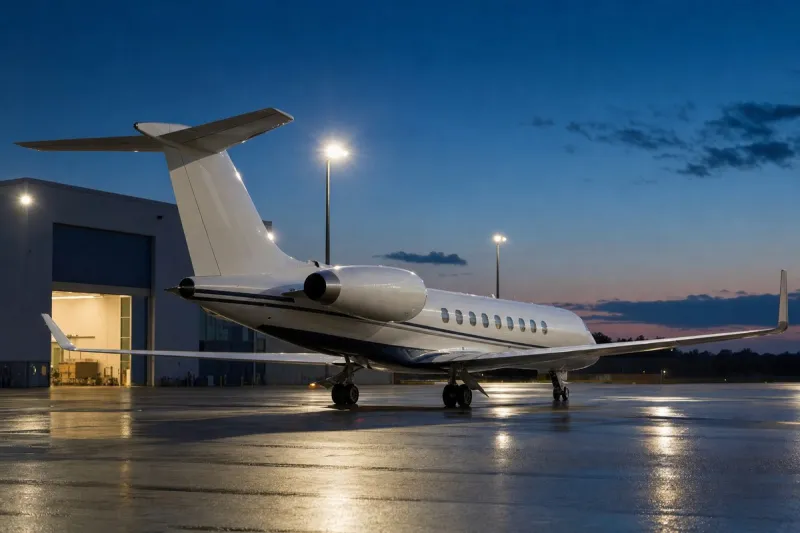
Pennsylvania Business Aviation Fleet Totals 420 Jets and Turboprops, Skewing Newer Than Regional Peers
Why It MattersStatewide fleet data shows ownership concentration and aircraft age can diverge sharply between metro hubs and secondary markets, shaping where charter capacity and resale inventory actually cluster.
What happened
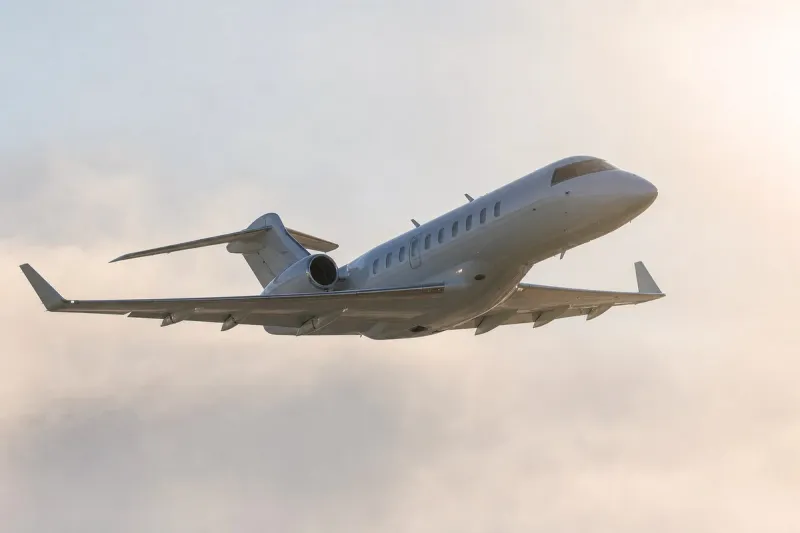
Pennsylvania's business aviation fleet totals 420 business jets and turboprops, excluding piston aircraft, helicopters, and airliners, according to a statewide count spread across two metropolitan poles and a secondary corridor of mid-state cities. The average manufacture year across the fleet is 2007, with a median of 2008; 137 aircraft (33 percent) were built in 2015 or later, and 54 aircraft (13 percent) predate 1990. Ownership is overwhelmingly outright, with 408 aircraft (97 percent) wholly owned and 11 (3 percent) in shared ownership; fractional-program aircraft are effectively absent from the count.
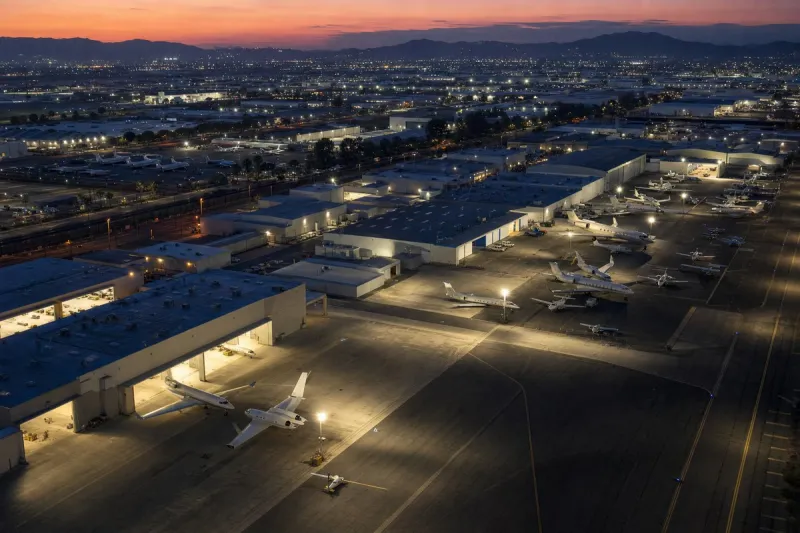
Of the 420 aircraft, 404 have a listed home base across 43 airports. The greater Pittsburgh cluster — Pittsburgh International, Allegheny County, Arnold Palmer Regional (Latrobe), and Washington County — holds 102 aircraft, or 25 percent of the based fleet. The greater Philadelphia cluster — Philadelphia International, Northeast Philadelphia, Chester County, and Wings Field — holds 73 aircraft, or 18 percent. Together the two metro areas account for 43 percent of based aircraft, with the remainder spread across Lehigh Valley, Reading, and the Harrisburg-area airports.
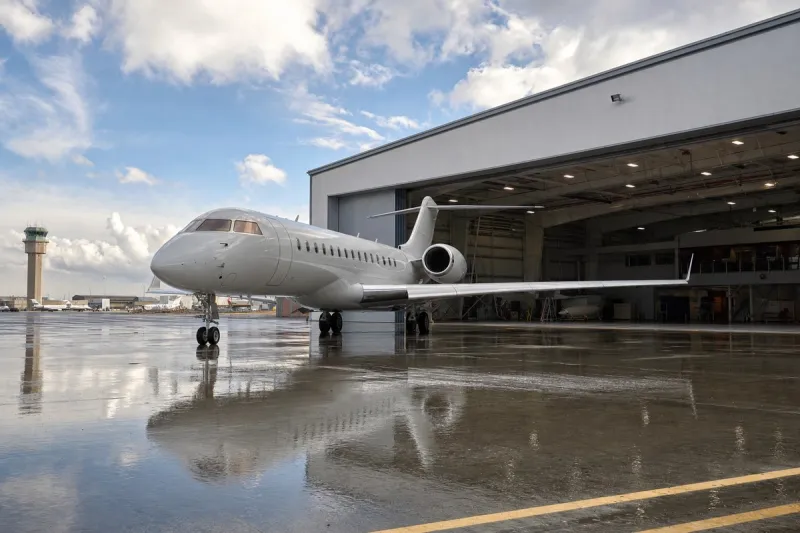
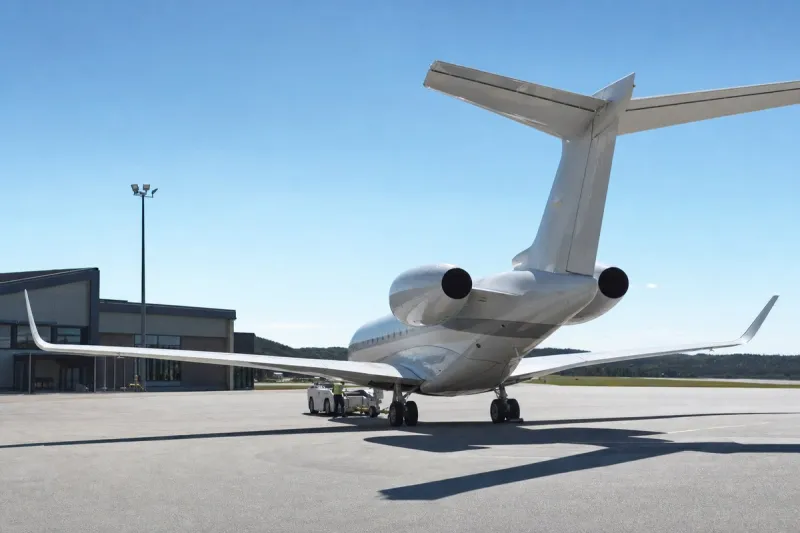
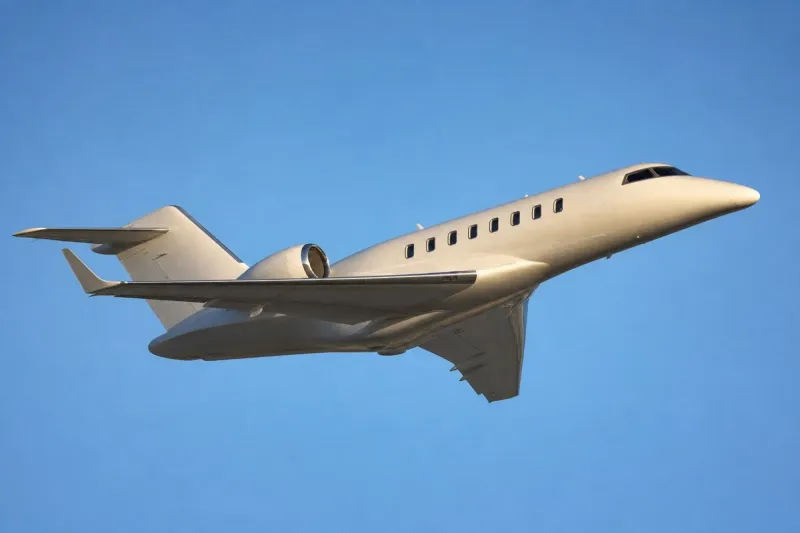
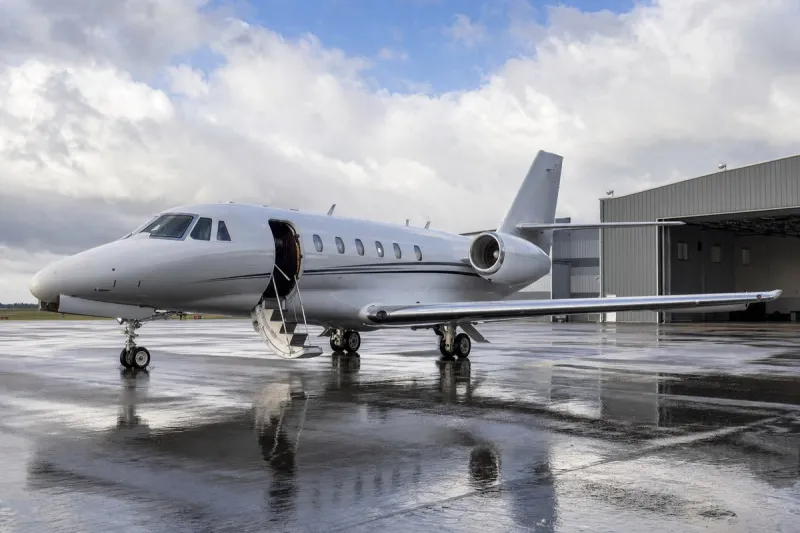
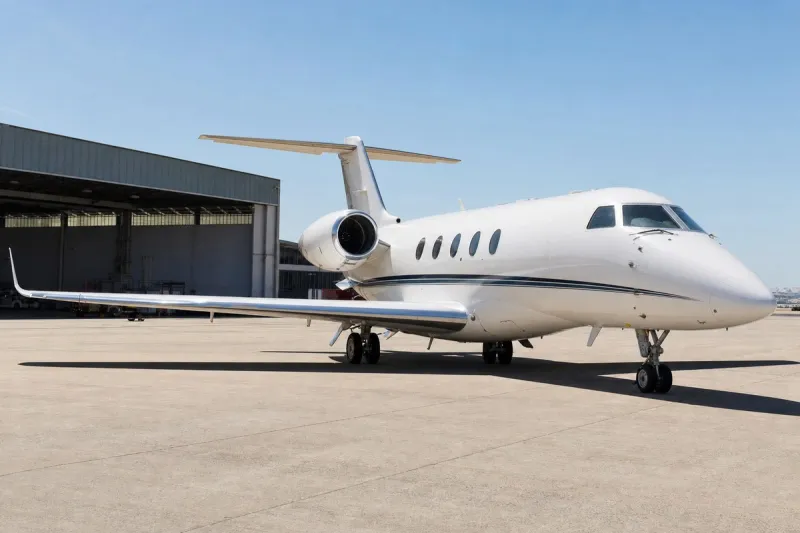
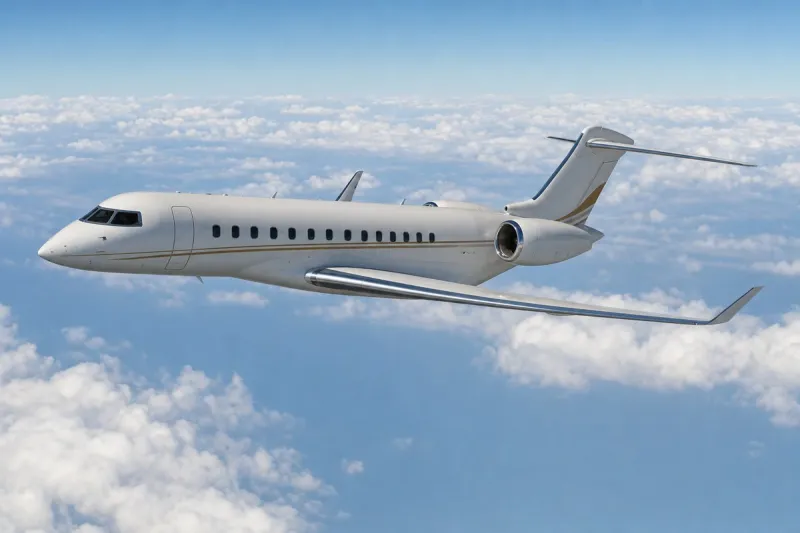
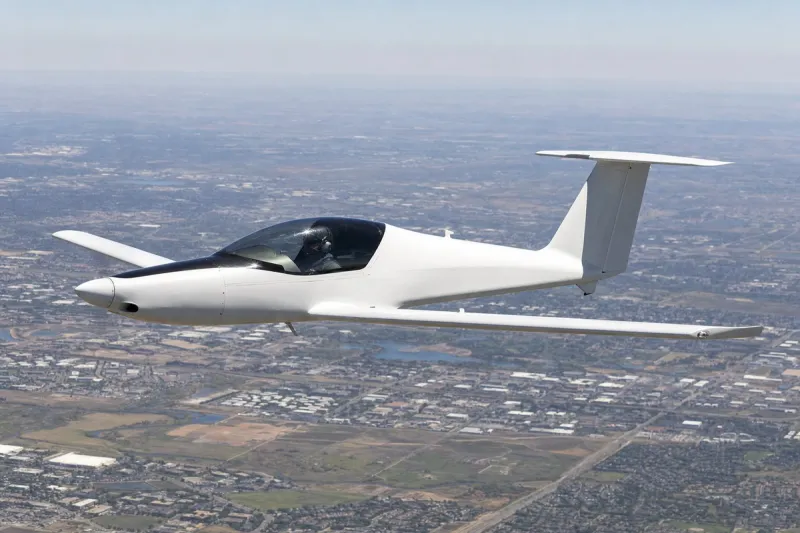
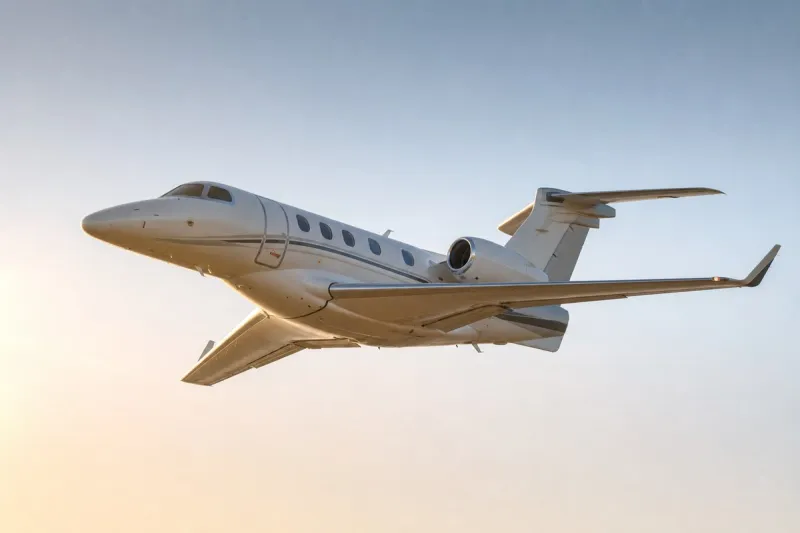
Citation leads the fleet by manufacturer with 106 aircraft, 25 percent of the total, followed by Gulfstream (43), Pilatus (41), King Air (32), Challenger (28), Hawker (21), Socata (19), Learjet (18), Falcon (17), and Caravan and Cirrus tied at 14 each. No single model exceeds 4 percent of the fleet; the top models are the Pilatus PC-12/45 (16), Pilatus PC-12 NG (11), Citation XLS+ (10), Citation CJ3 (10), Gulfstream G550 (10), Challenger 604 (9), Hawker 400XP (9), Cirrus Vision SF50 G2+ (9), Gulfstream G280 (9), and King Air B200 (9). Thirty-five aircraft, about 8 percent of the fleet, are currently listed for sale or available on inquiry, with the Challenger 604 carrying the most listings of any single model at three.
The operator landscape spans 285 distinct operators across the 420 aircraft. Quest Diagnostics, Inc. is the largest, operating 16 aircraft as a corporate in-house flight department, followed by Aircraft Management Group, Inc. (13), L.J. Aviation (11), Holman Leasing Systems, Inc. (7), RSB Investments, LLC (7), Rosado Aviation, Inc. (6), Sunset Aviation, LLC (6), and Aero-Tech Services, Inc. (6); even the largest operator controls less than 4 percent of the statewide fleet. Among aircraft with recorded flight-hour data, the average airframe has logged just under 4,400 total flight hours. By usage, 320 aircraft (76 percent) are flown for business purposes, 61 (15 percent) operate under charter, and 11 are used for medical or air-ambulance missions.
Industry impact & what to watch
A fleet averaging a 2007 manufacture year with a third built since 2015 points to a market where owners have been trading into newer airframes at a steady clip, a pattern distinct from regions where legacy iron dominates. The near-total absence of fractional aircraft alongside 97 percent outright ownership indicates a base of corporate and private buyers who prefer direct control over shared-access programs, which in turn concentrates maintenance, staffing, and resale decisions with individual owners and small operators.
The operator landscape reinforces that reading: 285 distinct operators across 420 aircraft, with no single operator holding more than 4 percent, means charter and management capacity in the state is fragmented across many small flight departments and management firms rather than concentrated in a few large fleets. That fragmentation, paired with 35 aircraft (8 percent) currently listed for sale, suggests turnover is driven by many individual transactions instead of block sales by a dominant lessor.
Whether the newer-than-peer age profile persists will depend on how the 137 post-2015 aircraft and the current for-sale inventory move through the market relative to each other, particularly around the Challenger 604 and Citation Sovereign listings that lead the resale count.