KKR Doubles Atlantic Aviation Valuation to $10B After $2B Facility Investment
Why It MattersThe deal signals that in FBO infrastructure, sustained operational investment in facilities and systems can compound valuation more durably than financial restructuring alone.
What happened
KKR has sold US fixed-base operator Atlantic Aviation at a valuation of roughly $10 billion, more than double the approximately $4.5 billion it paid when it acquired the company in 2021. KKR remains a major co-controlling shareholder following the transaction.

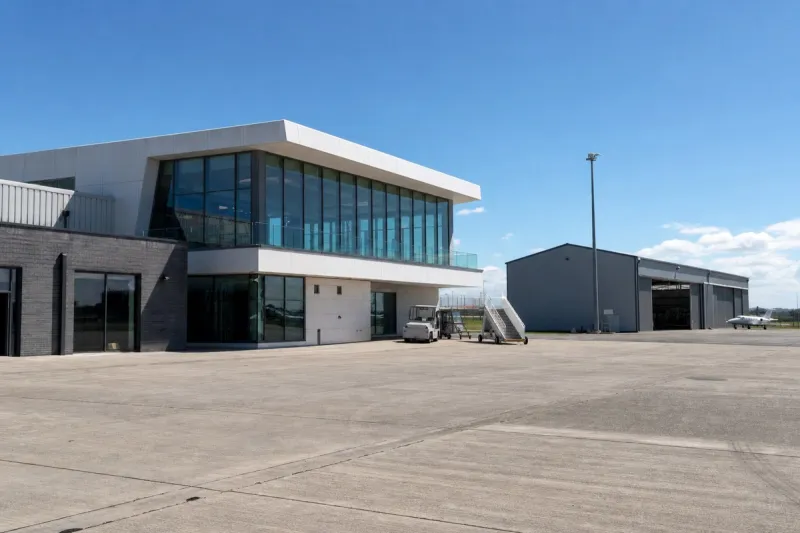
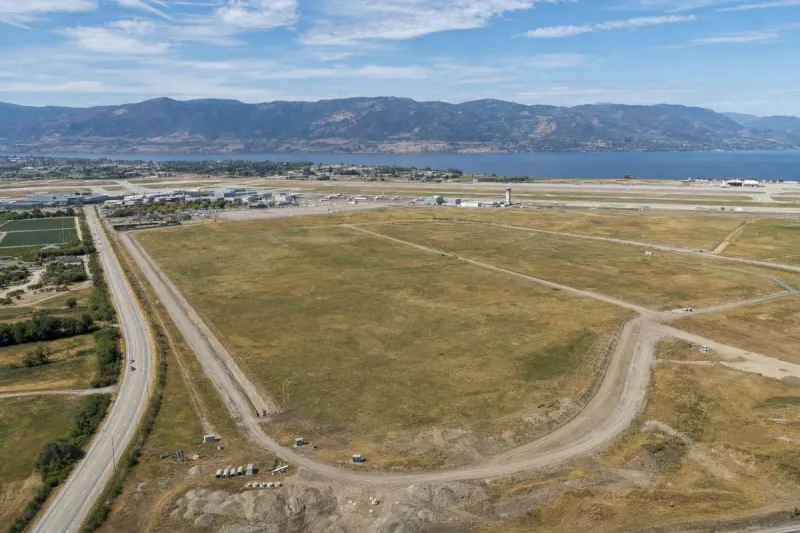
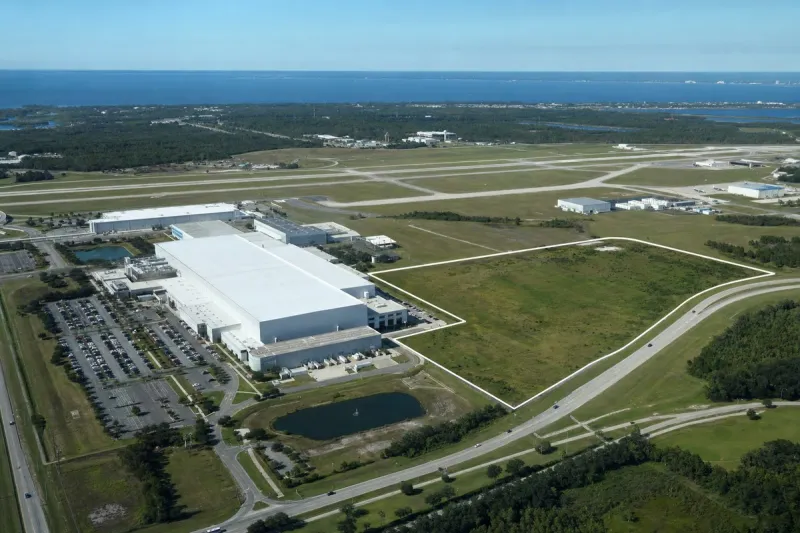
Over roughly four years, KKR invested nearly $2 billion — almost half the original acquisition price — into facility expansion and system upgrades. The investment grew Atlantic Aviation's network from 67 to 108 locations, with sites targeted near financial centres, affluent communities, and high-traffic event destinations including Las Vegas, Palm Beach, and Sun Valley, Idaho.
KKR acquired Atlantic Aviation near a pandemic low point, when private aviation demand was uncertain, betting that wealthy travellers would continue to choose private jets over commercial airlines. The firm overhauled the operator's disconnected back-office systems, centralised fuel procurement to reduce unit costs, and built a proprietary operating system that tracks each aircraft — from reservation to invoice — via its tail number. At Teterboro Airport near Manhattan, old hangars were demolished and replaced with new facilities to increase revenue per square foot.
In 2023, KKR appointed Jeff Poland, a former executive at United Airlines and Hertz, as chief executive officer to lead the integrated network.
Why FBOs matter as infrastructure
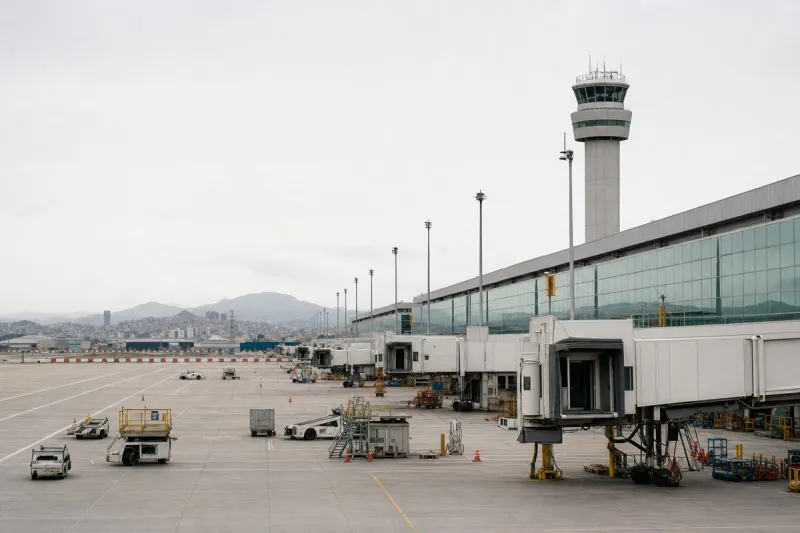
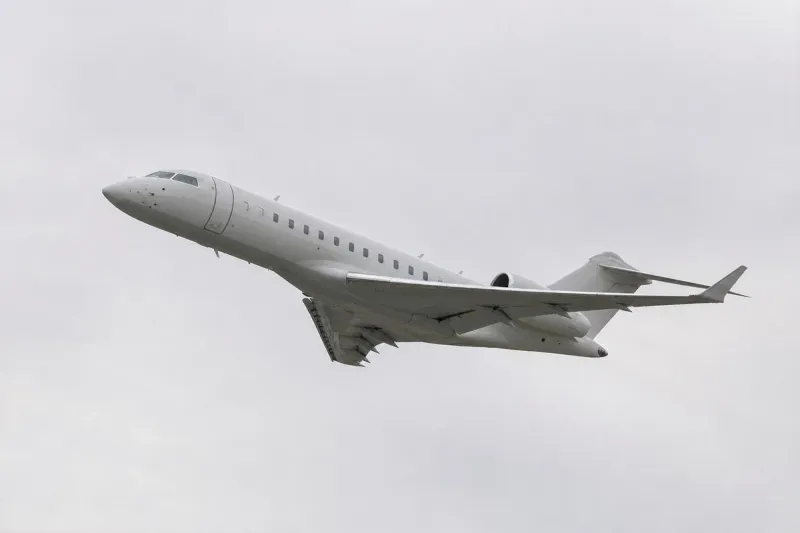
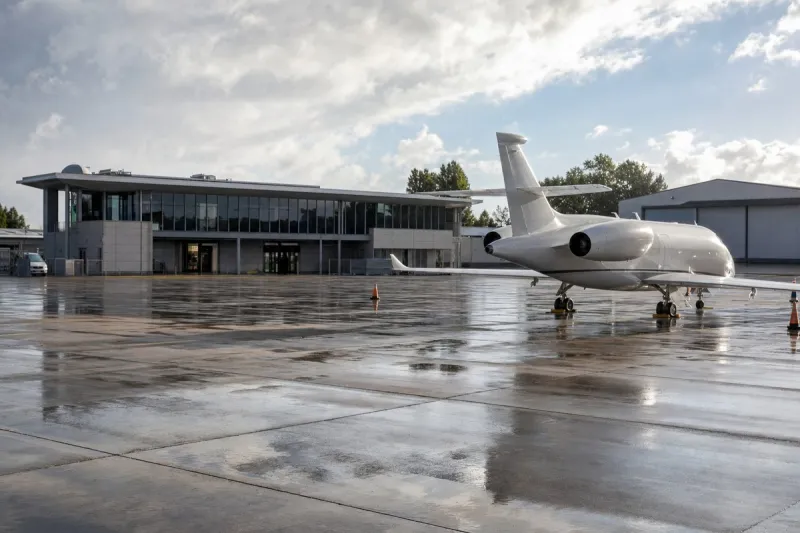
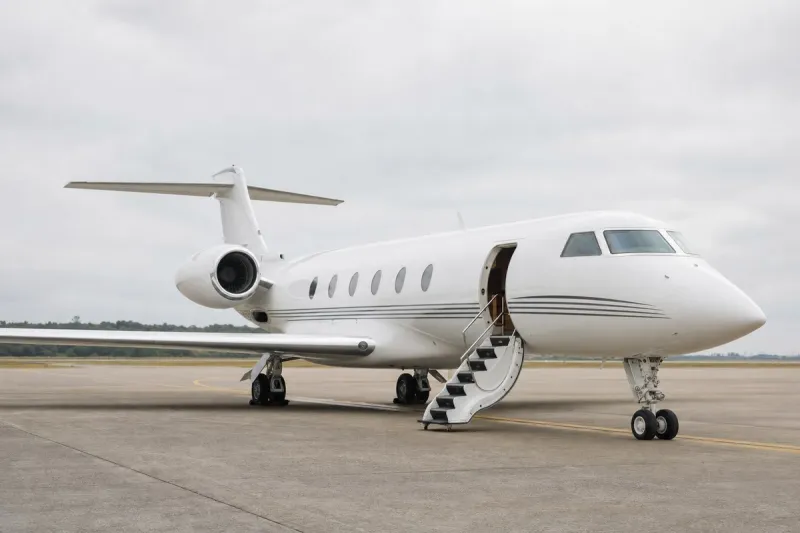
Fixed-base operators are private aviation terminals where charter jets and private aircraft refuel and receive maintenance. Because private aircraft cannot use standard commercial airport terminals, FBO networks are considered critical infrastructure for the private aviation sector.
The Atlantic Aviation deal is being cited as evidence that large-scale capital investment — not financial engineering alone — can drive substantial value creation in specialised infrastructure assets.
Industry impact & what to watch
This case illustrates a pattern in private aviation infrastructure where value creation comes from operational build-out — expanding physical footprint, upgrading systems, and centralising procurement — rather than solely from capital structure changes. FBO networks sit at a structural chokepoint: private aircraft need dedicated ramp, fuel and hangar access that commercial terminals do not provide, so ownership of well-located sites near wealthy population centres and event destinations carries pricing power that compounds as demand for private travel holds up.
The location strategy here — clustering near financial centres, affluent communities, and high-traffic events — points to where future FBO investment is likely to concentrate, and the Teterboro hangar rebuild shows how operators can lift revenue per square foot on existing sites rather than only through new locations. Whether KKR's continued co-controlling stake signals a longer hold or a staged exit, and how the new ownership structure affects further network expansion, will depend on disclosures still to come from the parties involved.