Bombardier in advanced talks with Saab to produce GlobalEye surveillance aircraft in Canada, CEO says
Why It MattersThe talks show how defence programs increasingly tie production location, government procurement and industrial-offset negotiations together, pushing suppliers to expand domestic manufacturing footprints to secure national orders.
What happened
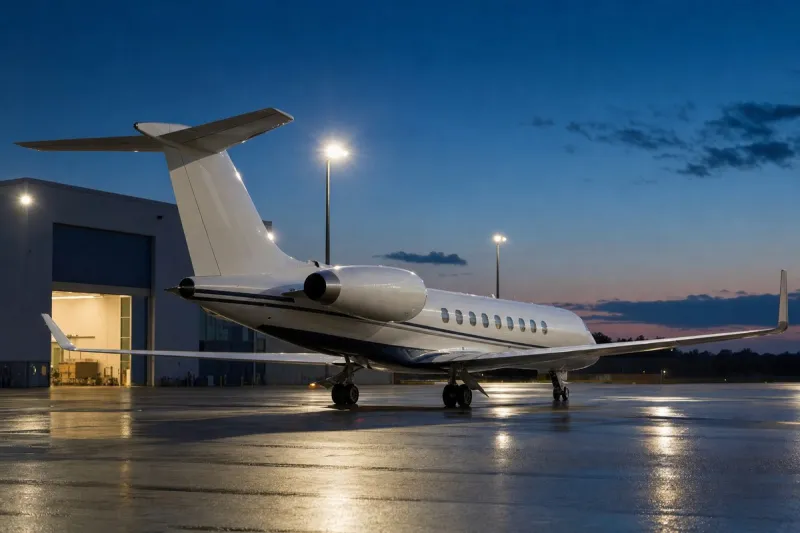
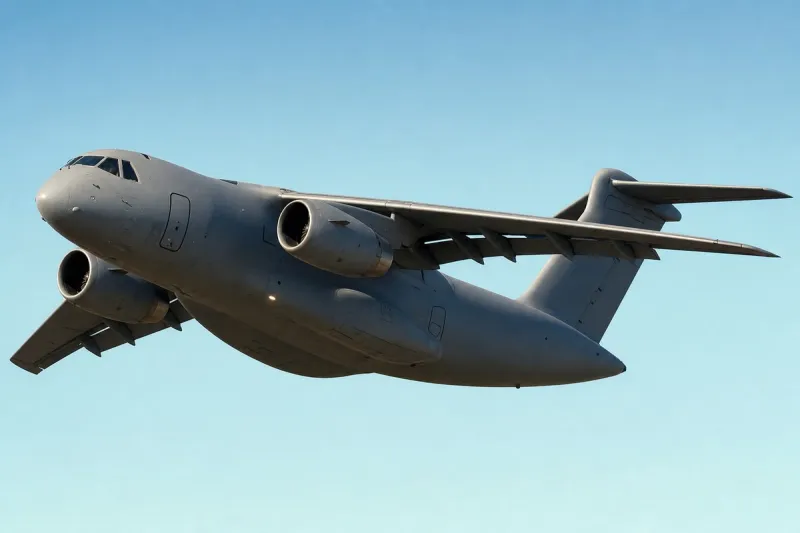
Bombardier Inc. is in advanced talks with Saab AB to produce the GlobalEye surveillance aircraft in Canada, with Chief Executive Éric Martel calling it the company's top priority. Speaking at a business event in Toronto on Friday, Martel said his team had been in Sweden the previous week and that Bombardier is "focused on building and finishing GlobalEye here in Canada."
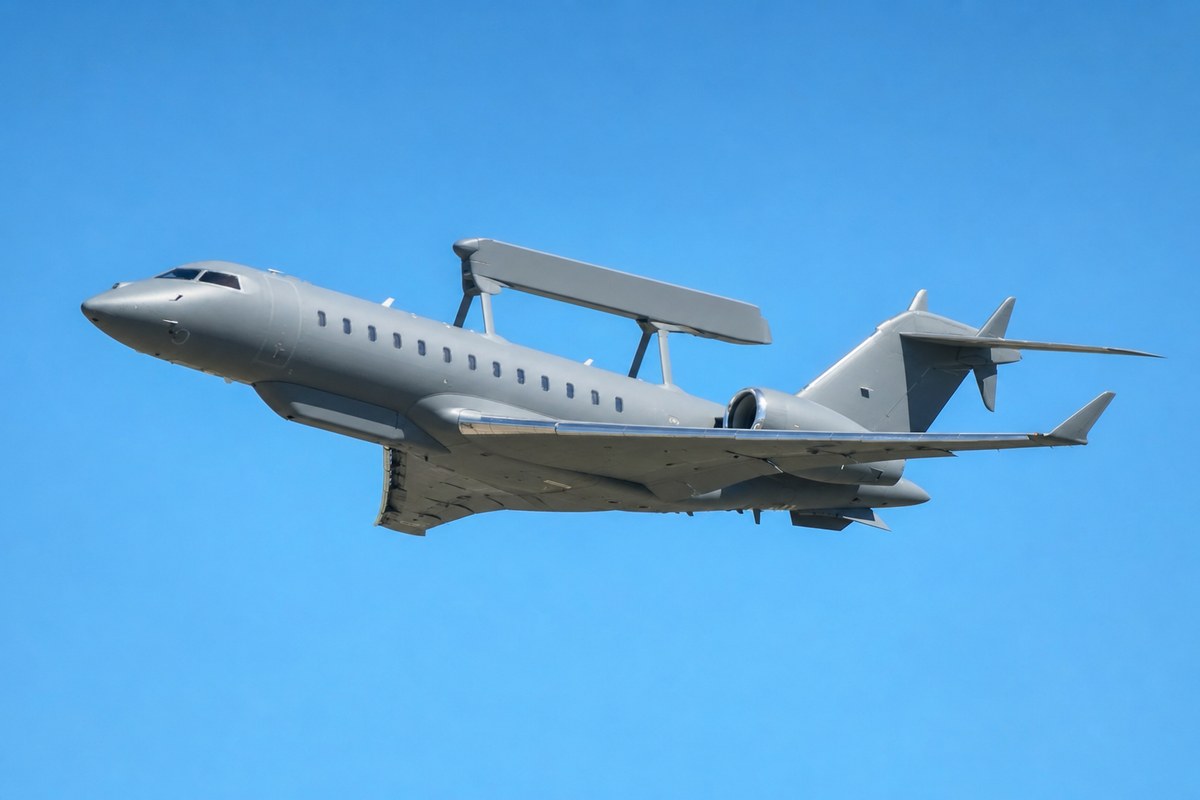
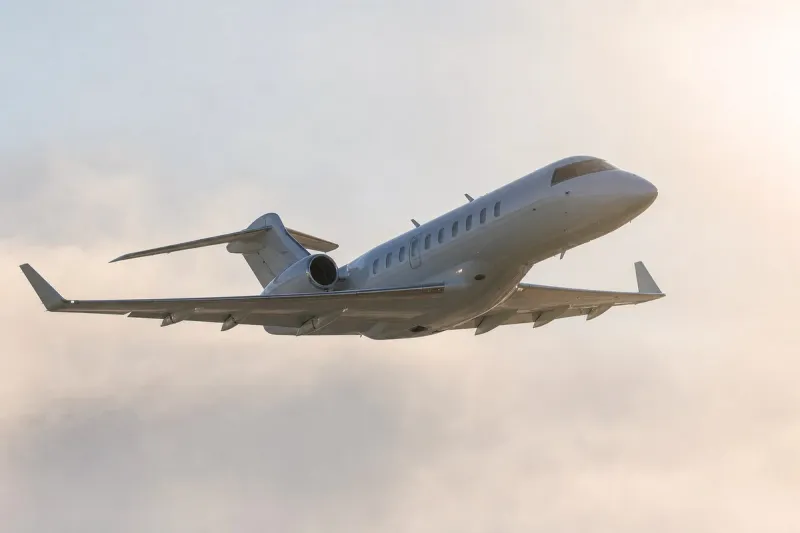
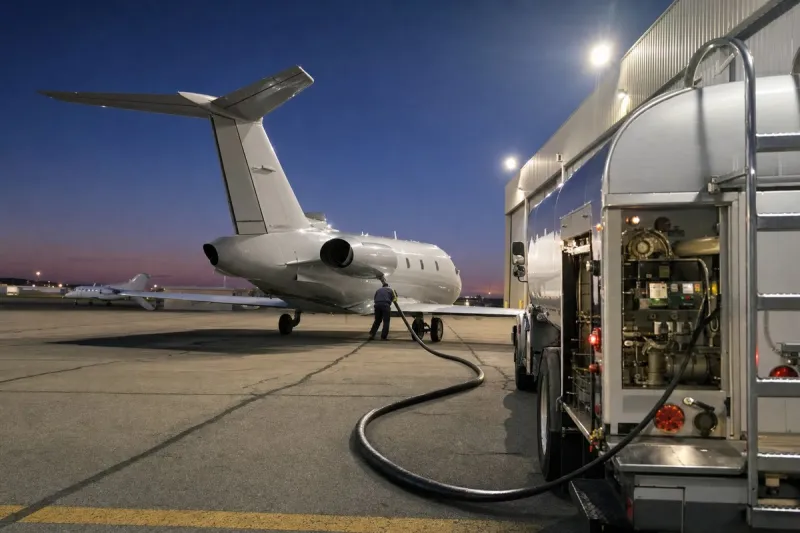
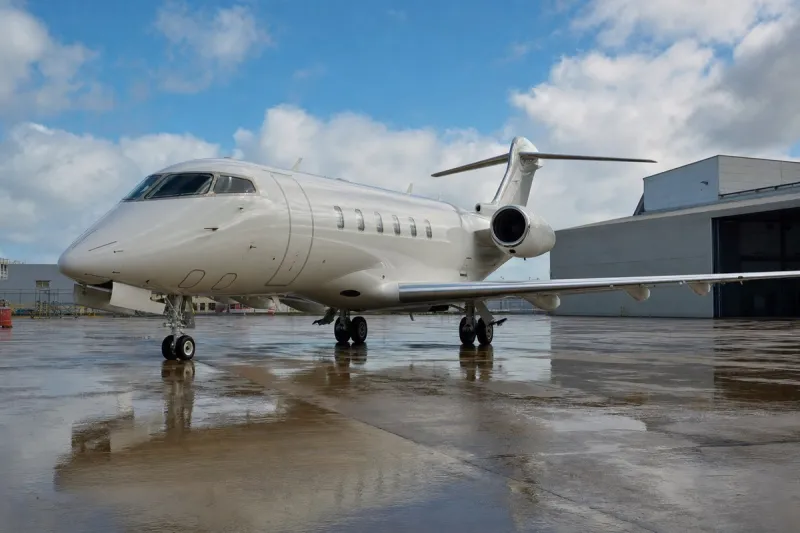
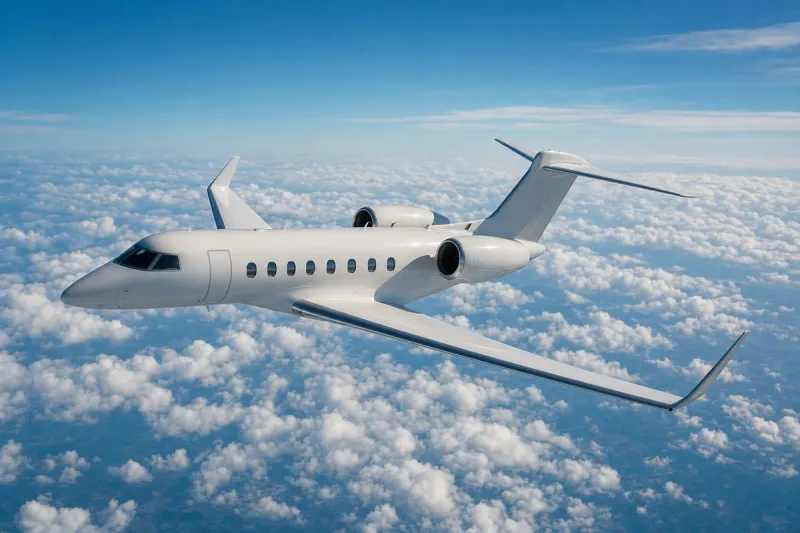
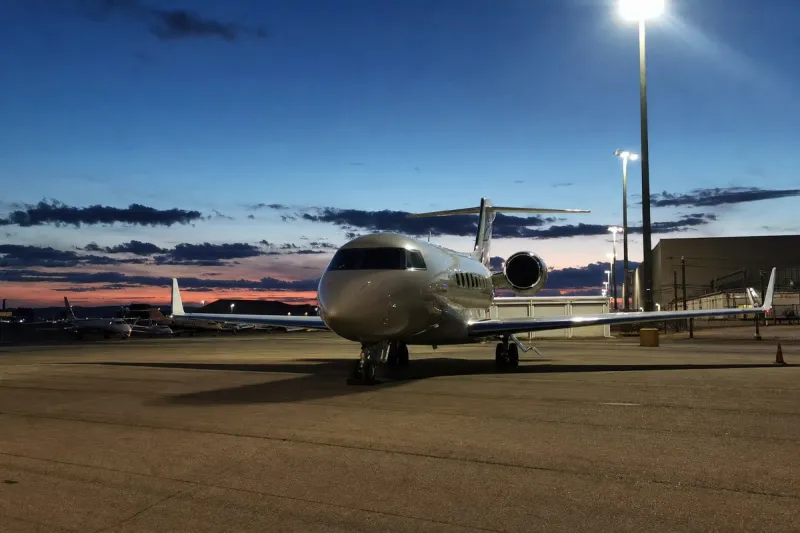
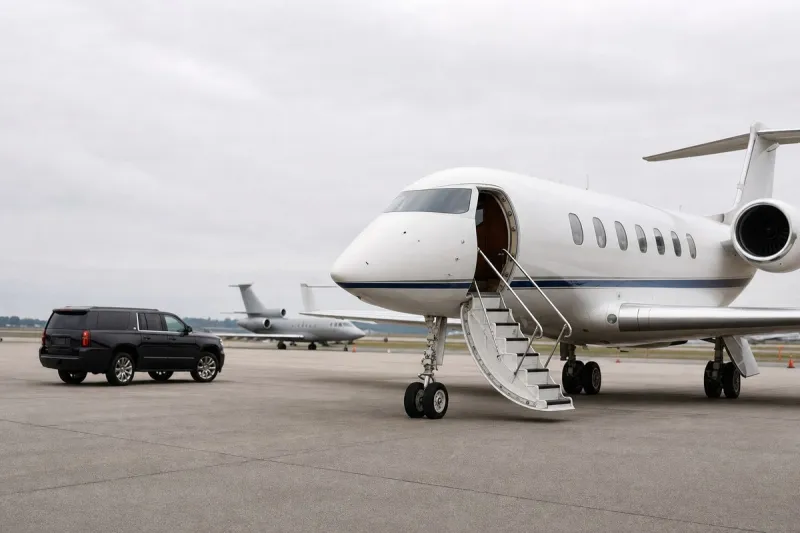
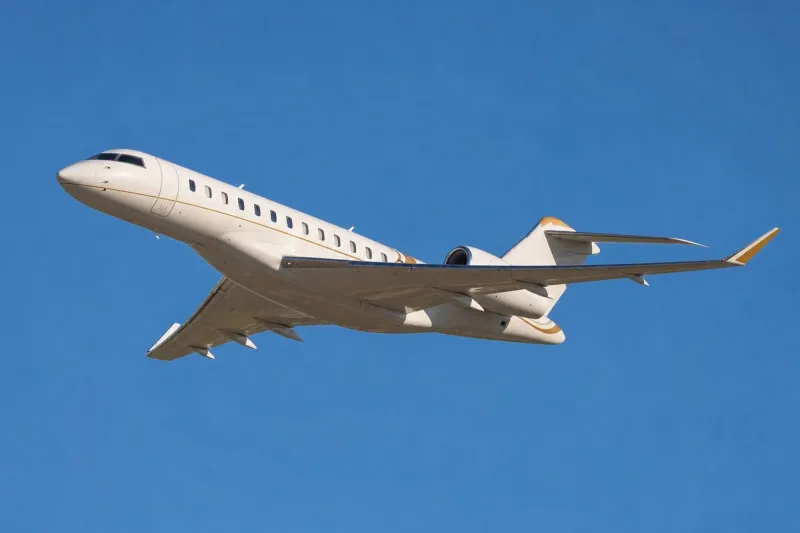
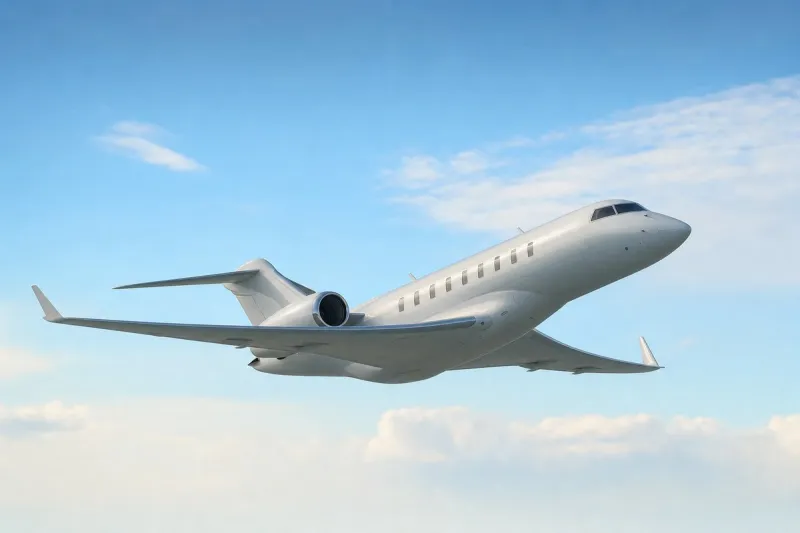
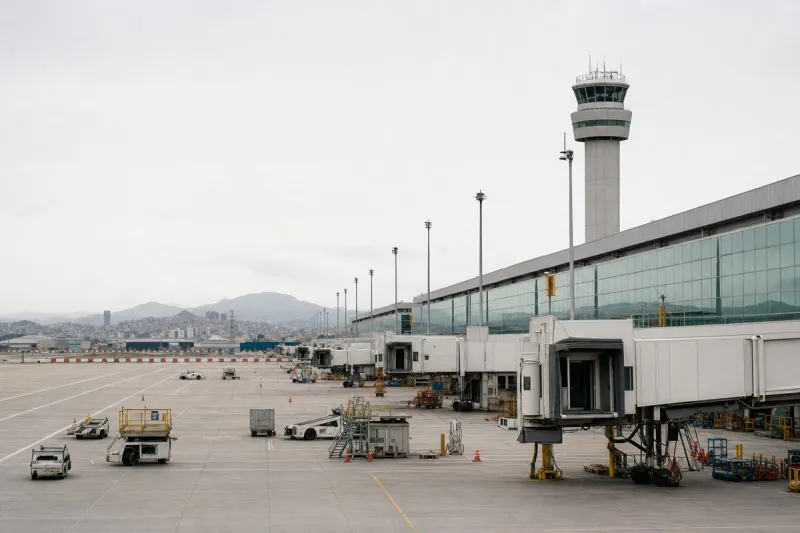
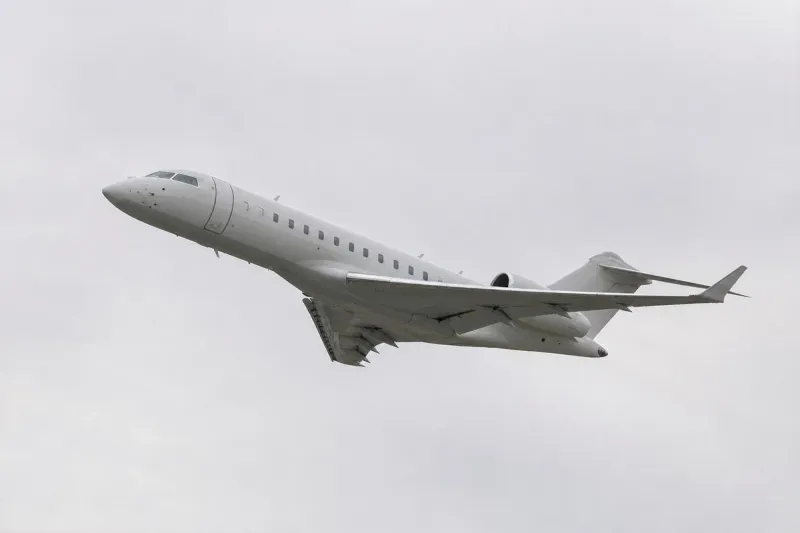
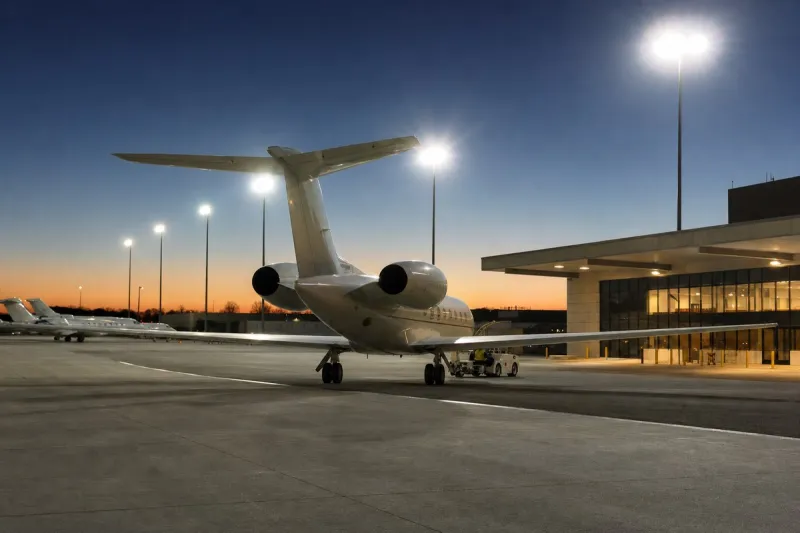
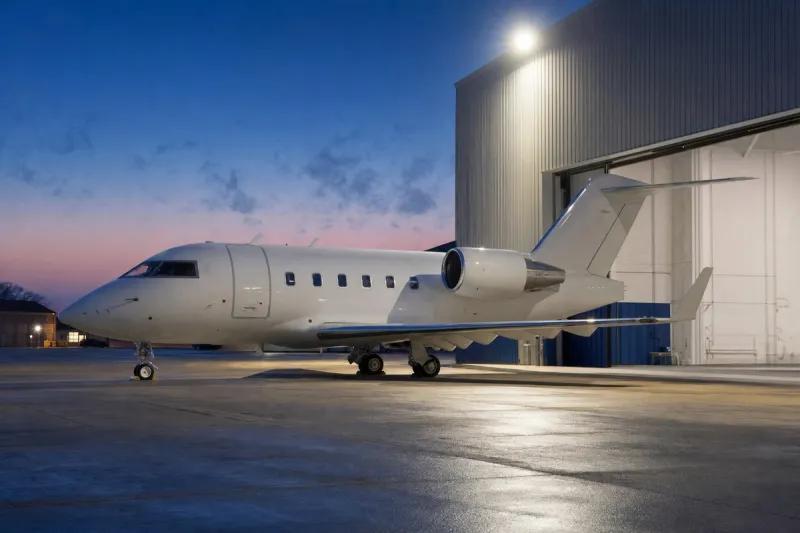
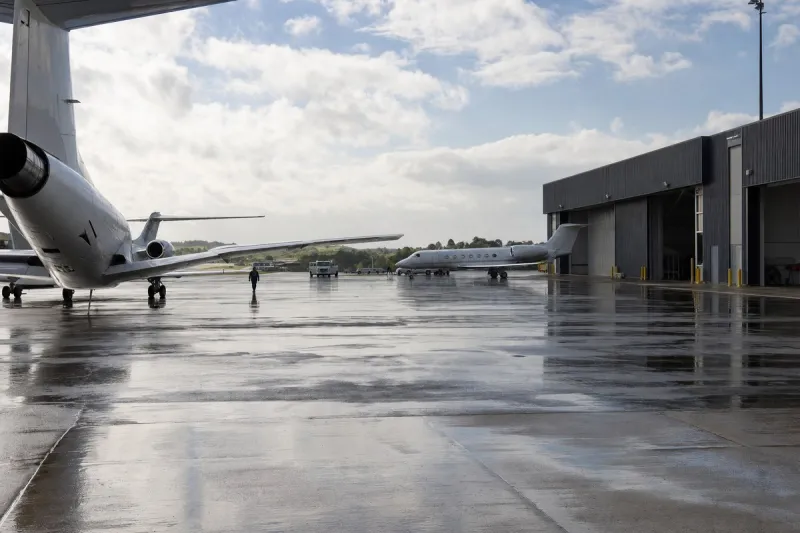
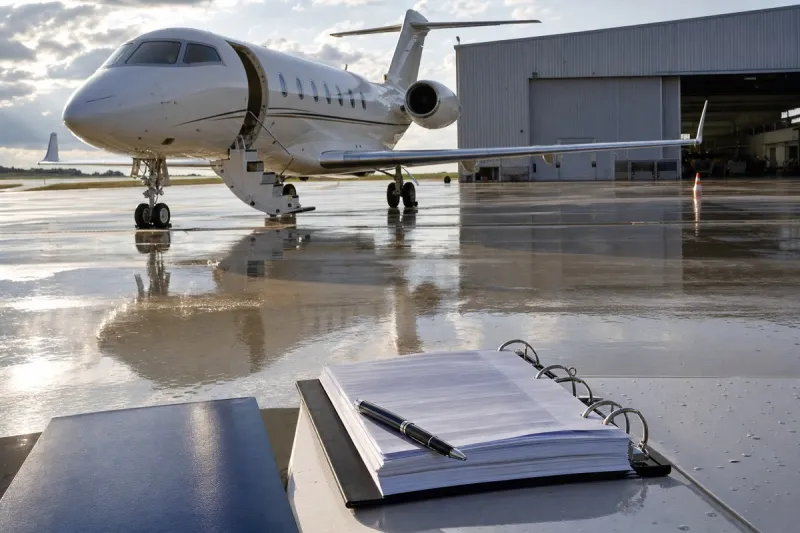
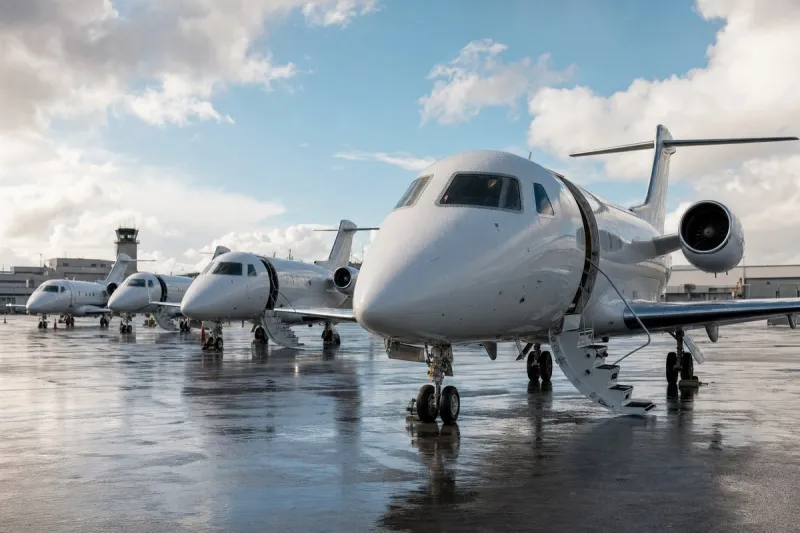
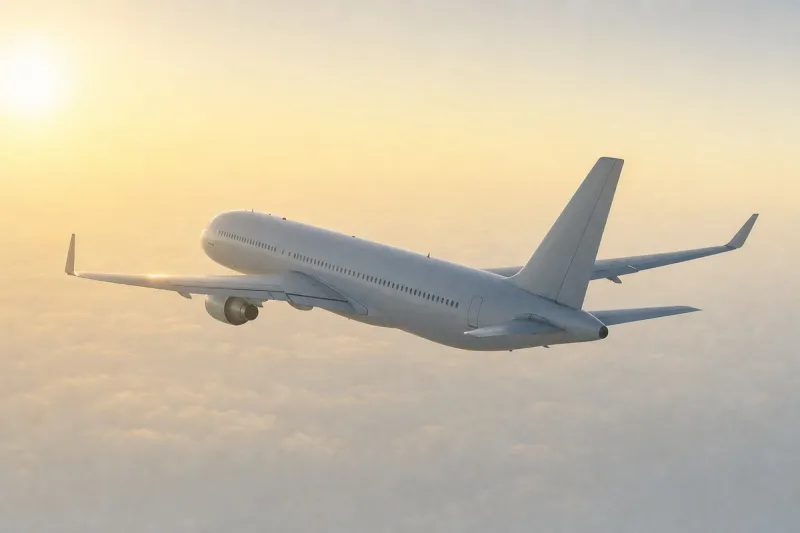
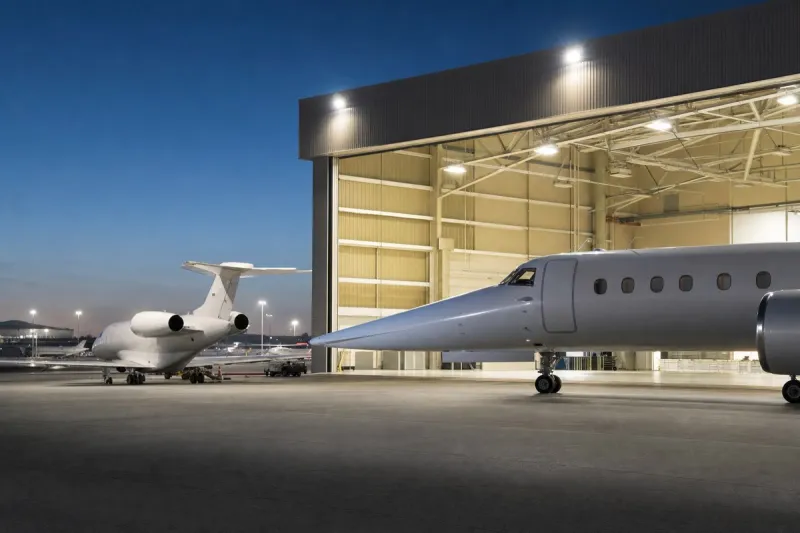
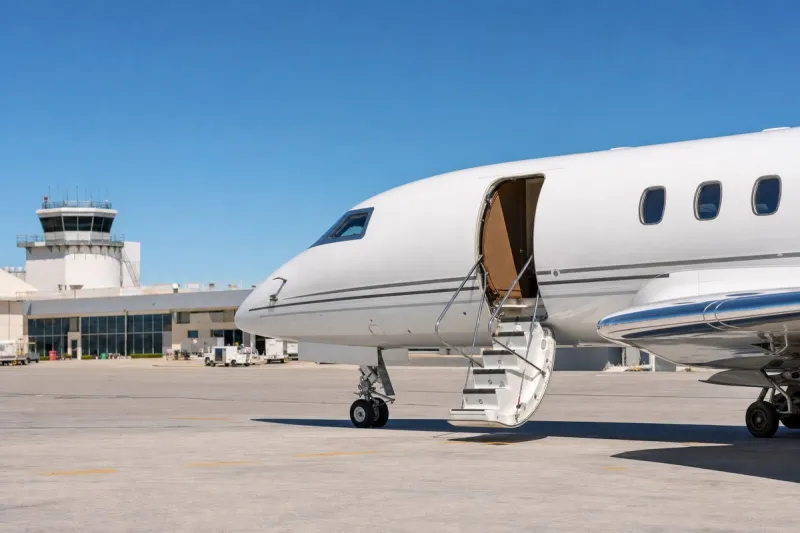
Bombardier currently supplies stripped-down Global 6000 airframes assembled at Toronto's Pearson airport and provides engineering collaboration for the GlobalEye program, while Saab remains the main manufacturer and systems integrator, producing radar, sensors and command controls in Sweden. Martel indicated the negotiations have reached a mature stage, with Bombardier seeking to capture more economic value from the alliance by taking on a larger share of production. On the same day, the Canadian federal government announced a preliminary agreement with Saab setting the terms for detailed negotiations toward the potential acquisition of six GlobalEye surveillance planes for the Royal Canadian Air Force. Prime Minister Mark Carney had previously identified Saab as the preferred supplier in May, and NATO said earlier this year it would open negotiations with Saab for up to 10 GlobalEye aircraft at a list price of €550 million each.
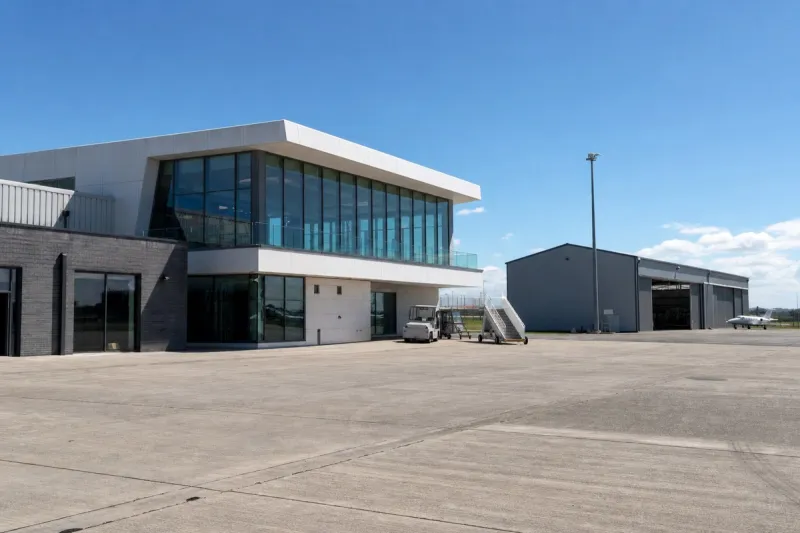
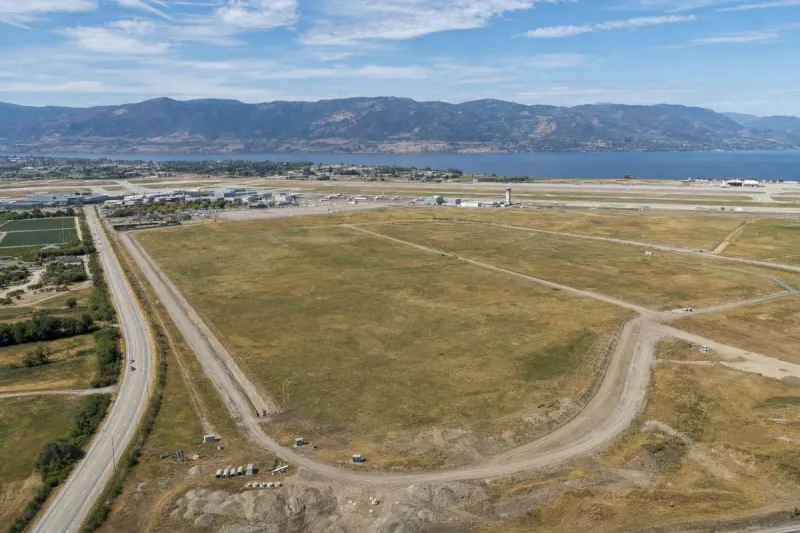
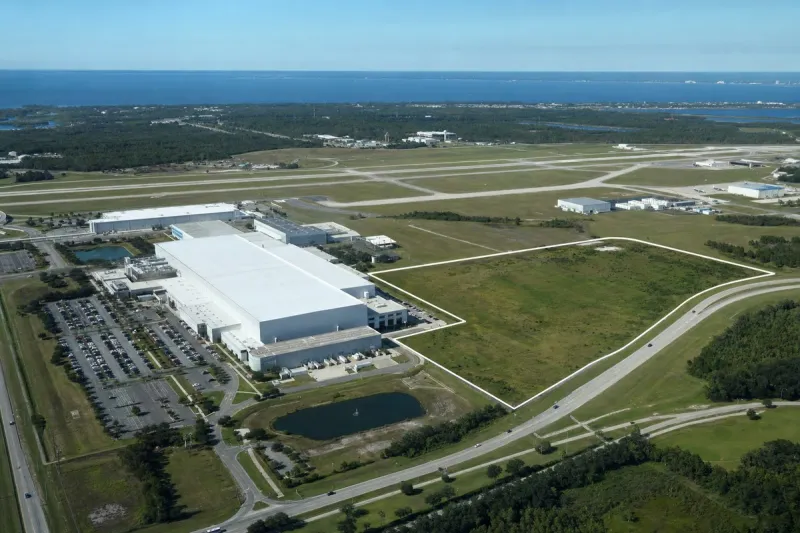
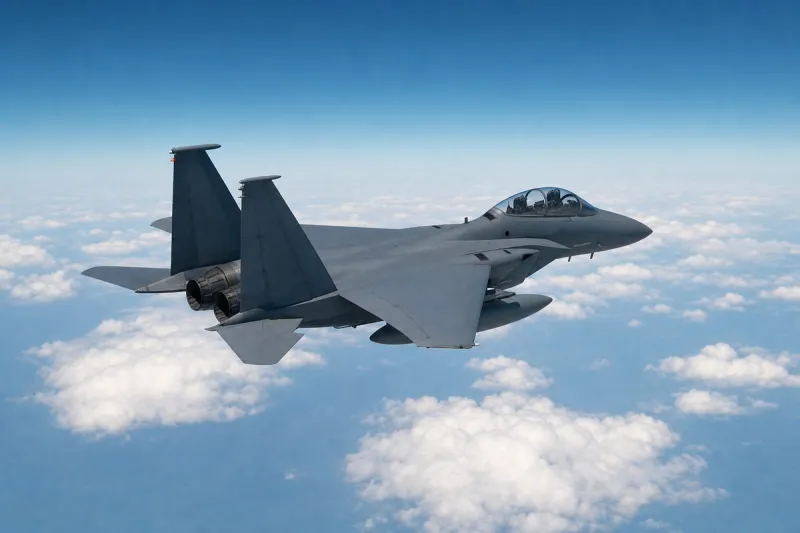
Saab executives said last year that the entire GlobalEye aircraft could be built in Canada if the Department of National Defence places an order, adding a production line alongside the existing one in Sweden. Bombardier is also scouting sites in Canada for a new factory dedicated to military work, mirroring its existing defence-manufacturing operation in Wichita, Kansas. On the Gripen fighter jet, which Ottawa is weighing as a partial substitute for its planned order of 88 F-35 fighters, Martel said Bombardier would be open to supporting Saab by taking on more challenging work but cautioned the company is already stretched for capacity and must protect its capital: "Doing a fighter business is a different thing... We would not be able to do it from A to Z ourselves." Martel also addressed threats from U.S. President Donald Trump, who this month floated a ban on Bombardier jet sales in the United States and in January accused Canada of unfair trade practices. Bombardier sells more than half of its production volume into the American market, directly employs 3,500 workers in more than 20 U.S. states, and works with a network of 2,800 U.S. suppliers. National Bank analysts estimate U.S. content typically accounts for 40 per cent or more of each Bombardier jet.
Industry impact & what to watch
This case sits within a broader pattern of defence programs where a government's willingness to place an order is tied to a supplier's willingness to localize production. Saab's offer to build the full GlobalEye airframe in Canada, and Bombardier's push to expand its share of the work, both depend on Ottawa converting the preliminary agreement into a firm contract for the six aircraft.
In military aerospace, industrial offsets of this kind are a standard lever: a foreign systems integrator like Saab trades manufacturing jobs and a domestic production line for access to a national defence budget, while a domestic partner like Bombardier uses the arrangement to build out a dedicated military-manufacturing footprint beyond its existing commercial jet business. Bombardier's caution over the separate Gripen fighter question, despite its openness to GlobalEye, shows that this logic does not automatically extend to every adjacent program; capacity and capital constraints can limit how far a supplier is willing to stretch even when the government's procurement direction favors its partner.
Whether the Canada-built GlobalEye line materializes will depend on the detailed negotiations that follow the preliminary agreement, and on how Ottawa resolves its parallel review of the F-35 order against the Gripen alternative. Trump's threat to Bombardier's U.S. sales, given that more than half of its production volume goes to American customers, adds a second variable that could shape how much capital the company is willing to commit to new domestic defence capacity.