Why Business Jet Cabin Technology Can Feel Outdated Within Five Years of Delivery
Why It MattersCabin technology decisions now shape resale value and buyer targeting as much as airframe condition, forcing manufacturers and refurbishment shops to design for a service life spanning multiple generations of owners.
What happened
At the RedCabin industry summit, Colby Hall, Managing Director of Emerging Technology & Innovation at ALOFT AeroArchitects, described a structural mismatch in business aviation: aircraft costing $70 million or more are engineered to remain airworthy for 20 to 30 years, while consumer electronics are refreshed annually, making continuous retrofits impractical. Chris Blumenthal, CEO of Elephants & Monkeys Consulting LLC, who moderated the same working group, recounted visiting a client's Boeing Business Jet on which VHS and DVD players were still physically installed; the owner had added HDMI inputs but the legacy hardware remained in place.
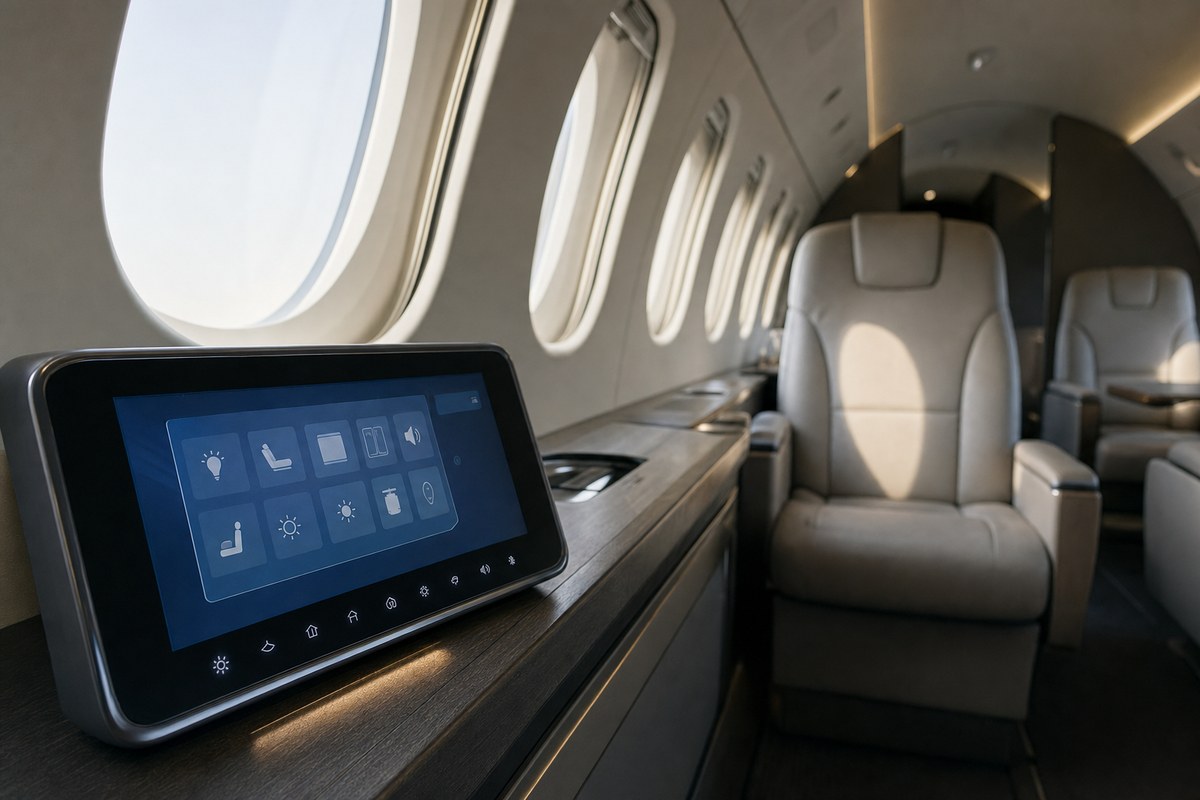
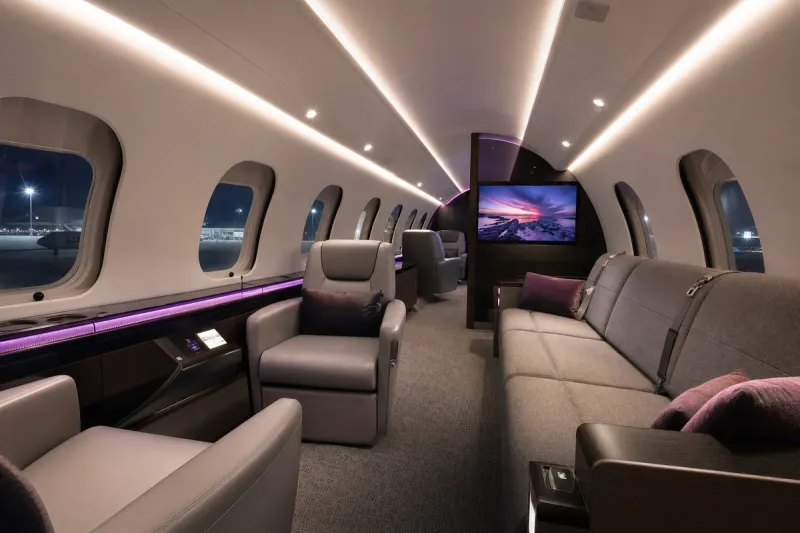
The session also noted that cabin materials age unevenly — leather, wood veneer, cabinetry and high-quality finishes can stay desirable for decades, while displays, charging ports, connectivity systems and entertainment hardware become obsolete far sooner. As a reference point, United Airlines introduced USB-C chargers in 2021, seven years after the standard began emerging, and most commercial airliners still carry the older USB-A specification.
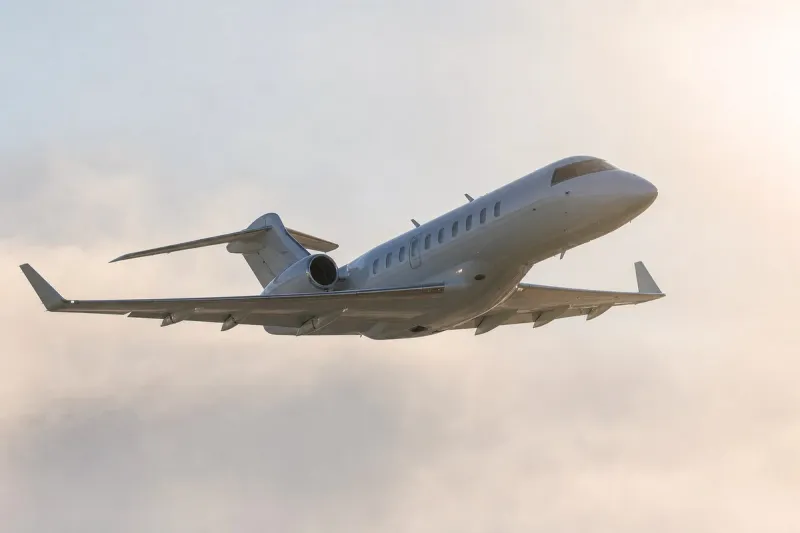
Two flights taken by the author on aircraft from the same operator, about a year apart, illustrated the gap directly. An Embraer Legacy 650 delivered in 2015 and flown between Italy and Spain had no Wi-Fi, no USB-A or USB-C wall outlets, and armrest control screens that looked dated. A Bombardier Global Express delivered in 2014 — one year older — and flown between Ireland and Switzerland had USB-C outlets standard at each seat, Wi-Fi fast enough to support an uninterrupted video call to Asia, and touchscreen interfaces on the flight deck.
A workshop exercise at RedCabin asked attendees to rank their top five must-haves when purchasing a business jet, and generational differences emerged: older industry professionals placed seating comfort first, middle-aged professionals prioritised connectivity, and younger professionals ranked device charging highest. Separately, Allen Kim, Director of Marketing for P3Labs, presented an AI agent product already adopted by ALOFT AeroArchitects — a screen-and-microphone system trained on company data that lets customers interact with it directly — and said the technology could extend to private aircraft, where an onboard agent would observe passenger behaviour and adapt cabin conditions, performing functions comparable to a voice assistant such as Amazon Alexa.
Industry impact & what to watch
The pattern described at RedCabin points to a structural feature of the business jet market rather than a one-off complaint: airframes are built for multi-decade service, but the cabin systems buyers judge on first impression — connectivity, charging, displays — move on a consumer-electronics cycle measured in a few years. That gap means two aircraft of nearly identical age, like the 2014 Global Express and the 2015 Legacy 650 described above, can present buyers with entirely different technology experiences despite comparable airframe vintage.
The segment's economics run on exactly this asymmetry. Durable finishes — leather, wood veneer, cabinetry — hold value across ownership changes, while electronics depreciate fast enough that a jet's perceived modernity depends heavily on when and how its cabin systems were last refreshed, independent of the airframe's condition. The RedCabin ranking exercise adds a buyer-side variable: what counts as a must-have shifts by generation, so a cabin optimized for one buyer's priorities may undersell itself to the next owner, particularly across a 20-to-30-year service life during which an aircraft like an Embraer Praetor 500E delivered today could still be flying in the 2040s under different ownership.
What remains open is how the industry designs for that turnover — whether cabins are specified for the original buyer alone or engineered with modularity for successive owners whose priorities will differ. Adoption of tools like the AI agent system P3Labs presented, and whether refurbishment shops build retrofit paths for connectivity and charging systems specifically rather than whole-cabin overhauls, will indicate which approach the market is settling on.